A drone attack on a Saudi Aramco oil field is a reminder that the market’s biggest crude risk is still not demand, but supply shocks from the Middle East.
Saudi Aramco Drone Attack Raises Oil Supply Risk
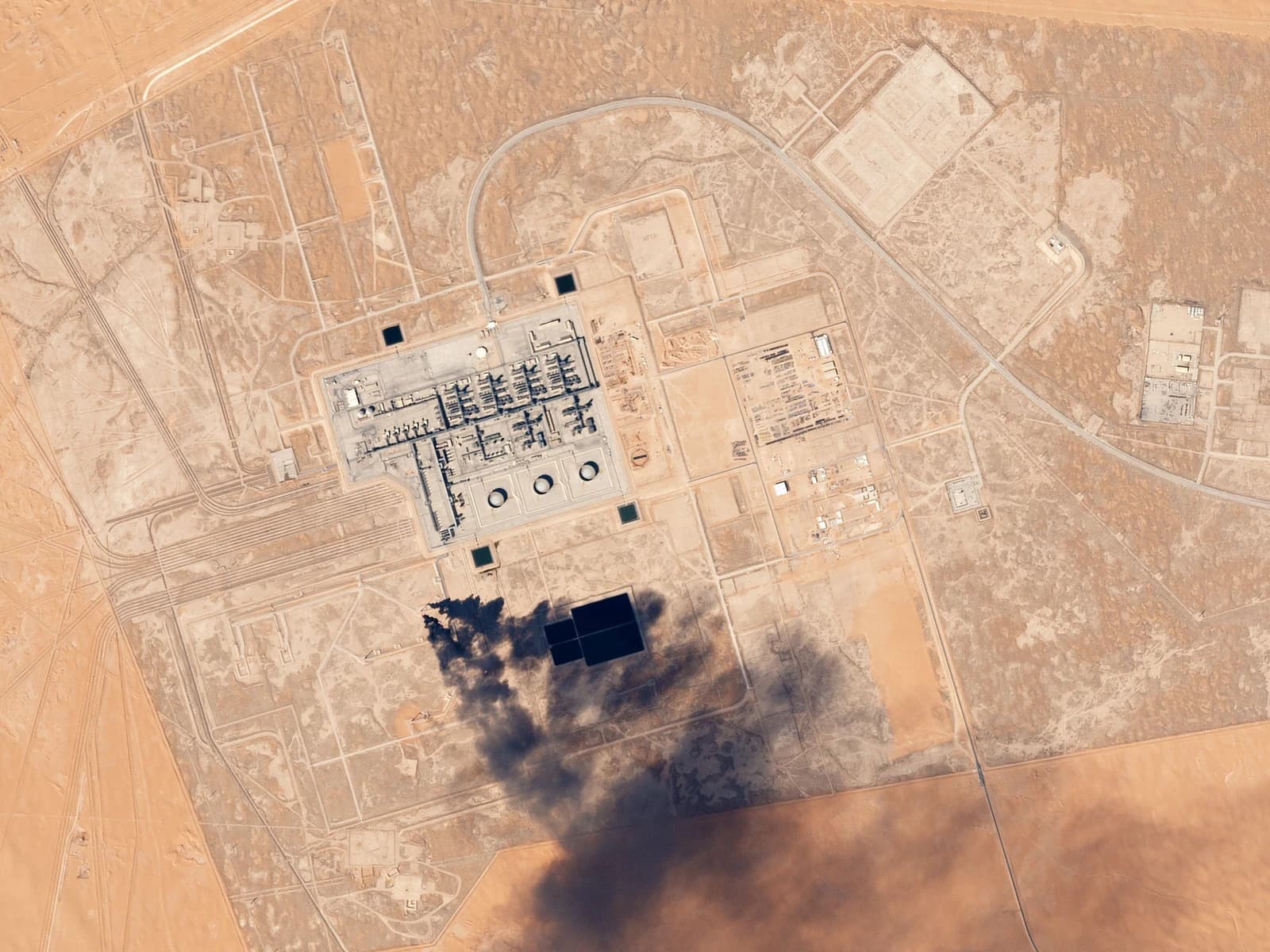
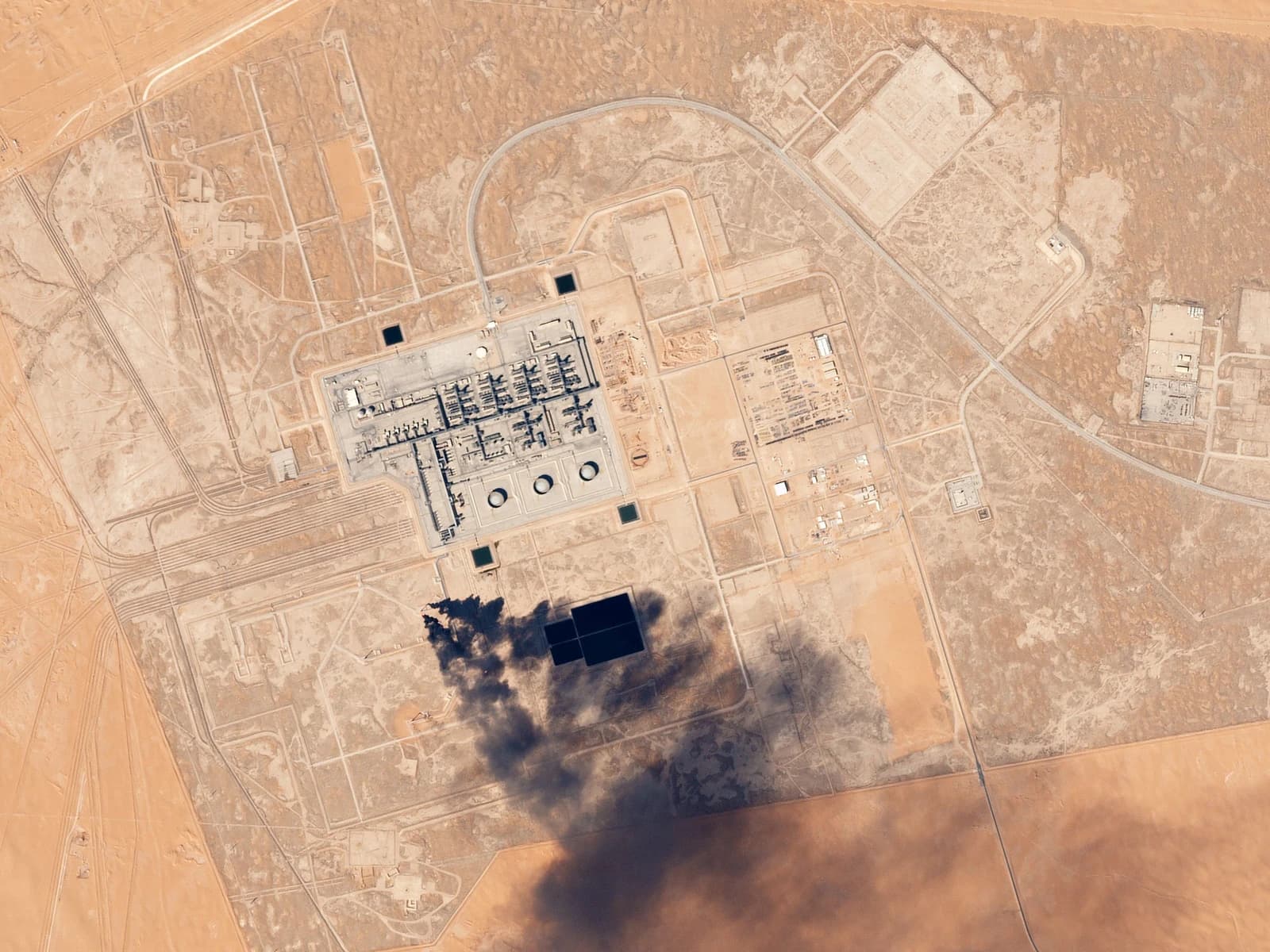
Saudi Arabia said its air defenses intercepted the drone aimed at the Shaiba oil field, but the incident still killed two people and injured two others, underscoring how easily energy infrastructure can become a geopolitical flashpoint. The attack comes after repeated Houthi threats against Saudi oil sites and follows earlier drone damage to a Saudi pipeline, keeping traders focused on whether a single successful strike could tighten a market already priced for stress.
Sentiment Indicators
Oil WTI
That matters because crude is already trading near elevated levels and reacting far more sharply to regional headlines than to routine macro data. U.S. crude hovered around $101 a barrel in recent sessions, while Brent sat just above $115, levels that leave little room for error if exports from the world’s top oil supplier are disrupted. The move has also lifted the energy complex more broadly, with the Energy Select Sector SPDR Fund near its highs as investors continue to favor producers and service names over consumer and transport stocks that suffer when fuel costs rise.
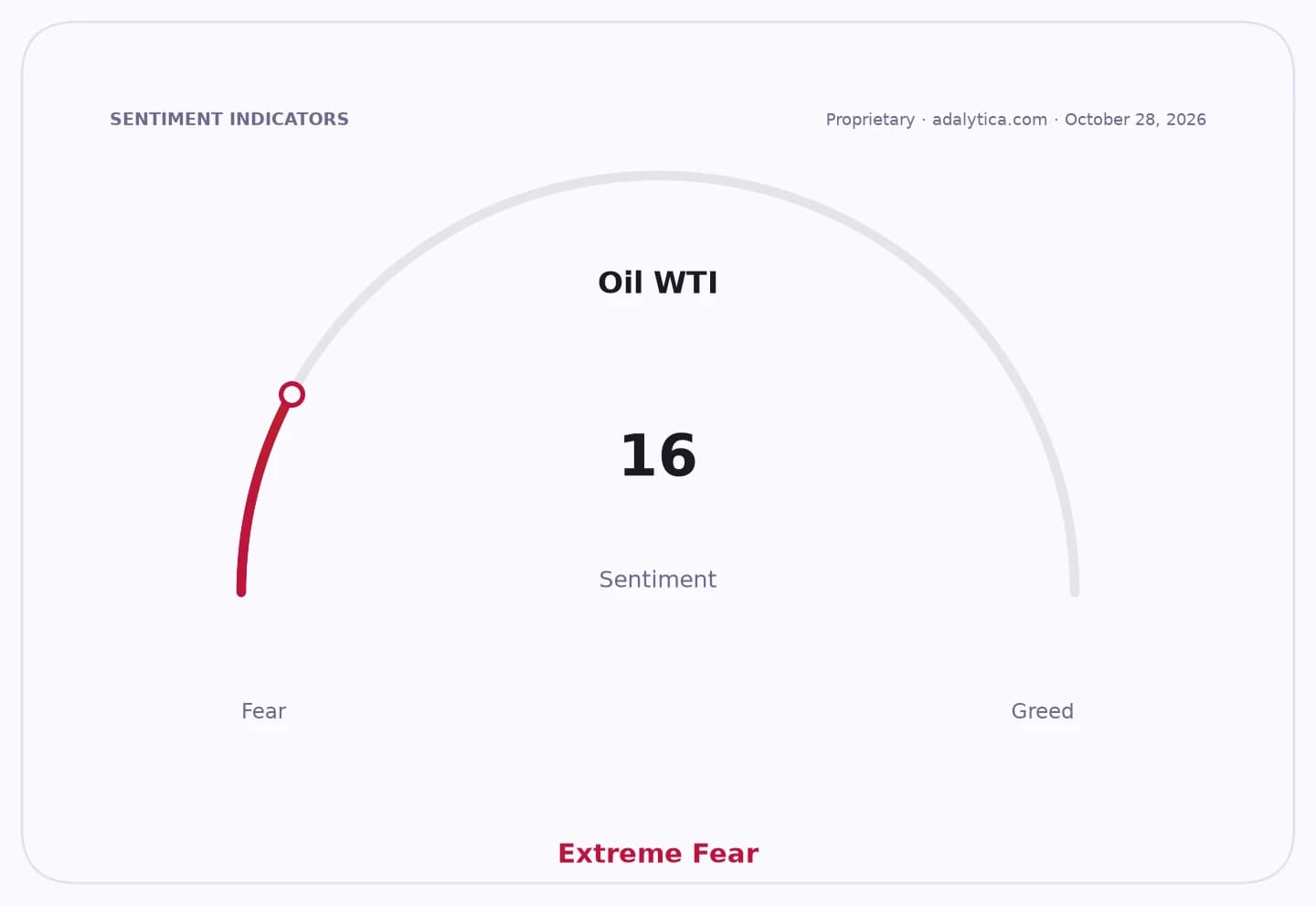
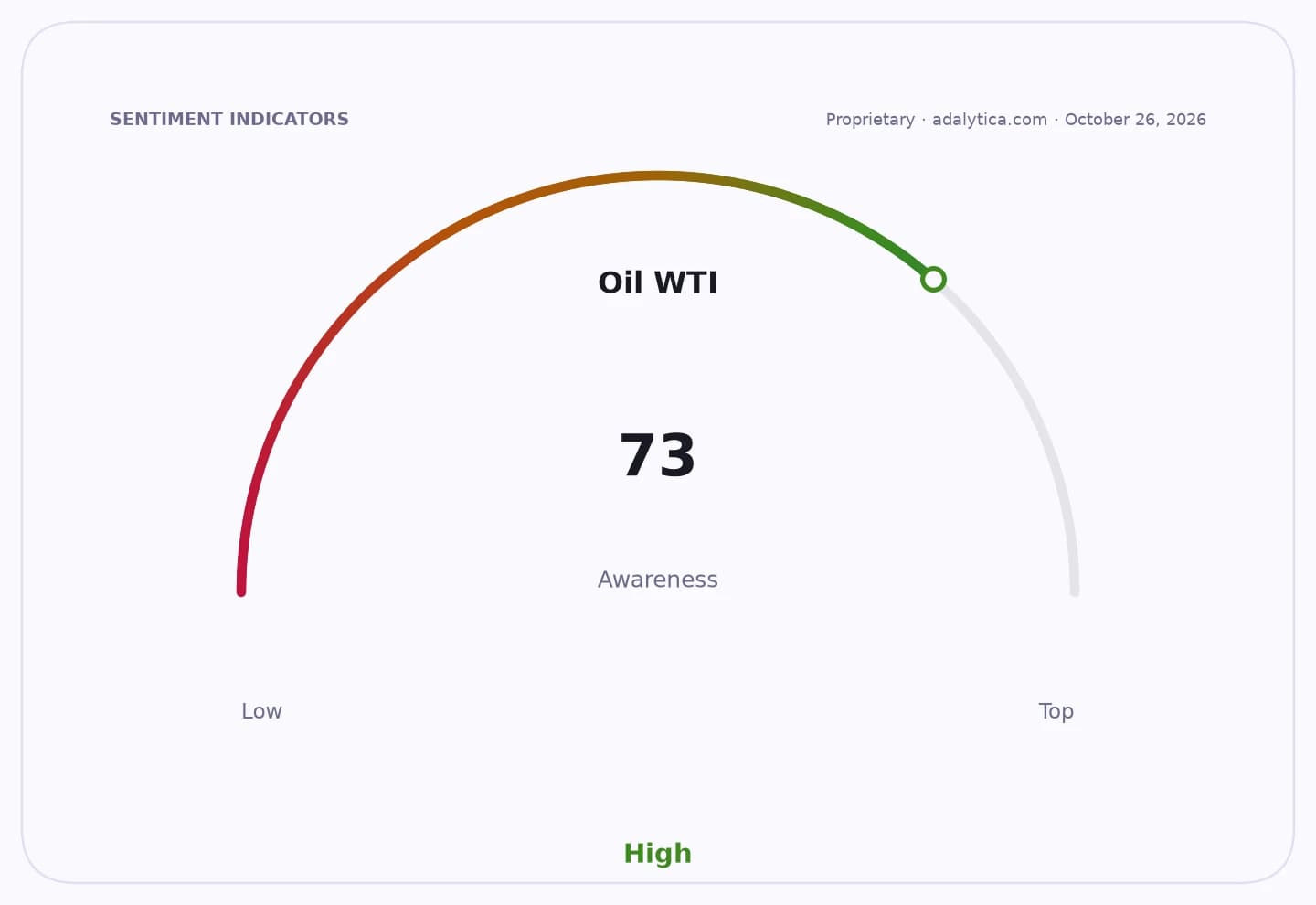
The economic logic is straightforward: the higher the perceived chance of a supply interruption in Saudi Arabia, the more the market has to price in a geopolitical premium across physical crude, futures and energy equities. Adalytica’s oil trade signals show “Extreme Fear” even as awareness remains elevated, a combination that tells me the market is alert to the danger but still underestimates how quickly prices can gap higher if the next attack lands. That is exactly the kind of setup that rewards early positioning, not late reaction.
Oil WTI
For investors, the trade is not just a bet on oil, but on volatility and balance-sheet strength. Integrated producers, energy infrastructure names and select oil services firms tend to benefit when risk premiums rise and commodity prices stay firm, while airlines, refiners with weak feedstock hedging and fuel-intensive industries are left exposed. Chevron and other multinational producers with Middle East exposure have already warned in filings that geopolitical conditions can affect operations and logistics, and that warning is becoming more than boilerplate.
The larger narrative is that Saudi Arabia is being forced to plan around a world where hard power now directly shapes energy flows. Riyadh’s decision to begin storing crude in Singapore in 2027 fits that playbook: diversify, harden supply chains and reduce exposure to a single chokepoint. Until the threat environment changes, investors should treat every drone launch as a reminder that oil’s ceiling is still being set by geopolitics, not just production math. The best opportunity remains long-quality energy and short complacency.
| Entity | Gains | Losses |
|---|---|---|
| Saudi oil producers | ▲Higher risk premium | ▼Physical disruption risk |
| Energy ETFs and oil bulls | ▲Stronger crude prices | ▼Higher volatility if attacks persist |
| Airlines and fuel users | ▲None | ▼Higher input costs |
| Saudi Arabia’s rivals and disruptors | ▲More leverage via unrest | ▼Diplomatic backlash |