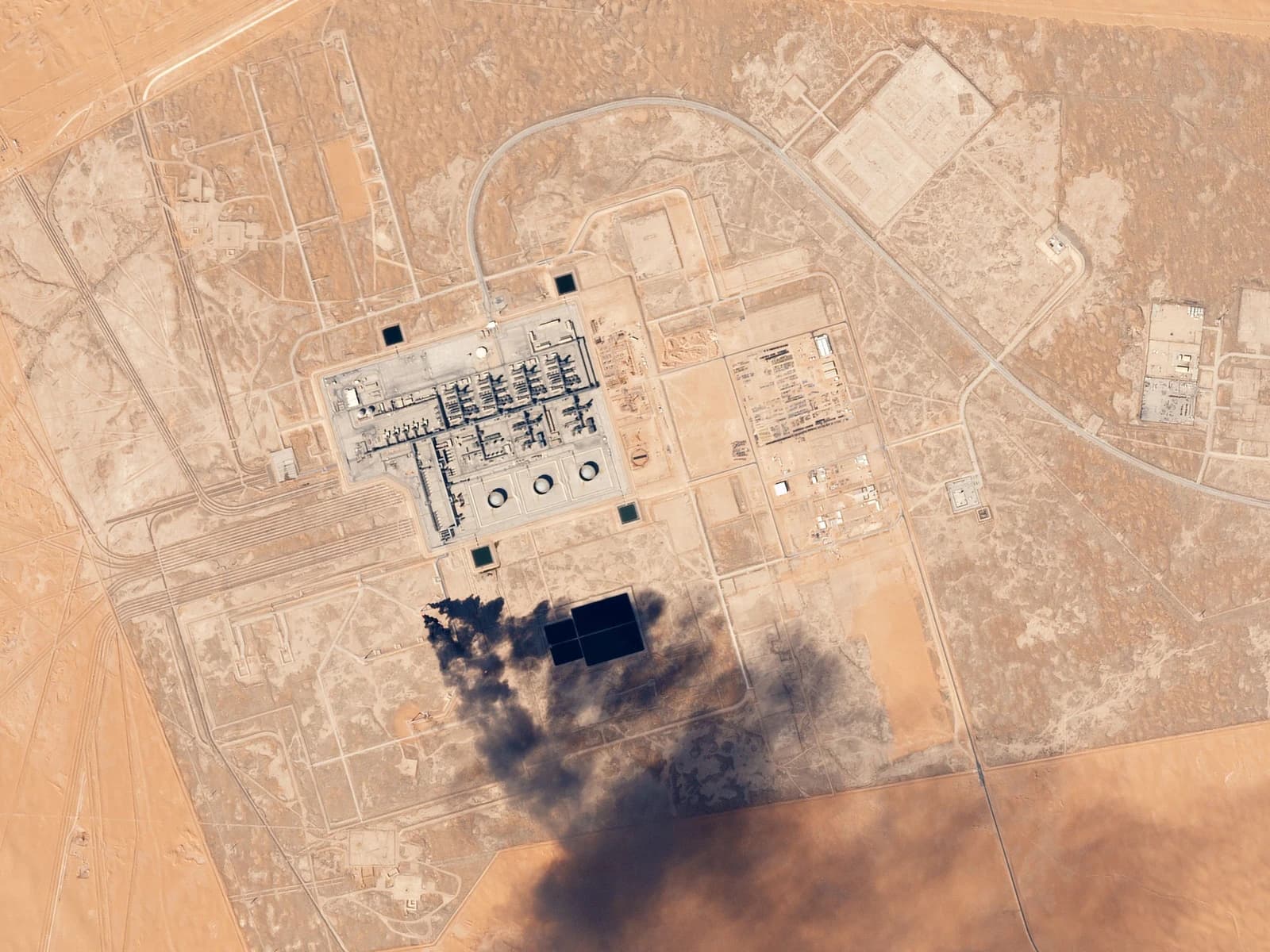
Yemen’s Houthis said they carried out fresh strikes on Saudi energy and aviation targets, a reminder that the regional conflict can still jolt oil markets and raise the security premium on Gulf assets even when the attacks cannot be independently verified.
Houthi strike claims lift Saudi oil security fears
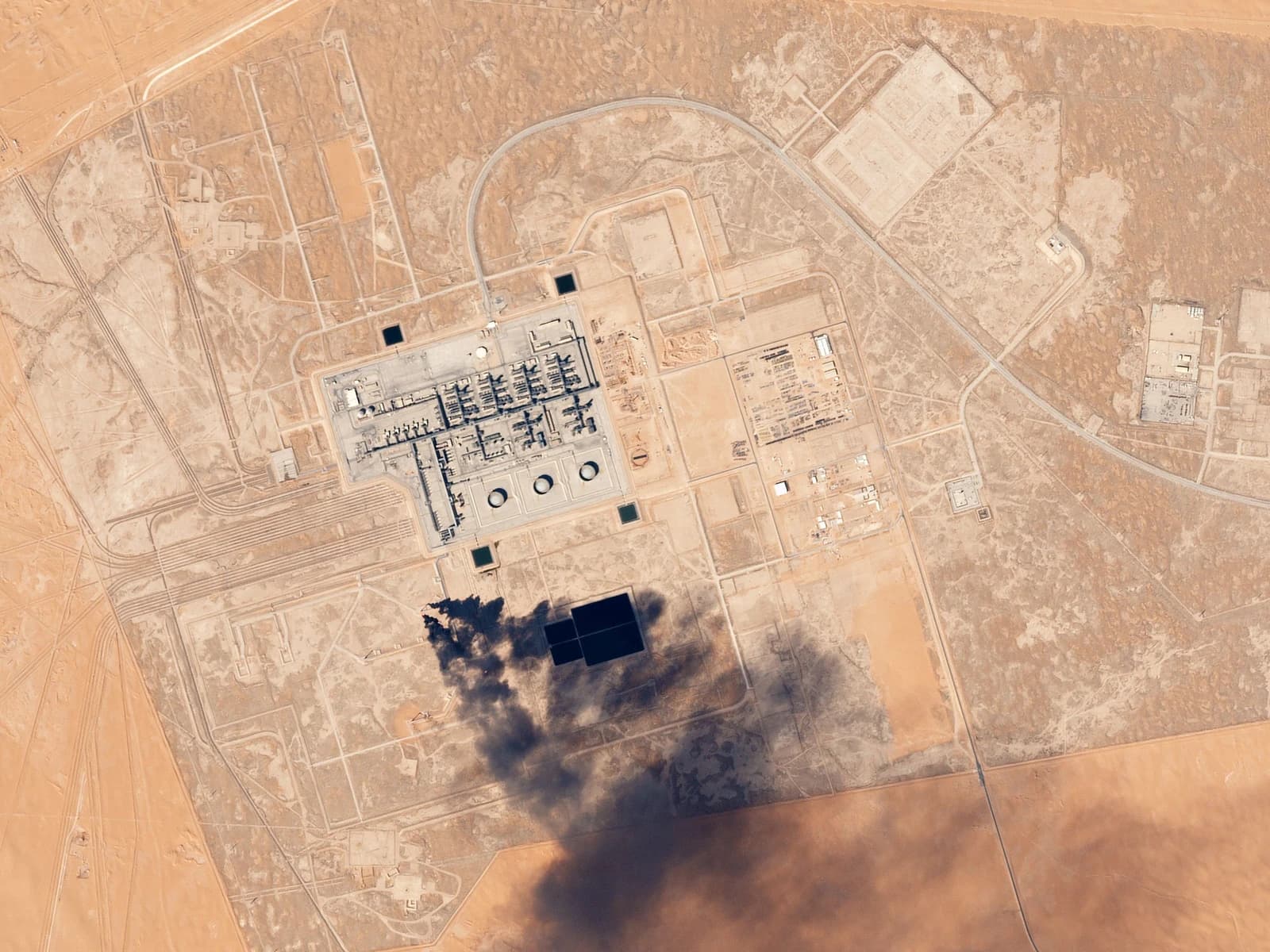
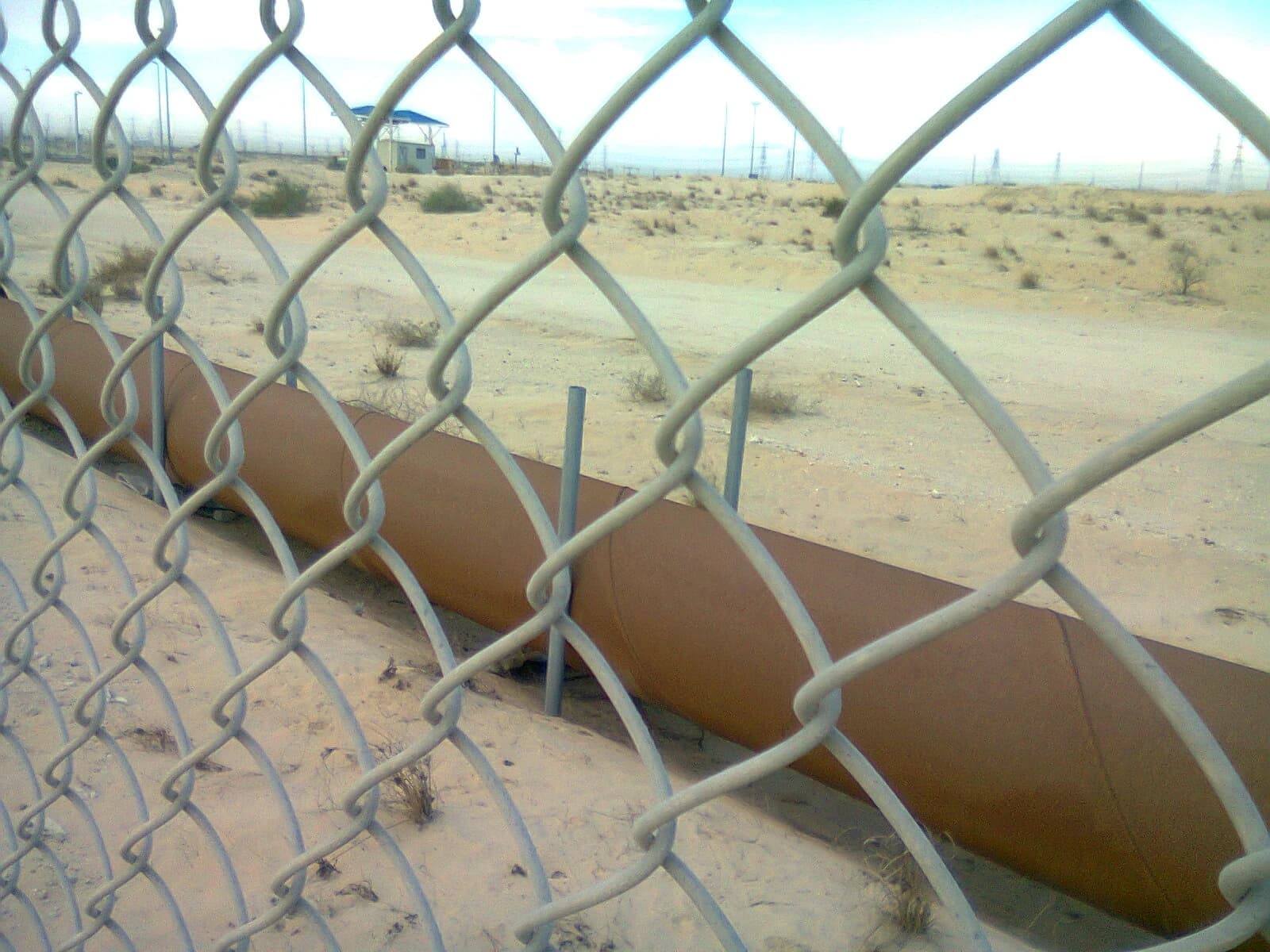
The Iran-aligned group said it targeted an Aramco site in Yanbu, the Shaybah oilfield, Riyadh’s King Khalid International Airport and Abha airport. Saudi Arabia did not immediately confirm any damage, and Reuters could not verify the claims. Even so, the timing matters: oil benchmarks have already been re-rating on fears that attacks on energy infrastructure and shipping routes could tighten supply in a market that remains highly sensitive to any threat to Saudi output or export logistics.
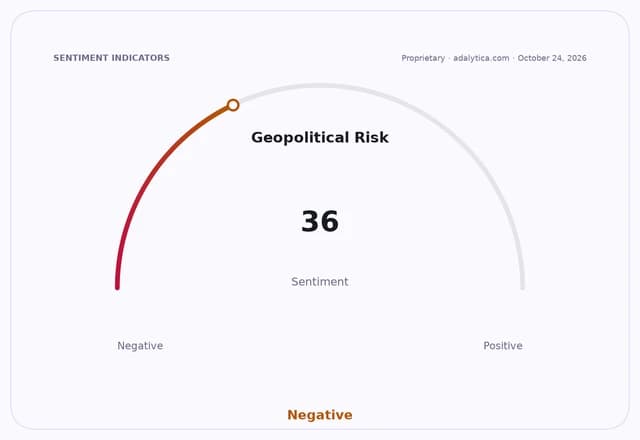
Crude prices have responded aggressively to the wider Middle East escalation. U.S. oil fund USO rose to $169.53 on Oct. 23, according to the price data provided, with the relative strength index at 90.6, a level that typically indicates stretched momentum. The energy sector ETF XLE also advanced to $69.33, while the oil and gas exploration and production ETF XOP climbed to $201.69. That move reflects a classic geopolitical trade: physical supply risk lifts crude, which boosts producers and energy equities, while consumers, airlines and refiners face higher input costs.
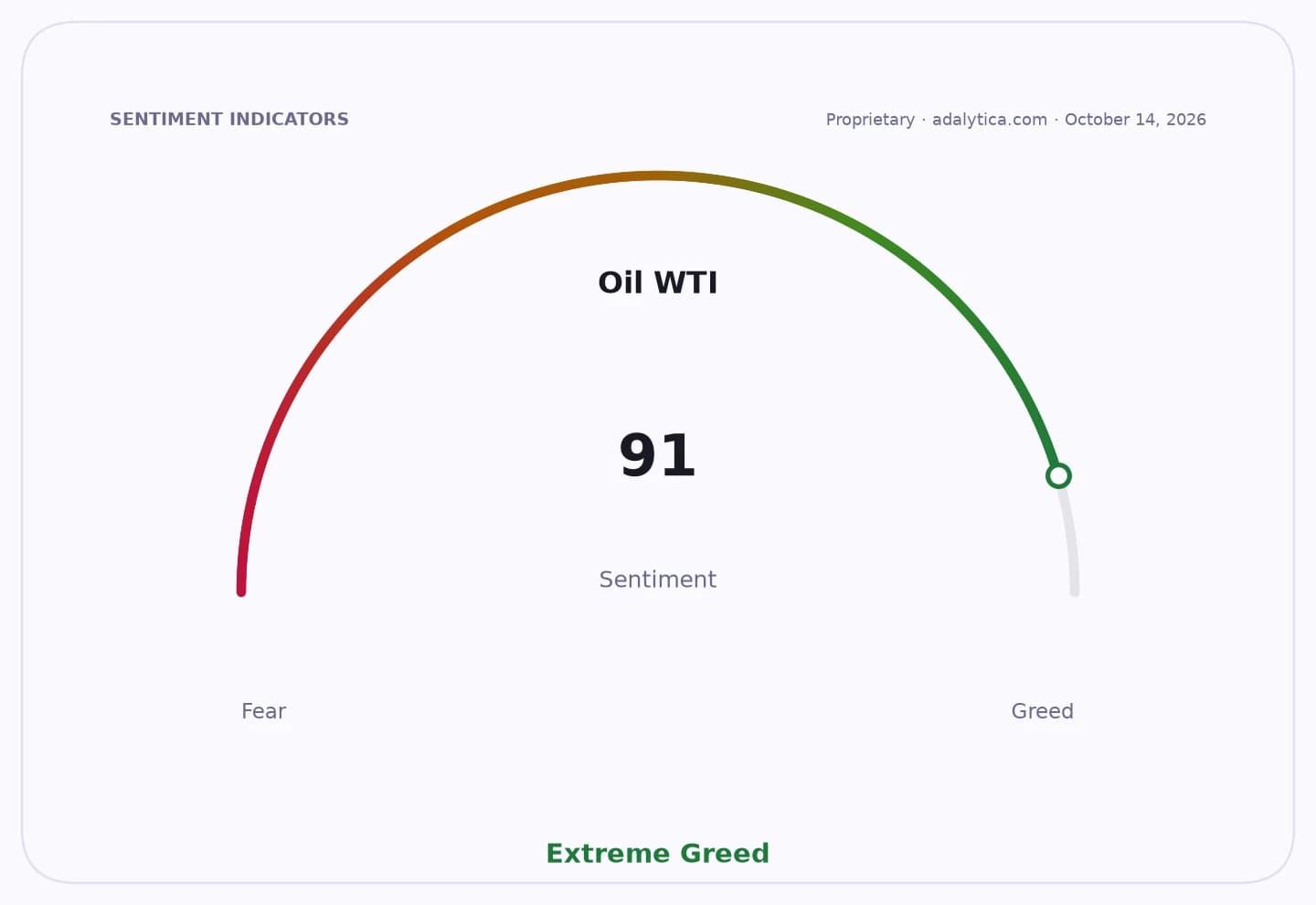
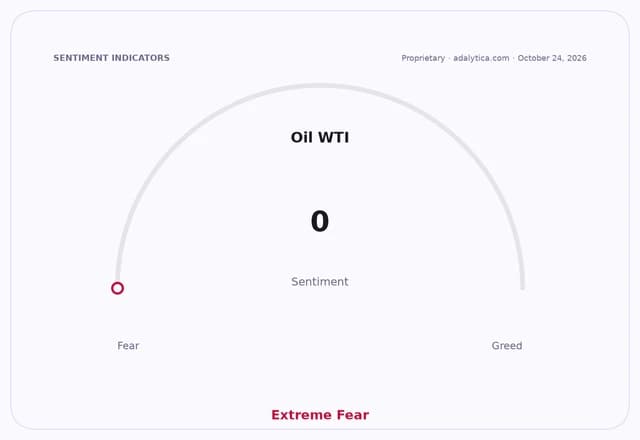
The broader market backdrop reinforces the significance. Adalytica’s oil trade snapshot shows sentiment at “Extreme Fear” even as awareness remains elevated, suggesting investors are alert to the risk of a further spike rather than pricing in calm. Reuters source material also points to the conflict’s widening economic footprint, with fighting in Yemen intensifying and a Saudi investment conference reportedly set to be postponed because of security concerns. If confirmed, that would show the attacks are not only a crude-market issue but also a drag on Saudi Arabia’s effort to attract foreign capital and present itself as a stable investment destination.
For investors, the key question is whether the latest Houthi claims amount to isolated propaganda or the start of a broader campaign against Saudi energy and transport infrastructure. A sustained threat would be supportive for upstream producers and service companies, but bearish for airlines, petrochemicals and importers that depend on stable Gulf supply lines. It also raises the odds of volatility in Brent and WTI, with the market likely to stay headline-driven until there is clearer evidence on damage, retaliation and the durability of Saudi defenses.
If the attacks are unconfirmed and cause no disruption, the immediate price move could fade. But if they are part of a recurring pattern, the economic cost would spread well beyond Yemen, reinforcing a higher-risk regime for Gulf shipping, Saudi investment flows and global oil consumers.
| Entity | Gains | Losses |
|---|---|---|
| Oil producers | ▲Higher crude prices | ▼— |
| Saudi Arabia | ▲— | ▼Security premium, investment image |
| Airlines and fuel users | ▲— | ▼Higher jet-fuel costs |
| Energy equities | ▲Short-term inflows | ▼Demand-sensitive sectors |