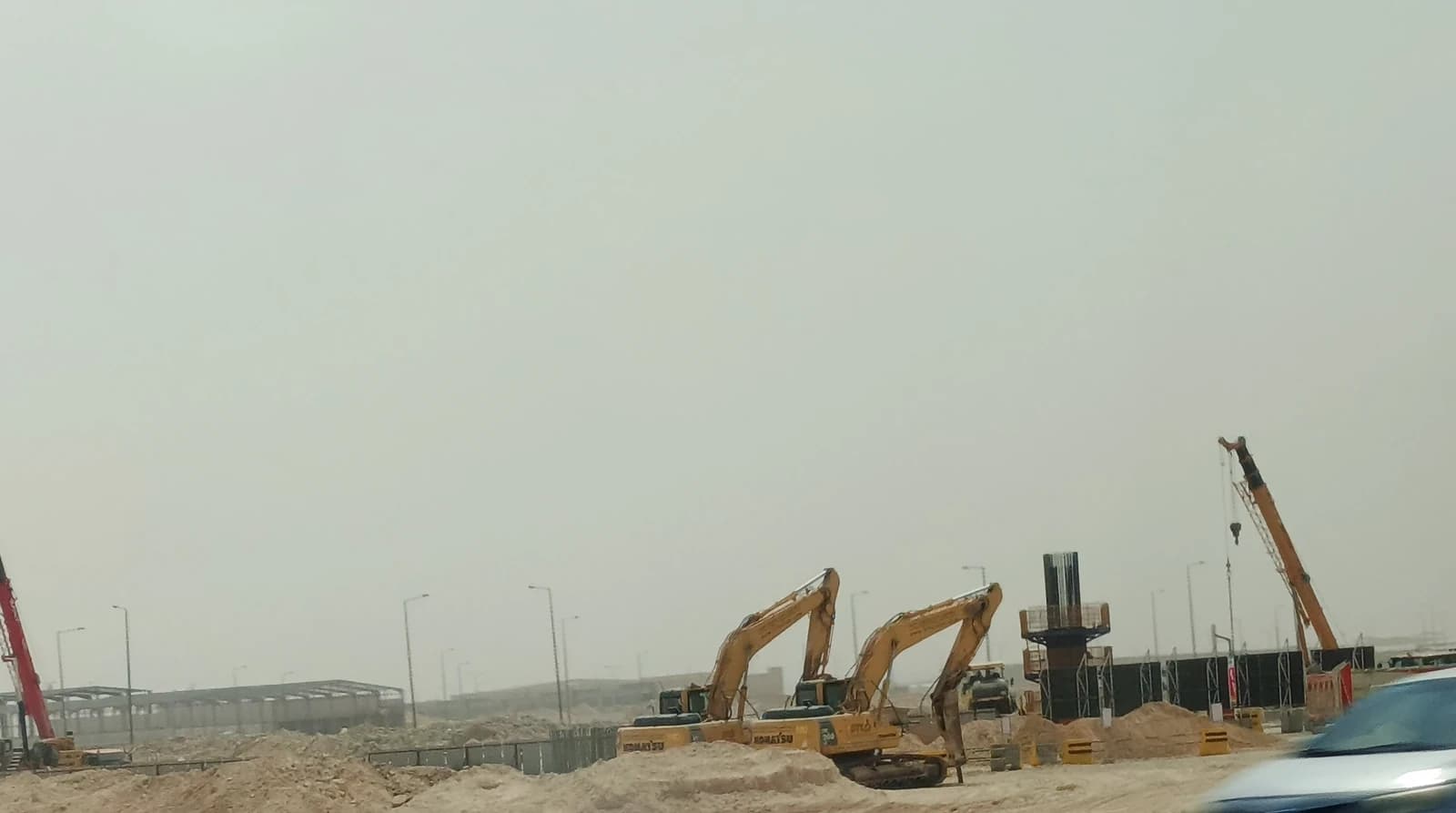
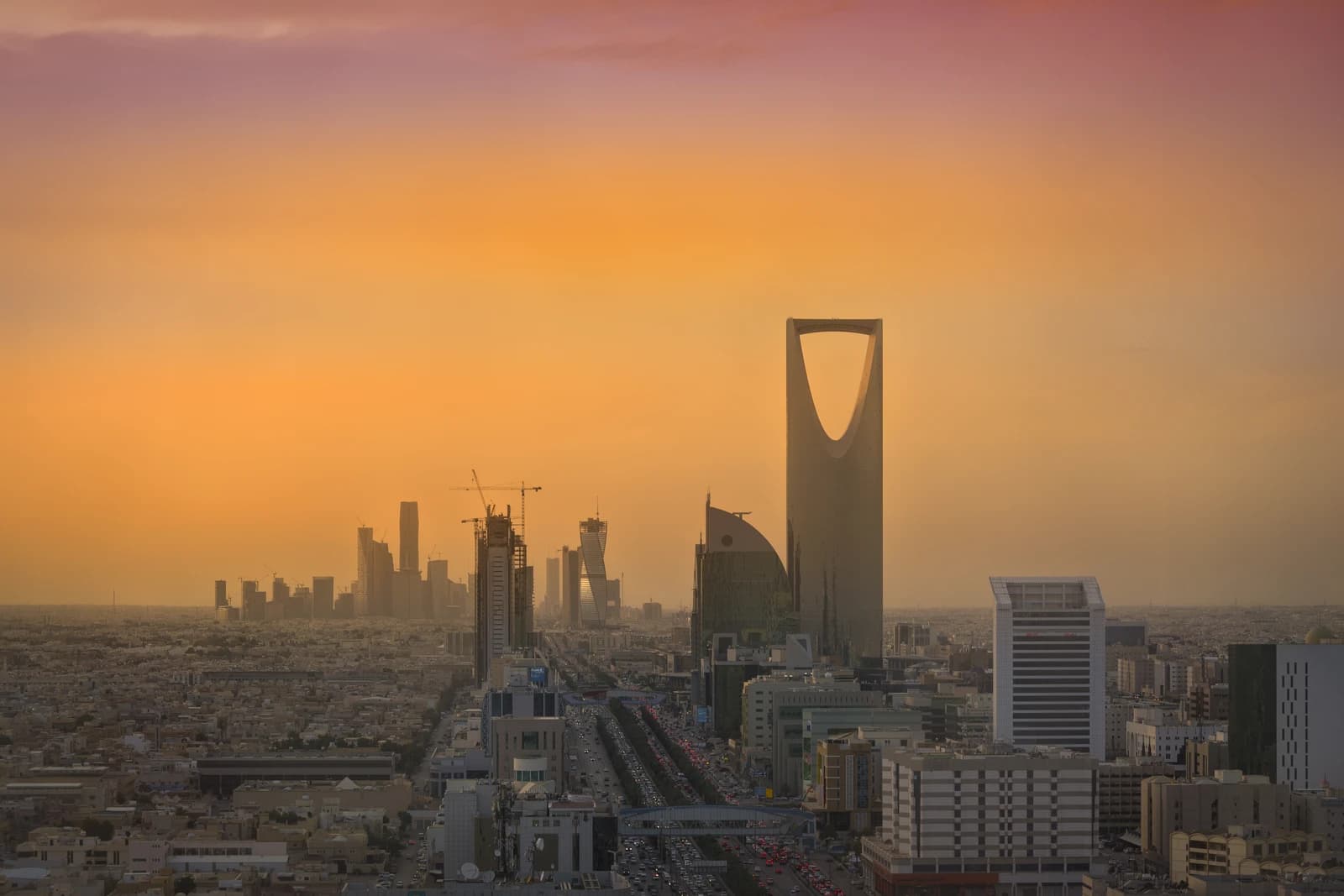
Saudi Arabia’s energy and logistics infrastructure has allowed the kingdom to keep oil flowing and regional trade moving even as security risks in the Gulf and Red Sea have intensified, central bank Governor Ayman Al-Sayari said, underscoring how the kingdom is using resilience in physical networks and public finances to support growth while it diversifies away from crude dependence.
Saudi Arabia Keeps Oil Flowing Amid Gulf Risks

The message matters economically because it ties Saudi Arabia’s current investment push to a broader policy goal: reducing vulnerability to shocks without sacrificing fiscal stability. Al-Sayari said the kingdom is pressing ahead with reforms to raise productivity, broaden private investment, improve spending efficiency and preserve fiscal sustainability, a blend that aims to support non-oil growth even if energy markets or regional shipping lanes come under pressure.
Sentiment IndicatorsⓘProprietary · adalytica.com · October 22, 2026
This is a snapshot — live sentiment, awareness and momentum for 130+ markets update continuously in the dashboard.Open AlphaPulse
His remarks, delivered to the IMF’s International Monetary and Financial Committee in Bangkok and chaired by Finance Minister Mohammed Al-Jadaan, come as the regional backdrop remains fragile. Houthi attacks on Saudi Arabia and shipping routes have heightened concern over energy security and maritime trade, while the broader Middle East conflict has already delayed diplomatic engagement with Gulf partners. For Riyadh, the ability to sustain exports and commerce despite those risks is not just a security issue but a macroeconomic one: uninterrupted oil supply supports government revenue, keeps the balance of payments steady and helps anchor confidence in the financial system.
That resilience also feeds directly into Saudi Arabia’s investment case. A functioning transport, storage and energy network lowers operating risk for foreign capital, supports industrial expansion and makes the kingdom a more reliable hub for trade and supply chains. Al-Sayari’s emphasis on “all حلقات سلسلة الطاقة” — from production and refining to storage and transport diversification — points to a strategy of hardening the economy against both price volatility and geopolitical disruption.
The central bank governor said the Saudi economy is adapting to the conflict from a position of strength, backed by prudent policy frameworks, large fiscal and non-fiscal buffers and a banking sector with strong capital and liquidity. That is important for investors because it suggests policymakers still have room to support activity without immediately threatening macro stability, a contrast with more constrained emerging markets that must choose between growth and reserves.
The narrative is increasingly clear: Saudi Arabia is trying to turn infrastructure spending, fiscal discipline and energy-system redundancy into a competitive advantage. The bull case is that this supports a longer cycle of non-oil growth, deeper financial markets and more private-sector participation. The bear case is that regional shocks could still disrupt trade flows, inflate security costs and delay diversification gains. For now, Riyadh is betting that resilience itself can become part of the growth model.
| Entity | Gains | Losses |
|---|---|---|
| Saudi Arabia | ▲steadier oil and trade flows | ▼lower payoff if disruptions deepen |
| Foreign investors | ▲lower operating risk | ▼delayed returns if tensions escalate |
| Gulf trade partners | ▲more reliable logistics links | ▼higher security and shipping costs |
| Houthi disruptors | ▲none | ▼pressure from stronger deterrence |