Saudi Arabia’s benchmark stock index climbed to its highest close in seven sessions on Tuesday, extending a rebound that investors are tying to firmer oil prices, heavier trading activity and a new reform push from the Capital Market Authority.
Saudi TASI Rises to Seven-Session High

The Tadawul All Share Index, or TASI, ended up 1% at 10,589 points, recovering from a five-week slide that had left the market looking oversold after a soft patch in regional equities. For investors, the move matters because Saudi stocks remain the dominant equity market in the Gulf, accounting for about 63% of total market value across regional exchanges, so direction in Riyadh often sets the tone for broader Gulf risk appetite.
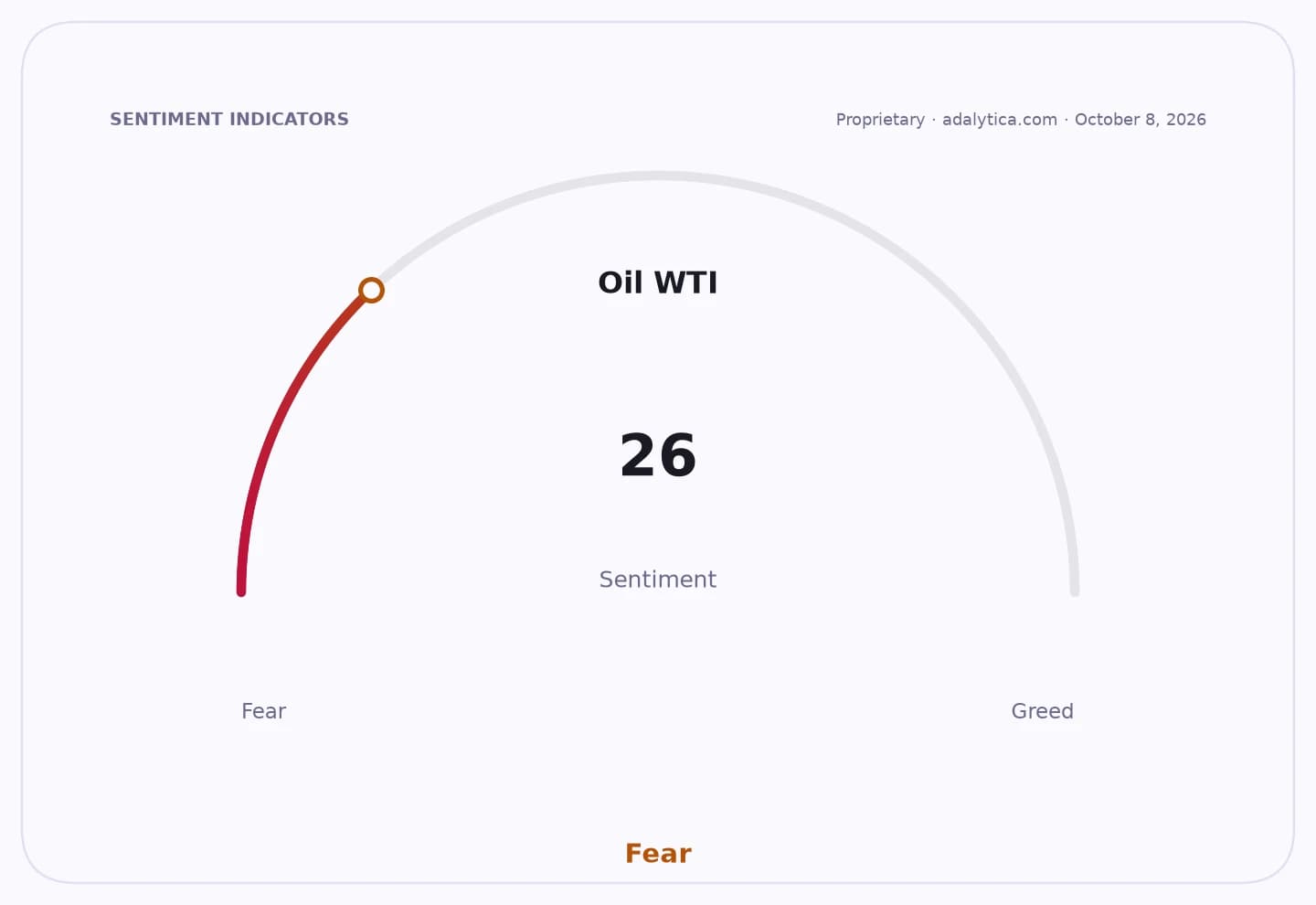
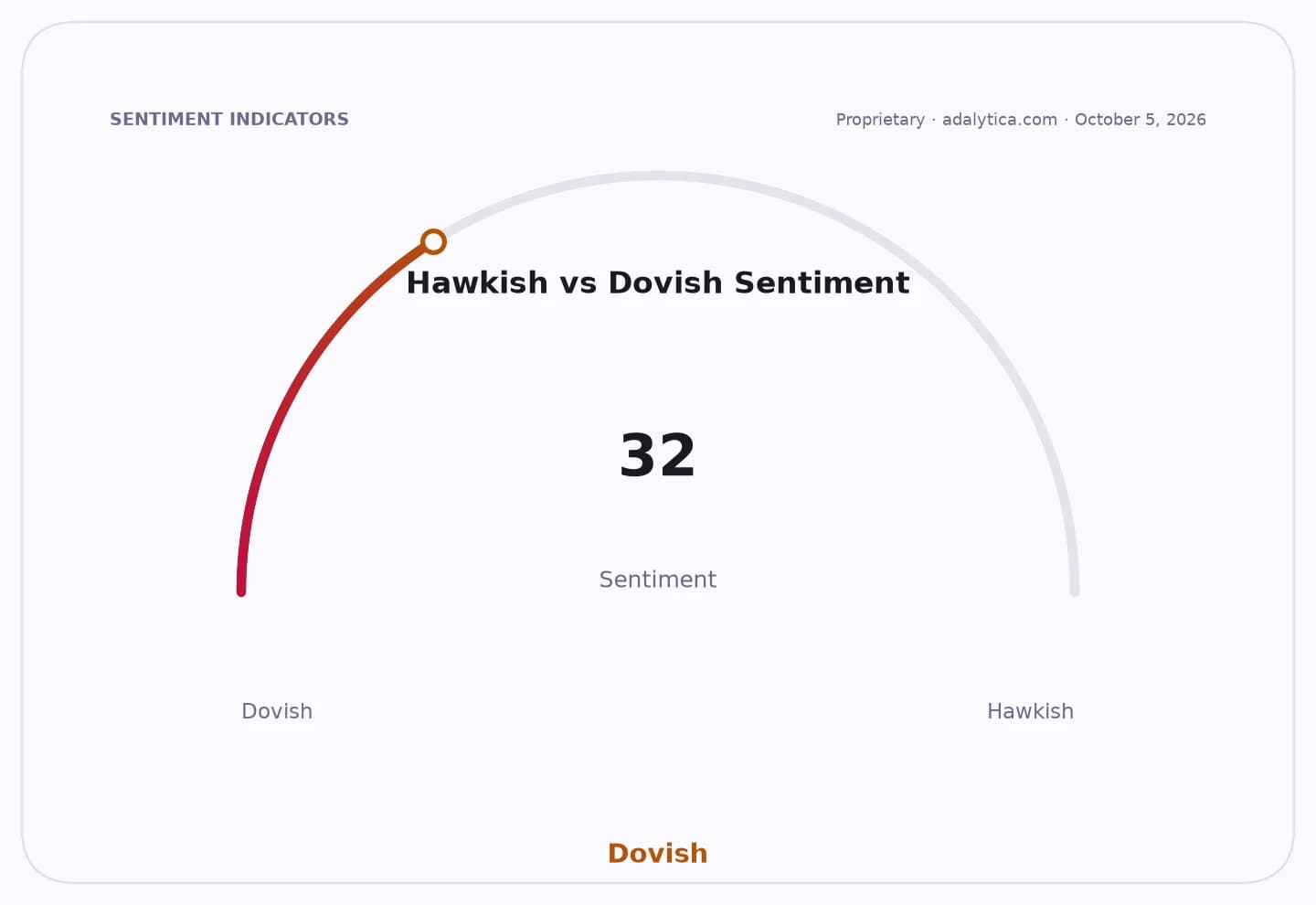
Sentiment IndicatorsⓘProprietary · adalytica.com · October 7, 2026
This is a snapshot — live sentiment, awareness and momentum for 130+ markets update continuously in the dashboard.Open AlphaPulse
The rally comes at a moment when the macro backdrop is becoming more supportive. Brent-linked oil strength is still the key earnings lever for the Saudi economy, feeding expectations for better fiscal visibility, healthier domestic liquidity and more stable sentiment toward banks, petrochemicals and other cyclical names. That support is important after a period in which investors had been reluctant to add exposure without clearer policy and growth catalysts.
Trading was also active enough to suggest the move was not just a low-volume bounce. Seven special deals worth 43.93 million riyals were executed during the session, indicating some institutional participation. In a market that can be sensitive to block activity and index flows, that kind of turnover can help reinforce short-term momentum, especially when it coincides with improving commodity prices.
The Capital Market Authority’s reform agenda is the other piece investors are watching. Chairman Mazen Al-Sudairi has outlined a broad plan aimed at tackling structural challenges and shaping the future of the market. That matters because any credible improvements in market depth, foreign participation, disclosure standards or listing incentives would have a longer-lasting effect than a one-day gain driven by oil alone.
There are still reasons for caution. The recent rebound follows a multi-week decline, so some of the buying may reflect position covering rather than a decisive change in fundamentals. And while higher oil prices support Saudi assets, they can also leave the market vulnerable if crude reverses or if global risk appetite weakens. U.S. bond yields, meanwhile, remain an external watchpoint for emerging-market valuations and capital flows.
Still, the combination of energy support, policy reform and signs of institutional activity gives the Saudi market a better near-term setup than it has had in weeks. If oil holds up and the reform programme begins to translate into more market participation, the current bounce could evolve into something more durable.
| Entity | Gains | Losses |
|---|---|---|
| Saudi listed equities | ▲Better sentiment and inflows | ▼Bears and recent sellers |
| Oil-linked sectors | ▲Stronger earnings outlook | ▼Margin pressure if crude falls |
| CMA reform agenda | ▲Greater market credibility | ▼Status quo and low participation |
| Gulf peers | ▲Spillover optimism | ▼Relative attention vs. Riyadh |