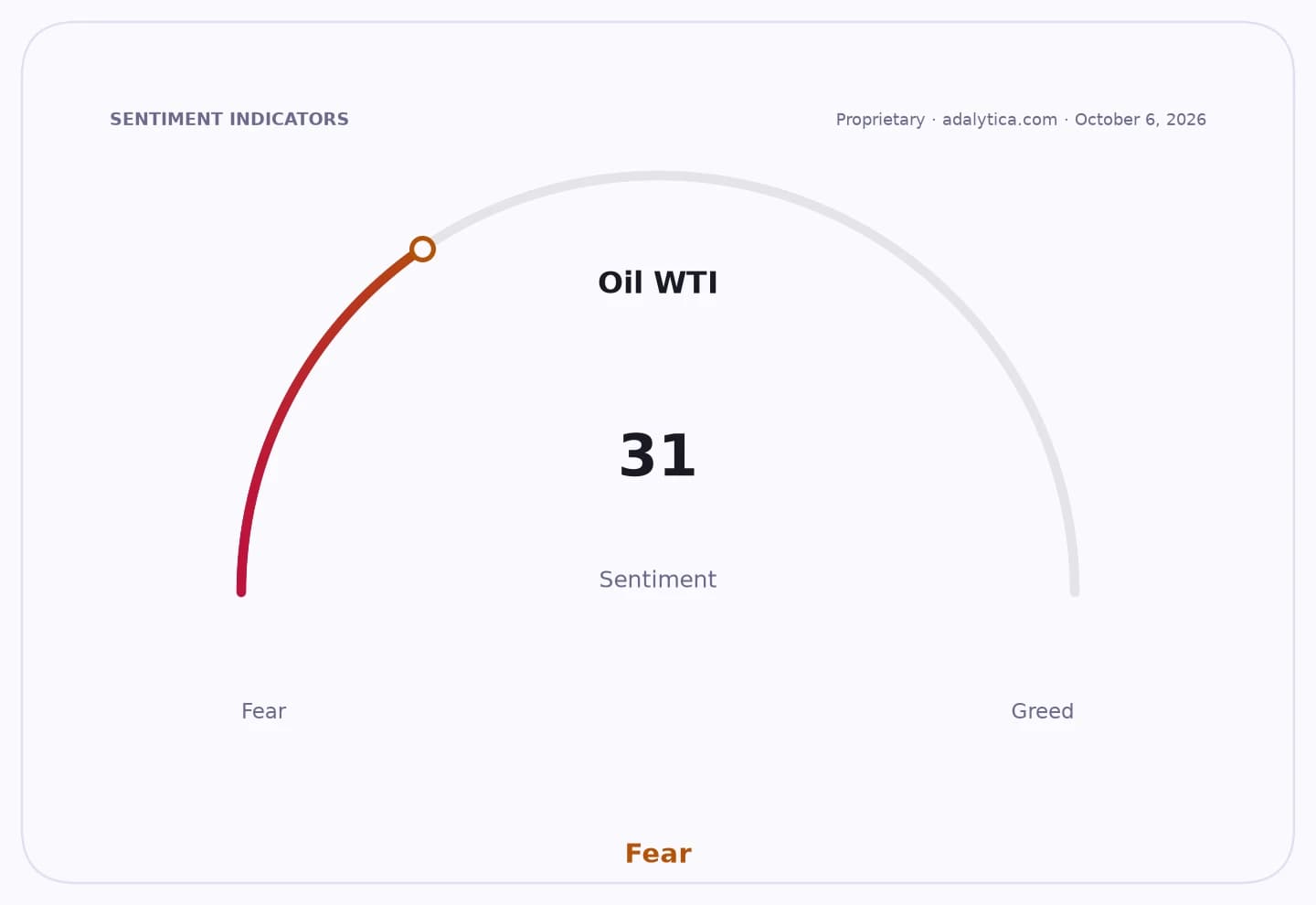
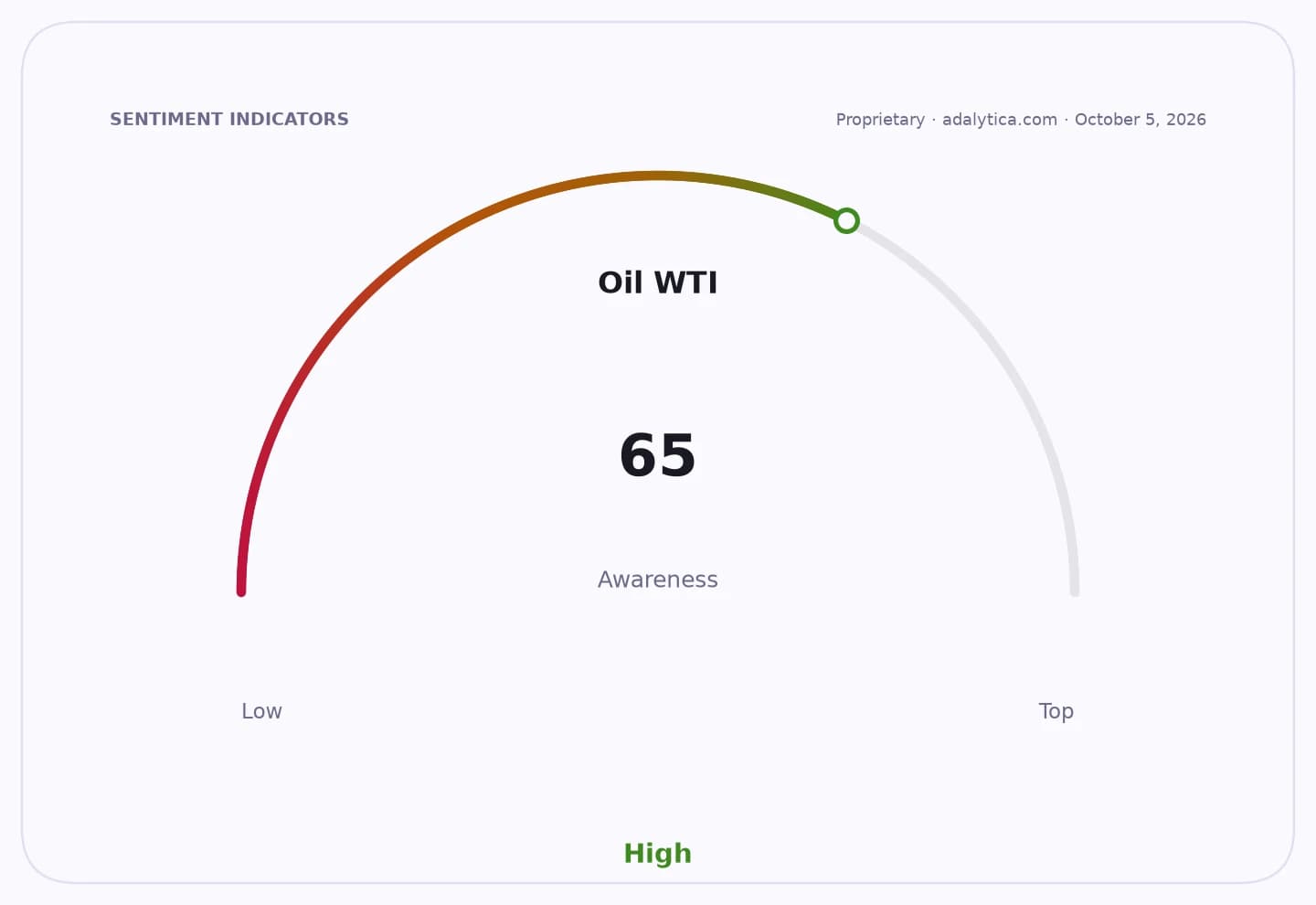
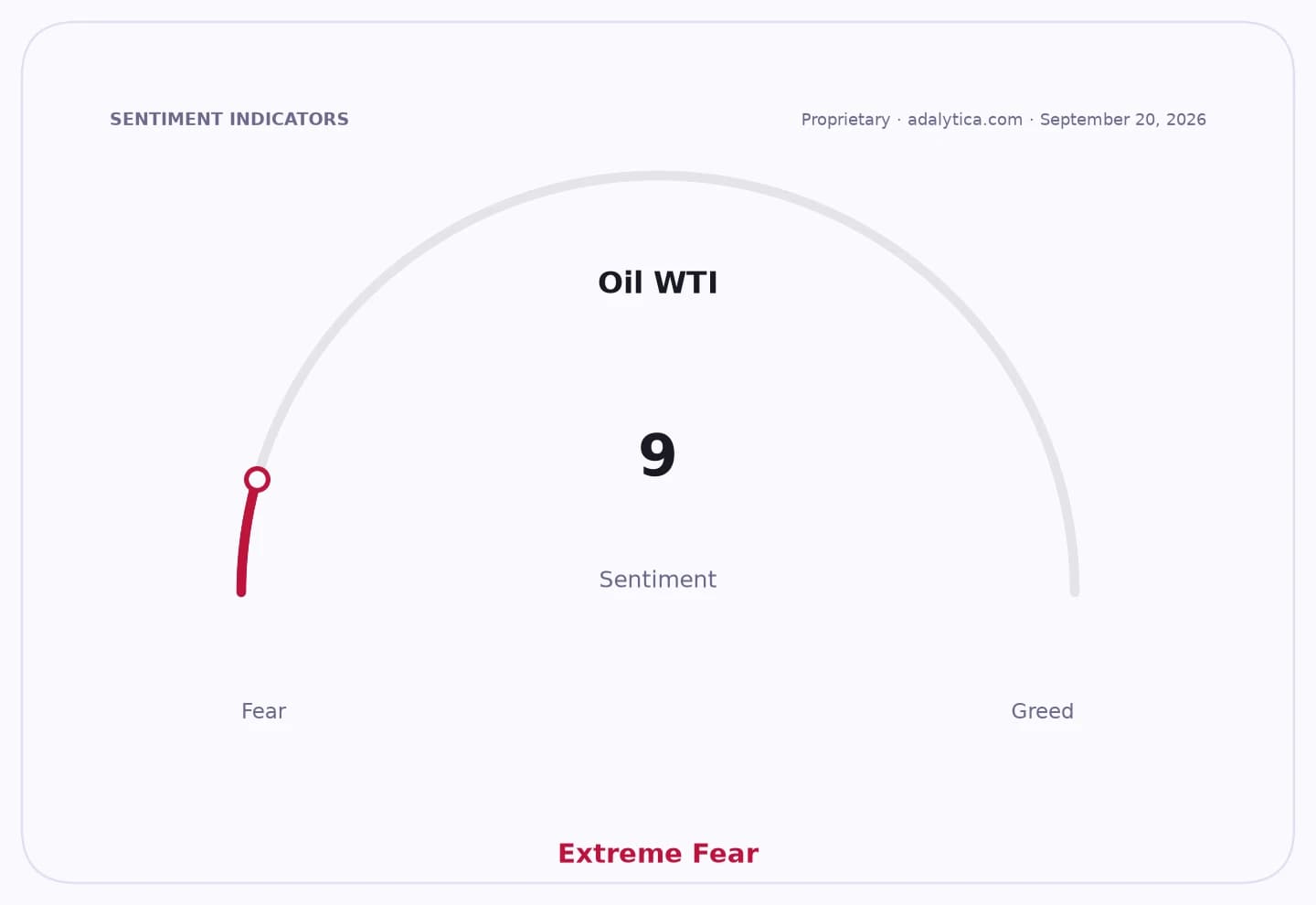
Saudi Aramco has begun restoring flow on its strategic East-West pipeline after a drone strike damaged the route last week, easing fears of a prolonged disruption to one of the kingdom’s most important oil export corridors and helping push crude prices lower.
Saudi Aramco Restores East-West Pipeline Flow
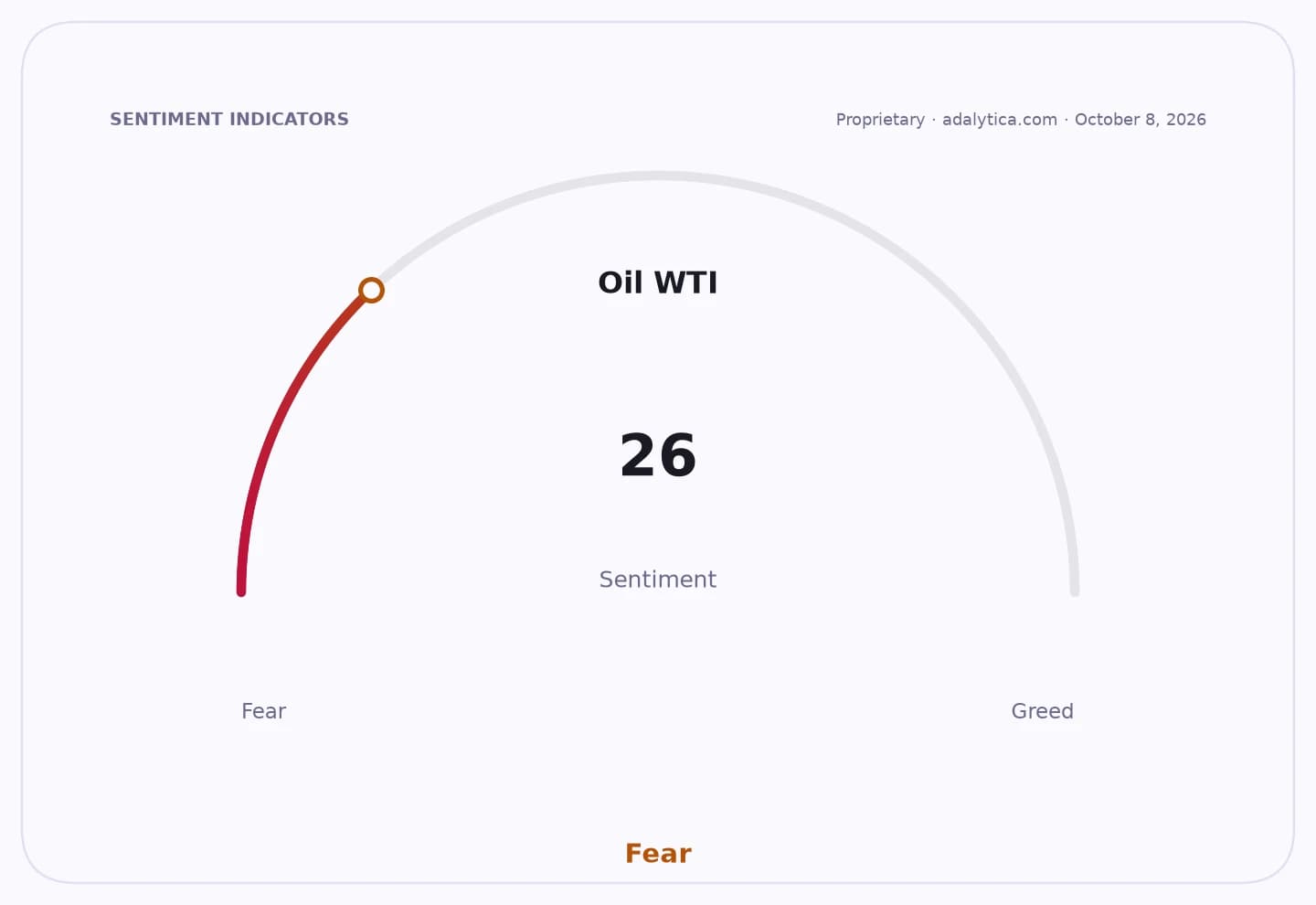
The partial restart matters because the pipeline is a key pressure valve for Saudi supplies to the Red Sea and the wider global market. Even a limited recovery reduces the chance that the attack will force a larger cut in exports, while also showing that Riyadh can reroute barrels quickly enough to blunt an immediate supply shock.
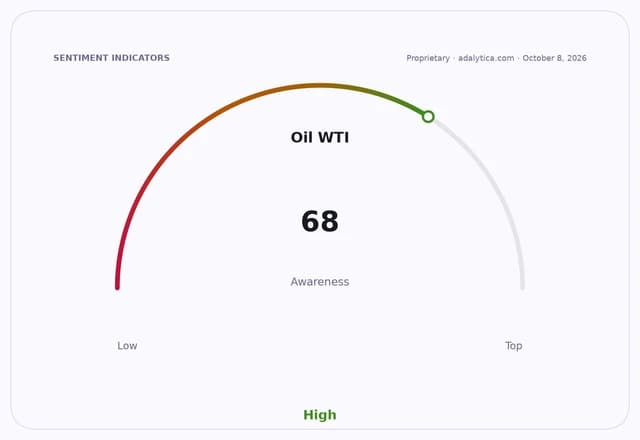
Industry sources said the line is now operating at reduced capacity, or will be soon, with throughput targeted at about 4 million barrels a day. That would be enough to keep Saudi refineries on the Red Sea supplied and still allow a limited amount of crude to move through the export system at Yanbu. One export loading has already been scheduled there, Reuters reported.
Full restoration is expected to take as long as six weeks because three pumping stations were damaged, even though eight remaining stations can still move crude through temporary bypass sections. The distinction matters for traders: the market is not facing a complete shutdown, but it is also not yet in the clear, leaving the system vulnerable if repairs slip or the regional security situation deteriorates further.
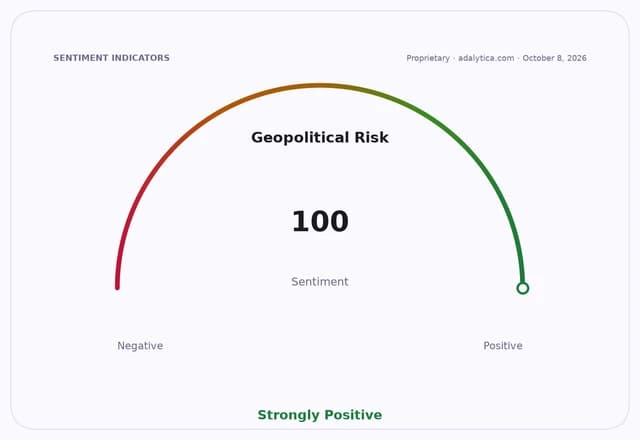
Oil prices have already started to reflect that improved supply outlook. Brent climbed to as high as $108 a barrel last week before slipping to about $98 on Tuesday, while U.S. crude has also backed off from recent peaks. The pullback has been reinforced by higher loading volumes at Ras Tanura, signs that pressure around the Strait of Hormuz may be easing, and talk of possible diplomatic contacts over the Iran conflict.
For investors, the message is that the immediate geopolitical premium in energy markets is proving more fragile than the initial spike suggested. Integrated producers and oil exporters still benefit from elevated prices, but refiners, transport users and broader equity markets may get some relief if Saudi output keeps flowing and Middle East supply routes remain open. The recent move in exchange-traded funds tied to crude, including USO and Brent-linked BNO, shows how quickly positioning can unwind once the supply scare looks containable.
Technical signals also point to a cooling of the panic bid. USO has retreated from its recent highs and the latest reading shows its short-term momentum fading, with the 50-day moving average still well below the recent price surge and RSI off overbought territory. That does not remove the geopolitical risk, but it suggests traders are moving from crisis pricing toward a more selective assessment of actual supply losses.
The bigger narrative is that the Red Sea pipeline attack was serious enough to jolt the market, but not serious enough to knock Saudi Arabia out of the export game. If repairs stay on schedule, attention will shift from emergency supply fears back to how much spare capacity Saudi Arabia can really deploy, how resilient regional shipping lanes remain, and whether crude's risk premium fades further or is quickly rebuilt by the next escalation.
| Entity | Gains | Losses |
|---|---|---|
| Saudi Aramco / Saudi Arabia | ▲Partial export recovery | ▼Repair costs and vulnerability |
| Oil consumers / refiners | ▲Lower supply shock risk | ▼Still exposed to escalation |
| Crude shorts / bearish traders | ▲Lower prices | ▼Geopolitical upside risk |
| Crude longs / energy bulls | ▲Higher baseline prices | ▼Risk premium unwinding |