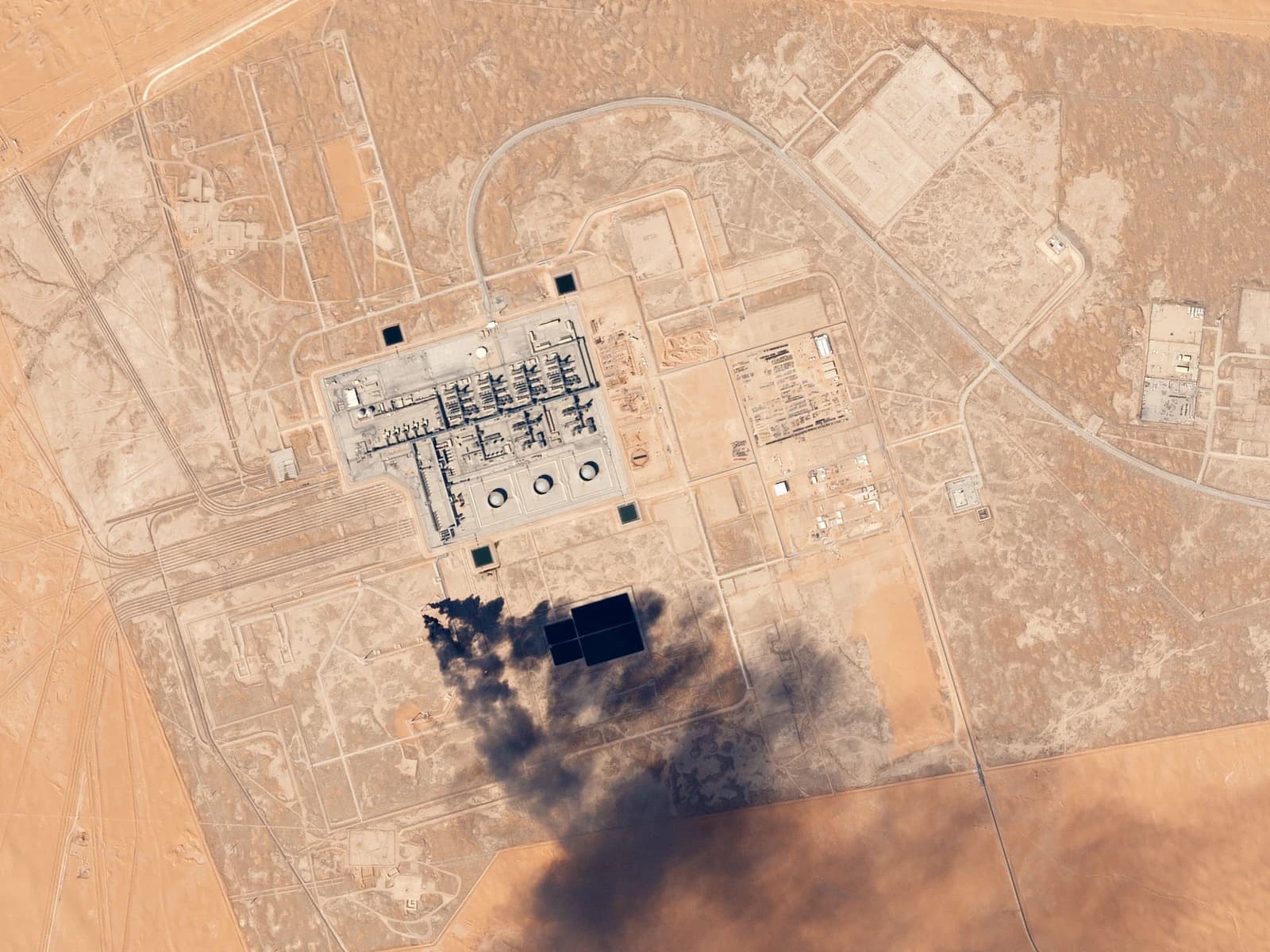
Yemen’s Houthi militants say they fired missiles and drones at Riyadh’s King Khalid International Airport and Saudi Aramco’s Rabigh refinery, putting one of the world’s most important oil exporters back in the crosshairs and reviving fears of supply disruption.
Saudi Aramco Rabigh Refinery Attacked by Houthis
The attacks matter because Saudi energy infrastructure sits at the center of global crude flows. Any sign that the kingdom’s refineries, airports or export routes are vulnerable can quickly feed into oil prices, shipping risk and inflation expectations, especially when global stockpiles are already described by market participants as tight.
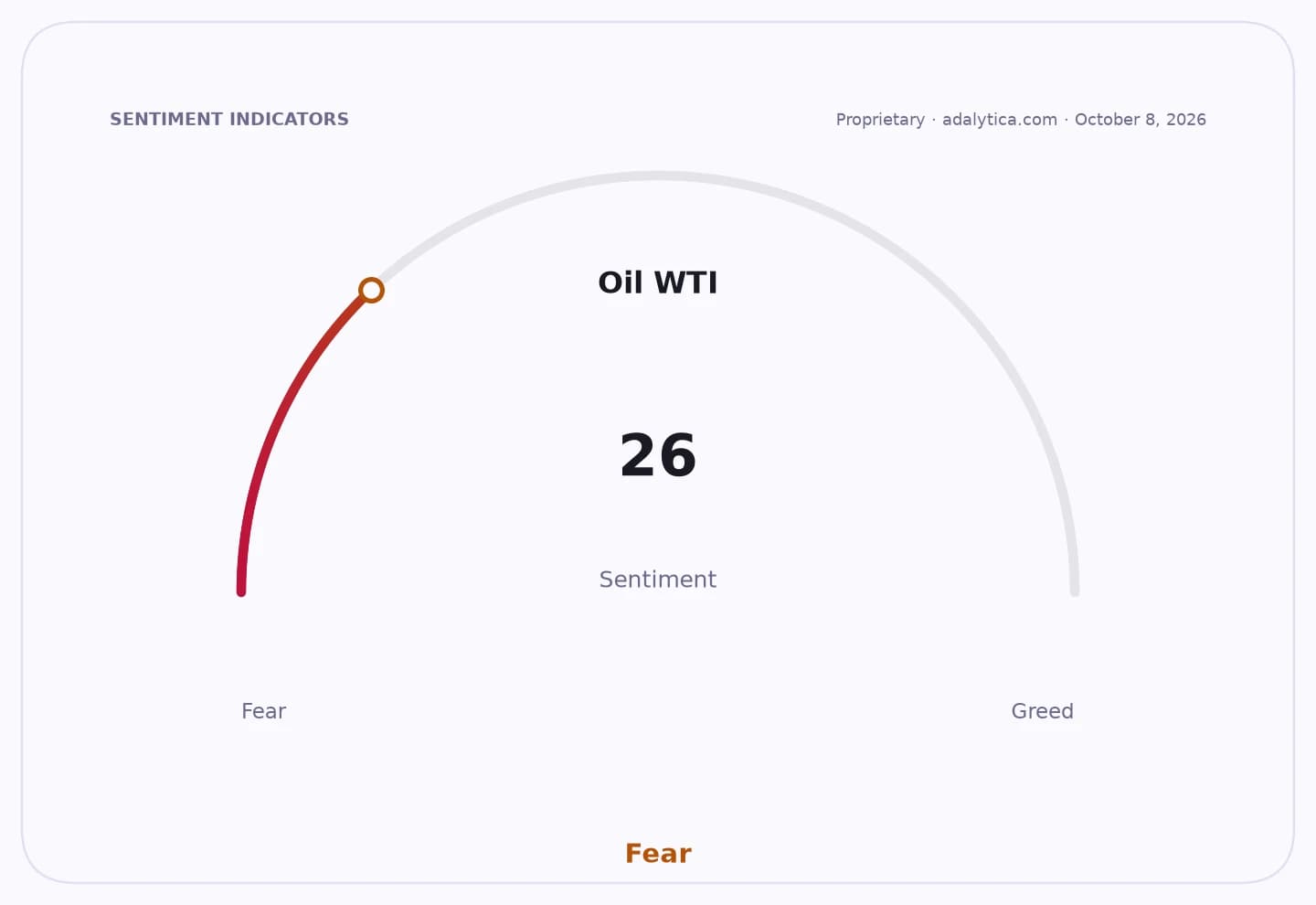
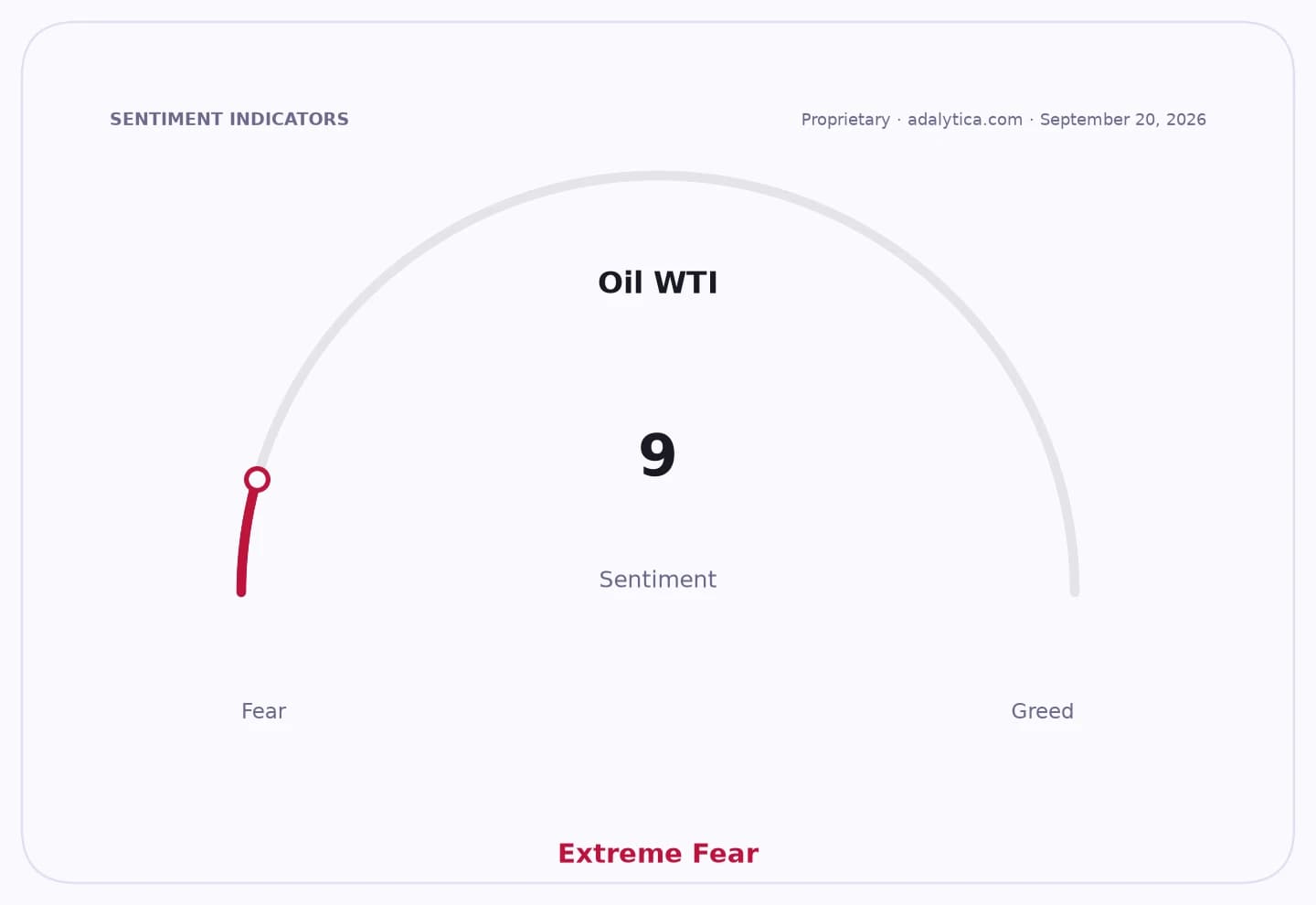
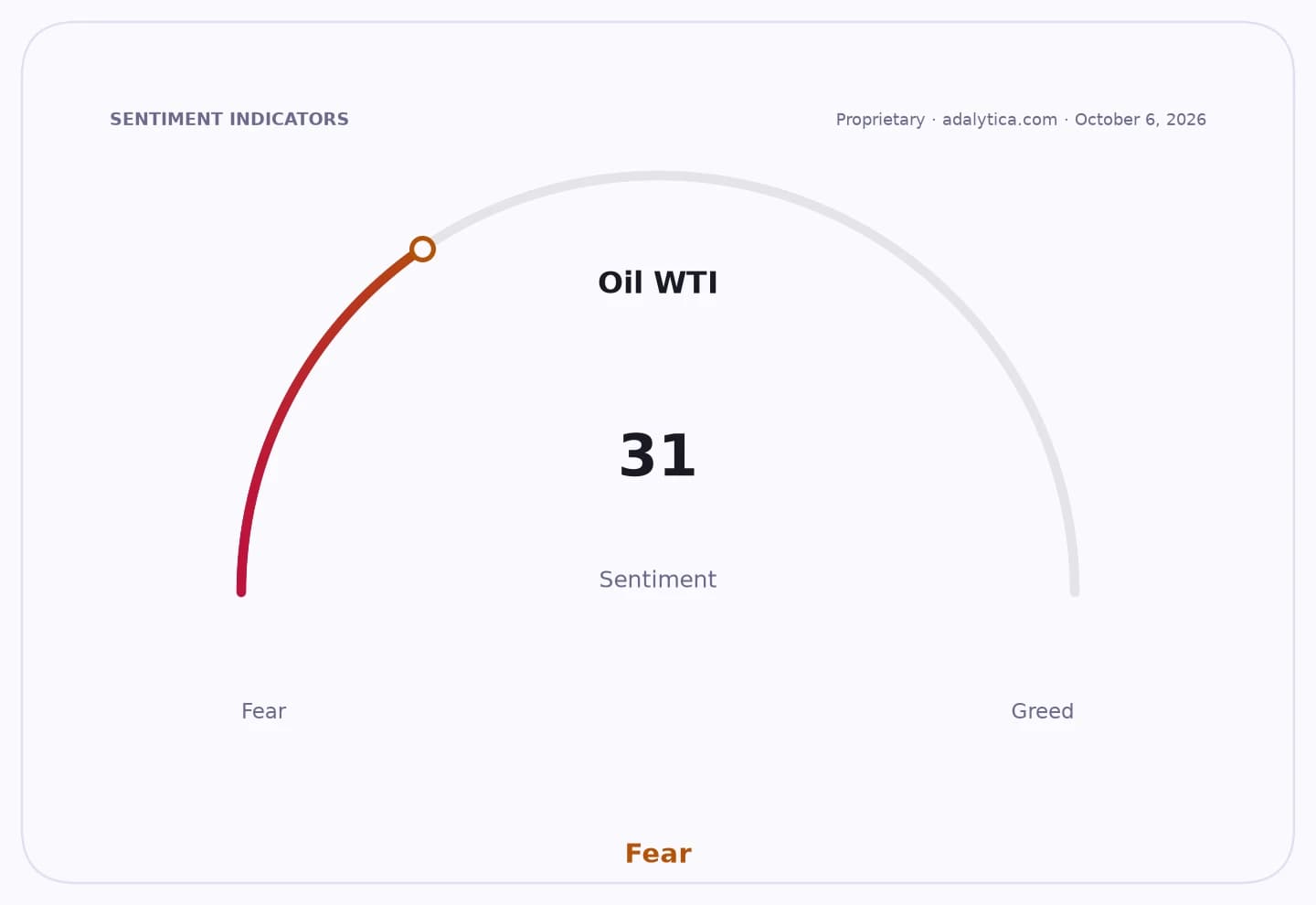
Sentiment IndicatorsⓘProprietary · adalytica.com · October 6, 2026
This is a snapshot — live sentiment, awareness and momentum for 130+ markets update continuously in the dashboard.Open AlphaPulse
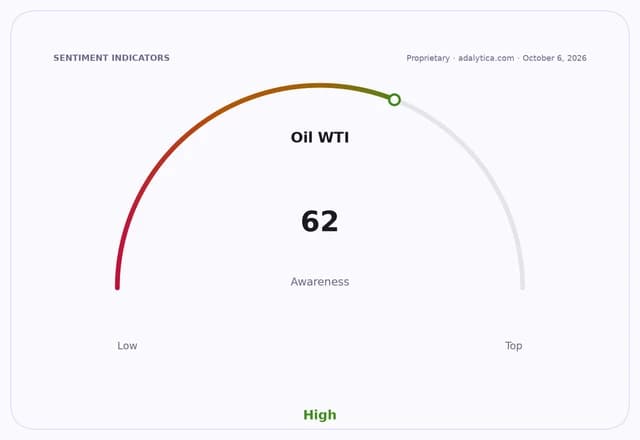
The Houthis said they carried out three “qualitative” operations, including strikes on the airport, the Rabigh refinery and military sites in the kingdom’s south. They also claimed attacks on Abha airport, the Khamis Mushait air base and facilities in Najran and Jizan, while warning international airlines to be cautious flying through Saudi airspace.
Saudi Arabia’s foreign ministry condemned the attacks and said the militia repeatedly targeted civilian sites, economic assets and the kingdom’s holy cities. Riyadh said it retains the right to defend its territory, resources and sovereignty and will take all necessary steps to protect citizens and residents.
Energy markets have been especially sensitive to Middle East escalation because Saudi Arabia is the swing producer of OPEC and a critical supplier to Asia, Europe and the US. Brent and WTI have been trading with elevated volatility, and crude-linked funds such as USO and energy stocks in XLE tend to react quickly when traders price in even a small chance of lost output or shipping delays.
Recent price action shows that nervousness is already embedded in the market. WTI futures last traded around $89.45 a barrel, while USO was at $144.63 and XLE at $63.96, levels that keep oil bulls alert to any fresh supply shock even as short-term technical indicators suggest some cooling from earlier overbought readings.
The geopolitical backdrop is also worsening broader risk appetite. Adalytica’s Global Stability Sentiment gauge points to high fear around conflict risk, underscoring why investors often move first into oil, defense and safe-haven assets when West Asia tensions rise.
For investors, the immediate question is whether the latest strikes remain isolated or widen into a more durable threat to Saudi output, exports or aviation. The next catalyst is likely to be Saudi military retaliation, any confirmation of damage at targeted sites and the reaction in crude futures when trading resumes.
| Entity | Gains | Losses |
|---|---|---|
| Oil bulls / energy stocks | ▲Higher crude risk premium | ▼ |
| Saudi Arabia / Aramco | ▲ | ▼Security costs, disruption risk |
| Houthi militants | ▲Attention, leverage in conflict | ▼Wider retaliation risk |
| Airlines / crude importers | ▲ | ▼Higher route and fuel costs |