The renewed Houthi assault on Yemen and Saudi Arabia is raising the cost of doing business across the Middle East, even as Washington’s latest political noise underscores how fragile the region’s security umbrella remains.
Yemen strikes lift oil and defense risk premium
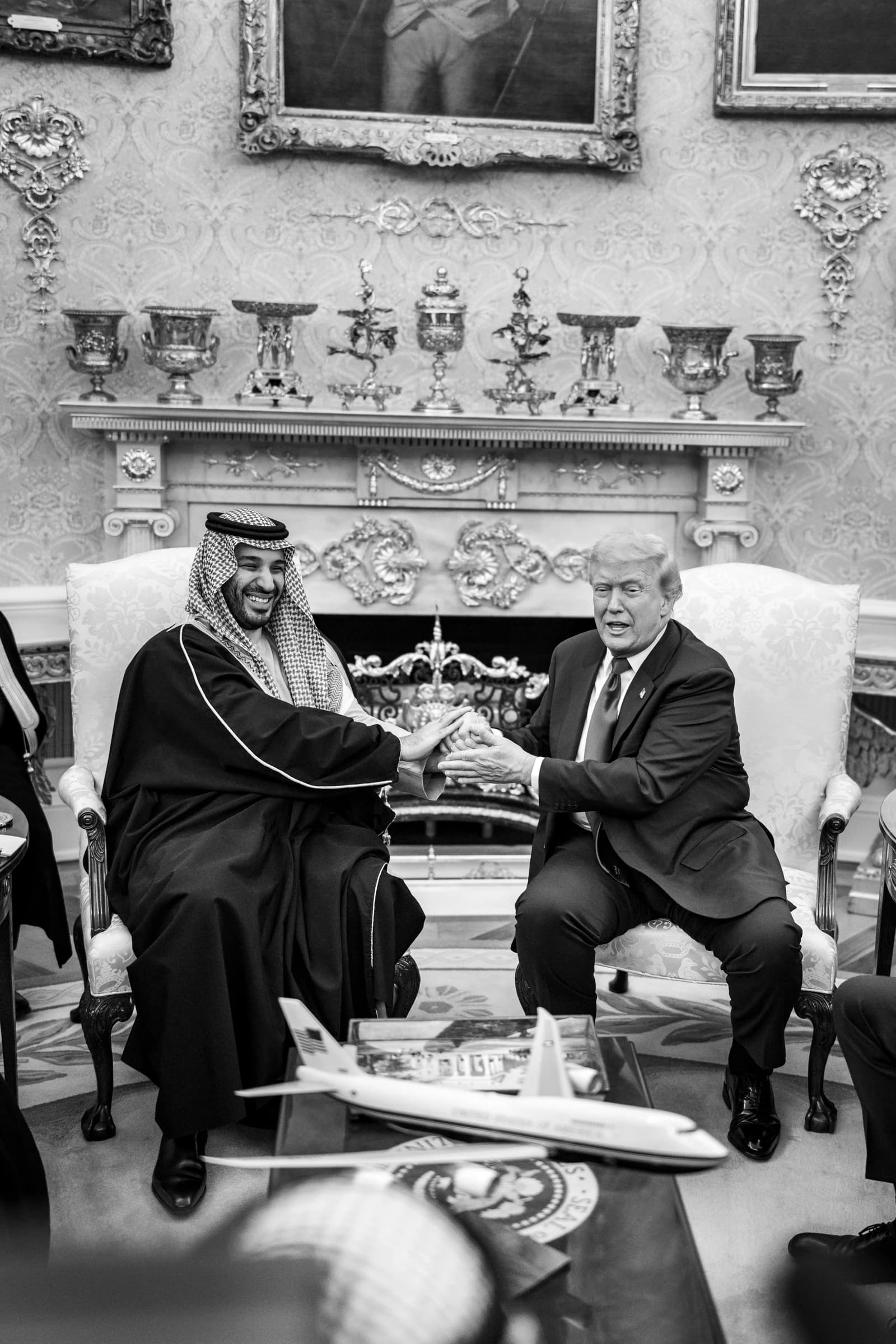
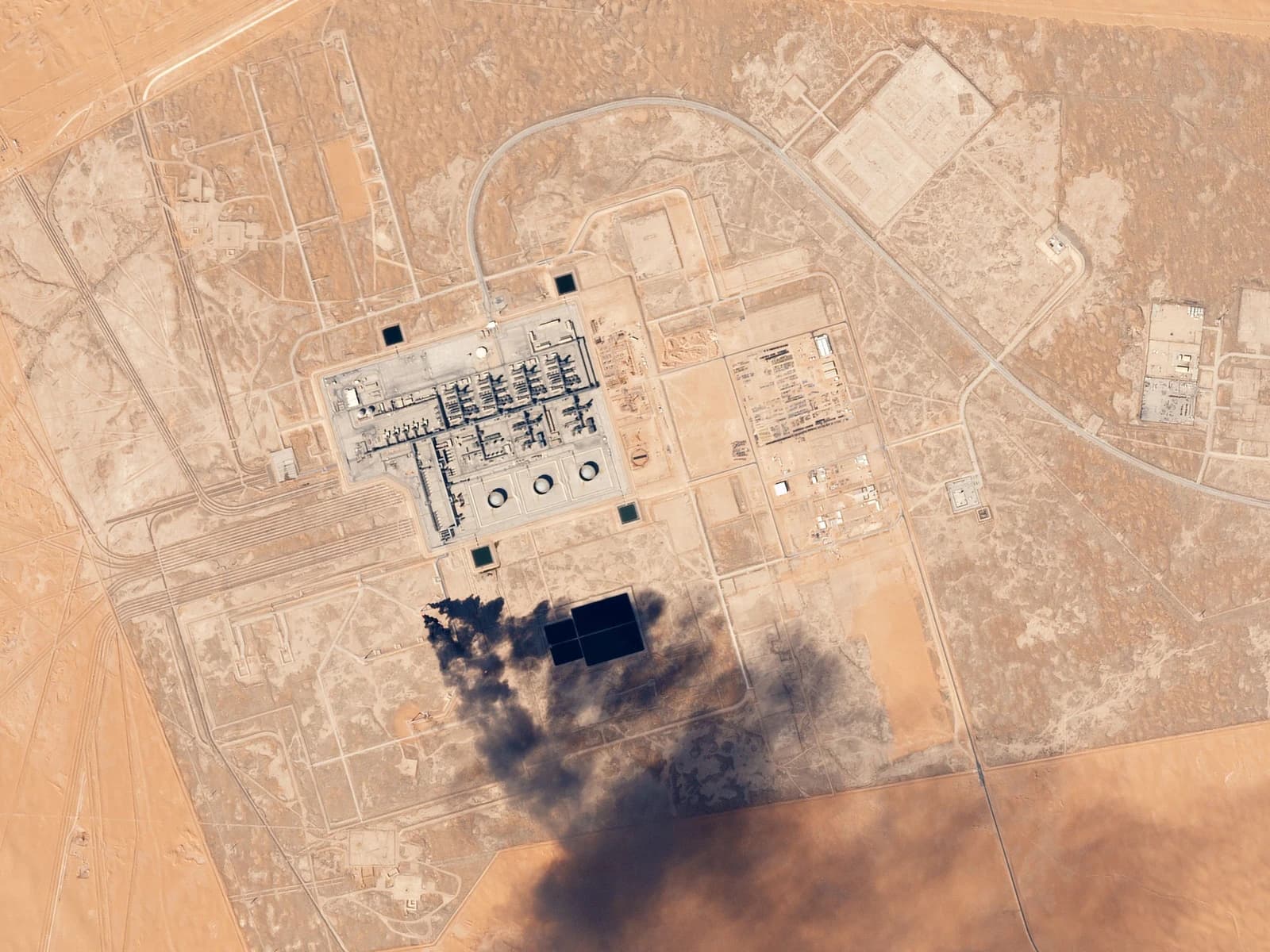
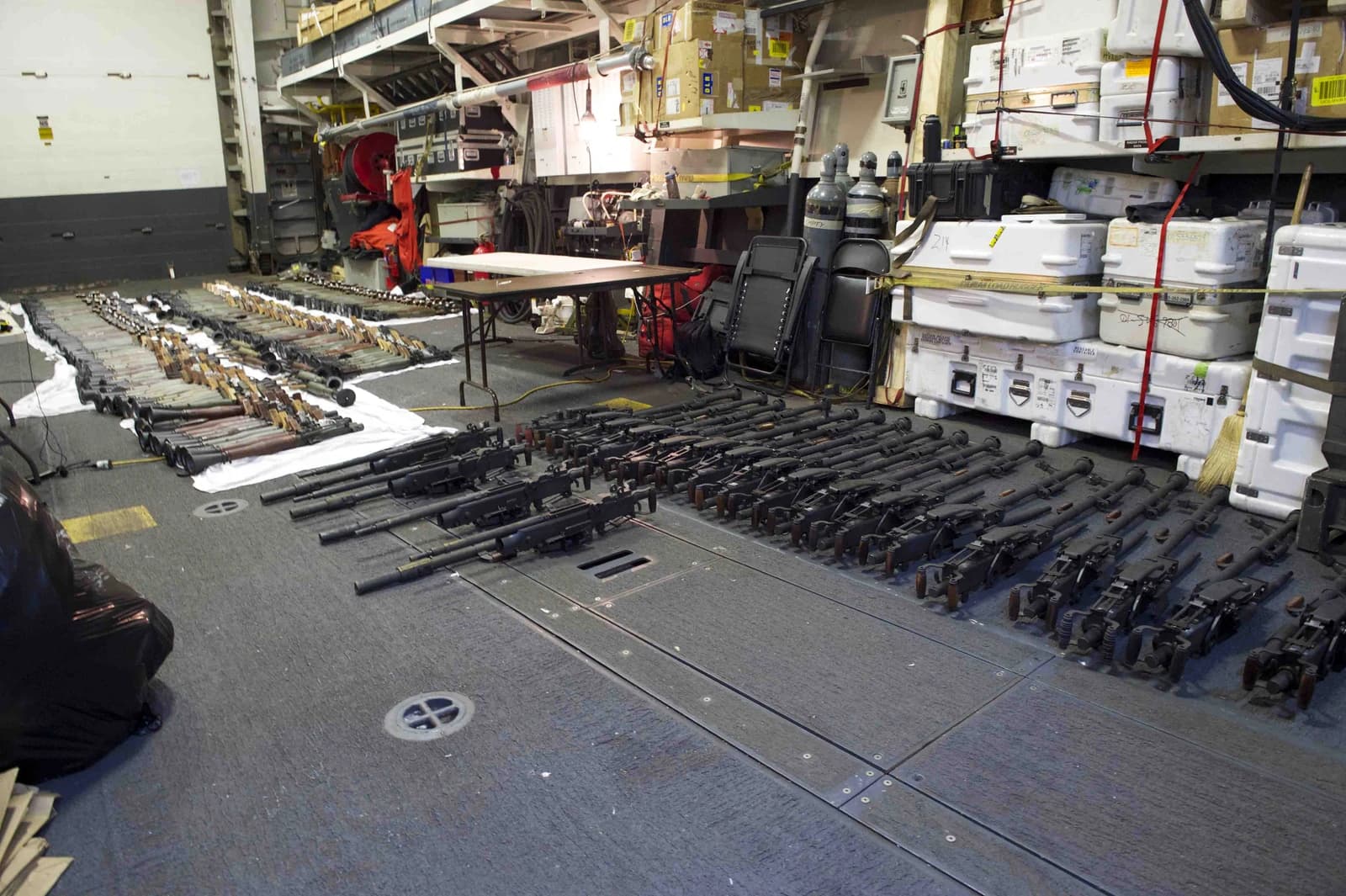
A missile strike on Aden’s al-Ma’ashiq presidential compound killed five people and wounded 16, according to Yemen’s health ministry, while the Saudi-led coalition released video of air strikes on Houthi-held maritime docks, fuel pipelines and storage sites. The violence comes as the conflict again drags in Iran and the United States, reviving questions over whether the fighting could widen beyond Yemen and into Gulf shipping lanes and energy infrastructure.
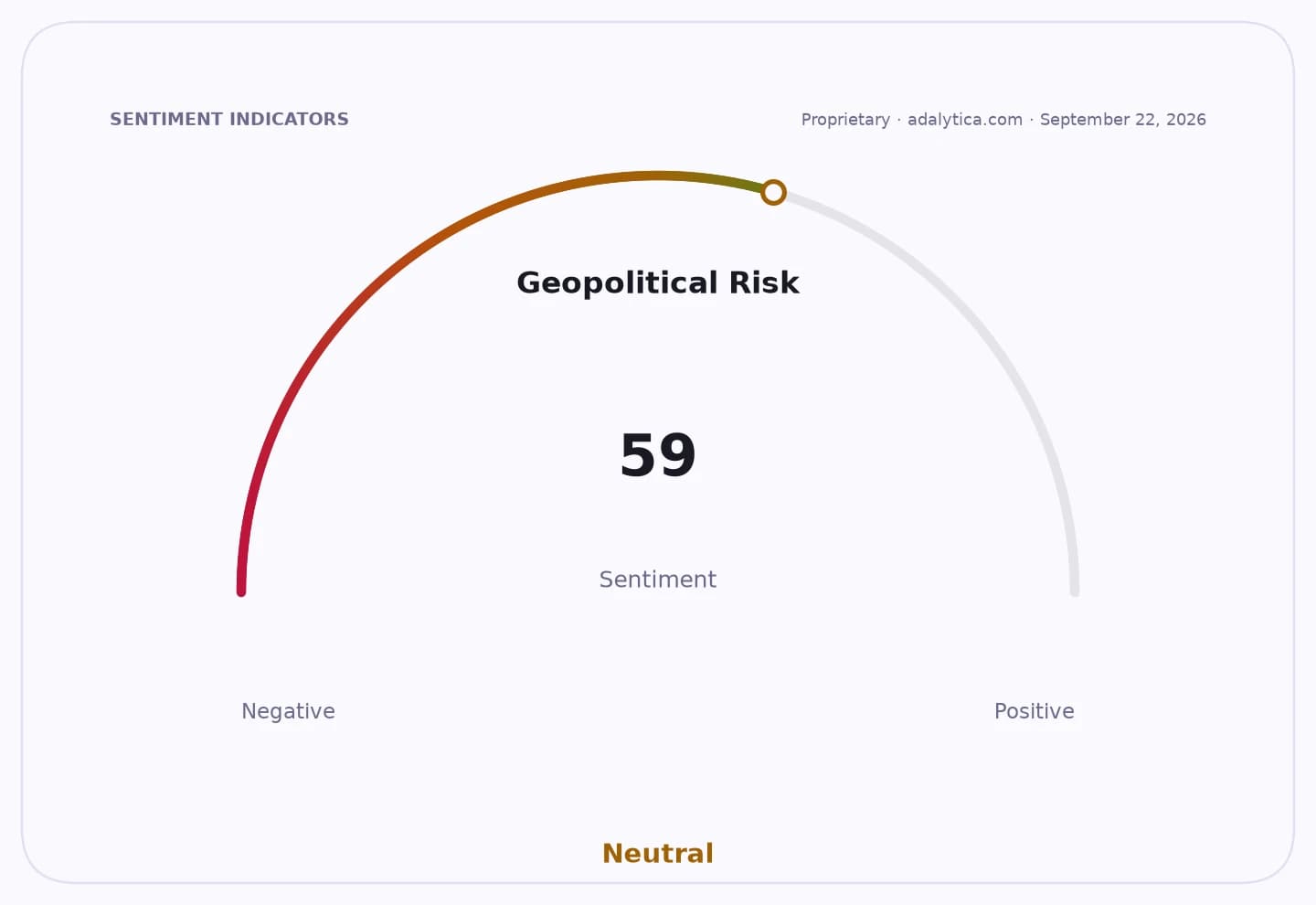
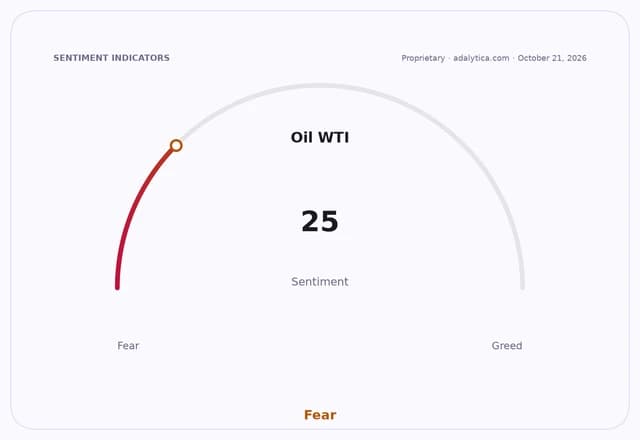
Sentiment IndicatorsⓘProprietary · adalytica.com · October 21, 2026
This is a snapshot — live sentiment, awareness and momentum for 130+ markets update continuously in the dashboard.Open AlphaPulse
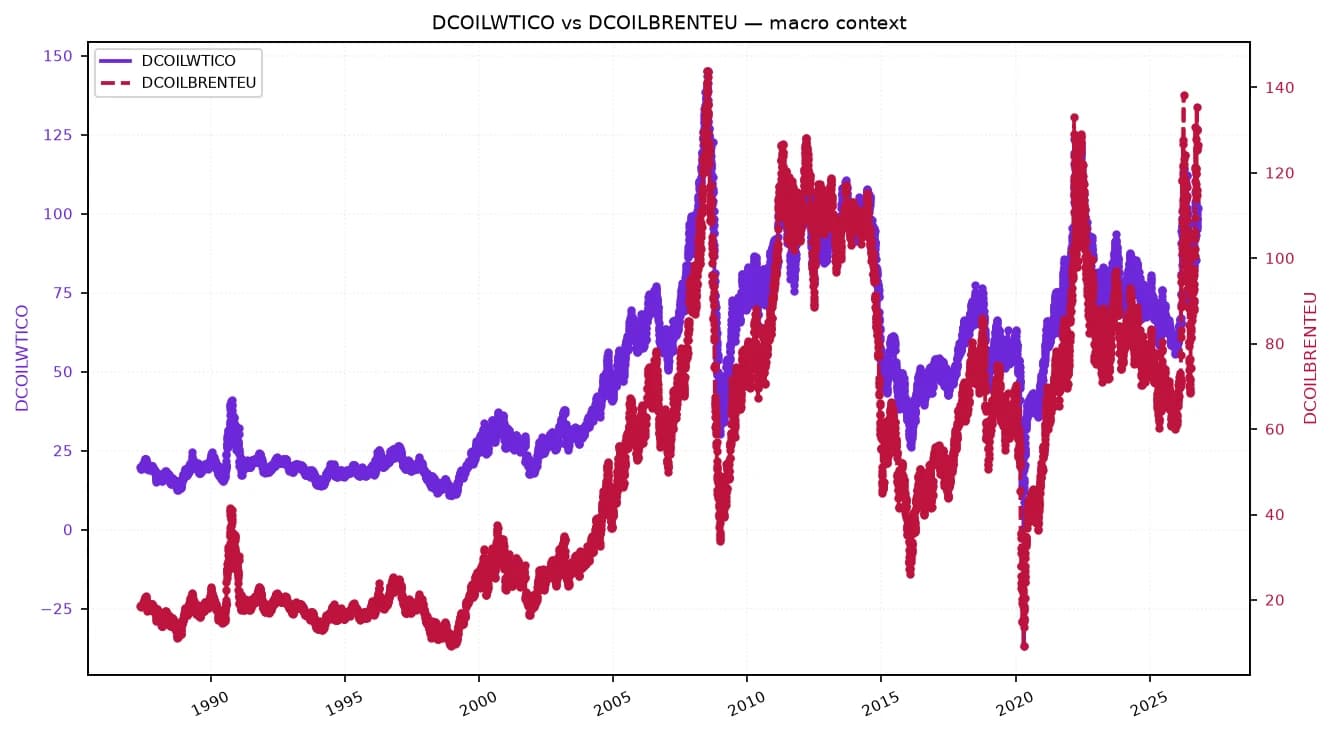
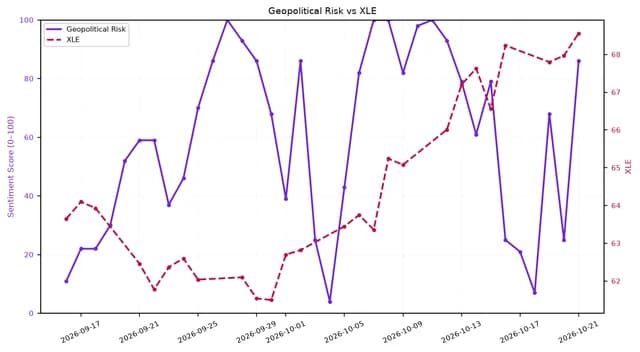
For markets, the key issue is not the battlefield itself but the transmission channel: every escalation that threatens Saudi facilities, ports or nearby transit routes raises the risk premium on crude, insurance and regional logistics. Energy shares have already benefited from that repricing. The XLE energy ETF closed at $68.56 on Oct. 21, near its 50-day moving average of $63.85 and above its 200-day average of $57.34, while the relative strength index at 79.4 suggests the rally is extended. USO, the crude proxy, finished at $160.79, also well above both its 50-day and 200-day moving averages, with RSI at 69.8, reflecting sustained geopolitical demand for oil exposure.
That positioning matters because the market is already paying for a higher risk environment. Adalytica’s Global Stability Sentiment gauge stood at 86, in “Extreme Greed,” while its awareness measure showed “Extreme Fear,” a combination that often appears when investors are quick to seek protection but slow to price in the full tail risk. By contrast, Adalytica’s WTI oil signal remained in “Fear,” suggesting traders are still treating the move as event-driven rather than the start of a deeper supply shock.
The conflict also has clear implications for defense contractors and Gulf security vendors. The ITA iShares U.S. Aerospace & Defense ETF closed at $204.74, below its 50-day moving average of $220.36 and its 200-day average of $229.46, indicating the group has not yet fully reflected the latest escalation. That leaves room for names tied to missile defense, air defense systems and surveillance if the fighting broadens or if Gulf states accelerate procurement.
Trump’s suggestion that Israel should help Saudi Arabia deal with the Houthis adds another layer of uncertainty because it links two separate regional flashpoints: the Gulf war in Yemen and the Israel-Iran shadow conflict. Any perception that Israel could be pulled more directly into Saudi security planning would complicate U.S. diplomacy and increase the odds of retaliatory moves by Iranian-backed groups across the region. It would also sharpen the market’s focus on the Strait of Hormuz, Red Sea shipping and refinery margins.
For investors, the immediate question is whether the escalation stays localized or starts to affect physical flows. If attacks remain concentrated on symbolic or military targets, oil’s risk premium may fade. If they move toward export routes, fuel infrastructure or critical Gulf assets, energy equities, freight rates and defense stocks could all move sharply higher, while airline, industrial and import-sensitive sectors would absorb the cost.
| Entity | Gains | Losses |
|---|---|---|
| Energy producers | ▲Higher oil risk premium | ▼Demand shock if escalation worsens |
| Defense contractors | ▲More missile-defense spending | ▼Delayed if diplomacy prevails |
| Saudi Arabia | ▲Stronger security backing | ▼Higher infrastructure risk |
| Global consumers | ▲None | ▼Higher fuel and shipping costs |