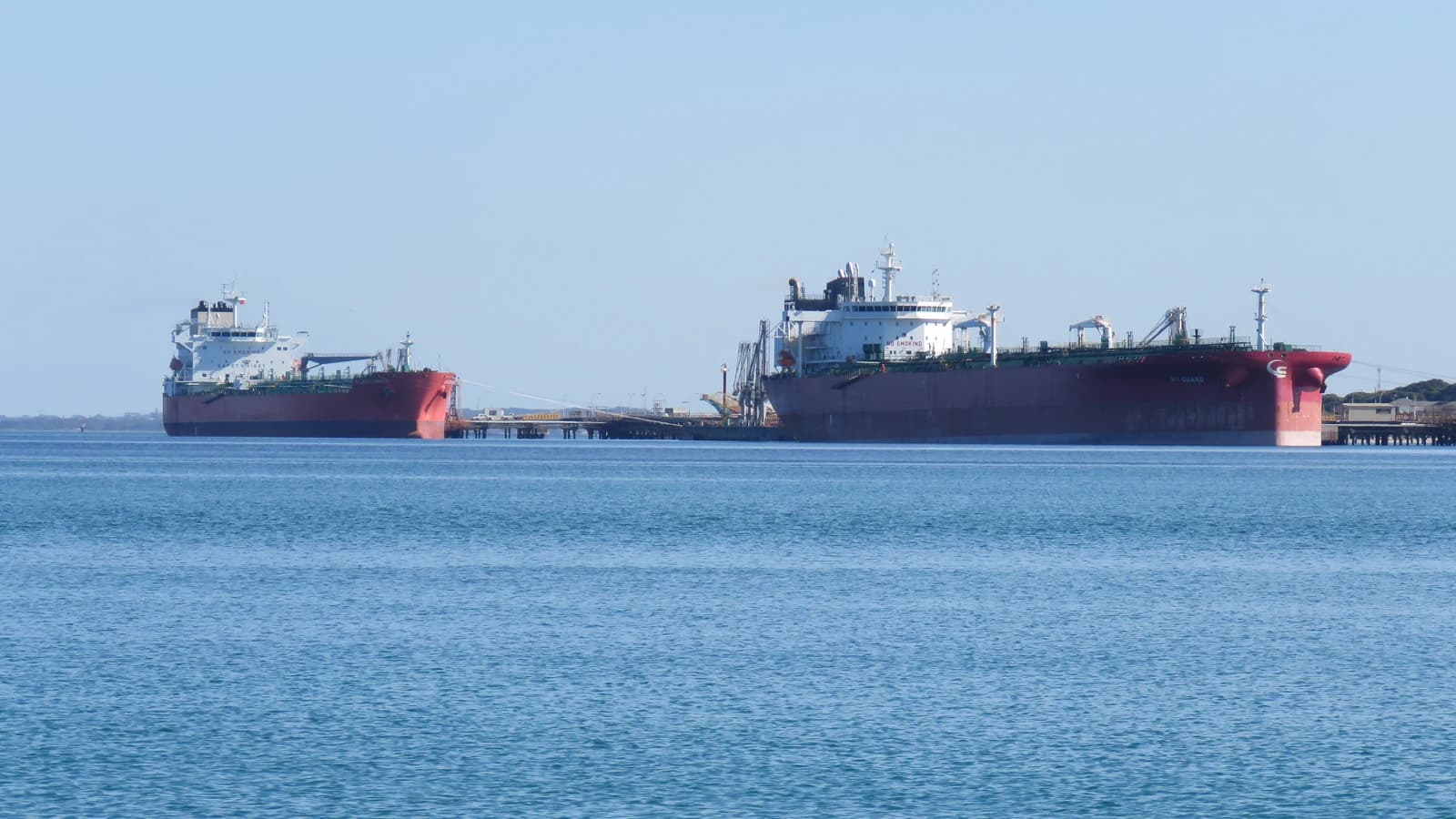
Iran said normal shipping through the Strait of Hormuz could resume within seven days if Washington accepts its terms, sharpening the stakes around the world’s most important energy chokepoint after weeks of attacks on vessels and a surge in crude prices.
Iran Says Hormuz Shipping Could Resume in 7 Days

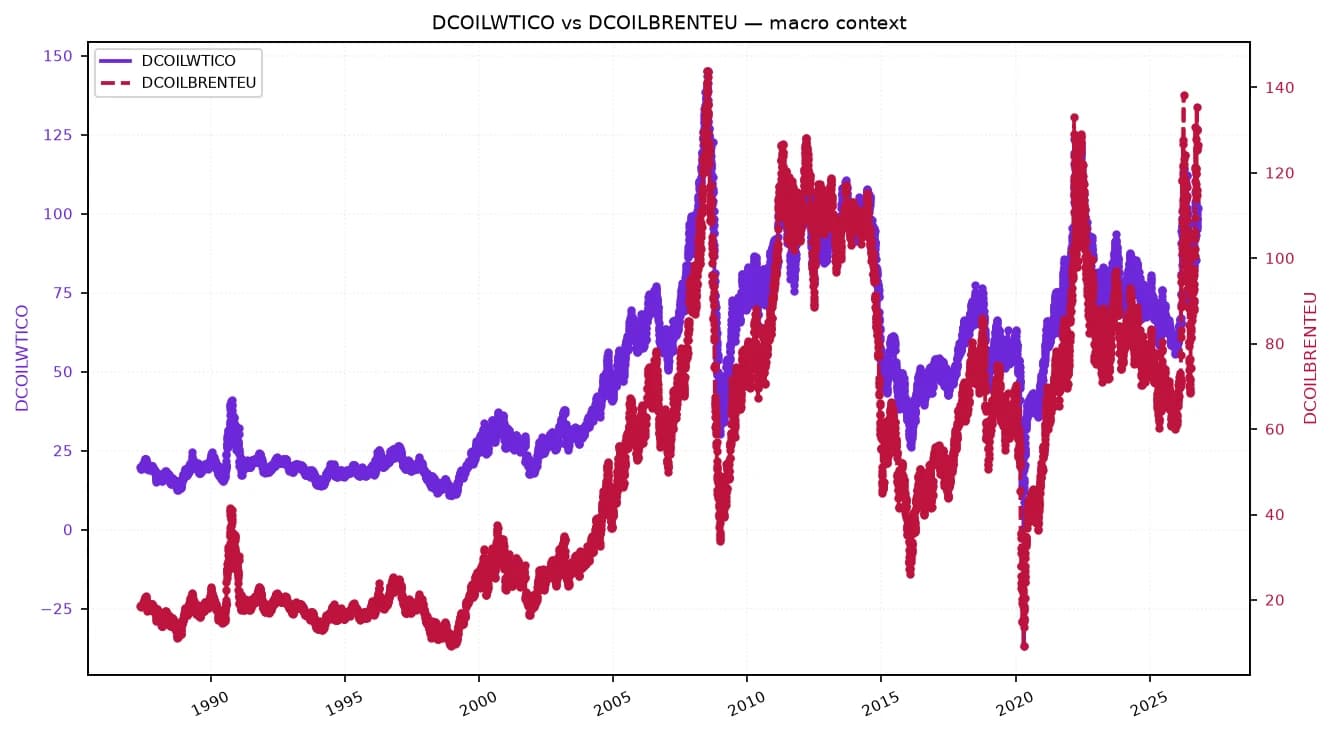
Tehran’s message matters because the strait carries about a quarter of global oil and liquefied natural gas flows, making even a temporary disruption capable of jolting energy markets, inflation expectations and the earnings outlook for producers, refiners and shippers. A reopening would quickly unwind part of the geopolitical risk premium that has lifted Brent to a five-month high and pushed U.S. crude above $100 a barrel.
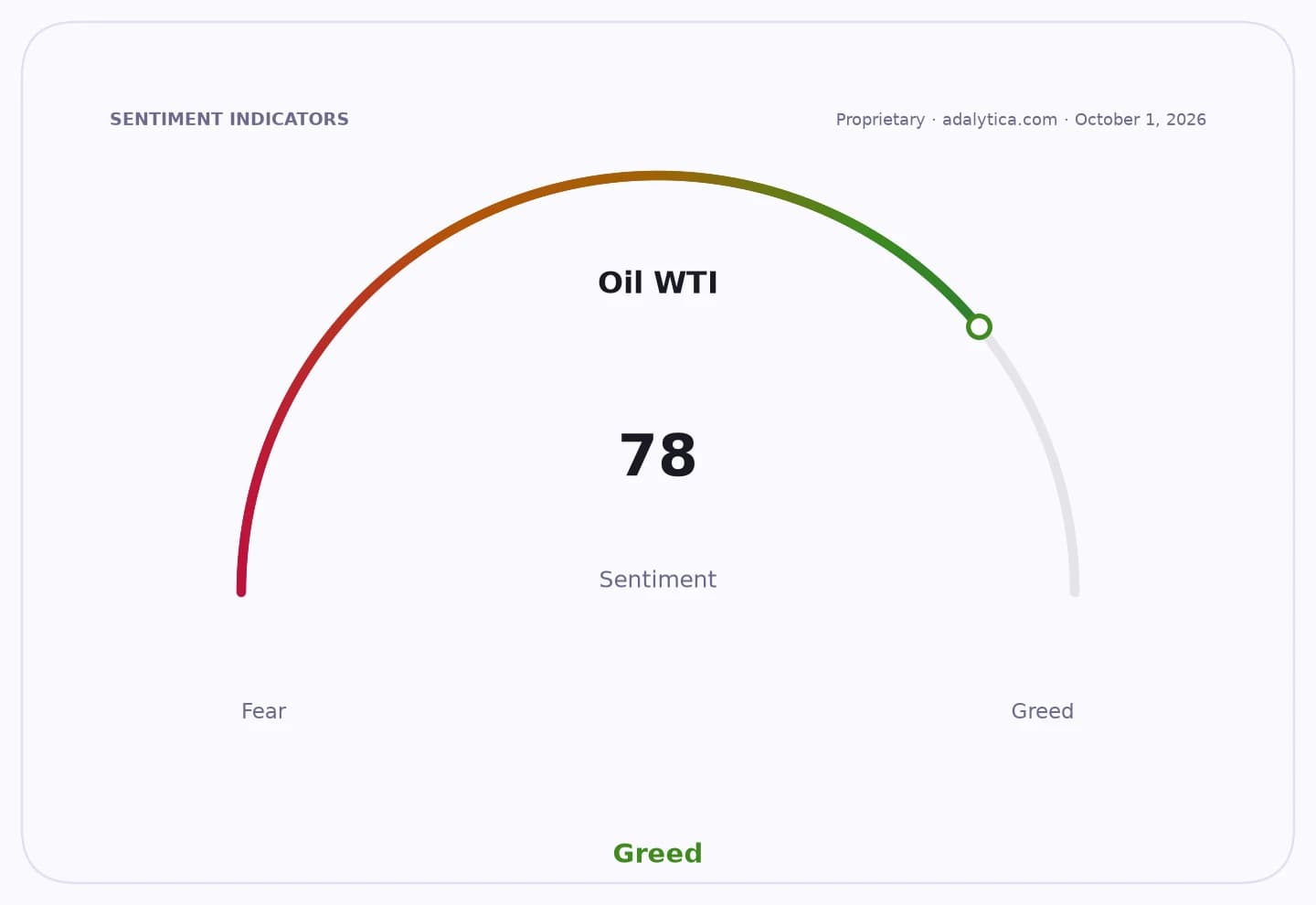
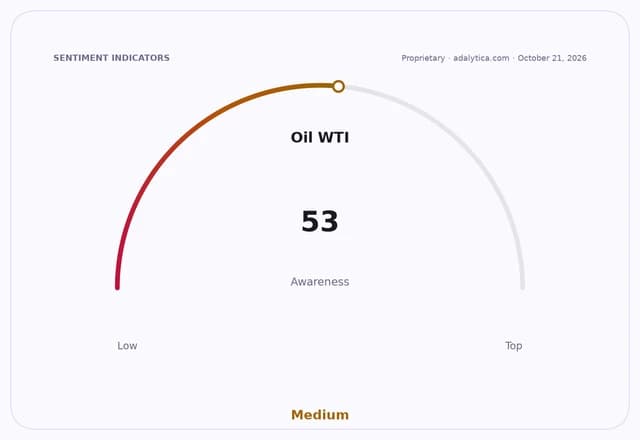
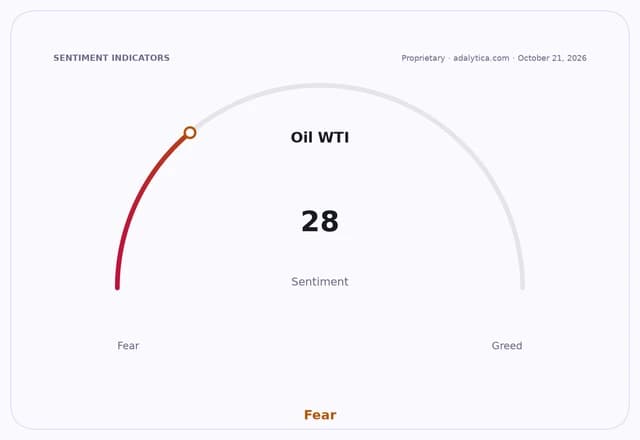
Sentiment IndicatorsⓘProprietary · adalytica.com · October 21, 2026
This is a snapshot — live sentiment, awareness and momentum for 130+ markets update continuously in the dashboard.Open AlphaPulse
Iranian Foreign Minister Abbas Araghchi said Tehran had relayed a peace plan through Qatar that would restore navigation if the US eases naval pressure, relaxes limits on Iranian oil exports and releases some frozen assets. He also linked any deal to a wider end to hostilities, including Israeli operations in Gaza and Lebanon, placing the dispute squarely in the center of regional diplomacy rather than maritime security alone.
Washington has already rejected the demands as unacceptable, and President Donald Trump has signaled he retains military options, while Israeli Prime Minister Benjamin Netanyahu has also ruled out strikes before upcoming elections. That leaves the market with a familiar but dangerous setup: a diplomatic opening with little immediate evidence of compromise, against a backdrop of elevated military risk and no clear off-ramp.
The commercial consequences are already visible. Iranian forces have fired on vessels moving along U.S.-escorted routes they consider illegal, and the latest incidents include a Singapore-flagged container ship that sank after being hit by a projectile and two oil tankers that caught fire after striking mines, according to Iranian Revolutionary Guard claims. Each episode reinforces the view that shipping insurers, tanker operators and cargo owners must price in a higher security burden until the standoff is resolved.
Energy markets have been the clearest transmission channel. Brent settled at $109.86 a barrel on Oct. 16, up 3.7%, while WTI moved back above $100, reflecting not only physical supply concerns but also the cost of uncertainty around Middle East flows. Adalytica’s OPEC policy sentiment gauge remains in fear territory, and its oil-trade signal also sits in fear, underscoring how fragile confidence remains despite occasional hopes of de-escalation.
For investors, the issue is less about whether Hormuz closes formally than whether the risk premium embedded in oil, gas and related equities can fade. Integrated producers such as Chevron and ConocoPhillips, along with service companies like Schlumberger, may benefit from sustained elevated prices, but airlines, industrials, chemical makers and importers face higher fuel and freight costs if the shipping disruption persists. If a deal emerges, the biggest loser would be the war premium itself; if talks fail, energy bulls may keep control, but so may inflation.
The immediate test is whether Washington and Tehran can find a narrow maritime understanding without forcing a broader political settlement. Until then, the Strait of Hormuz remains less a shipping lane than a daily referendum on geopolitical risk, and markets will continue to trade it that way.
| Entity | Gains | Losses |
|---|---|---|
| Oil producers | ▲Higher realized prices | ▼Lower if risk premium fades |
| Oil importers / airlines | ▲Lower fuel costs if deal succeeds | ▼Margin pressure from expensive crude |
| Tanker operators / insurers | ▲Higher freight and premiums | ▼Operational risk and vessel losses |
| US-Iran diplomacy | ▲Chance to de-escalate | ▼Failure if demands remain incompatible |