Oil prices eased on Oct. 16, but Brent, WTI and Urals were still on track for a weekly rise as traders priced in escalating supply risks from the Middle East and a larger-than-expected draw in U.S. crude inventories.
Oil prices rise on Middle East supply risks
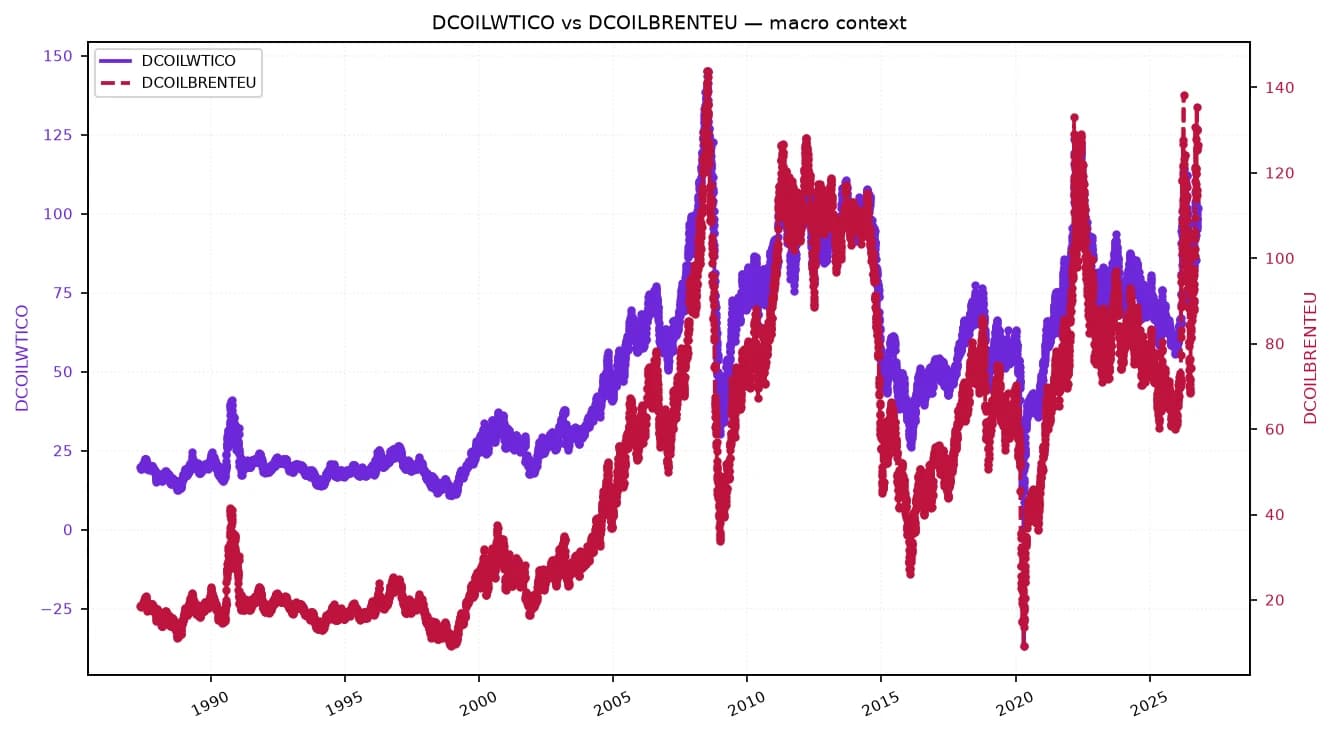
Brent crude futures fell 67 cents to $105.21 a barrel in early trading, while West Texas Intermediate slipped 79 cents to $97.20. Even with the pullback, the benchmark contracts were holding gains for the week after WTI jumped more than 3% on Thursday following a sharp drop in U.S. crude stocks tied to hurricane-related production outages.
The bigger driver for investors is the risk premium building around the Strait of Hormuz and broader Gulf supply routes. ING analysts said uncertainty over flows through the chokepoint is lifting prices, and that only a deal between the U.S. and Iran would meaningfully cool the market.
The tension is being reinforced by conflict in Yemen, where Houthi fighters attacked the presidential compound in Aden, keeping the geopolitical backdrop tense for energy traders. The International Energy Agency has moved to release more than 20 million barrels of diesel and residual oil from reserves, but Haitong Futures said traders remain unconvinced these measures will calm the market without a clear easing in hostilities.
Washington is also weighing sanctions relief for part of Russia’s so-called shadow fleet in an effort to curb freight costs that have surged to record levels, underscoring how transport bottlenecks are feeding into crude and product prices. For refiners, importers and fuel distributors, that keeps margins and replacement costs unstable even when crude pauses.
The immediate focus is whether Middle East headlines add to the week’s gains or trigger another spike in volatility. If supply fears persist, oil-linked ETFs and energy producers stand to benefit, while airlines, refiners and fuel-heavy industries remain exposed to higher input costs.
| Entity | Gains | Losses |
|---|---|---|
| Energy producers | ▲Higher realized prices | ▼Demand-sensitive users |
| Oil-linked ETFs | ▲Upward price momentum | ▼Traders short crude |
| Importers and refiners | ▲Temporary reprieve on dips | ▼Higher feedstock costs |
| Airlines and fuel users | ▲Lower prices if tensions ease | ▼Margin pressure from spikes |