Britain’s deployment of RAF Typhoon jets to Saudi Arabia is the clearest sign yet that the Iran war is widening into a regional security crisis with direct economic consequences for oil, shipping and defence spending.
Britain deploys Typhoons to Saudi Arabia
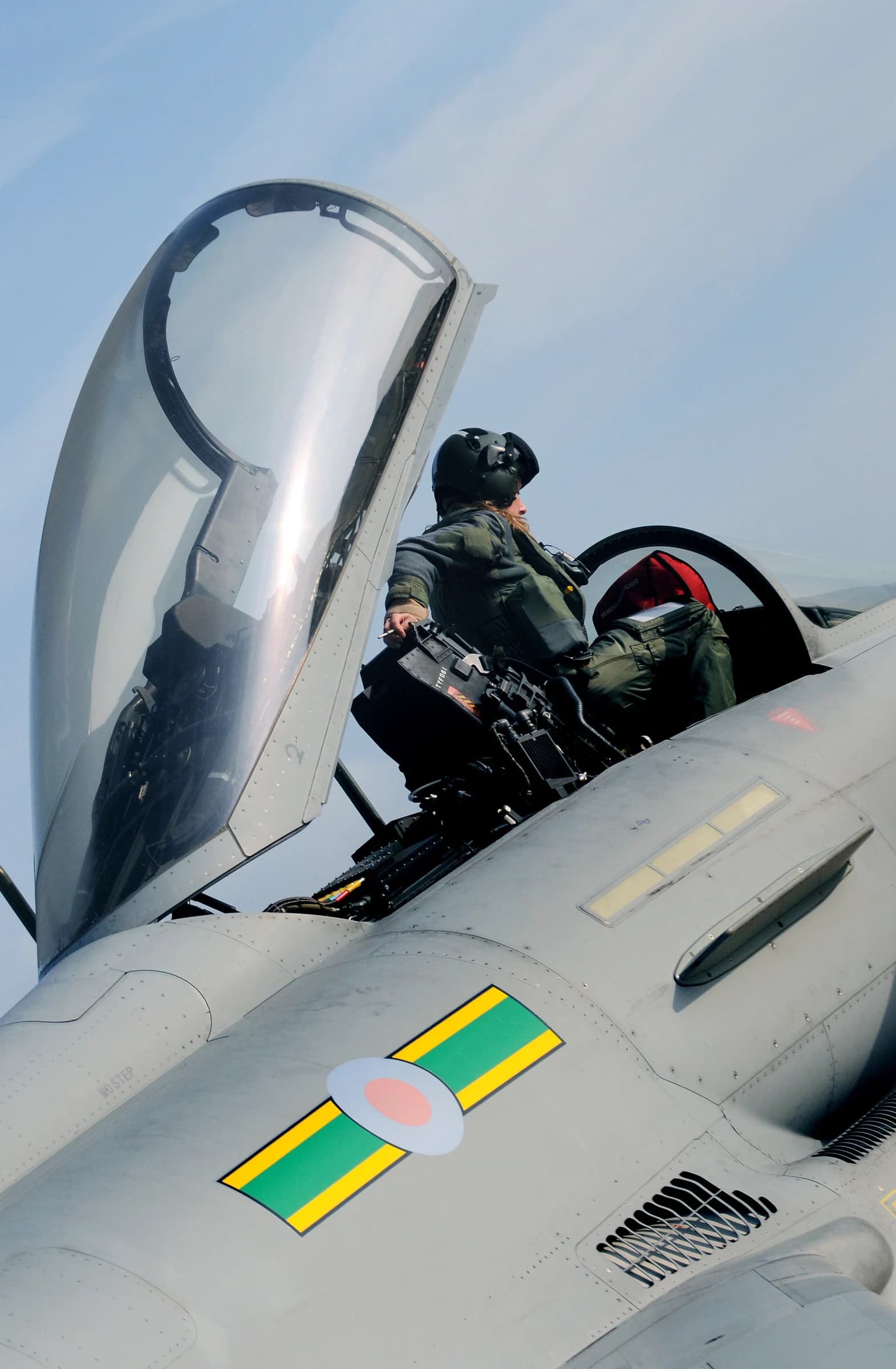
The move matters because the Red Sea and Bab al-Mandab are not just battlefields; they are chokepoints for global trade and energy flows. When the UK says it is acting to protect “international shipping” and Saudi infrastructure, it is acknowledging the real market risk: a broader conflict can hit crude supply, raise freight costs and keep defence procurement on a higher footing for years.
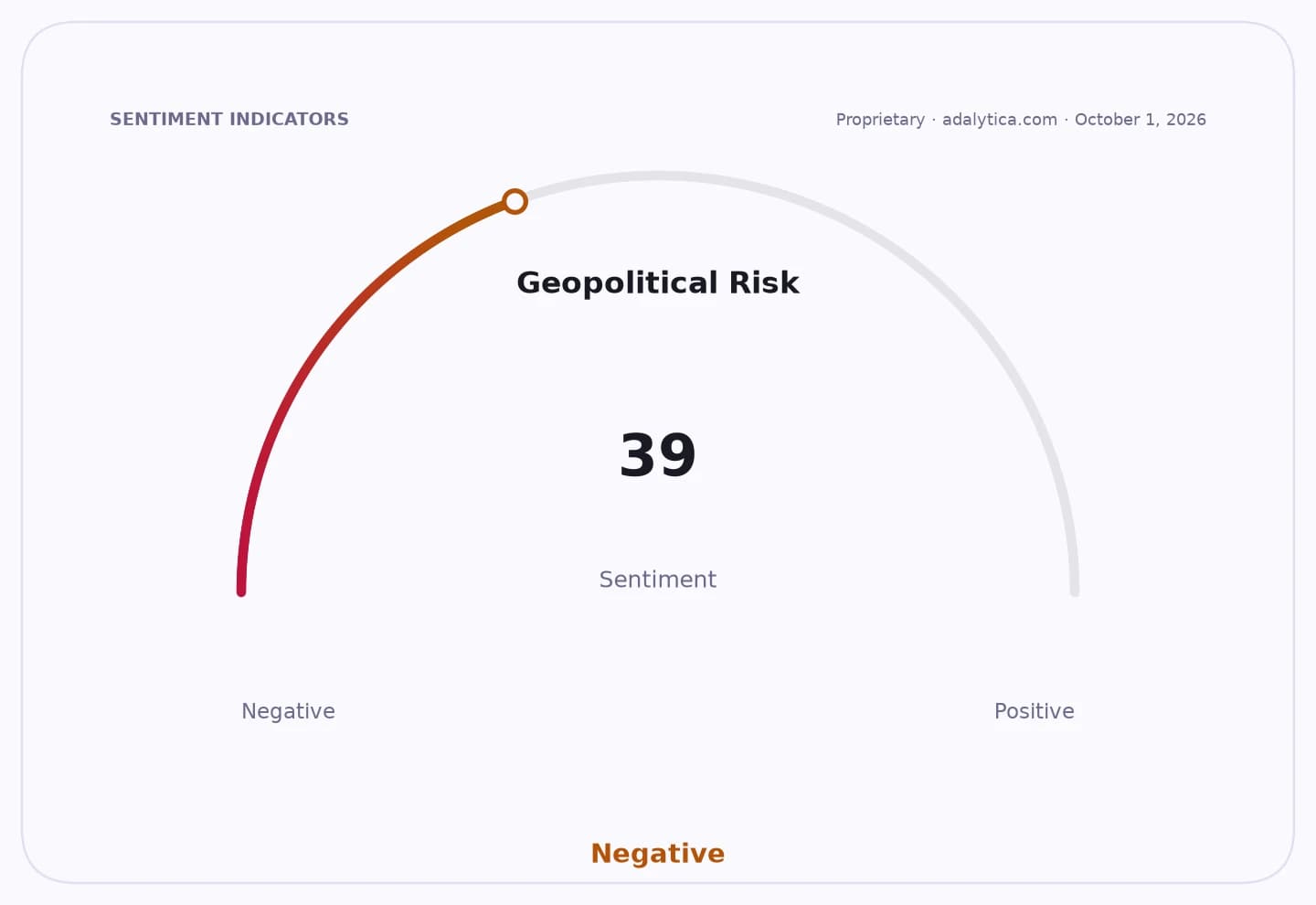
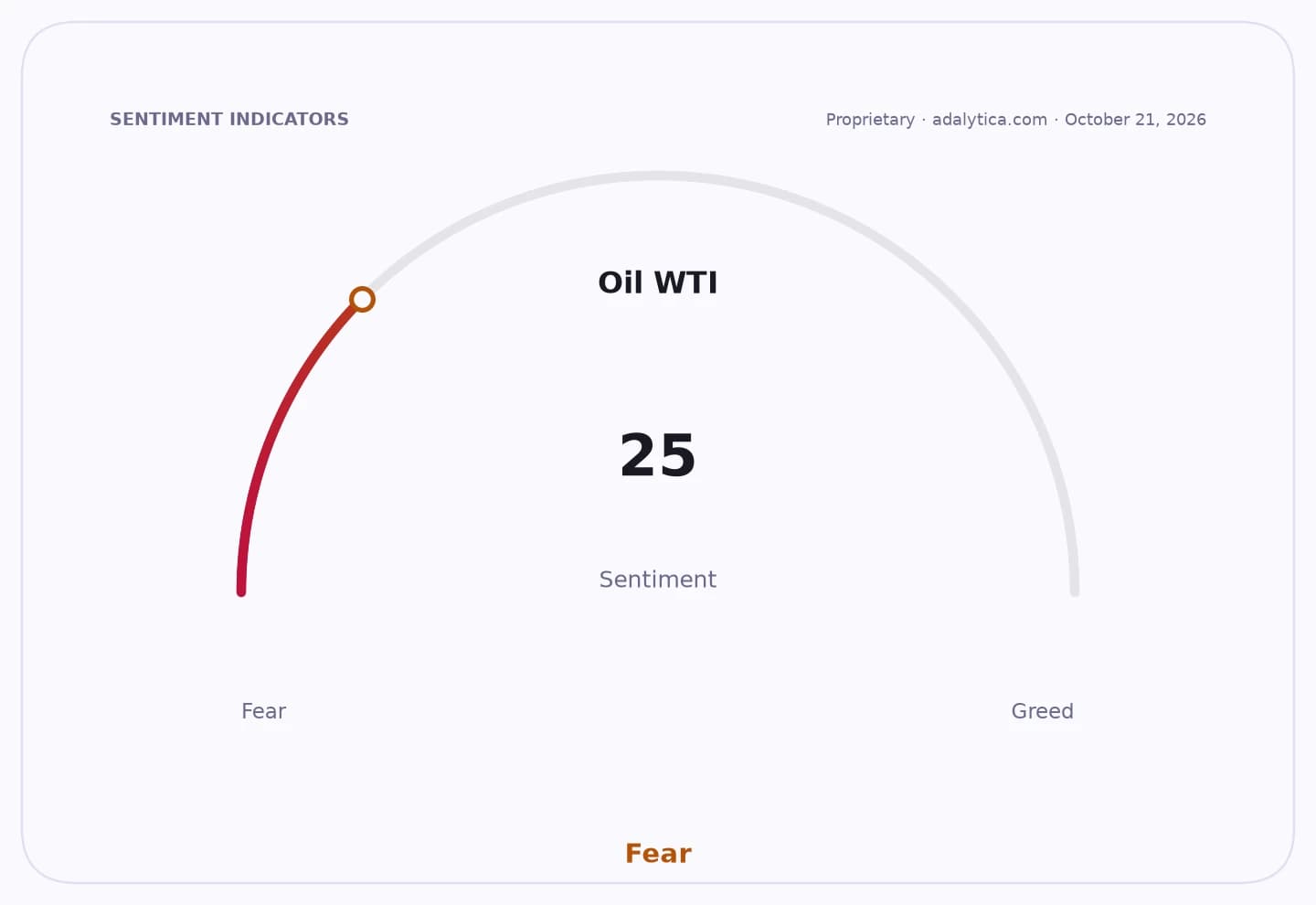
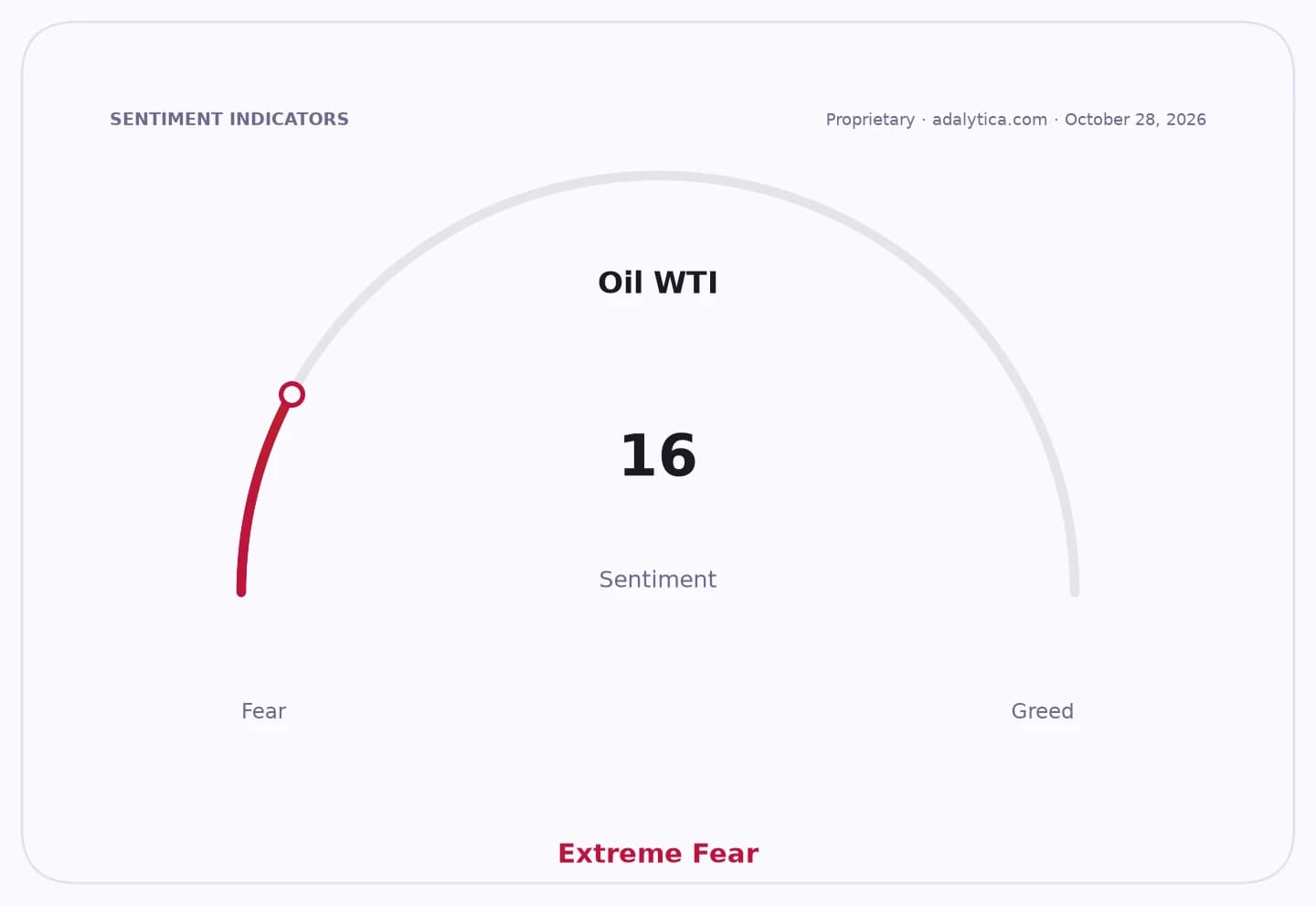
Sentiment Indicators
That risk is already visible in markets. Brent-linked US oil exposure through the USO fund is trading at 166.57, far above its 50-day and 200-day moving averages of 148.65 and 123.02, while the energy sector ETF XLE has climbed to 68.45, also above both major trend lines. Those are the hallmarks of a market pricing persistent geopolitical stress, not a temporary headline spike. With the 10-year Treasury yield near 4.94% and investor fear in long-duration bonds still extreme, the backdrop is one of expensive capital and renewed demand for hard assets and defense cash flows.
For investors, the bigger story is not the jets themselves but the second-order beneficiaries. Higher tension in the Gulf supports energy producers, tanker and shipping-related names, missile defense contractors and broader aerospace-defense complex stocks. The iShares U.S. Aerospace & Defense ETF, ITA, remains above its 50-day average even after a pullback, suggesting the market continues to reward the sector’s structural backlog and emergency spending optionality. In a world where the US is warning Gulf states of another flare-up with Iran and European powers are racing to harden their positions, defense budgets are not likely to revert quickly.
Saudi Arabia has become the axis of that scramble. Britain’s support — from refuelling and logistics to fighter cover — is not only about Houthi drones and missiles; it is part of a wider contest over sea lanes, energy security and influence in the Gulf. France, Italy, Greece, Egypt, Turkey and Pakistan are all moving in parallel, underscoring how quickly a “defensive” posture can harden into a broader military alignment.
The market takeaway is straightforward: treat the Red Sea escalation as a medium-term bullish catalyst for energy and defence, while staying cautious on transport, airlines and any importer vulnerable to another jump in oil. The market underestimates how long this regional scramble can last, and the best-positioned investors should be leaning into the toll-collectors of conflict, not the routes exposed to it.
| Entity | Gains | Losses |
|---|---|---|
| XLE energy ETF | ▲Higher oil prices | ▼Refining margin volatility |
| USO oil fund | ▲Geopolitical premium | ▼Demand destruction risk |
| ITA defense ETF | ▲New defense demand | ▼Policy reversals |
| Shipping/importers | ▲— | ▼Higher freight and fuel costs |