Brent crude’s retreat from recent highs is reviving expectations for another gap up in energy shares and oil-linked contracts, even as the benchmark remains elevated enough to keep inflation and earnings forecasts under pressure.
Brent crude above $110 keeps energy shares supported
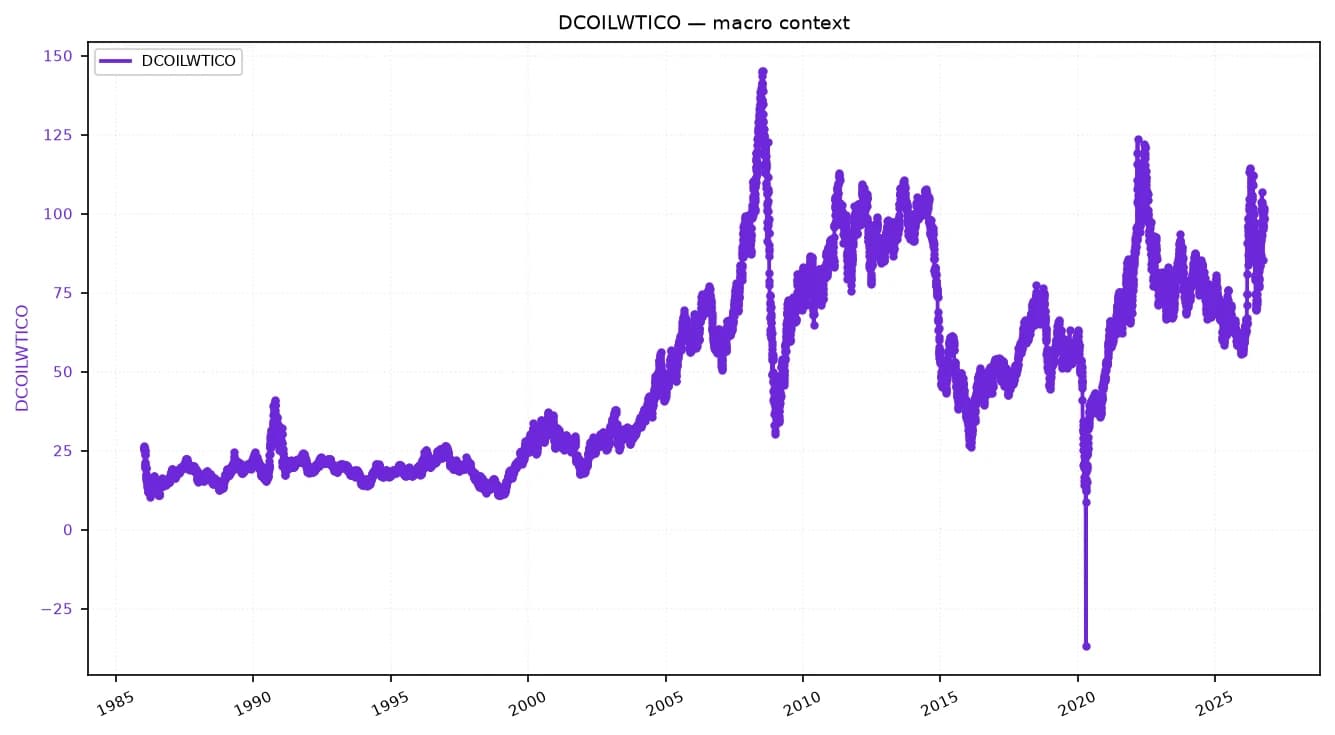
The core market story is not that oil has collapsed — it has not. It is that Brent has cooled just enough after a rapid run to leave traders positioning for a fresh opening jump if geopolitical risk flares again or if the market decides the pullback was only a pause. Brent futures have been hovering above $110 a barrel in the latest move, close to a five-month high, after Saudi infrastructure attacks sharpened fears of supply disruption.
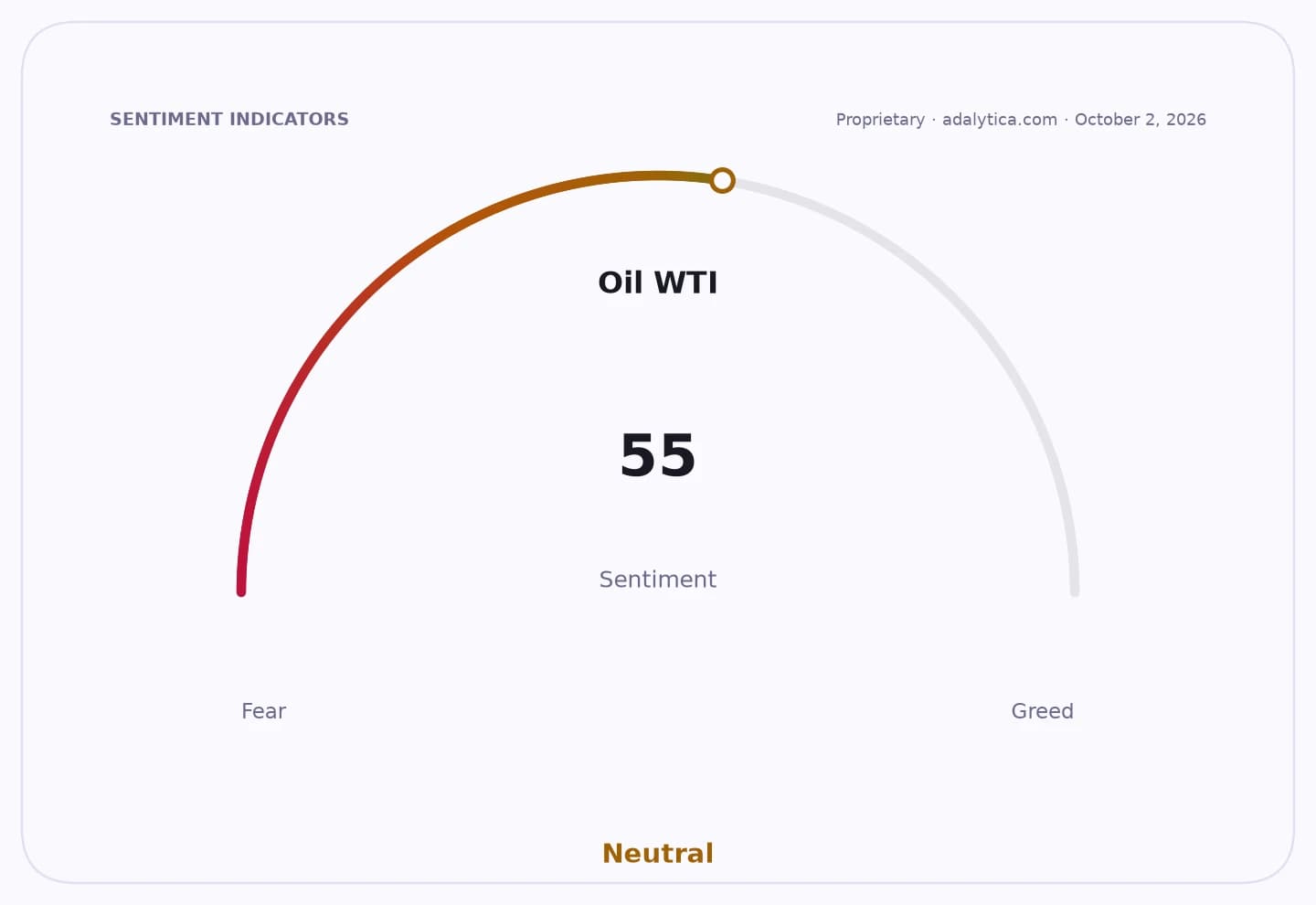
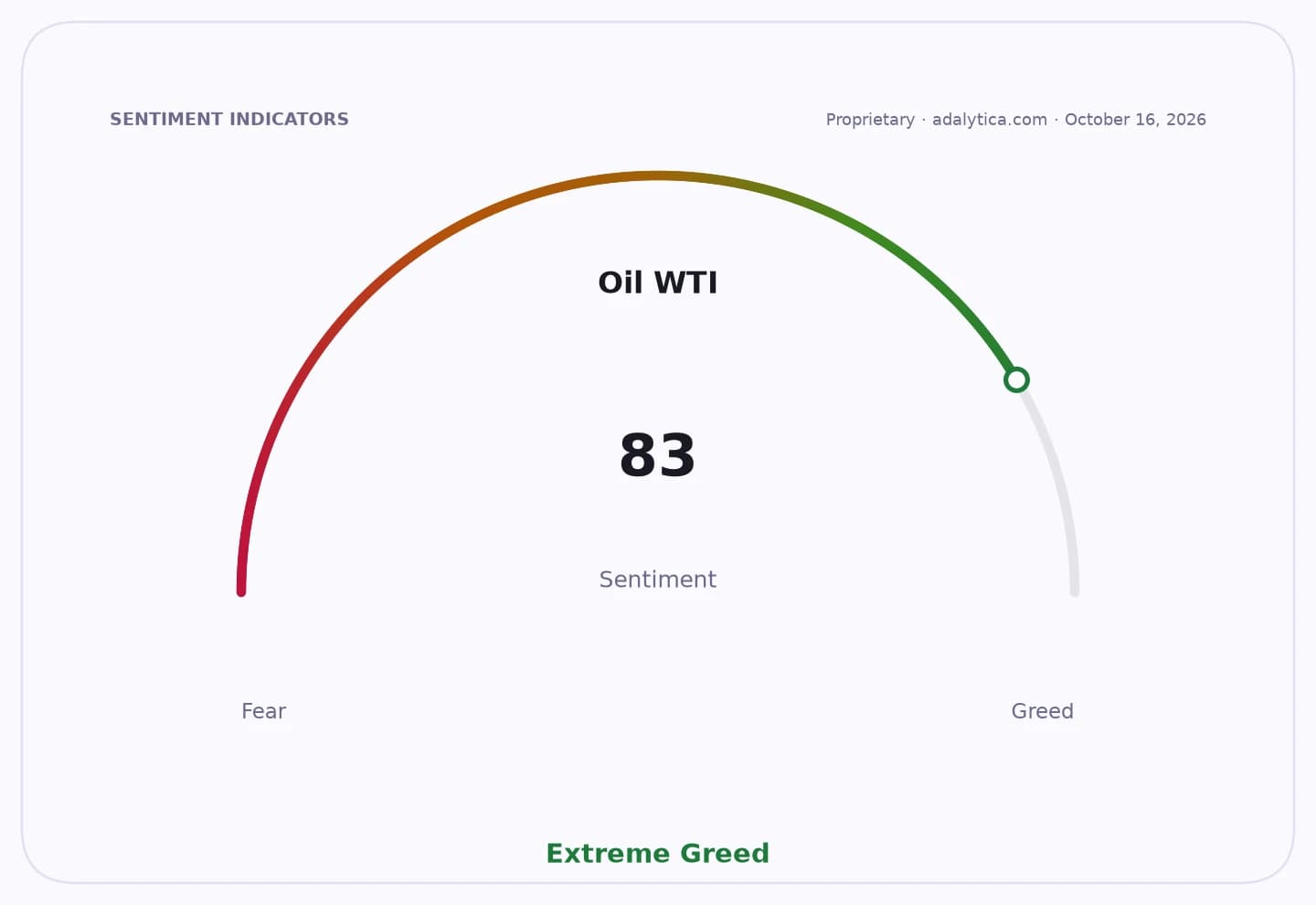
Sentiment IndicatorsⓘProprietary · adalytica.com · October 22, 2026
This is a snapshot — live sentiment, awareness and momentum for 130+ markets update continuously in the dashboard.Open AlphaPulse

That matters economically because oil prices remain one of the fastest channels through which geopolitics feeds into global inflation, trade balances and policy expectations. A Brent price north of $110 implies a heavier import bill for consumers outside the United States, tighter margins for refiners and airlines, and a larger tax on discretionary spending. It also complicates the inflation fight for central banks, especially if energy costs remain sticky while the U.S. 10-year yield sits around 5.1%, keeping financial conditions tight.
The immediate market response has been consistent with that risk premium. BNO, the Brent oil ETF, closed at $68.04 on Oct. 22 after touching a high of $68.78, well above its 50-day moving average of $59.21 and 200-day average of $48.56. Its RSI reading of 76.1 suggests the fund is still technically extended, but momentum remains intact. USO, a proxy for U.S. oil prices, ended at $161.00 on Oct. 22, also above both its 50-day and 200-day averages, with an RSI of 75.9. XLE, the energy sector ETF, slipped to $66.85 after recent gains, but remains near record levels relative to its moving averages, underscoring how quickly investors have re-priced upstream cash flow.
The economic transmission is straightforward. Higher crude prices lift revenues for producers such as Chevron and ConocoPhillips, whose filings show realized prices move sharply with benchmark crude. They also support energy equities more broadly, helping explain why the sector has outperformed even as broader market sentiment, as captured by Adalytica’s S&P 500 trade signals, sits in “Extreme Fear.” By contrast, refiners, airlines and other fuel-intensive businesses face a direct cost hit. Delta and United have both flagged materially higher fuel expenses in recent quarters, a reminder that sustained crude strength quickly filters into operating margins.
For investors, the key question is whether this is a durable repricing or just a tradeable spike. The bull case is that supply remains vulnerable, especially if Middle East disruptions persist, and that inventories and spare capacity may not be enough to offset a shock. The bear case is that some of the recent move has already been absorbed, leaving crude vulnerable to profit-taking unless the next geopolitical headline is worse than the last. Adalytica’s Oil WTI Trade Signals snapshot, at 6.0 and labeled “Extreme Fear,” suggests sentiment has already become washed out enough to allow sharp rebounds on any fresh catalyst.
That sets up a market that is still defined by volatility rather than direction. If Brent resumes its climb, the next beneficiaries are likely to be producers and energy majors, while importers, airlines and consumer-sensitive sectors absorb the pressure. If the market instead decides the recent surge was overdone, oil-linked assets may retrace quickly — but only until the next supply headline forces traders back into the same gap-up setup.
| Entity | Gains | Losses |
|---|---|---|
| Brent crude bulls | ▲Higher prompt prices | ▼Chasing entries after a rally |
| Energy producers | ▲Stronger cash flow | ▼Hedging costs if prices reverse |
| Airlines and refiners | ▲Short covering relief | ▼Fuel costs and margin pressure |
| Import-dependent economies | ▲Temporary softer oil bill | ▼Inflation if Brent spikes again |