Brent crude surged to a five-month high as attacks on ships in the Gulf and Houthi strikes on Saudi targets forced traders to price in a larger geopolitical risk premium and kept oil above $100 a barrel.
Brent Crude Hits Five-Month High on Gulf Attacks

The benchmark climbed to $111.05 a barrel, its highest since May, before easing to $110.80, up 1.1%. West Texas Intermediate rose to $104.94, the strongest since September, and last traded at $104.80, also up 1.1%. The move underscores how quickly Middle East security risks are feeding into energy costs at a time when global inventories are already being watched closely.
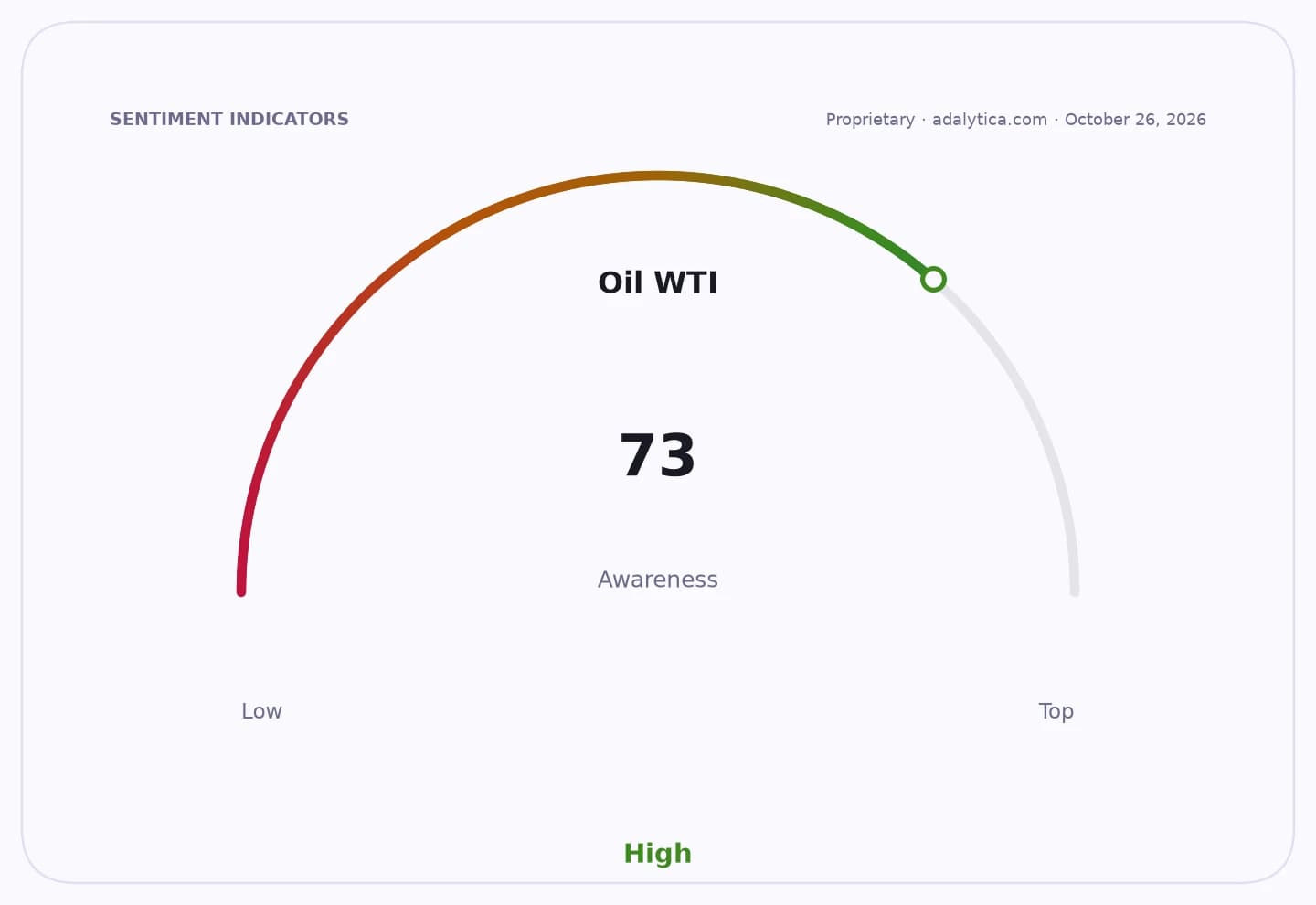
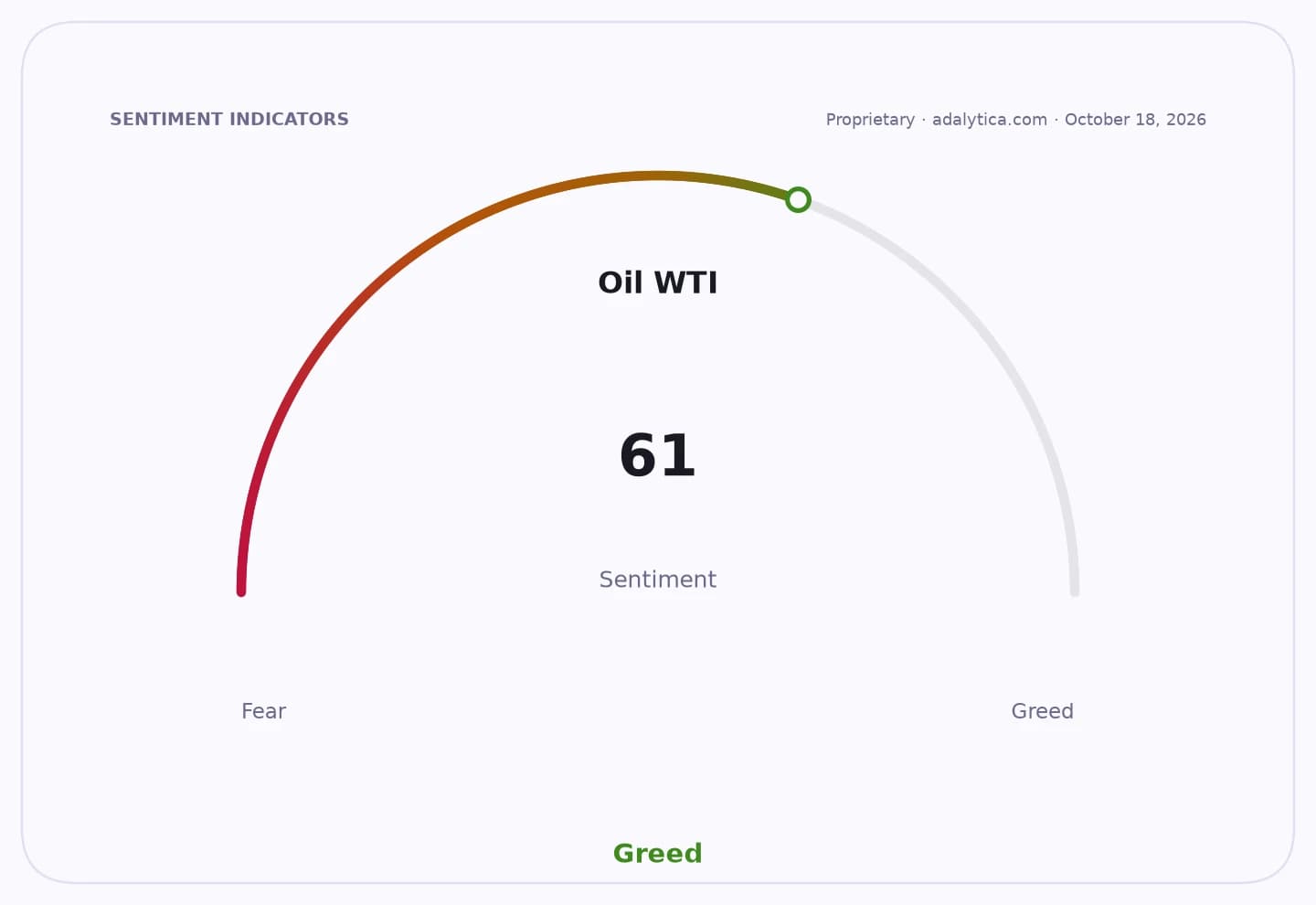
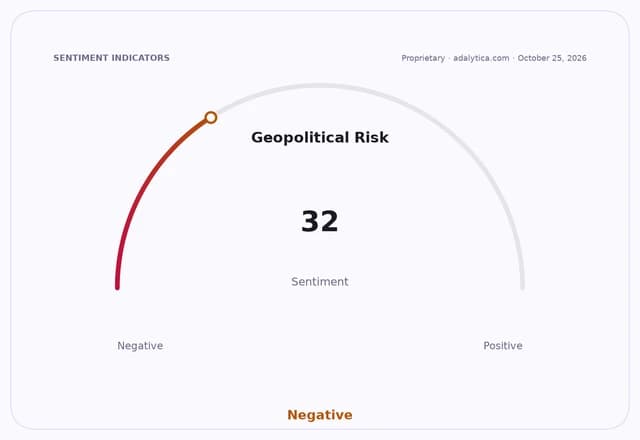
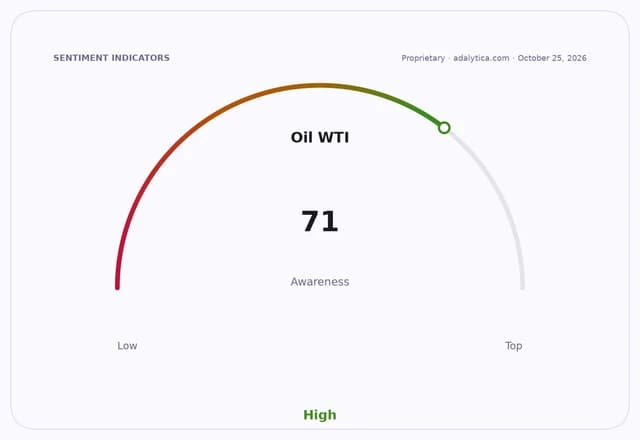
Sentiment IndicatorsⓘProprietary · adalytica.com · October 25, 2026
This is a snapshot — live sentiment, awareness and momentum for 130+ markets update continuously in the dashboard.Open AlphaPulse
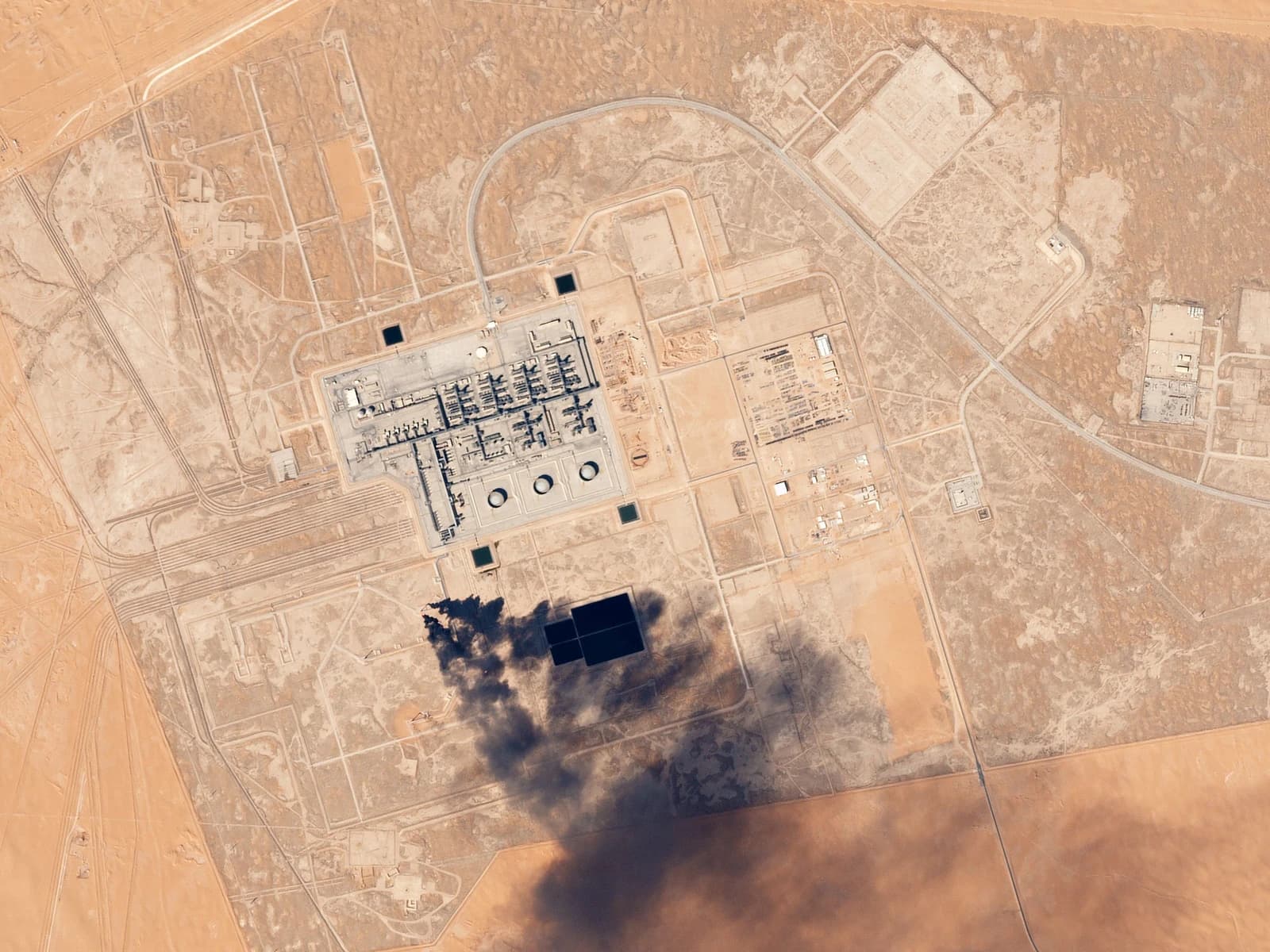
Yemen’s Iran-aligned Houthis said they launched attacks on Saudi energy, airport and military sites, including an Aramco facility in Yanbu, the Shaybah oilfield and airports in Riyadh and Abha. Saudi authorities had not confirmed the claims, and Reuters could not independently verify them, but the market reaction showed traders are treating the threat as real even without immediate damage reports.
At least 18 vessels were reportedly attacked over two weeks, according to shiptracker Kpler, reinforcing concern that tankers and shipping routes remain vulnerable. ING analysts said oil prices were still “well-supported” because the market is pricing in a significant risk premium, and that the premium would only erode if flows continue uninterrupted — something traders do not yet see evidence of.
The price spike matters beyond crude itself. Higher oil feeds directly into inflation, transport costs and corporate margins, especially for airlines, chemicals and other fuel-intensive industries, while also complicating central bank efforts to cool prices. In the US, a Reuters poll showed analysts expect crude and product inventories to have fallen last week, which would add another layer of support to prices if confirmed.
For investors, the main takeaway is that energy markets are now trading on both supply fundamentals and geopolitical headlines. Oil producers and energy stocks stand to benefit if elevated prices persist, while refiners, importers and consumer sectors face higher input costs. The next test is whether attacks continue and whether shipping disruptions begin to hit physical flows rather than just sentiment.
| Entity | Gains | Losses |
|---|---|---|
| Oil producers | ▲Higher realized prices | ▼None if output holds |
| Energy stocks | ▲Margin support | ▼Valuations can reverse on easing risk |
| Airlines and refiners | ▲Short-term hedging opportunities | ▼Higher fuel costs |
| Oil importers and consumers | ▲Some inventory protection | ▼More expensive transport and goods |