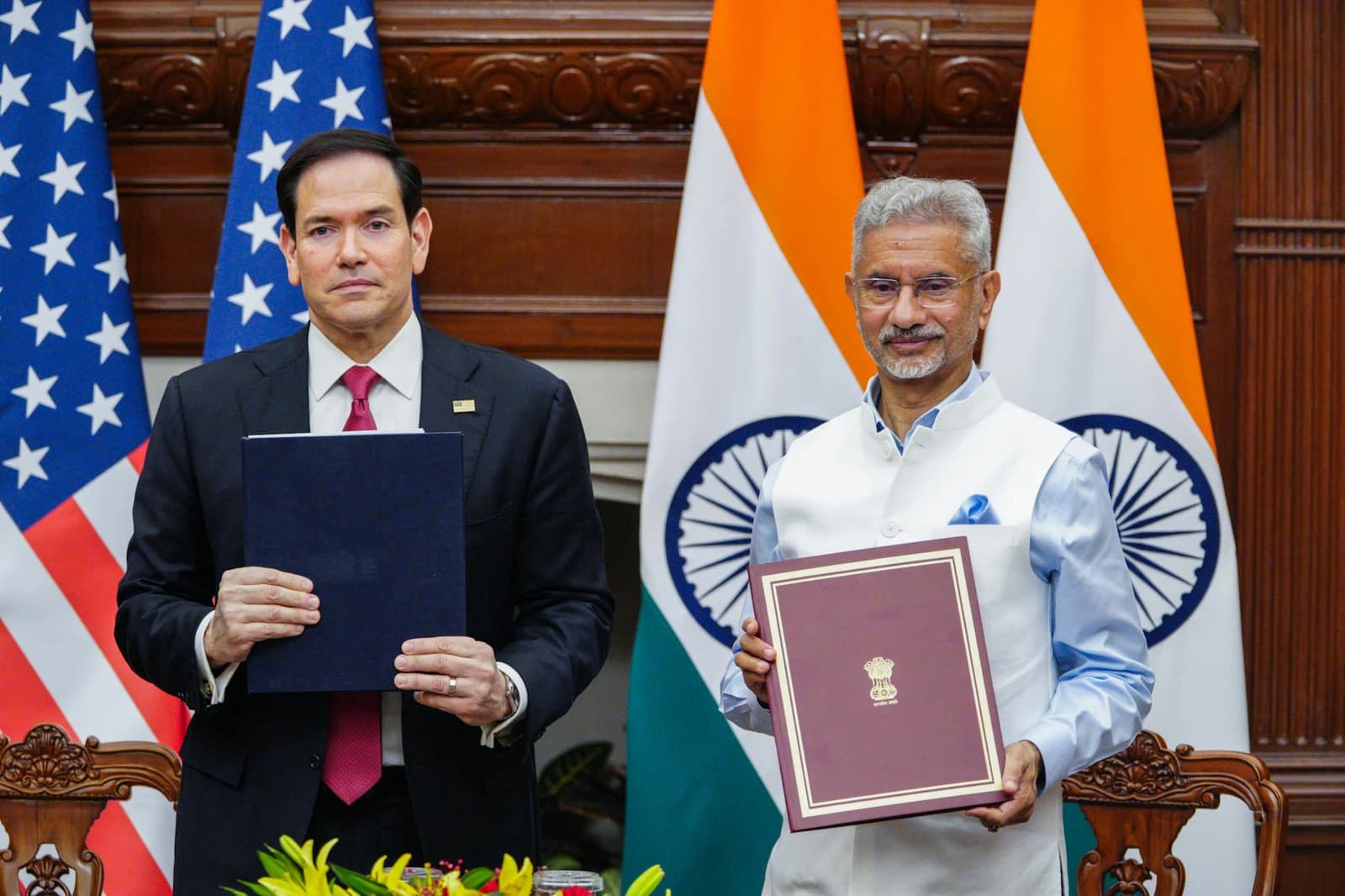
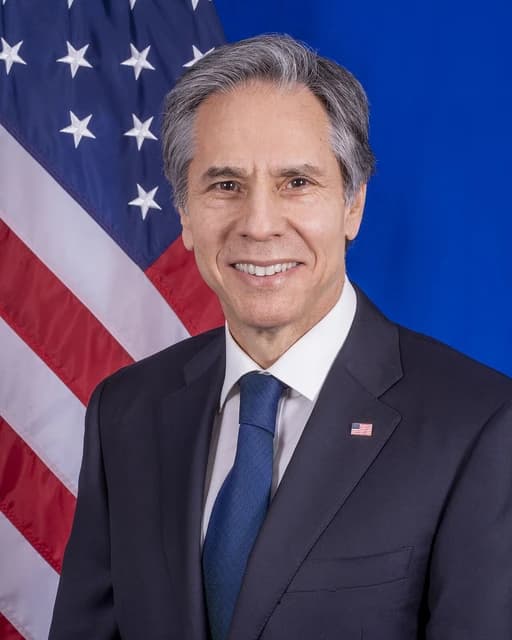
U.S. Secretary of State Marco Rubio is heading to Mumbai and Jamnagar instead of New Delhi on his second India visit in four months, a shift that puts energy security and stalled trade talks at the center of Washington’s push for a broader economic reset with India.
Rubio visits Mumbai and Jamnagar on India trip
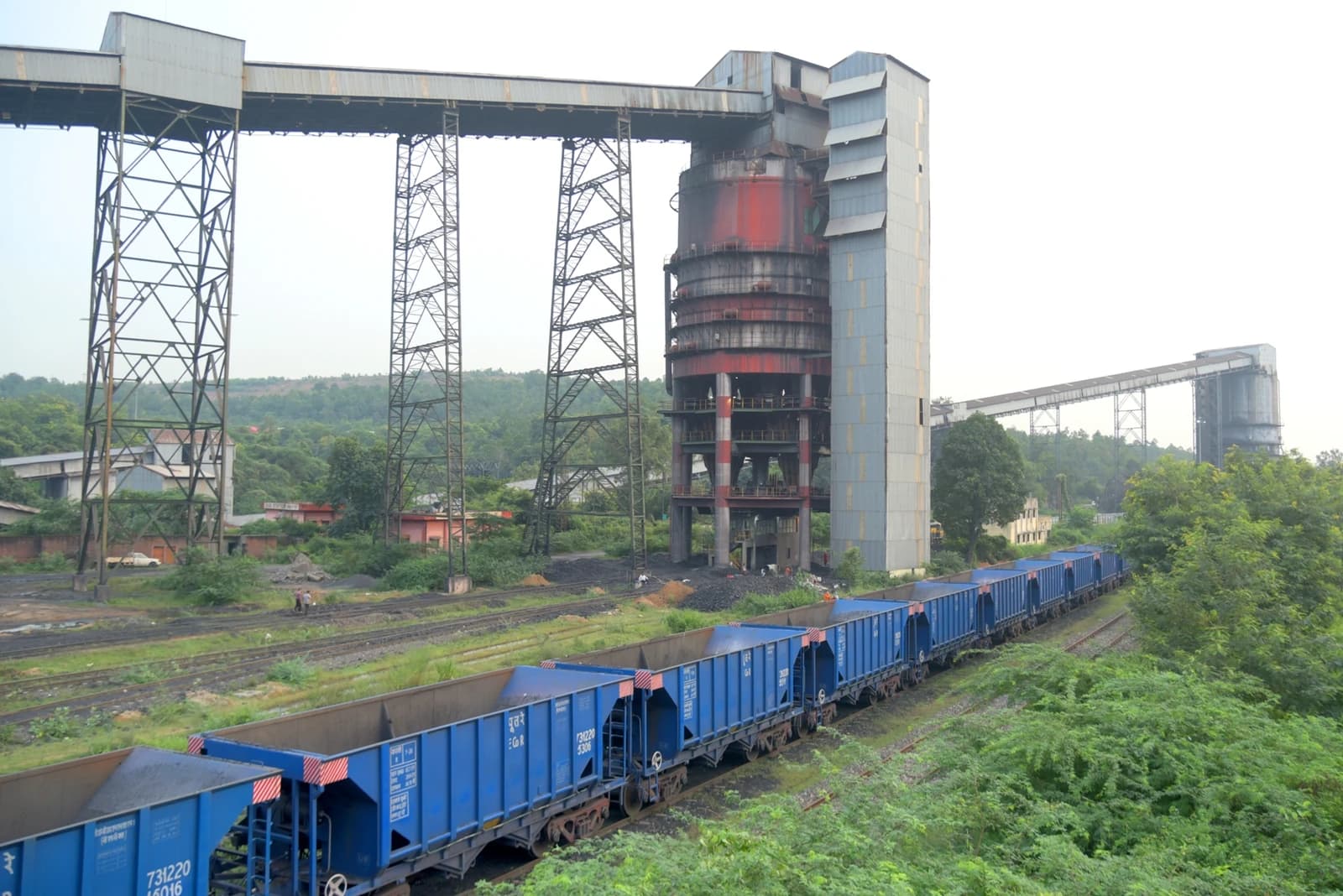
The trip comes as the Trump administration faces rising domestic pressure over diesel and fuel prices ahead of November’s midterm elections, making India’s refining capacity newly strategic for the U.S. Jamnagar, home to Reliance Industries’ refinery complex, is the world’s largest single-site oil refining hub, and it sits at the intersection of the two countries’ energy and investment interests.
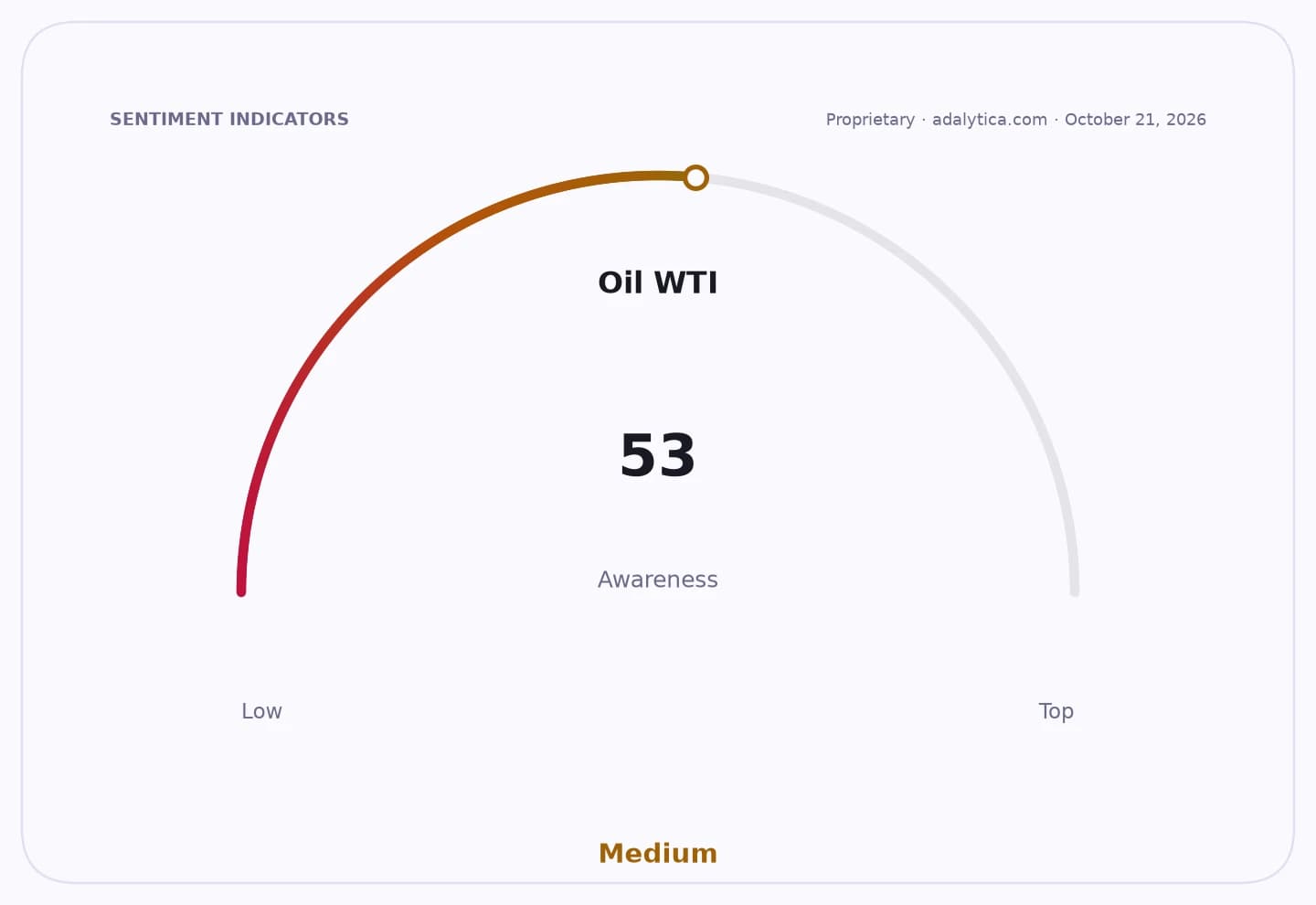
Sentiment IndicatorsⓘProprietary · adalytica.com · October 22, 2026
This is a snapshot — live sentiment, awareness and momentum for 130+ markets update continuously in the dashboard.Open AlphaPulse
For investors, the itinerary is a signal that the U.S.-India relationship is being driven less by symbolic diplomacy and more by supply-chain leverage, fuel markets and corporate capital flows. Reliance’s role matters because the conglomerate is not only one of the biggest names in India’s energy sector, but also a major investor in a new refinery project in Brownsville, Texas, underscoring a two-way commercial tie that could deepen if Washington looks to secure more diesel and refined product supply.
The visit also lands at a delicate moment in bilateral trade. Negotiations have slowed amid disputes over tariffs and India’s purchases of Russian crude, while the broader relationship has been complicated by U.S. visa curbs and pressure on Indian technology firms. Still, officials on both sides are trying to keep the strategic partnership on track through energy, defense-industrial cooperation and work on critical technologies such as AI and semiconductors.
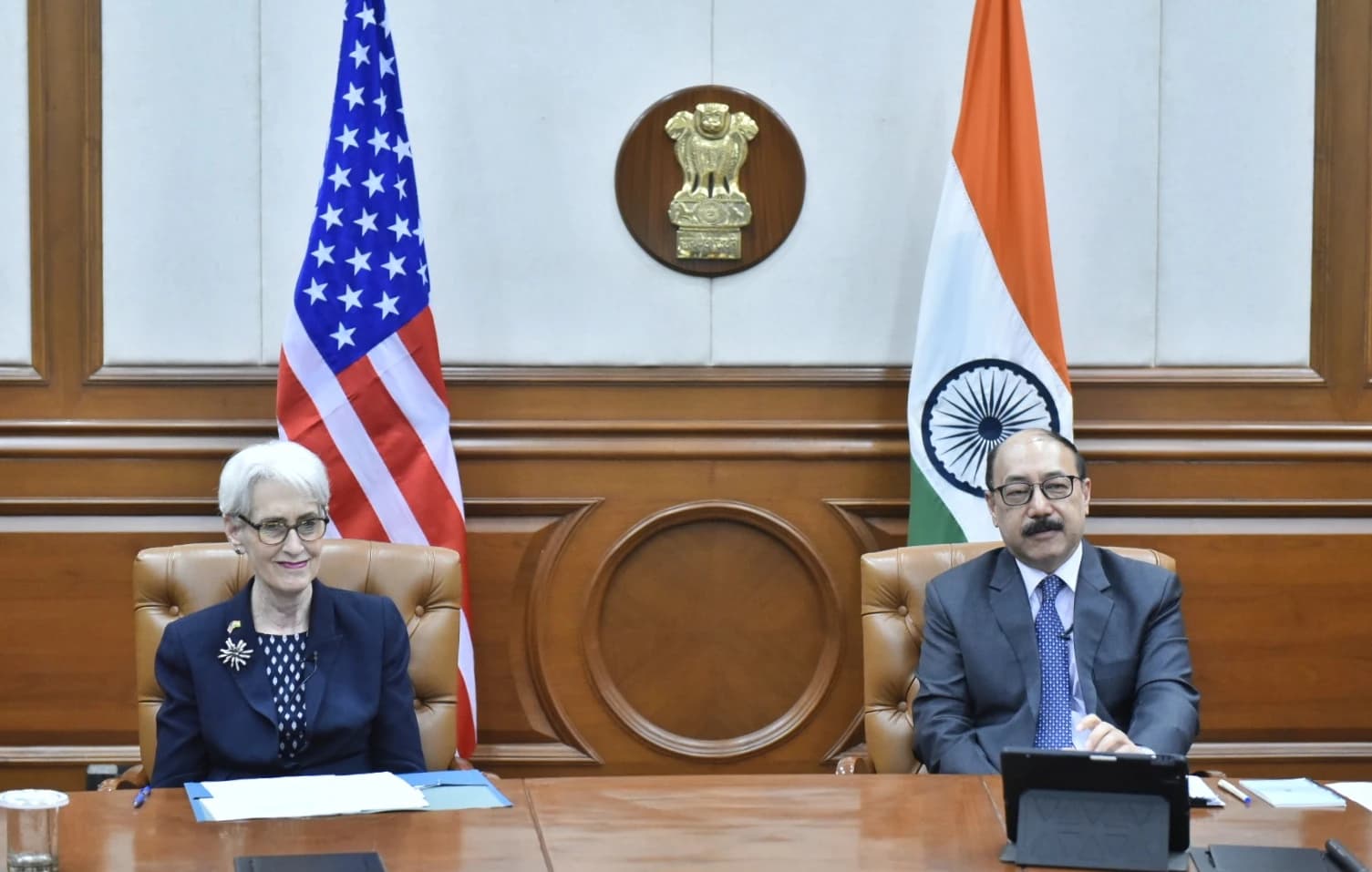
Rubio is expected to meet Indian Foreign Minister S. Jaishankar in Mumbai, where the agenda includes commercial investment and strategic coordination rather than the traditional Delhi-centered diplomatic format. The Indian foreign ministry has said such meetings outside the capital are not unusual when they are tied to specific business or regional events, but the unusual venue has drawn political criticism in India over protocol.
The bigger market takeaway is that Washington appears willing to use industrial and energy ties as part of its foreign policy toolkit, while India is leveraging its refining scale and corporate reach to strengthen its position in global supply chains. If the trip helps advance trade discussions or energy cooperation, it could support sectors tied to refining, shipping, industrial investment and cross-border capital flows.
| Entity | Gains | Losses |
|---|---|---|
| Reliance Industries | ▲More strategic visibility | ▼Higher scrutiny over U.S. ties |
| India | ▲Stronger energy leverage | ▼Protocol criticism at home |
| U.S. administration | ▲Potential diesel relief | ▼Pressure if fuel prices stay high |
| Trade hardliners | ▲Less room for tariffs | ▼Faster deal momentum |