Oil India’s move back into coal bed methane is a small contract on paper and a bigger signal for India’s energy strategy: the state-run explorer is trying to turn unconventional gas into a domestic supply buffer at a time when energy security still trumps purity in the policy debate.
Oil India signs CBM contract in Singrauli
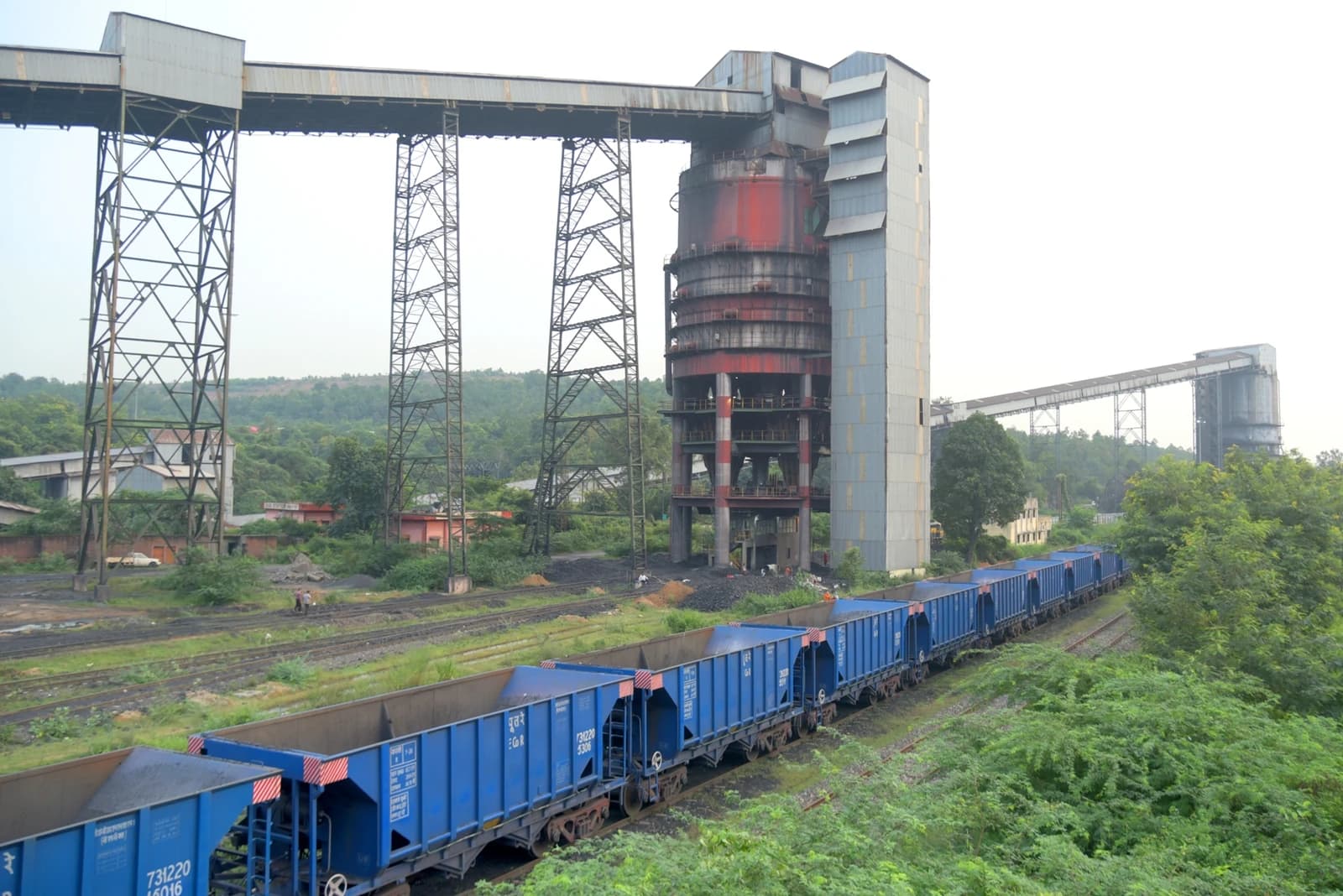
The company signed a revenue-sharing contract for block SR-ONHP-(CBM)-2026/1 in the Singrauli coalfield on Oct. 15, covering 272.14 square kilometres with coal seams expected at 600 to 800 metres depth and an average thickness of about 40 metres. For Oil India, the significance is not just geological. It marks a return to CBM exploration and a broader push into harder-to-develop hydrocarbon resources that can supplement India’s reliance on imported oil and gas.
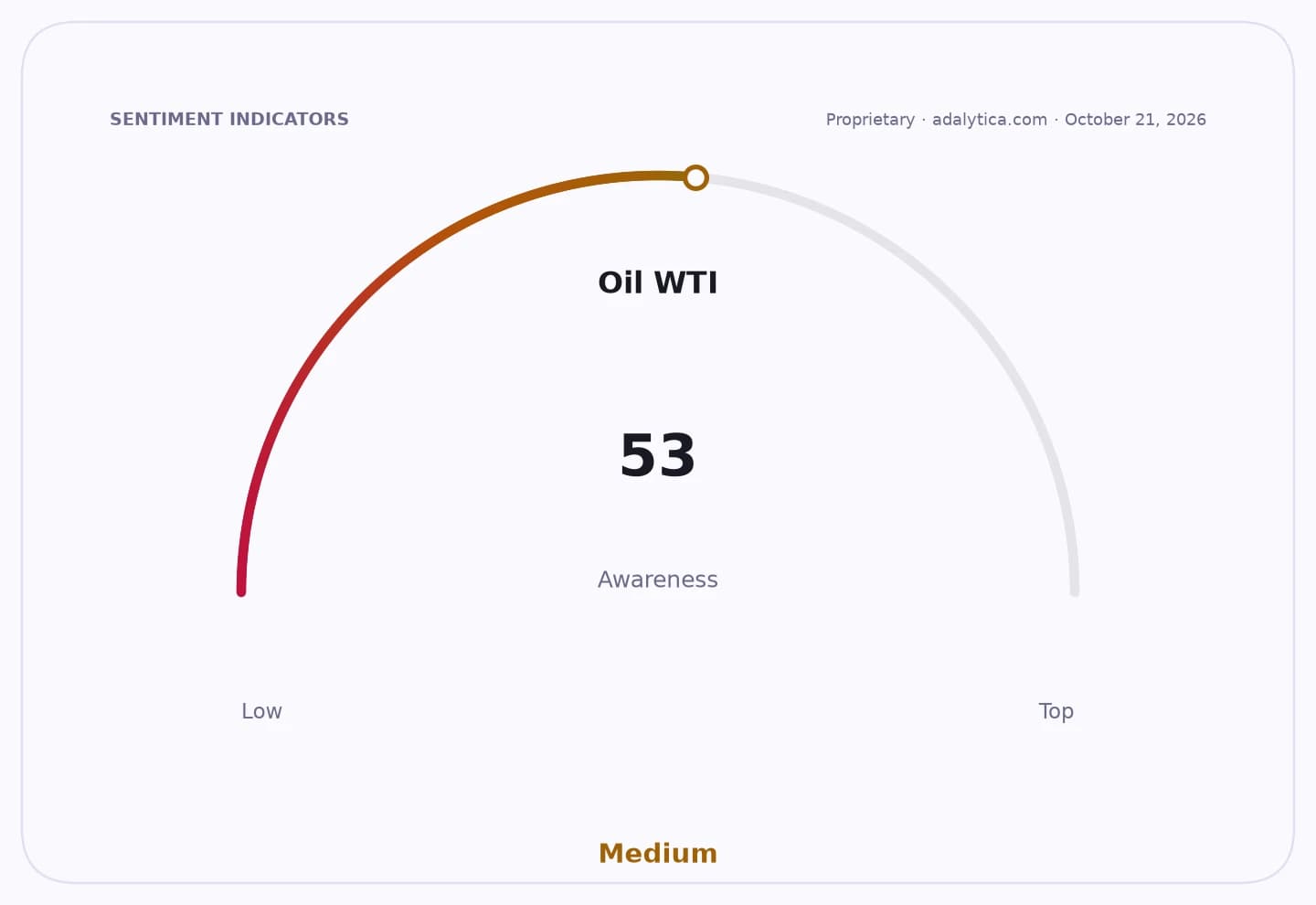
Sentiment IndicatorsⓘProprietary · adalytica.com · October 21, 2026
This is a snapshot — live sentiment, awareness and momentum for 130+ markets update continuously in the dashboard.Open AlphaPulse
That matters economically because every incremental molecule of domestic gas helps reduce the country’s import bill and improves resilience against volatile global energy markets. Natural gas remains central to India’s industrial fuel mix, power balancing and fertiliser production, while unconventional sources such as coal bed methane can be developed without waiting for the kind of deepwater or frontier discoveries that take years and enormous capital to mature. In a world still shaped by supply shocks, the economics of “local and available” have regained force.
For investors, the takeaway is that India’s state energy firms are not retreating from hydrocarbons; they are widening the toolkit. CBM may not be a headline-grabbing growth engine, but it is a strategic option that can support reserve replacement, extend resource life and keep upstream capex flowing into domestic basins. That creates a longer runway for service providers, drilling contractors and oilfield equipment names exposed to India’s exploration cycle, even if the near-term contribution to production remains modest.
The broader narrative is one of energy realism. Even as capital markets reward renewable stories, governments under pressure from inflation and supply security are still backing conventional and unconventional fossil fuel development where it can be done at scale and with lower geopolitical risk. Adalytica’s Oil WTI trade signals remain in “fear,” underscoring how quickly commodity sentiment can swing, but that volatility only strengthens the case for domestic supply optionality.
If Singrauli proves commercially viable, it could reinforce a second-order trade: India’s push to secure fuel at home is becoming an investable theme in its own right. The market should watch for follow-on acreage awards, faster approvals and a broader revival in upstream spending around CBM and other unconventional resources. The opportunity is not in chasing the first barrel or cubic metre, but in positioning for the infrastructure, services and domestic producers that benefit when energy security turns into policy.
| Entity | Gains | Losses |
|---|---|---|
| Oil India | ▲New CBM acreage | ▼Higher exploration risk |
| India’s gas market | ▲More domestic supply options | ▼Import dependency |
| Drilling and oilfield services | ▲More upstream spending | ▼Fewer easy discoveries |
| LNG importers | ▲— | ▼Potential demand pressure |