India’s steelmakers are getting more serious about coal gasification because it offers a rare strategic advantage in a market still too dependent on imported fuel: supply security. The catch is that the economics remain punishing, which is why the industry is leaning toward buying syngas from third-party plants rather than sinking billions into its own facilities.
India steelmakers weigh coal gasification push
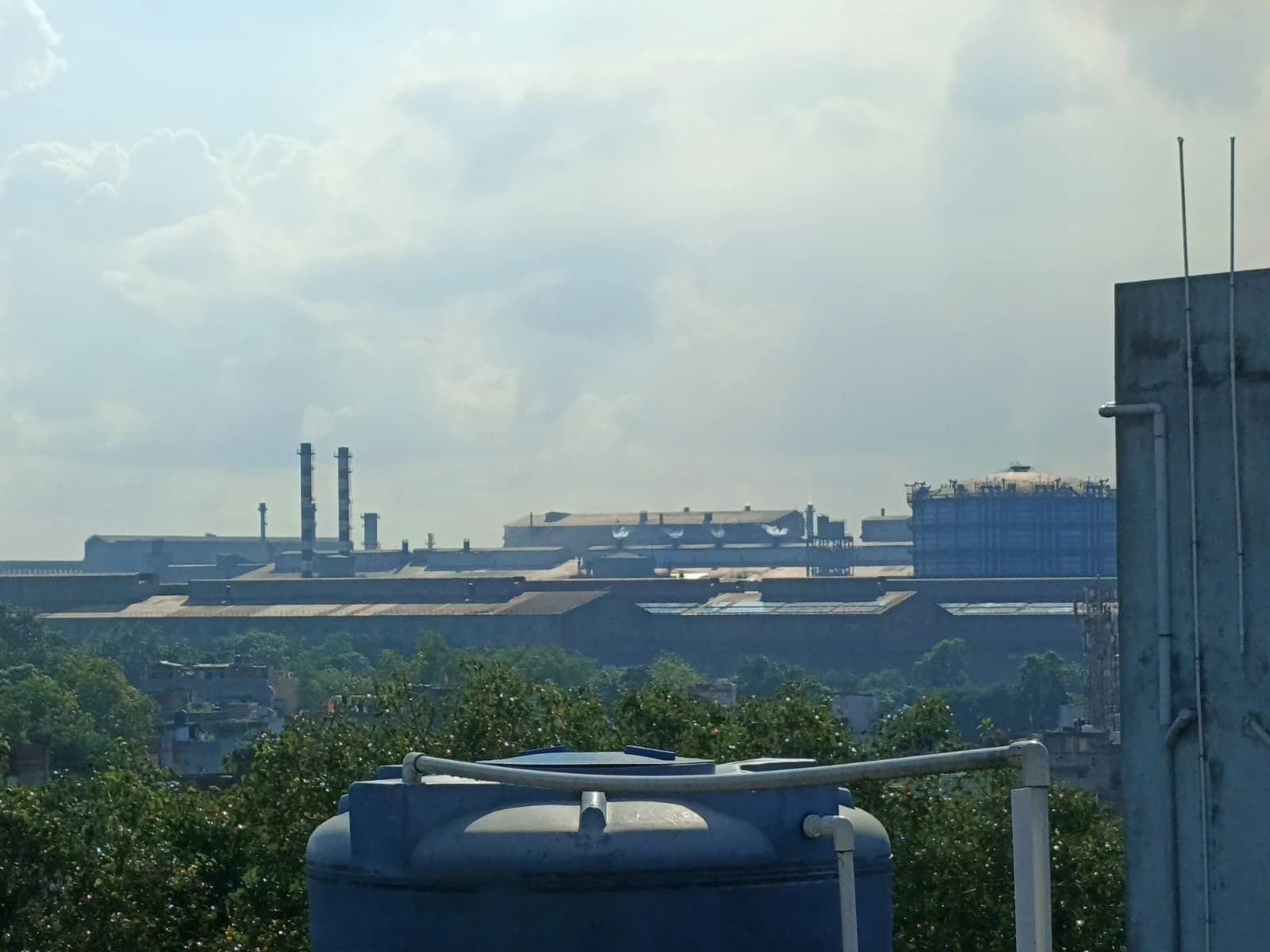
That tension sits at the center of New Delhi’s new push. In May, the cabinet approved a ₹37,500 crore incentive scheme to promote coal and lignite gasification and set a target of 100 million tonnes of capacity by 2030. For steelmakers, the policy matters because it could unlock domestic fuel options for direct reduced iron production, especially for plants far from India’s coast where imported coal and gas are more expensive on a landed basis.
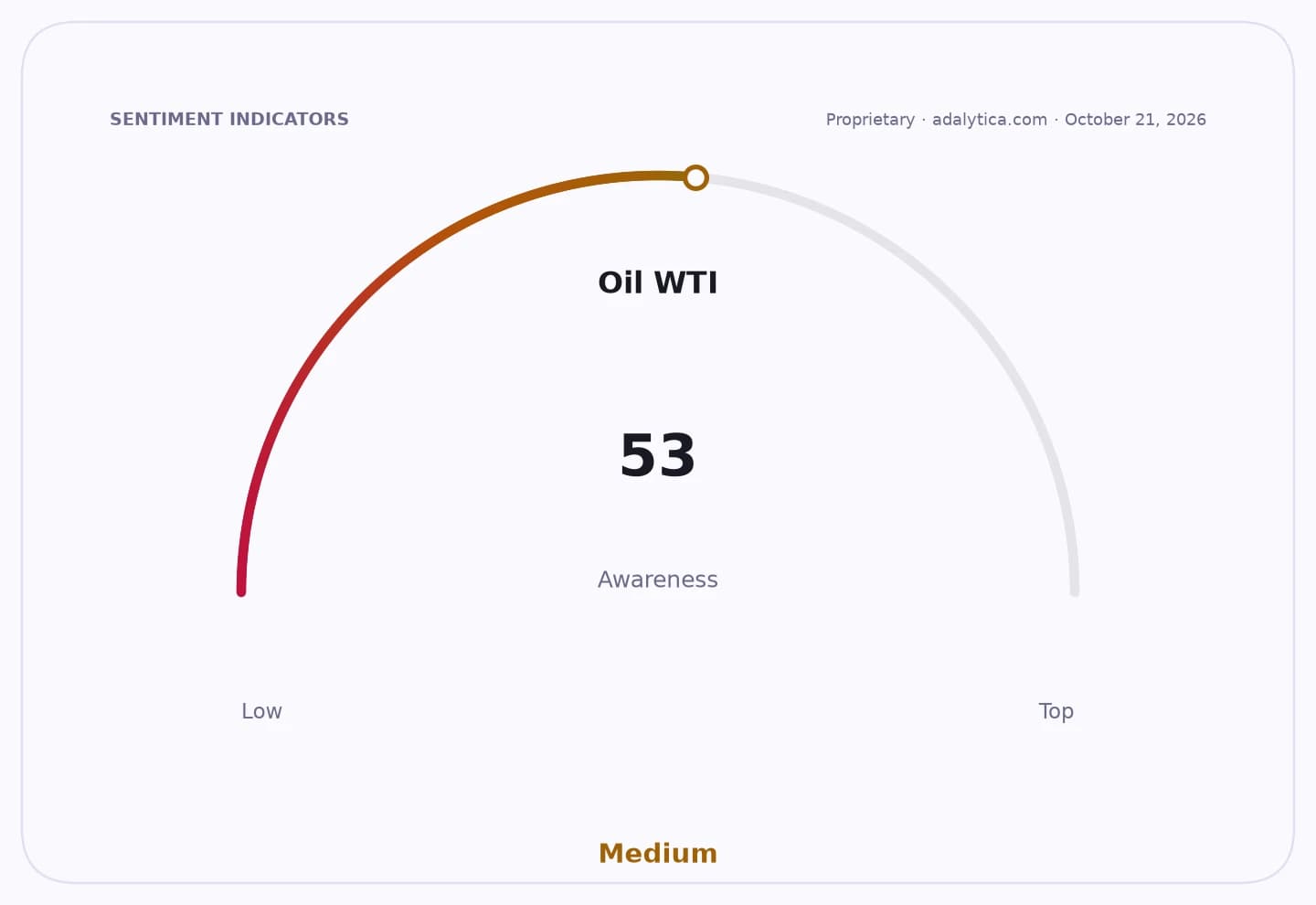
Sentiment IndicatorsⓘProprietary · adalytica.com · October 21, 2026
This is a snapshot — live sentiment, awareness and momentum for 130+ markets update continuously in the dashboard.Open AlphaPulse
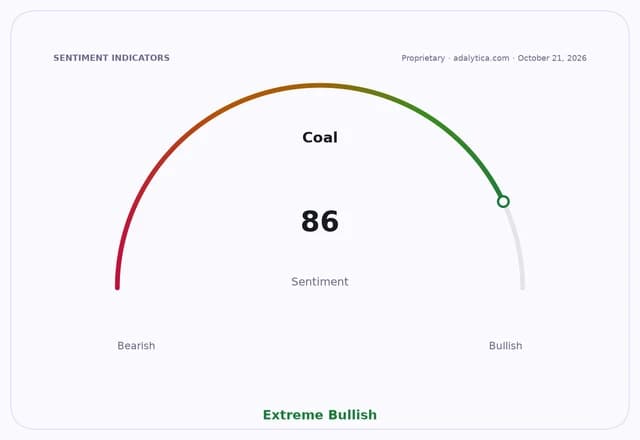
The appeal is straightforward. Gasification turns domestic coal into syngas that can feed the DRI route, helping steelmakers use lower-grade Indian coal more efficiently and reducing exposure to the volatility that has hit global fuel markets over the past few years. India’s reserves of G11 and lower-grade coal are expected to become more important in the 2030s, and that gives the technology a long runway if the state keeps backing it.
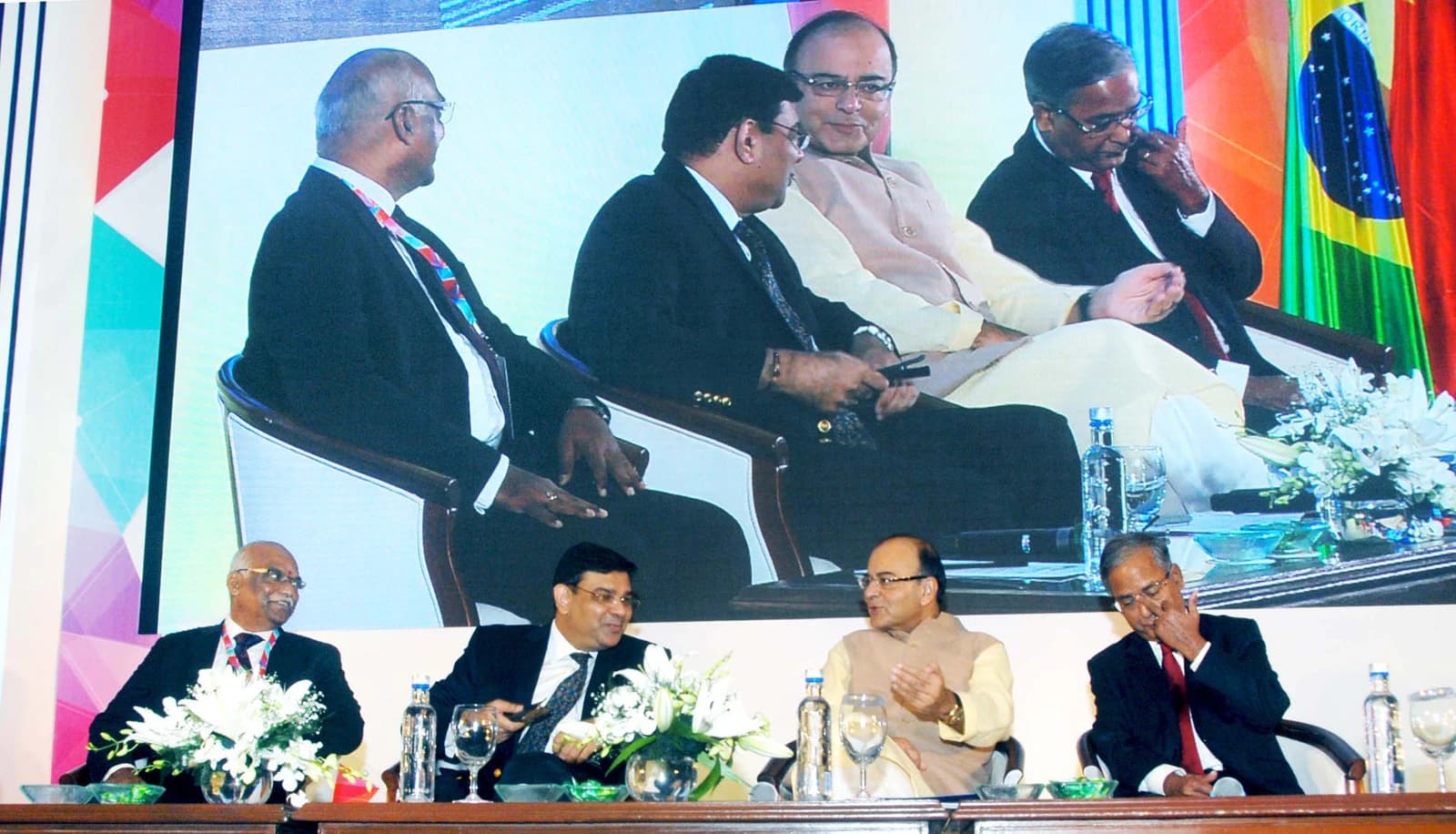
But cost remains the decisive hurdle. Tata Steel chief executive T.V. Narendran has already signaled the industry’s reluctance to invest directly, saying the company would rather be a consumer of gas than build plants itself because the process is too capital-intensive. That is the market’s real signal: steelmakers want the strategic benefits without shouldering the upfront risk. Jindal Steel is already using syngas at Angul, while Coal India and ArcelorMittal Nippon Steel India have signed a non-binding pact to explore a proposed plant. Shyam Steel has also bid under the government tender.
The economics are split. Grant Thornton Bharat says gasification can cut raw-material costs by as much as 15% under favorable conditions, particularly away from India’s coast. BigMint argues the opposite, saying the extra gasification step makes cost reduction unlikely. That disagreement is exactly why the opportunity is not in blanket adoption, but in selective deployment where logistics, coal quality and scale line up.
For investors, the bigger point is that coal gasification is becoming a national infrastructure theme, not just a steel plant decision. If the government follows through, the winners are likely to be the operators that can monetize syngas, build the plants, or supply the equipment and carbon-capture systems that make the economics work. The losers are imported coal suppliers and steelmakers that fail to secure cheaper domestic fuel in a world of volatile geopolitics and tightening emissions rules.
The next catalyst is execution. If India converts policy support into bankable projects, coal gasification could become one of the most overlooked picks-and-shovels opportunities in the country’s industrial buildout. If not, steelmakers will keep talking about it, but buying rather than building will remain the dominant path.
| Entity | Gains | Losses |
|---|---|---|
| Indian steelmakers | ▲Lower import dependence | ▼High upfront capex |
| Gasification plant developers | ▲Policy-backed demand | ▼Project execution risk |
| Coal India / domestic coal suppliers | ▲New monetization channel | ▼Pressure on imported coal demand |
| Imported coal suppliers | ▲— | ▼Market share and pricing power |