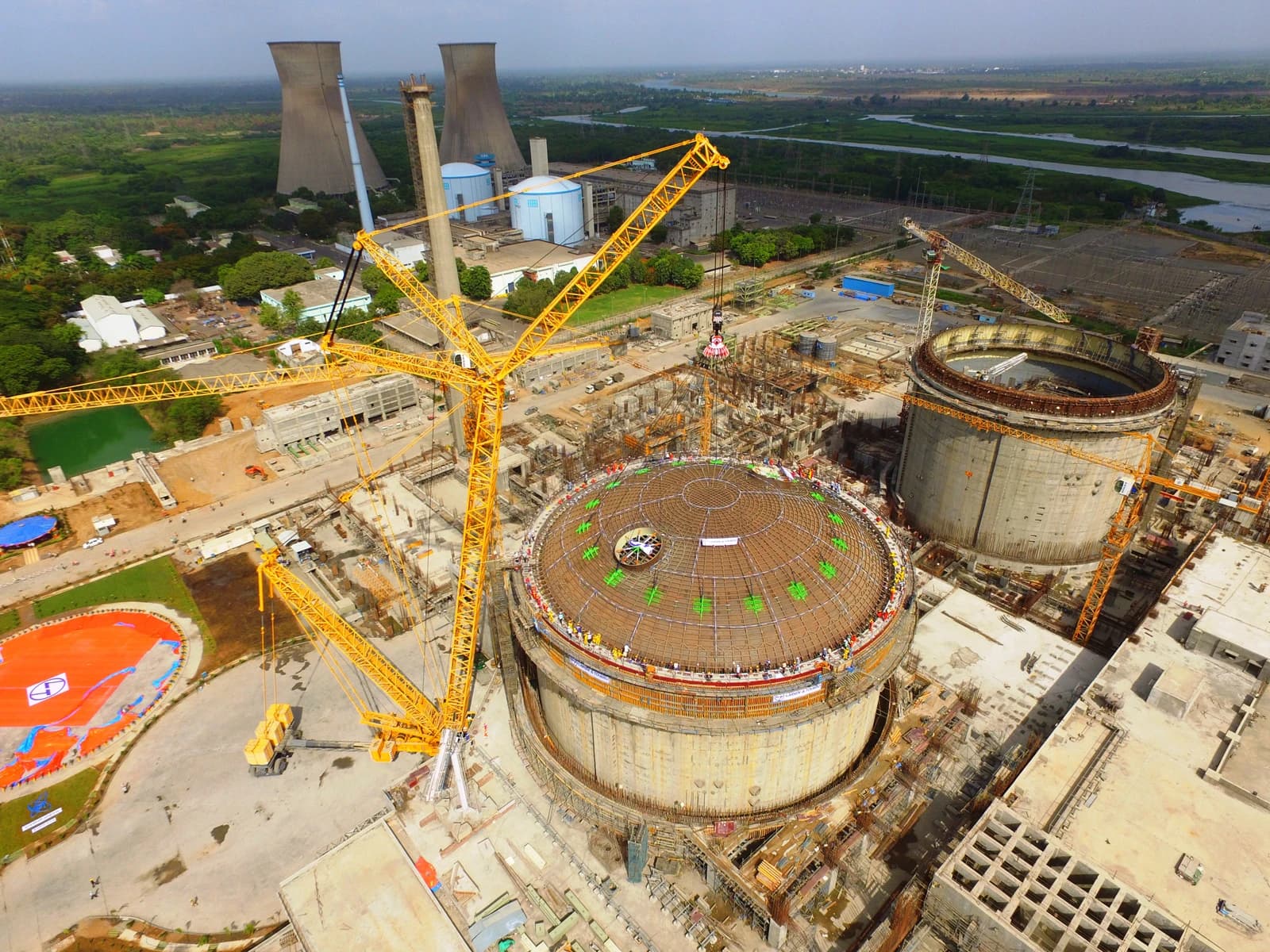
Gujarat’s electricity demand has climbed to a record 29,822 megawatts, underscoring how a stronger industrial and commercial load is forcing the state to seek more power and coal from New Delhi to keep factories and businesses running.
Gujarat power demand hits record 29,822 MW
The latest peak matters because it shows the state’s power system is being stretched by demand that is no longer confined to the summer cooling season. Officials say the increase is being driven by industrial and commercial consumption, with demand in October exceeding the previous summer high. That shifts the issue from a seasonal supply problem to a more structural one, with implications for grid reliability, fuel procurement and industrial output.
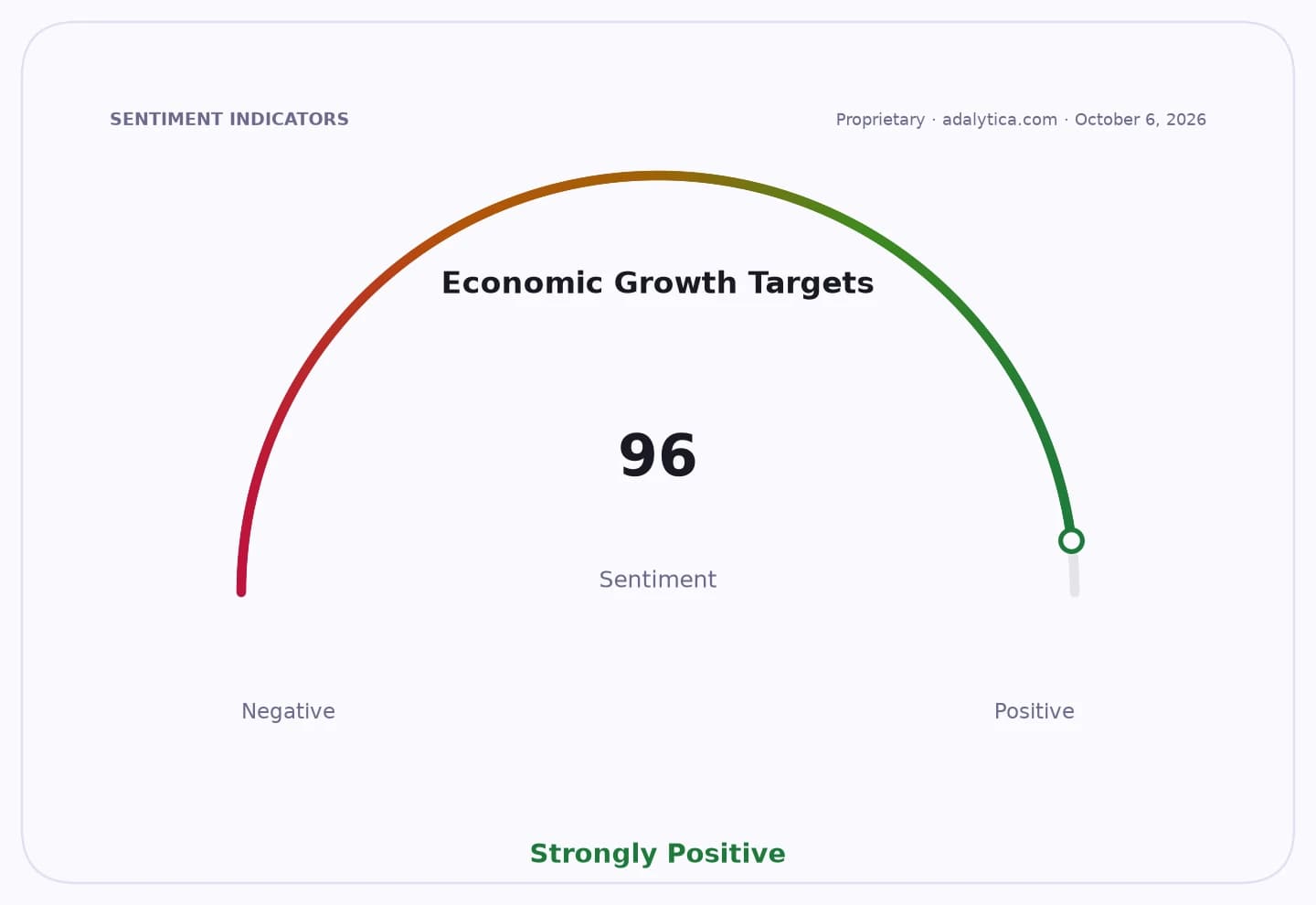
Sentiment IndicatorsⓘProprietary · adalytica.com · October 21, 2026
This is a snapshot — live sentiment, awareness and momentum for 130+ markets update continuously in the dashboard.Open AlphaPulse
The state has already asked the Centre for additional power allocation from the national grid and for more coal to meet the higher load. That is a sign the demand surge is feeding straight into the fuel supply chain, where any shortfall can quickly turn into generation constraints. For a power-intensive state like Gujarat, which relies on manufacturing and heavy industry, the ability to secure steady supply is critical not just for households but for output, earnings and investment plans.
The pace of growth is also notable. Gujarat’s power demand has risen steadily over the past five years, with a compound annual growth rate of about 12% and roughly 10% over the past three years, according to the data cited by officials. On that trajectory, peak demand could rise another 10% in the next year and exceed 32,500 MW in 2027. For utilities and coal suppliers, that points to sustained volume growth. For industrial users, it raises the risk of tighter allocation and higher costs if supply does not keep up.
Business groups are already flagging disruption risk. Industrial areas such as Sanand and Dahej have reported power interruptions affecting production, and local associations are pushing for uninterrupted supply for MSMEs. That is economically important because even brief outages can hit output, raise operating costs and weaken delivery schedules in export-linked manufacturing clusters.
The most forward-looking pressure point is data centers and AI computing. State officials expect those segments to add about 1,500 MW of annual demand over the next five years, with the impact becoming clearer after 2029. That would deepen the load on an already strained grid and increase the need for new generation, transmission upgrades and fuel planning.
For investors, the story cuts both ways. Power utilities, coal suppliers and grid equipment makers stand to benefit from higher demand and fresh capacity needs. But industrial companies in Gujarat face a more complex outlook: stronger economic activity is lifting power use, yet it also raises the risk of supply interruptions and higher energy costs if the state cannot secure enough electricity and coal.
| Entity | Gains | Losses |
|---|---|---|
| Power utilities | ▲Higher electricity sales | ▼Greater grid stress |
| Coal suppliers | ▲More fuel allocation demand | ▼Pressure to supply faster |
| Industrial firms in Gujarat | ▲Stronger economic activity | ▼Outage and cost risk |
| Data centers and AI operators | ▲Capacity expansion opportunity | ▼Tighter power availability |