India’s renewables suppliers are positioning for a wave of demand from AI data centers that could require far more green power than the country has yet built.
India renewables firms target AI data center demand
That is the central economic message from CleanMax founder Kuldeep Jain, who said even a relatively modest 5 gigawatts of data center capacity coming to India would need about 30 to 40 gigawatts of renewable electricity. The arithmetic matters because it highlights a structural supply gap: the computing load of AI infrastructure does not just add incremental power demand, it can multiply the need for contracted clean generation, grid access and storage.
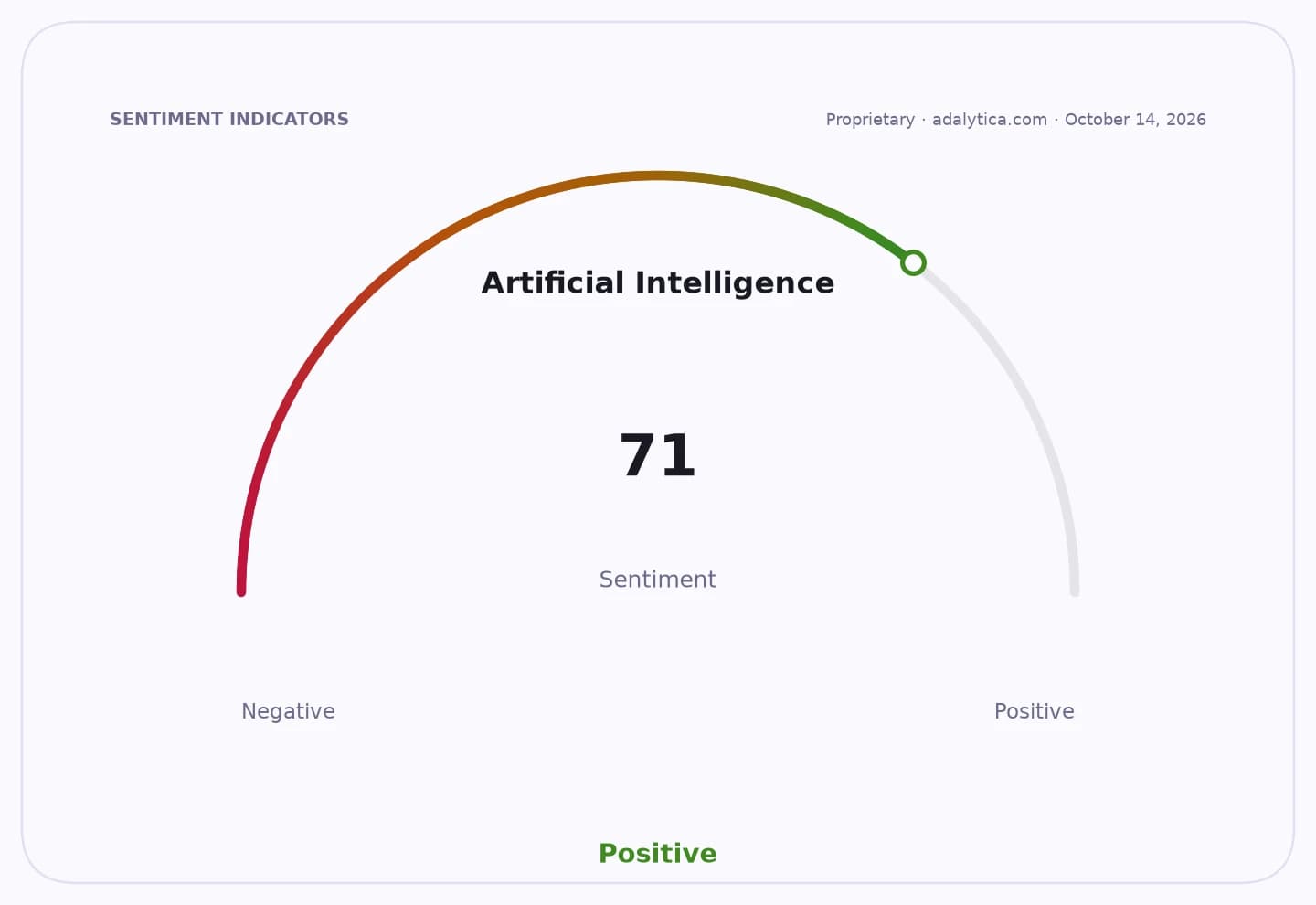
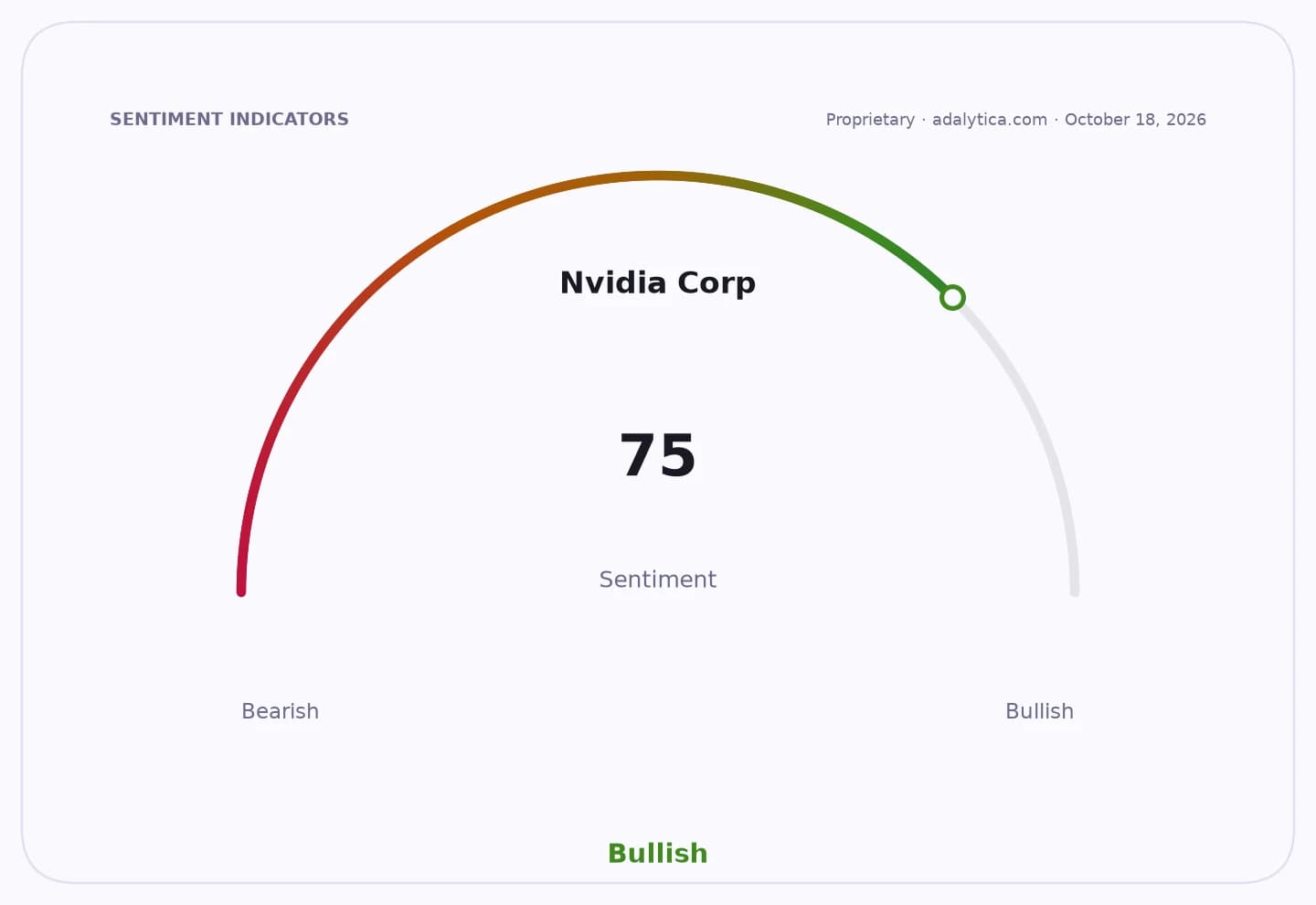
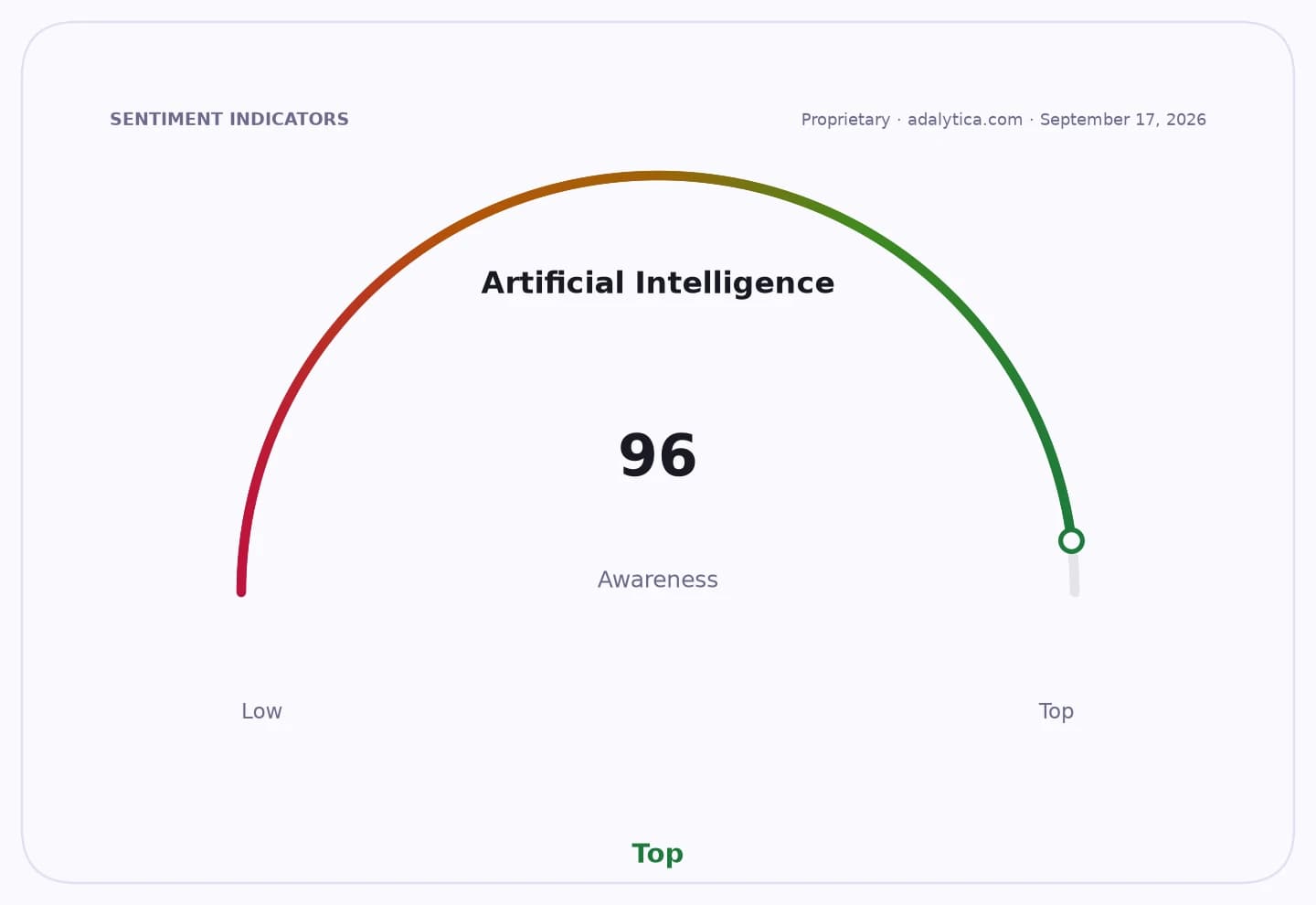
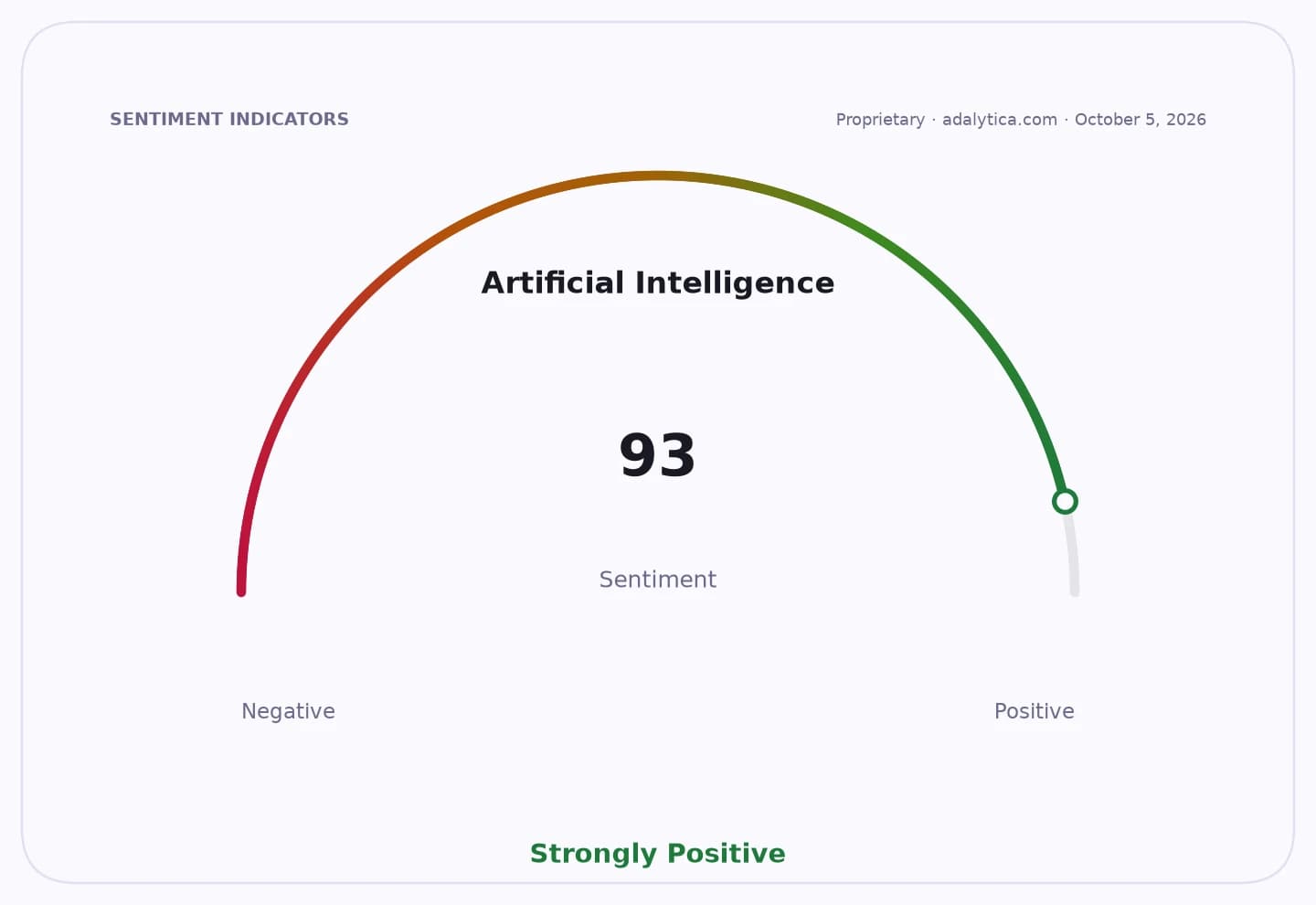
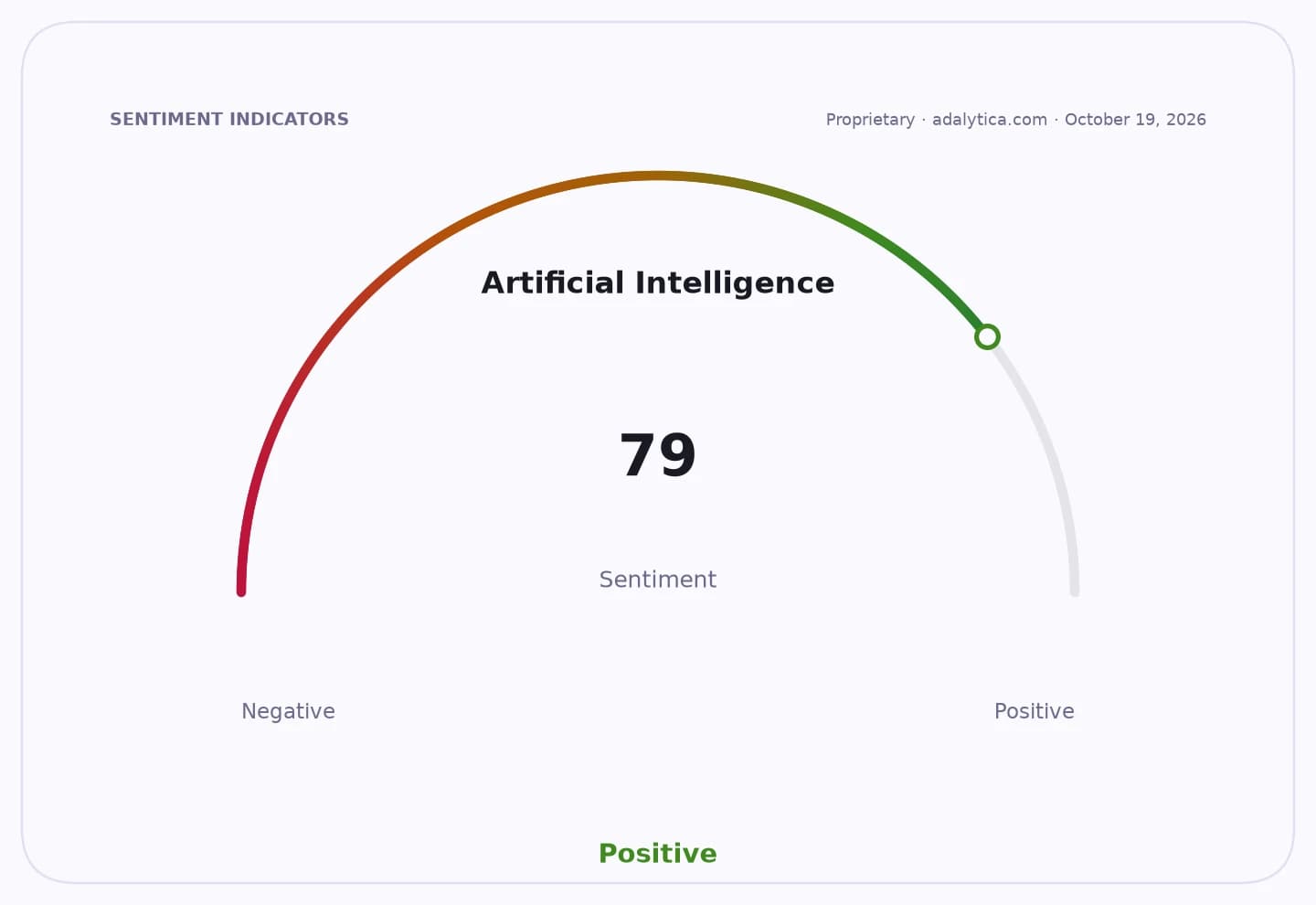
Sentiment IndicatorsⓘProprietary · adalytica.com · October 19, 2026
This is a snapshot — live sentiment, awareness and momentum for 130+ markets update continuously in the dashboard.Open AlphaPulse
India is already trying to pull that demand ashore. The government has offered power tariff subsidies, tax breaks and easier land clearances to attract data center operators, helping make the country the top APAC market for data center development outside China, according to BloombergNEF. That policy push is not just about digital infrastructure; it is increasingly a clean-energy industrial strategy, with renewables developers, transmission providers and battery storage firms standing to benefit if the buildout accelerates.
For companies such as Brookfield-backed CleanMax, the opportunity is immediate and measurable. Jain said the firm has already signed supply deals with AI hyperscalers including Meta Platforms, Alphabet’s Google, Apple and Amazon, totaling 1.8 gigawatts, or roughly a third of all such contracts signed in India over the past three years. For investors, that suggests the market is moving from story to backlog: contracts are being locked in before the full wave of capacity is even online.
The structure of those contracts is also changing. Jain said hyperscalers increasingly want flexibility to buy only the environmental attributes of renewable projects, rather than insist on direct delivery of electricity to their facilities. In practice, that can let developers sell power into the exchange if needed and still capture the contracted economics. That reduces execution friction for the buyer and can preserve margins for the seller, while also broadening the pool of potential off-takers.
The scale of the opportunity is still in its early stages. BloombergNEF says 1.3 gigawatts of data center IT capacity is already under construction in India, with another 3.2 gigawatts holding land, power and permits. Wood Mackenzie expects total capacity to reach 12 gigawatts by 2030, including a near 24-fold increase in AI-specific data center capacity to 6.5 gigawatts. If those projections hold, India’s power sector will need not only more solar and wind, but also more storage, grid flexibility and bankable long-term offtake agreements.
The investment case is therefore a two-sided one. Bullishly, the AI buildout could create a new, high-quality demand pocket for renewable developers at a time when many power markets remain cyclical and policy-dependent. Bearishly, the bottlenecks are obvious: land, transmission, storage and permitting could slow delivery even if demand materializes quickly. The companies best placed to win will be those able to assemble power, grid and regulatory access at scale.
For India’s clean power firms, the AI boom is less a distant theme than a prospective order book. The next test is whether policy support and corporate demand can translate into enough buildable megawatts before the data centers arrive.
| Entity | Gains | Losses |
|---|---|---|
| CleanMax and renewables peers | ▲Larger contracted demand | ▼Supply bottlenecks |
| Hyperscalers | ▲Flexible clean power access | ▼Higher execution complexity |
| India’s data center sector | ▲Faster project approvals | ▼Grid and land constraints |
| Thermal generators | ▲Limited near-term upside | ▼Share of new load |