Nvidia’s breakneck AI growth is colliding with a growing climate liability, according to a report that says emissions tied to the production and use of its chips have surged sharply since 2020 and could climb further as data-center power demand accelerates.
Nvidia carbon emissions report raises AI scrutiny
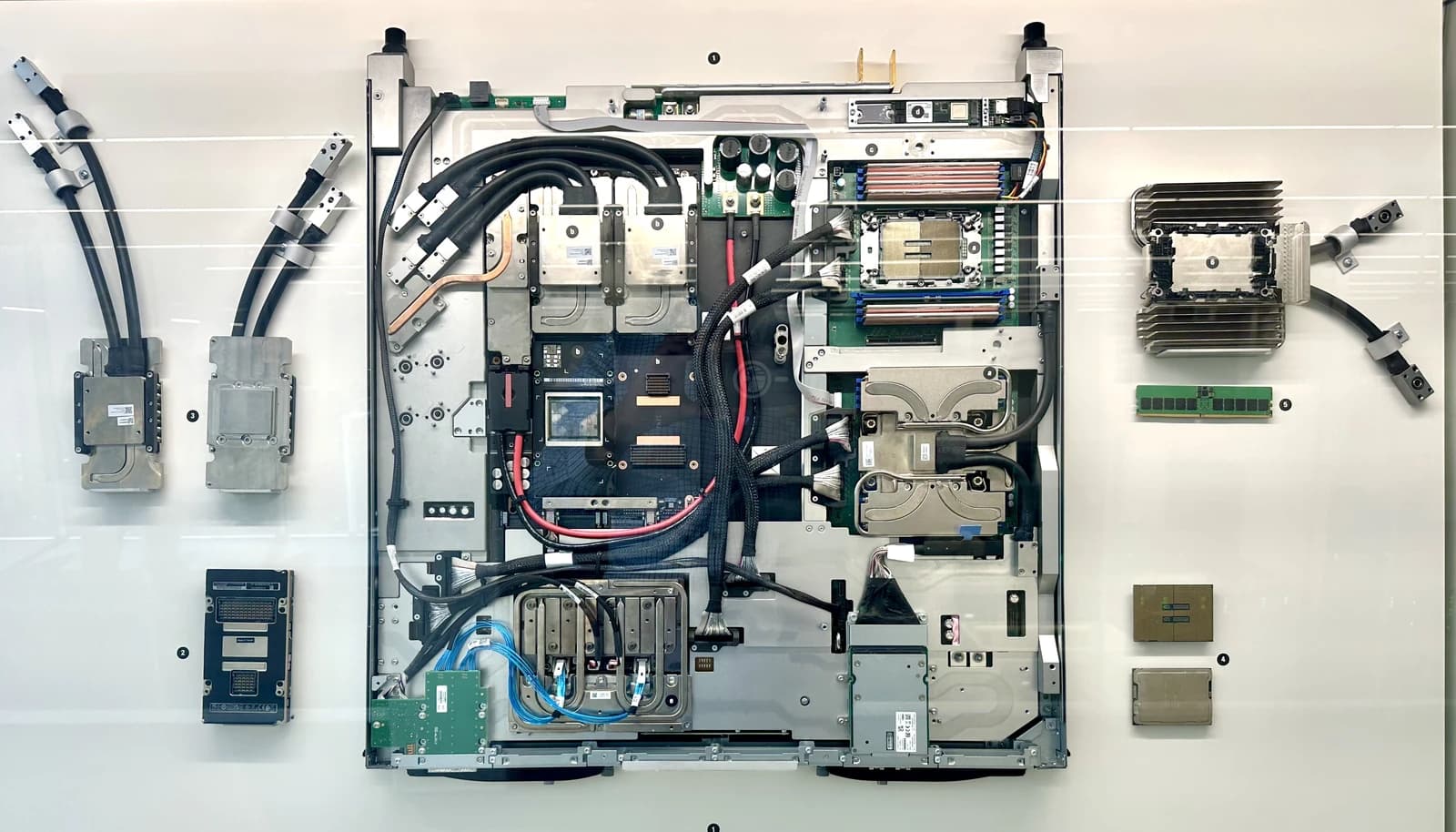
The study, compiled by several environmental groups, argues that the world’s most valuable semiconductor company has become a much larger carbon emitter through both its supply chain and the electricity consumed by AI systems running on its processors. It estimates chips sold since 2022 may have generated 4 million to 21 million tonnes of carbon dioxide in 2025 alone, depending on the power mix used in the data centers that deploy them.
Sentiment IndicatorsⓘProprietary · adalytica.com · October 17, 2026
This is a snapshot — live sentiment, awareness and momentum for 130+ markets update continuously in the dashboard.Open AlphaPulse
That range is wide, but the direction of travel is clear: Nvidia’s indirect supply-chain emissions have risen 725% since 2020, from about 1.3 million tonnes of CO2 equivalent to 10.7 million tonnes, the report said. The main drivers are the raw materials, components and advanced manufacturing steps needed to make high-end processors, which are increasingly central to AI infrastructure buildouts in the US, Taiwan and beyond.
For investors, the significance is less about a near-term hit to Nvidia’s earnings than about the growing probability that environmental disclosure, procurement rules and customer pressure will become part of the cost of doing AI at scale. Nvidia has argued that AI can reduce net emissions by improving efficiency across industries, but the report challenges that narrative and says the company should also disclose emissions from chip use in data centers, not just manufacturing-related output.
That matters because the AI investment cycle is no longer limited to semiconductor margins and cloud spending. Hyperscalers, enterprise buyers and governments are now weighing power availability, carbon intensity and permitting risk alongside performance. If emissions from AI infrastructure continue to rise as fast as demand, the industry may face a tougher path to claiming that efficiency gains offset the footprint of ever-larger model training and inference loads.
The report also underscores a broader tension in the AI trade: the same surge that has powered Nvidia’s revenue growth and investor enthusiasm may also increase scrutiny of the sector’s environmental costs. Nvidia shares have recently held well above their 200-day moving average, reflecting continued confidence in AI demand, while the stock’s 14-day RSI has eased from overbought levels, suggesting some cooling after a strong run. But the sustainability debate adds a different layer of risk that technical indicators do not capture.
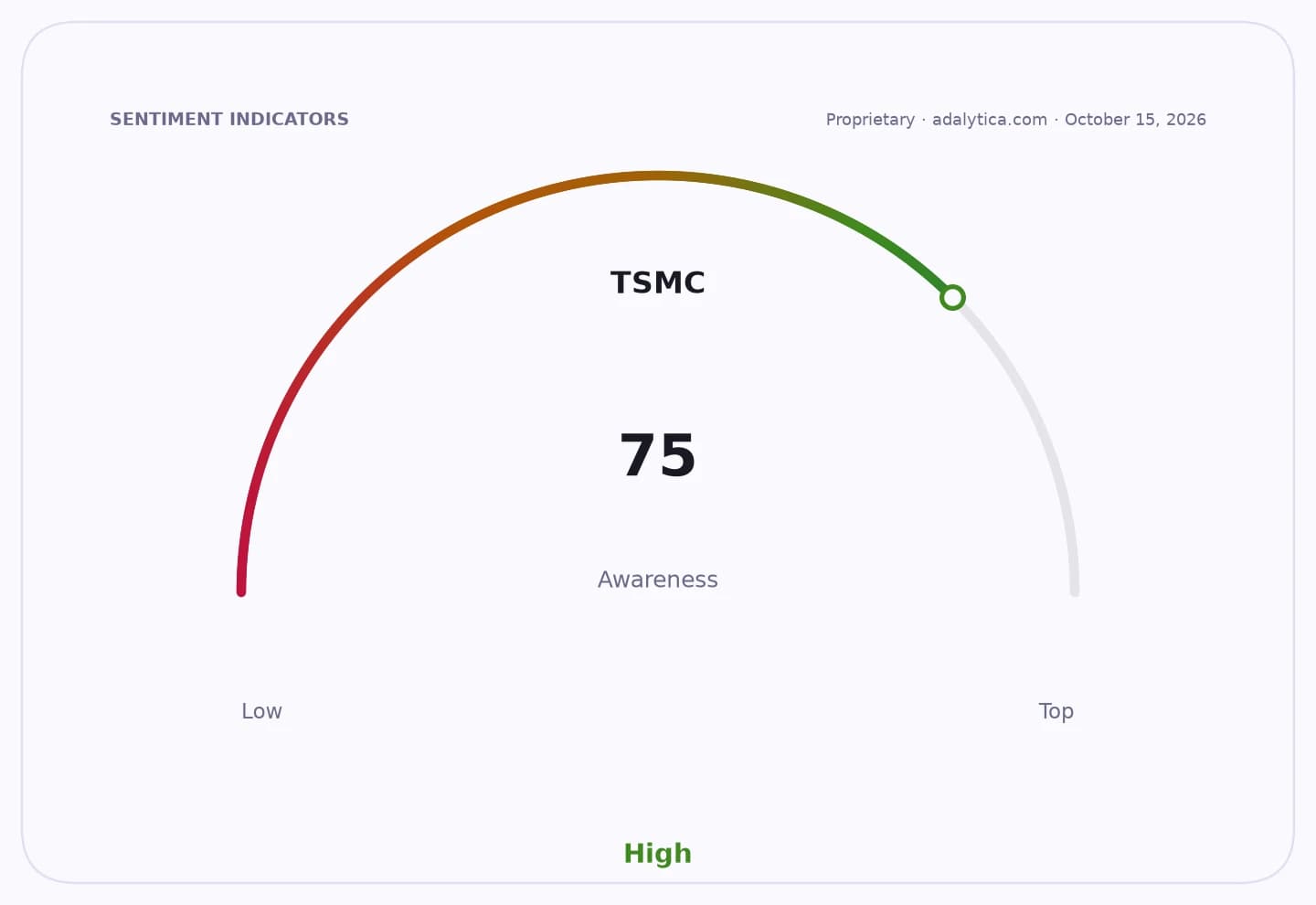
A harsher regulatory backdrop could eventually feed through to suppliers and customers as well. Taiwan Semiconductor Manufacturing Co., Nvidia’s key foundry partner, sits at the center of the hardware supply chain that would be most exposed if carbon accounting becomes more granular or if large buyers demand lower-emission chips and cleaner electricity. Microsoft, another major AI spender, faces similar pressure to justify the emissions footprint of the infrastructure it is building and renting out through cloud services.
Nvidia’s response will likely hinge on whether it can persuade investors and regulators that AI’s efficiency benefits outweigh the costs. The counterargument is that the industry is still early in its productivity gains, and that emissions intensity could decline as data centers migrate to cleaner grids and more efficient chips. The bear case is that power demand is compounding faster than efficiency improvements, leaving the sector exposed to stricter disclosure standards, reputational pressure and possible higher operating costs.
For now, the report does not alter Nvidia’s growth story. But it does sharpen a question that is becoming central to the AI boom: how much carbon will investors tolerate in exchange for continued expansion?
| Entity | Gains | Losses |
|---|---|---|
| Nvidia | ▲AI demand and chip sales | ▼Greater emissions scrutiny |
| Data center operators | ▲Access to faster AI hardware | ▼Higher power and disclosure costs |
| Clean-energy suppliers | ▲More demand for renewable electricity | ▼Fossil-heavy grids |
| Environmental advocates | ▲Stronger case for transparency | ▼Slow policy response |