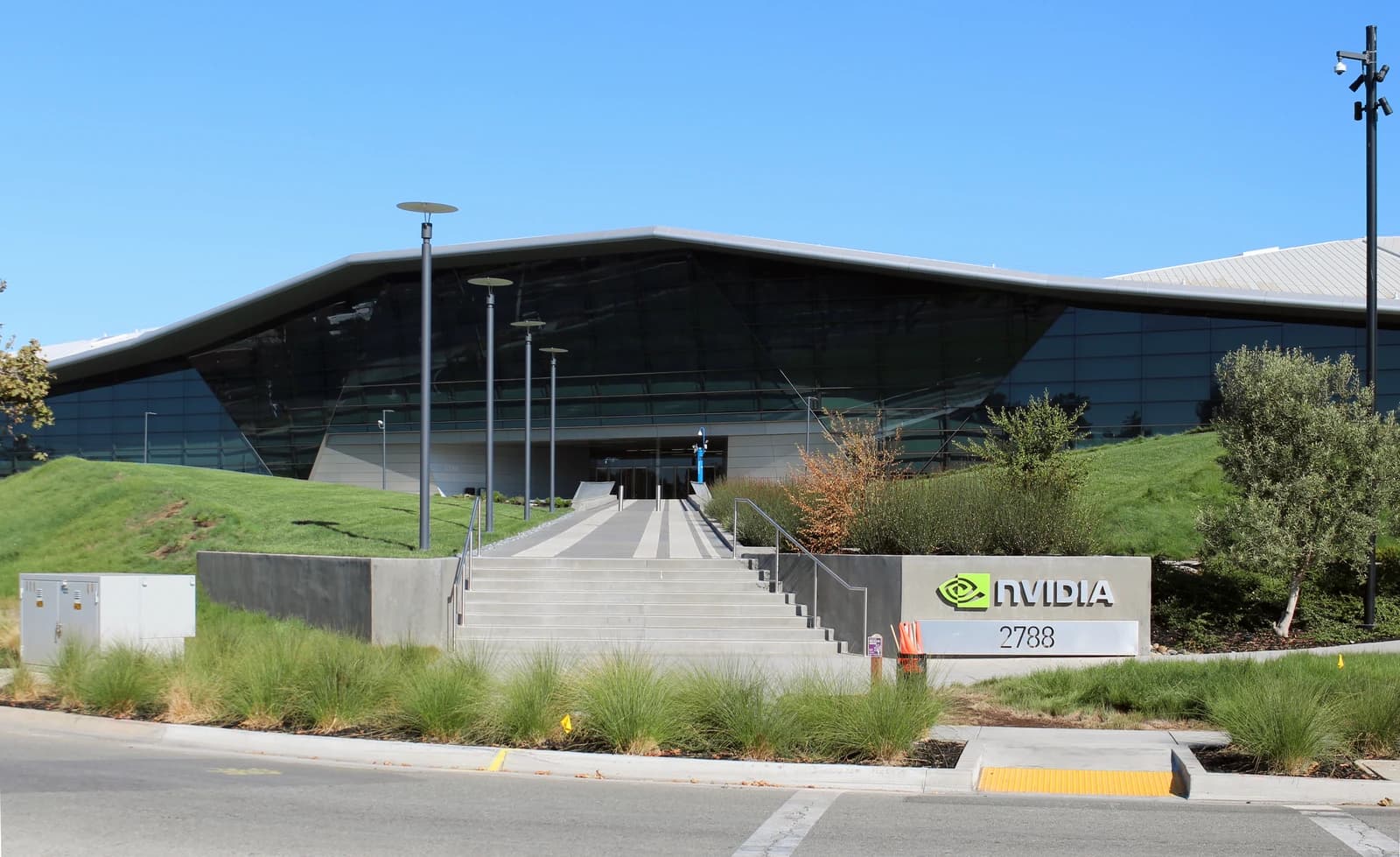
Nvidia’s plan to support four French startups as part of a broader $2 billion European funding wave shows the chipmaker doing more than selling GPUs — it is helping finance the next layer of the AI economy.
Nvidia backs French AI startups in Europe funding wave
That matters because the long-term winners in artificial intelligence are unlikely to be hardware suppliers alone. The companies that build the software, energy systems, cloud tools and industrial applications around the chips will shape how quickly AI moves from pilot projects to profitable, everyday use. By putting capital behind early-stage European firms, Nvidia is helping widen the ecosystem that depends on its chips, software stack and developer tools.
Sentiment IndicatorsⓘProprietary · adalytica.com · October 14, 2026
This is a snapshot — live sentiment, awareness and momentum for 130+ markets update continuously in the dashboard.Open AlphaPulse

For investors, the key takeaway is that Nvidia’s moat is becoming more strategic. The company has already shown it can dominate AI infrastructure, but ecosystems are what keep platforms sticky. When startups build around a vendor’s architecture, they often stay there for years. That can support future chip demand, deepen developer loyalty and create optionality in Europe, where governments and companies want more homegrown AI capacity.
The timing also fits a broader European scramble to avoid being locked out of the AI buildout. The region has often lagged the U.S. in funding scale and commercial adoption, but that gap is now looking like an opportunity. Europe’s push for AI startups, energy management and industrial software could generate a wave of demand for data centers, power equipment and enterprise AI services — all areas where Nvidia’s technology is central, even if it is not always visible to end users.

The market is already telling a story of strong enthusiasm for AI leadership. Nvidia shares have been volatile, but the stock remains well above its 200-day moving average and the long-term uptrend is intact. Adalytica’s NVIDIA Earnings Sentiment sits in “Extreme Greed,” which is a reminder that expectations are high. For long-term investors, that means the next leg of returns will have to come from durable earnings growth, not just multiple expansion.
Microsoft and Taiwan Semiconductor Manufacturing also stand to benefit from the same secular trend. Microsoft remains one of Nvidia’s most important customers and ecosystem partners, while TSMC still sits at the center of advanced chip manufacturing. If Europe’s startup scene accelerates, the whole AI supply chain can keep compounding — from chip design and foundry capacity to cloud software and energy efficiency.
There are risks, of course. Government support can draw in competitors, and startups burn cash fast. Europe also has to prove it can turn funding into scale, not just headlines. But for investors with a three- to 10-year horizon, the bigger picture is clear: AI is evolving from a chip story into an industrial and financial ecosystem. Nvidia’s decision to back French startups is a small move that points to a much larger opportunity.
For patient investors, that is exactly the kind of development worth watching — and keeping on the long-term buy list.
| Entity | Gains | Losses |
|---|---|---|
| Nvidia | ▲Deeper AI ecosystem | ▼Near-term capital outlay |
| French startups | ▲Funding and chip access | ▼Greater dependence on Nvidia stack |
| European AI market | ▲More local capacity | ▼Pressure to scale quickly |
| Rival AI platforms | ▲None directly | ▼Lost developer mindshare |