Nvidia has moved further into healthcare with a minority investment in Doctolib, the French-German doctor appointment platform, a deal that underscores how the chipmaker is broadening its AI reach beyond data centers and into regulated industries with large, recurring software and services revenue.
Nvidia Invests in Doctolib Healthcare AI Expansion

The investment matters because healthcare is one of the few sectors where artificial intelligence can deliver both efficiency gains and strategic pricing power, but only if vendors can prove data security, clinical usefulness and regulatory compliance. For Nvidia, the stake gives it a foothold in a market where AI adoption is likely to be sticky and expensive to build, while for Doctolib it offers access to one of the industry’s most influential AI ecosystems as it tries to accelerate development of language-model tools for European users.
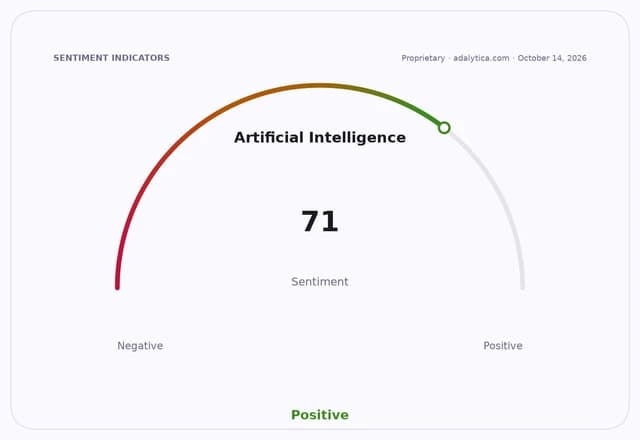
Doctolib said Nvidia’s capital and technical backing will help it hire AI talent more quickly and advance development. The company is betting that generative AI can reduce administrative friction for doctors and patients, potentially improving scheduling, documentation and workflow management at a time when health systems are under pressure from labour shortages and rising costs. The platform is already embedded in everyday medical access, which gives any AI layer built on top of it a distribution advantage that standalone software firms would struggle to match.
The partnership also highlights the commercial logic of AI in healthcare in Europe, where providers want innovation without surrendering control over patient data. Doctolib stressed that health data will remain on servers in the European Union and Britain, and that the AI models themselves will also stay within that framework. That point is central for investors: sovereignty over data and model hosting is increasingly a competitive requirement in Europe, not a footnote, and it can determine which platforms win enterprise and public-sector contracts.
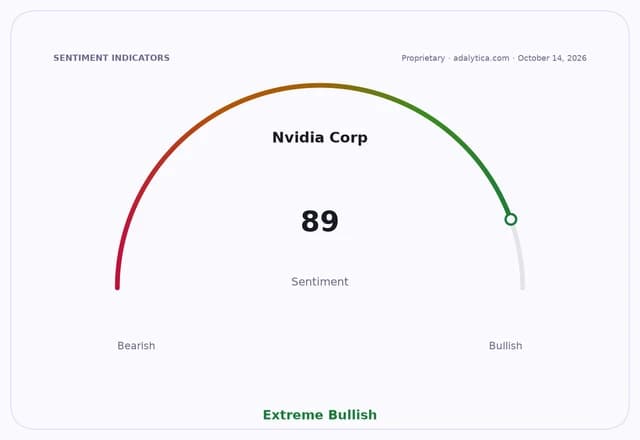
For Nvidia, the deal fits a broader strategy of embedding itself across the AI value chain, not just selling accelerators to cloud giants. The company has already benefited from demand for infrastructure from model builders, enterprises and sovereign customers, and minority stakes or commercial partnerships can help lock in future usage of its software stack, developer relationships and training expertise. Investors may read the move as another sign that Nvidia wants to shape how AI gets deployed, not merely supply the chips underneath it.
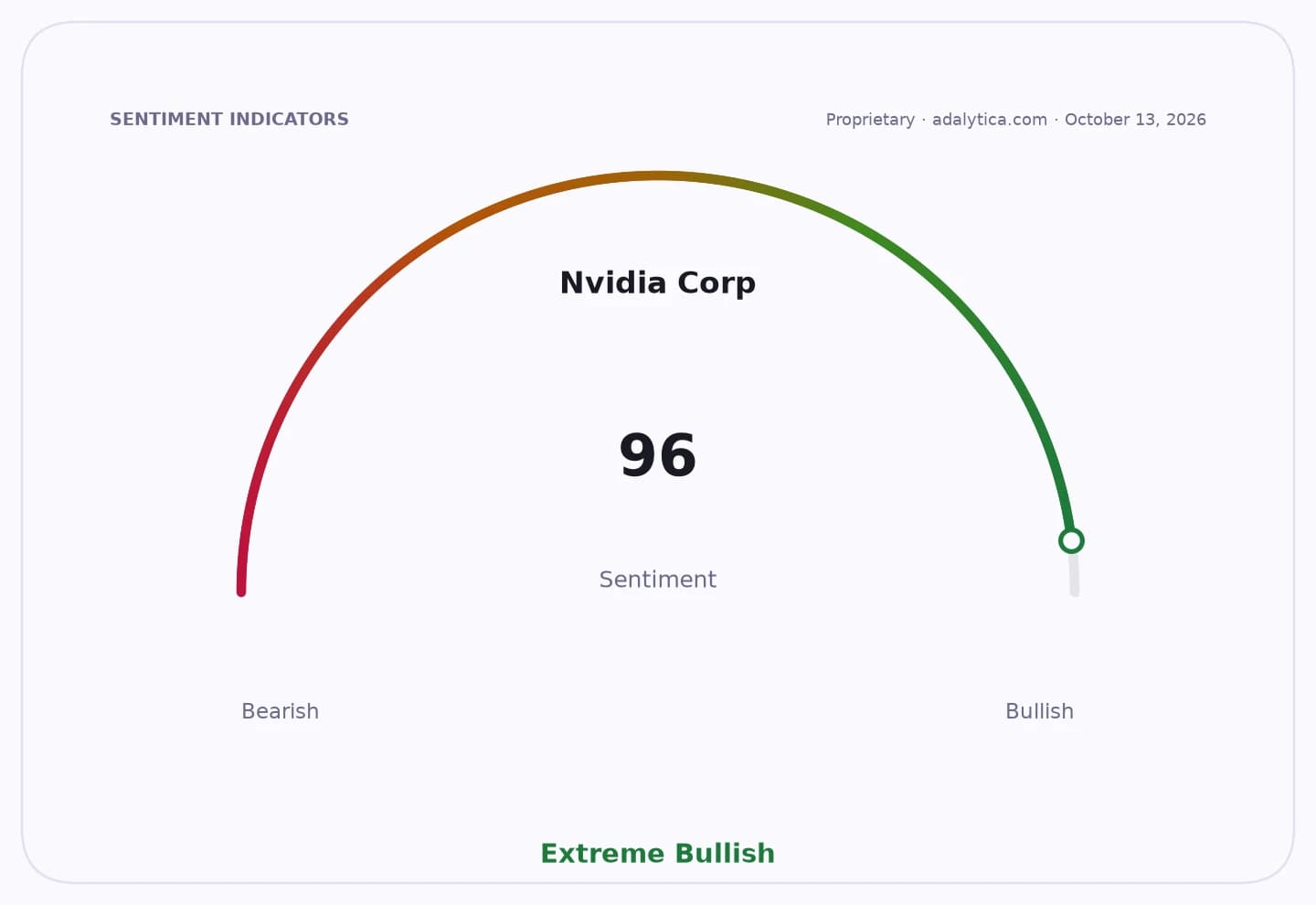
The market backdrop is complicated by the fact that Nvidia shares have been volatile even as long-term demand remains strong. Technical indicators show the stock recently trading around its 50-day moving average, with a momentum profile that has cooled from earlier overbought levels. That suggests investors are still rewarding strategic announcements, but are also looking for evidence that AI enthusiasm can translate into durable monetization outside the core semiconductor cycle.
The bull case is that healthcare is a massive underpenetrated market where AI can cut administrative costs, speed up decision-making and create high switching costs for providers. The bear case is that regulated industries often move slowly, and any AI product that touches patient records faces a higher bar for validation, liability and data governance. Execution will matter more than the headline: if Doctolib can turn Nvidia’s backing into compliant, useful products, the deal could become a template for AI adoption across European healthcare.
For investors, the takeaway is that AI remains a platform race, but the next phase is likely to be won by companies that can marry technical capability with regulated distribution. Nvidia is trying to position itself at that intersection.
| Entity | Gains | Losses |
|---|---|---|
| Nvidia | ▲Healthcare distribution | ▼Pure-chip exposure |
| Doctolib | ▲AI expertise and capital | ▼Some strategic independence |
| European hospitals and doctors | ▲Better workflow tools | ▼Slower legacy processes |
| AI rivals in healthtech | ▲New benchmark pressure | ▼Share of attention and deals |