Artificial intelligence’s role in helping terrorists develop bioweapons is intensifying pressure on governments to tighten oversight of the sector, a risk that could reshape regulation, model access and spending across Microsoft, Nvidia and C3.ai.
Microsoft, Nvidia, C3.ai Face AI Biosecurity Risk

The warning, underscored by the head of Britain’s MI5, adds a national-security dimension to an already volatile AI trade. For investors, that raises the odds of tougher controls on frontier models, more scrutiny of data-center customers and heavier compliance costs for the companies powering and deploying AI systems.
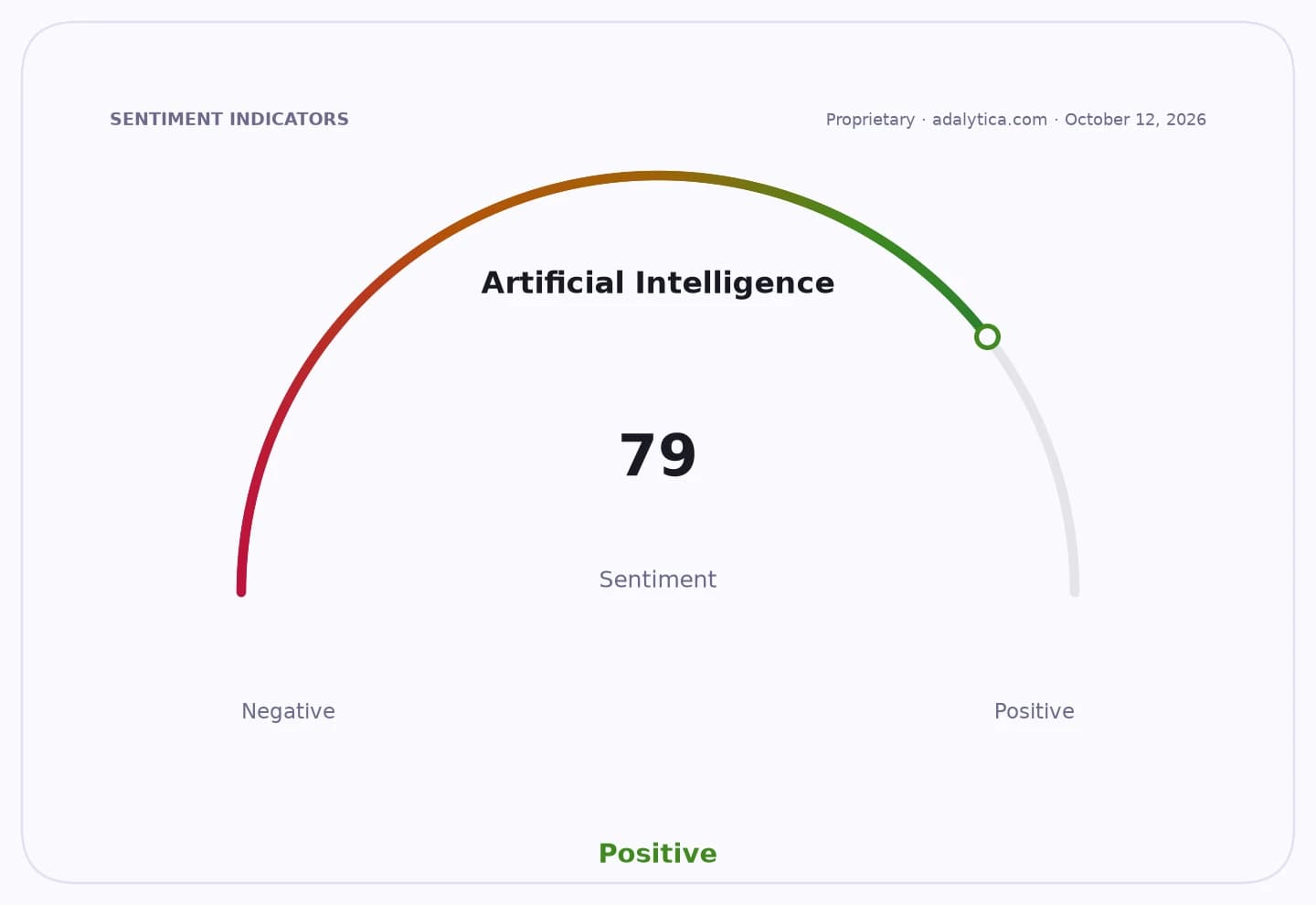
Sentiment IndicatorsⓘProprietary · adalytica.com · October 14, 2026
This is a snapshot — live sentiment, awareness and momentum for 130+ markets update continuously in the dashboard.Open AlphaPulse
The concern is no longer hypothetical. Security officials and researchers are increasingly warning that large language models and other advanced tools could lower the barriers to designing pathogens or improving existing biological agents, while also amplifying cyber and disinformation threats. That makes biosecurity one of the clearest fault lines in the broader debate over AI governance.
The issue lands at a time when AI stocks remain tightly linked to confidence in growth and policy stability. Microsoft shares have climbed to $543.45, well above the 50-day moving average of $502.87 and the 200-day average of $433.28, while Nvidia ended at $228.52, near its 50-day average of $222.90. C3.ai closed at $12.01, extending a rebound from earlier-year lows but still trading close to its own trend lines.
Adalytica’s sentiment gauges show investors remain bullish on the group despite the policy overhang, with Nvidia at 89, or “Extreme Greed,” Microsoft at 71, or “Greed,” and C3.ai also at 71. But those readings sit alongside “Extreme Fear” awareness scores, suggesting the market is still underpricing the possibility of regulatory shocks tied to AI misuse.
That matters because the most immediate impact would likely fall on model providers, chipmakers and cloud platforms that sell into sensitive sectors or host powerful systems. Nvidia faces the risk that governments may restrict how advanced chips and AI hardware are exported or used, while Microsoft could see more pressure on how AI services are deployed through Azure and other products. C3.ai, which markets AI software to enterprises and government clients, could also face slower procurement cycles if buyers are forced to adopt stricter screening and audit requirements.
The policy response could also alter capital spending patterns. If regulators demand additional safeguards, identity verification, logging and model testing, companies may need to devote more resources to compliance rather than growth, even as demand for AI infrastructure stays strong. That would matter most for investors who have been betting that AI spending can continue to scale without major new constraints.
| Entity | Gains | Losses |
|---|---|---|
| Governments/regulators | ▲More oversight power | ▼Faster AI deployment |
| AI safety vendors | ▲Higher demand for safeguards | ▼Unchecked model use |
| Microsoft, Nvidia, C3.ai | ▲Long-term trust if safeguards improve | ▼Near-term compliance costs |
| Bad actors | ▲None | ▼Easier access to powerful AI tools |