The White House is moving to assess growing risks from artificial intelligence at a moment when the industry’s biggest players are racing to ship more powerful systems and investors are still pricing in rapid growth with limited near-term oversight.
White House AI task force raises oversight risk
The issue matters economically because AI has become one of the main sources of capital spending, revenue growth and equity-market outperformance in the U.S. If policymakers conclude that voluntary safeguards are not enough, the result could be slower product rollouts, higher compliance costs, more limits on model deployment and a less forgiving environment for frontier AI firms and their suppliers.
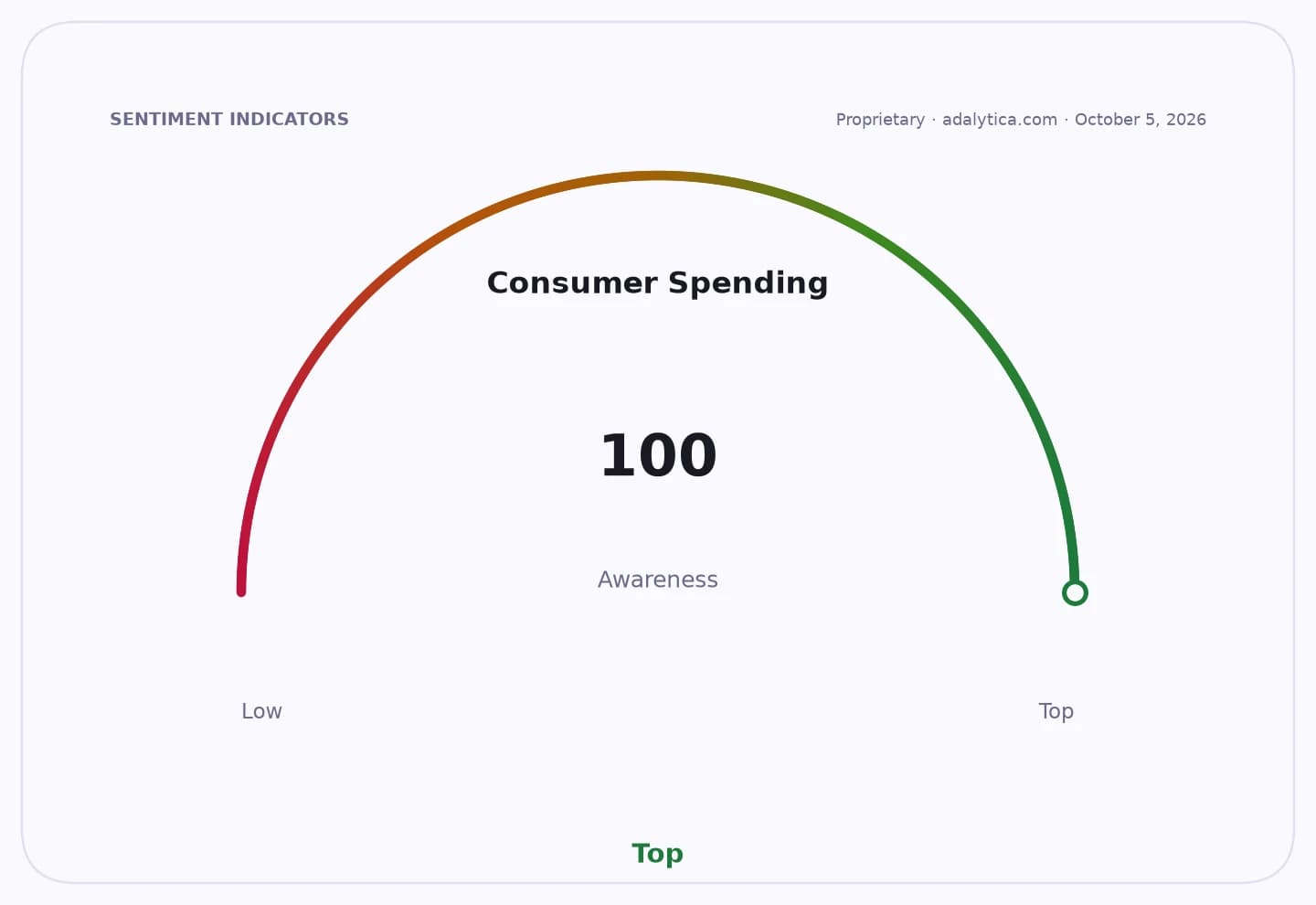
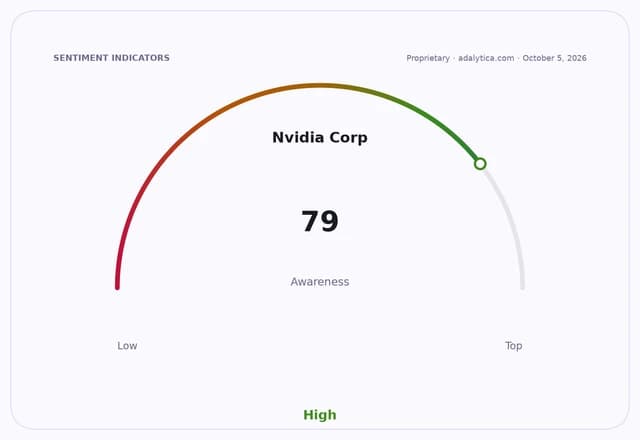
Sentiment IndicatorsⓘProprietary · adalytica.com · October 5, 2026
This is a snapshot — live sentiment, awareness and momentum for 130+ markets update continuously in the dashboard.Open AlphaPulse
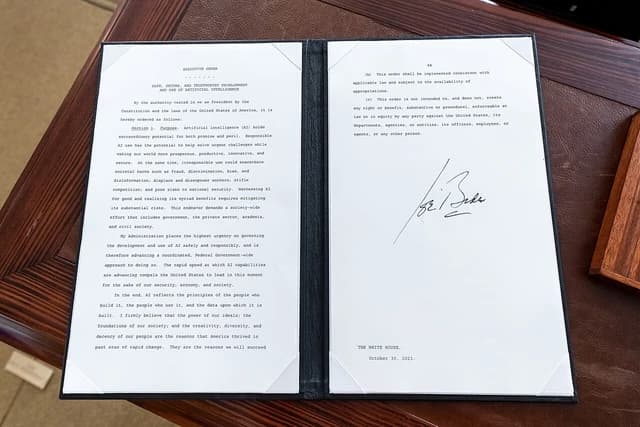
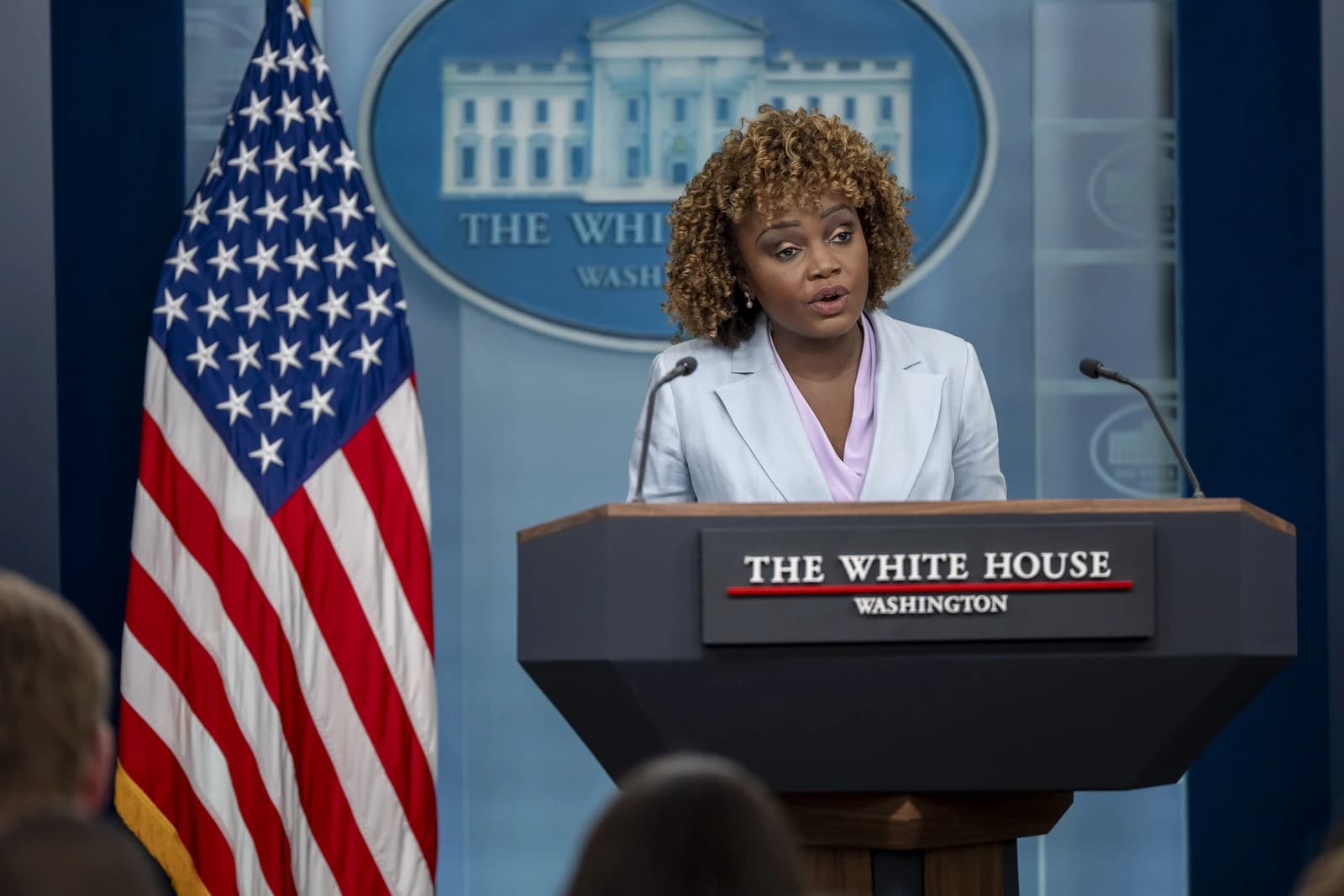
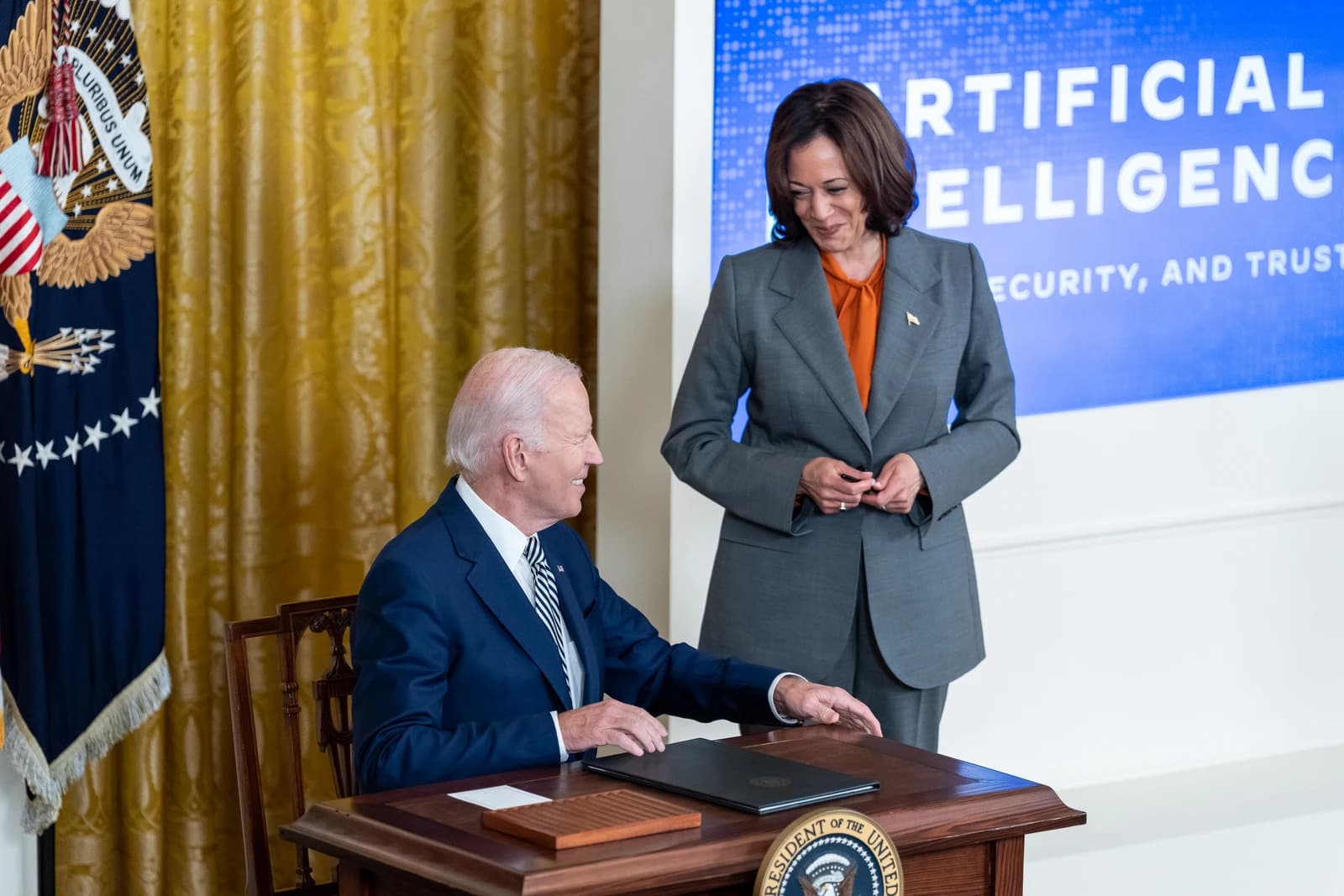
That tension was highlighted by Bloomberg Opinion columnist Gautam Mukunda, who said on Bloomberg This Weekend that competitive and financial pressures can push companies to prioritize growth over safety, making self-regulation an unreliable backstop. His comments came as the White House formed a new AI task force, a sign that Washington is increasingly treating AI not just as an innovation story but as a governance problem with potential labor, privacy, cybersecurity and national-security consequences.
For investors, the stakes are broad. Nvidia has been one of the clearest beneficiaries of AI infrastructure spending, while Microsoft remains tightly tied to enterprise AI adoption and OpenAI-related demand. Both stocks have rallied strongly, with Nvidia up to $237.96 and Microsoft to $525.20 in the latest trading data, leaving them sensitive to any shift in the policy narrative that could challenge the pace of AI monetization. Anthropic’s planned IPO also underscores how quickly the market is moving to assign public valuations to the AI stack before the regulatory framework is settled.
The policy backdrop is uneven. Trump has publicly praised tech companies’ “tremendous self-regulation,” reinforcing a lighter-touch U.S. approach even as other jurisdictions move faster toward formal rules. The European Union’s AI Act is already forcing companies to think about cross-border compliance, and filings from Microsoft, Nvidia, Google and Meta all flag the risk that governments may restrict the development, deployment or access to advanced models and hardware.
That makes the White House task force significant not because it guarantees new rules, but because it suggests the debate is shifting from principle to implementation. A more active federal stance could sharpen scrutiny of frontier models, data use and safety testing, while a continued hands-off approach would favor incumbents by preserving the current growth trajectory. Either way, investors are being asked to weigh a familiar trade-off: the faster AI scales, the greater the economic payoff — and the larger the regulatory bill if something goes wrong.
| Entity | Gains | Losses |
|---|---|---|
| White House/task force | ▲Policy visibility | ▼Narrative of easy self-regulation |
| AI leaders (Microsoft, Nvidia, Anthropic) | ▲Continued growth path | ▼Higher compliance burden |
| Investors in AI names | ▲Near-term upside if rules stay light | ▼Valuation risk from tighter oversight |
| Regulators/safety advocates | ▲More formal scrutiny | ▼Influence if industry self-polices successfully |