Amazon’s 50% discount on the latest Echo Spot is a small product move with a big strategic message: the company is leaning hard on aggressive promotions to keep consumers engaged just as spending sentiment weakens and the holiday shopping season approaches.
Amazon Echo Spot Sale Ahead of Prime Big Deal Days

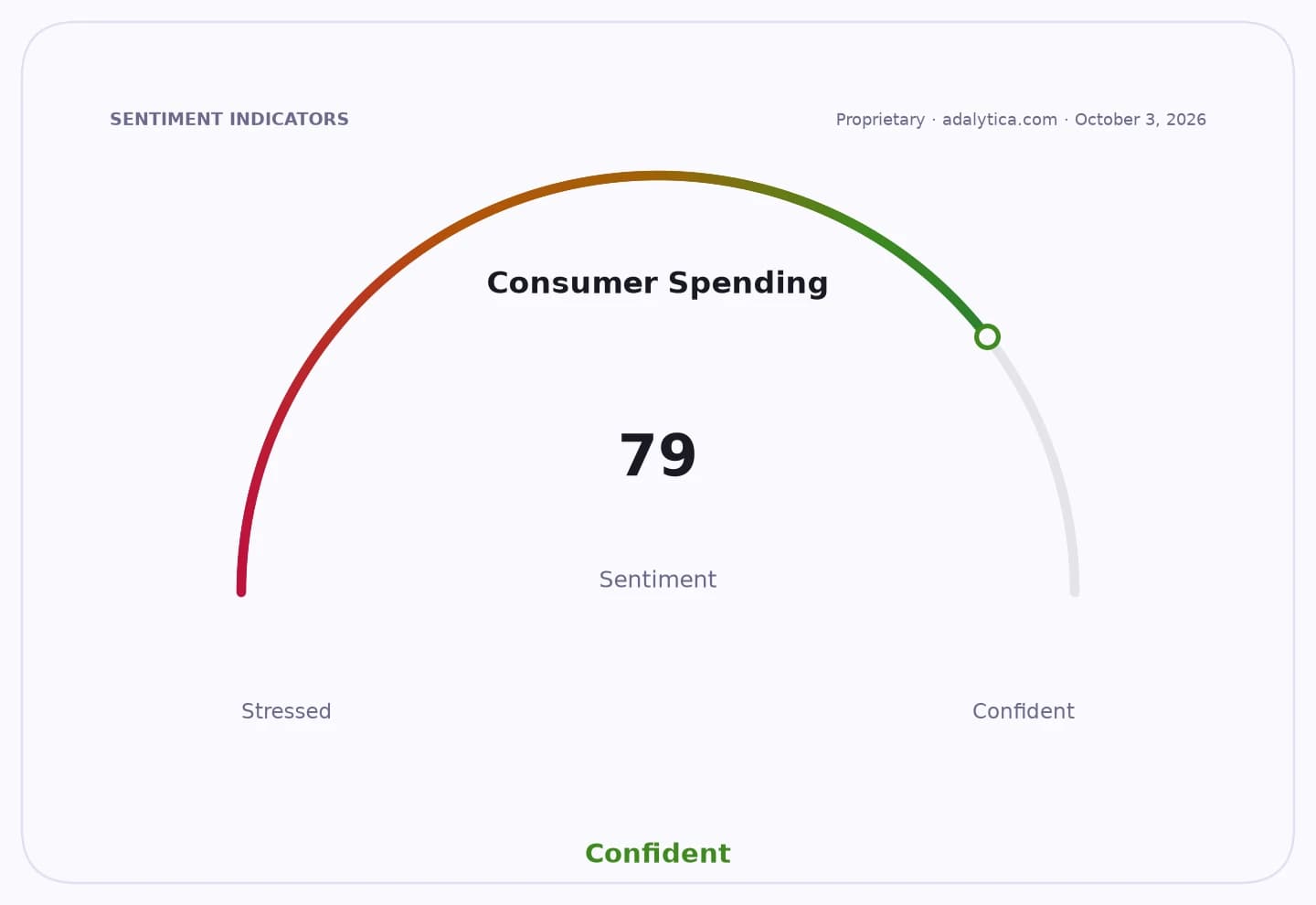
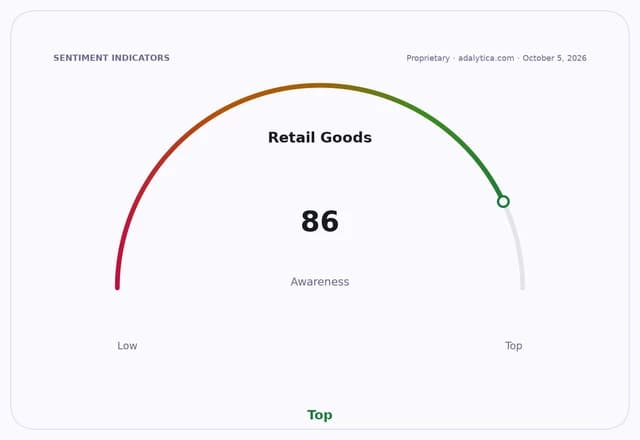
The smart alarm clock is now listed at $55, down from $110, ahead of Prime Big Deal Days — an early trigger for Amazon’s biggest retail machine. That matters because the company is not just clearing inventory; it is using low-ticket hardware to pull shoppers deeper into its ecosystem at a time when consumers are getting more price sensitive. Adalytica’s Consumer Spending Sentiment sits at 25, labeled Fear, while Retail Goods Spending Sentiment is only 7, or Extreme Fear. That is the kind of backdrop that makes discounts powerful, but also necessary.
Sentiment IndicatorsⓘProprietary · adalytica.com · October 5, 2026
This is a snapshot — live sentiment, awareness and momentum for 130+ markets update continuously in the dashboard.Open AlphaPulse
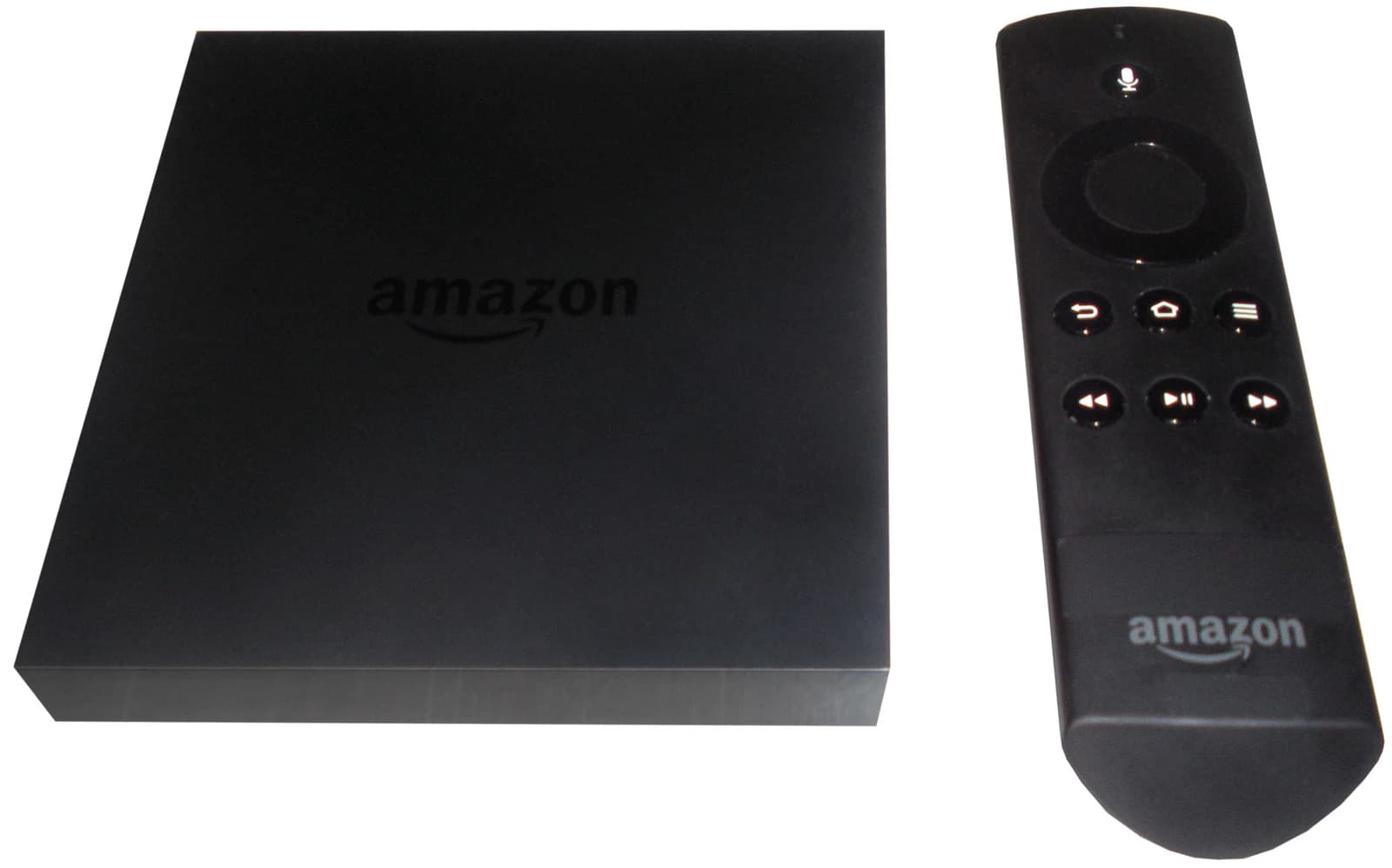
For Amazon, the Echo Spot is less about the device itself than about the customer it brings in. The latest model is designed as a bedroom or kitchen Alexa hub, with a small display, touch controls and smart-home routines that encourage recurring use. It is also a gateway product: once a household buys in, Amazon has more touchpoints for Alexa services, smart-home hardware, eero networking and, increasingly, paid features tied to Alexa+. In other words, the $55 sticker price is the bait; the lifetime value sits in the broader ecosystem.
That is why the timing is important for investors. Amazon is signaling that it will keep using hardware as a funnel for services and commerce, even if margins on the gadget itself are thin. In a soft consumer environment, the winners are the platforms that can subsidize hardware to defend engagement. The losers are stand-alone gadget makers that lack an attached subscription, retail or cloud business to monetize the relationship later.
The market backdrop reinforces that view. Amazon shares have been consolidating around the low-$250s after a strong run earlier this year, with the stock hovering near its 50-day moving average and well above the 200-day average, suggesting the long-term uptrend remains intact even as momentum cools. That makes this exactly the kind of pullback in sentiment where investors should look past the headline discount and focus on the flywheel underneath it.
The bigger narrative is that Prime Big Deal Days is not just a shopping event; it is a demand test. If consumers are trading down, Amazon can still win share by matching that behavior with sharper promotions and tighter ecosystem lock-in. If spending stabilizes, the same playbook amplifies volume. Either way, Amazon is positioned to take more of the consumer wallet.
For investors, the takeaway is straightforward: the Echo Spot sale is a reminder that Amazon’s retail engine is still built to sacrifice on hardware to strengthen the broader platform. That favors Amazon the ecosystem owner, while pressuring smaller consumer-electronics brands and anyone competing on price alone. The best way to play the opportunity is to stay with the infrastructure behind the shopping event, not the discounted gadget at the center of it.
| Entity | Gains | Losses |
|---|---|---|
| Amazon | ▲More Prime engagement | ▼Lower hardware margin |
| Alexa ecosystem | ▲Higher device penetration | ▼Standalone device rivals |
| Price-sensitive shoppers | ▲Cheaper entry point | ▼Fewer premium options |
| Small smart-device makers | ▲— | ▼Harder price competition |