Amazon’s October Prime Day is turning into a practical buying event for investors and households alike, with discounts on smart home gear that can cut electricity use, automate daily chores and improve privacy — the kind of upgrades that tend to stick because they save money over time.
Amazon Prime Day Smart Home Deals
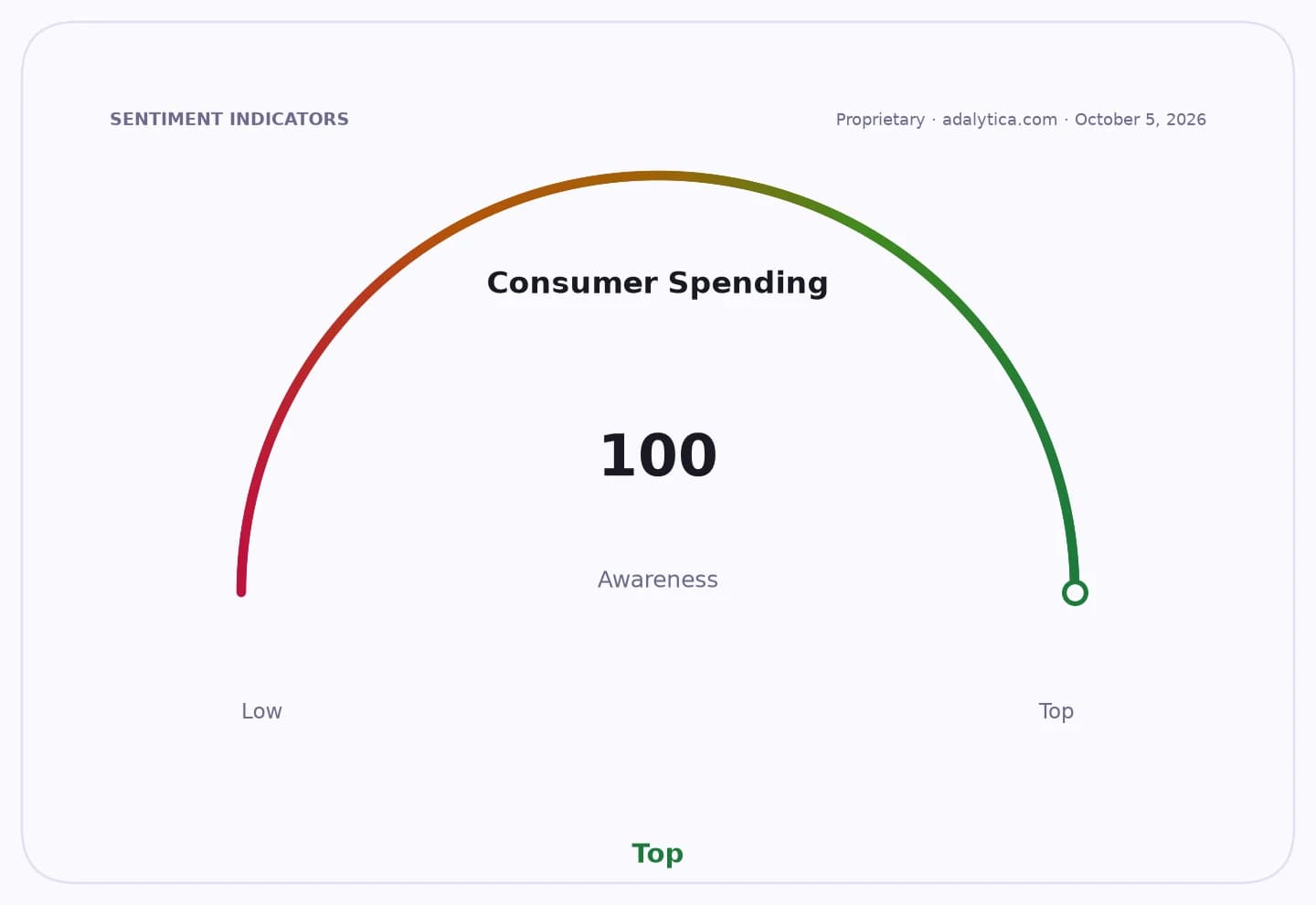
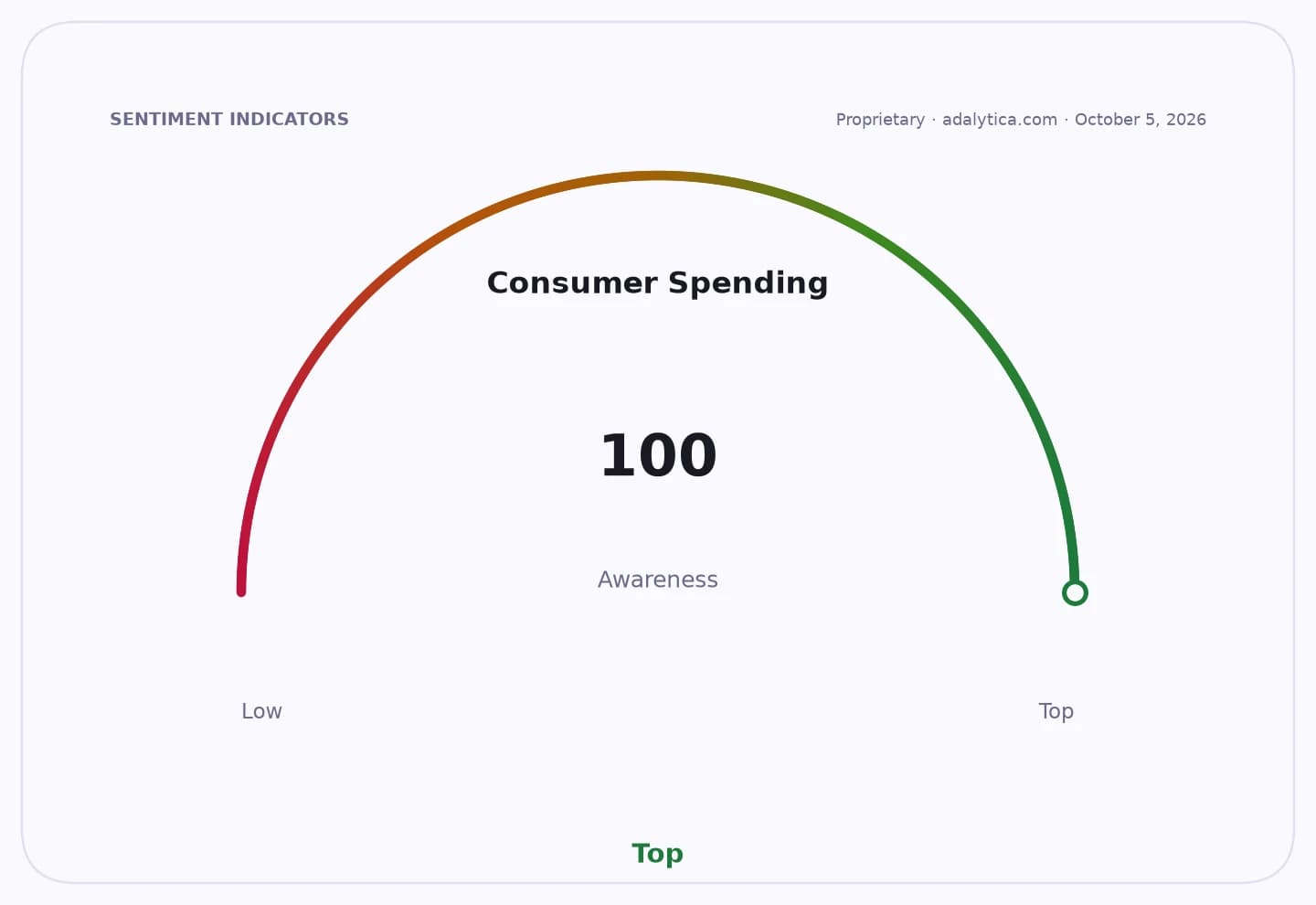
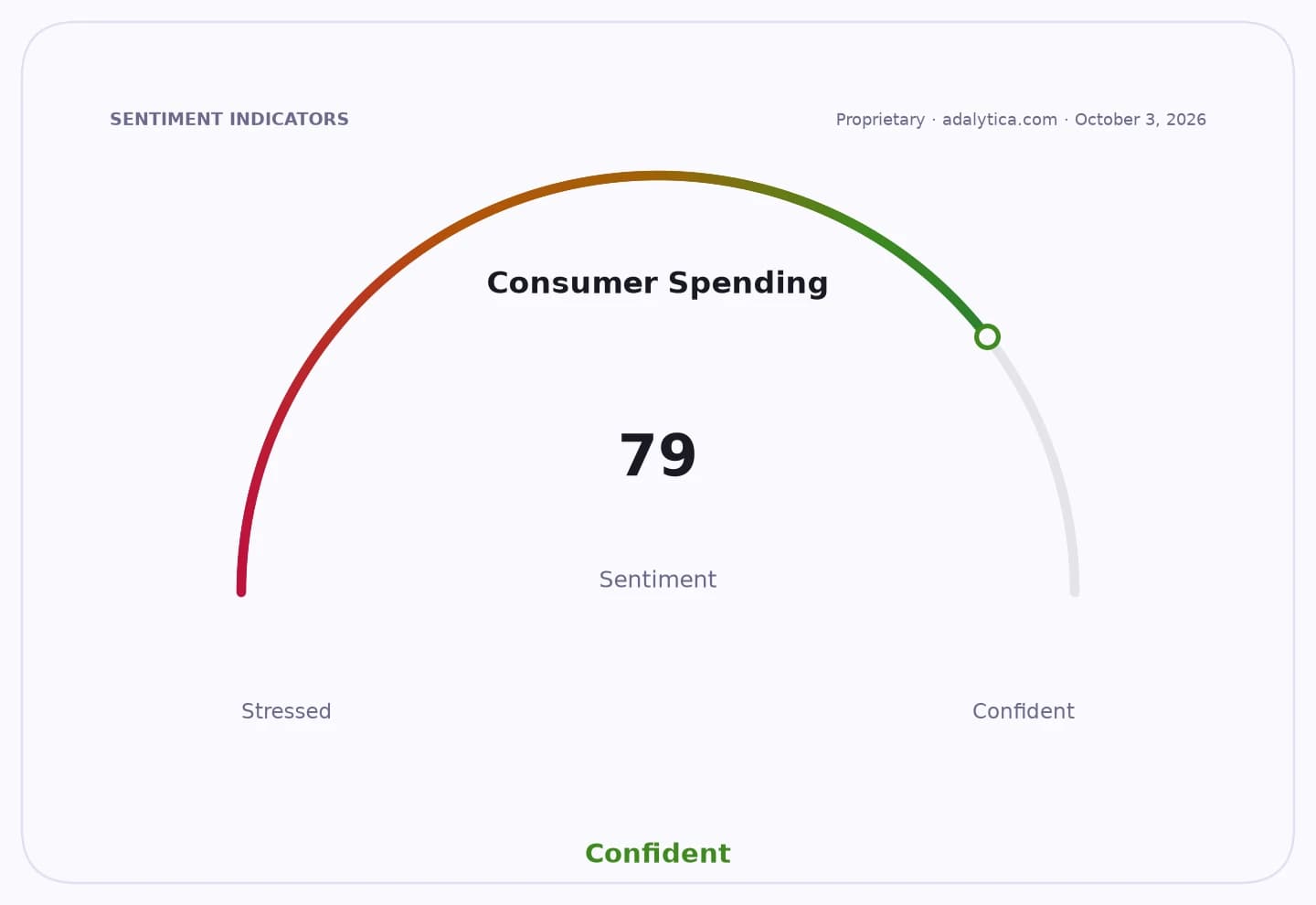
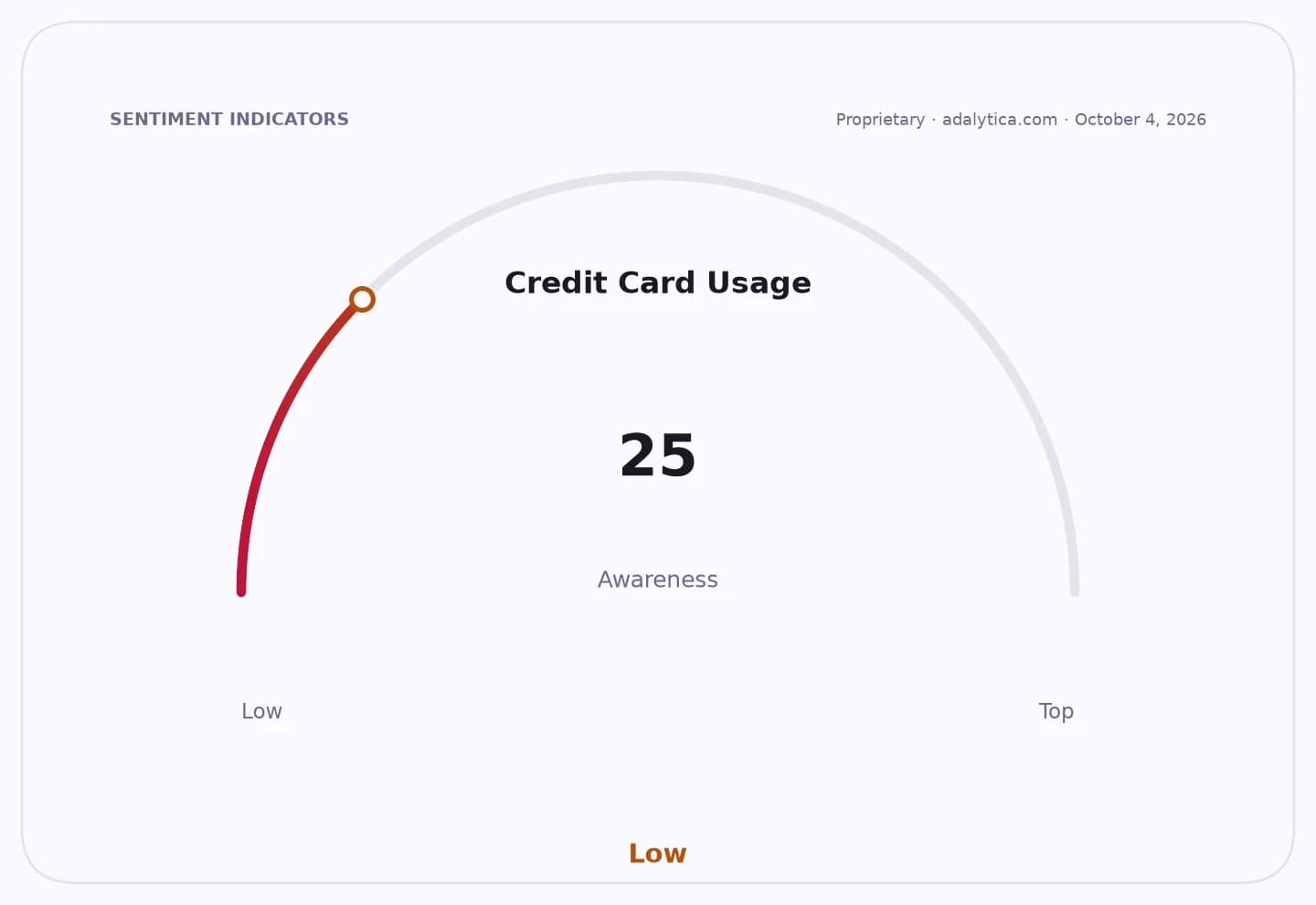
That matters because the smartest consumer-tech purchases are often the ones that lower recurring bills, not just the upfront ticket price. In a market where Adalytica’s Consumer Spending Sentiment sits in Fear at 25 and Retail Goods Spending Sentiment is in Extreme Fear at 7, shoppers are still looking for value. Smart plugs, thermostats and connected fans fit that mindset well: they are discretionary buys, but they can also reduce heating, cooling and standby-power costs.
Sentiment IndicatorsⓘProprietary · adalytica.com · October 5, 2026
This is a snapshot — live sentiment, awareness and momentum for 130+ markets update continuously in the dashboard.Open AlphaPulse
The clearest example is the Google Nest Learning Thermostat, a premium device that can pay for itself in one to two years through energy savings, according to the product testing cited here. That is the sort of compounding benefit long-term investors should like. A device that cuts a utility bill every month becomes more attractive than a gadget that merely looks good on the wall. The Tapo smart plug pack is another useful example because it adds energy monitoring — a small feature, but one that can reveal where a home is wasting power, especially as colder weather drives use of space heaters.
There is also a broader story for Amazon itself. Prime Day is not just about moving inventory; it reinforces Amazon’s role as the default marketplace for household technology. The stock has been trading above both its 50-day and 200-day moving averages, and its recent rebound from early-October weakness suggests investors still see durable value in the company’s retail and platform ecosystem. For Amazon, events like this deepen customer habits, support seller activity and keep the Prime membership flywheel spinning.
Google also has something to gain. The Nest thermostat is exactly the kind of connected device that helps tie consumers into a broader smart-home ecosystem, where hardware sales can support later subscriptions and services. Apple, meanwhile, benefits indirectly from the continued normalization of app-controlled home devices, since the more consumers rely on phones and voice assistants, the more valuable the smartphone becomes as the home’s control center.
For investors, the real takeaway is that smart-home demand is shifting from novelty to utility. The best products here are not luxury toys; they are energy tools, convenience tools and, in some cases, privacy tools. That makes the category resilient even when consumers are cautious.
If you are building wealth over the next three to 10 years, this is the kind of spending that deserves attention: products with a payback period, not just a wow factor. Smart home deals may be worth waiting for during Prime Day, but the bigger lesson is permanent — the homes that save money tend to keep saving it. Worth watching, and worth considering for a long-term buy list.
| Entity | Gains | Losses |
|---|---|---|
| Amazon | ▲Prime Day traffic and seller activity | ▼Discount shoppers waiting for better deals |
| Google Nest | ▲More thermostat adoption and ecosystem lock-in | ▼Standalone thermostat makers |
| Tapo | ▲Demand for budget smart plugs with energy monitoring | ▼Basic plug rivals without monitoring |
| Consumers | ▲Lower energy bills and convenience | ▼Higher upfront spend on premium devices |