Households facing higher borrowing costs are being urged to turn clutter into cash, as a strong consumer spending backdrop and rising rate pressure make the case for a clear-out more compelling.
Second-Hand Market Gains as Borrowing Costs Rise
The immediate economic logic is simple: when mortgage, rent and utility bills rise, households need either more income or less waste. Selling unused goods from garages, cupboards and sheds can provide a quick, low-friction buffer at a time when budget stress is intensifying and discretionary spending remains resilient. That makes second-hand income less of a novelty than a small but practical hedge against tighter household cash flow.
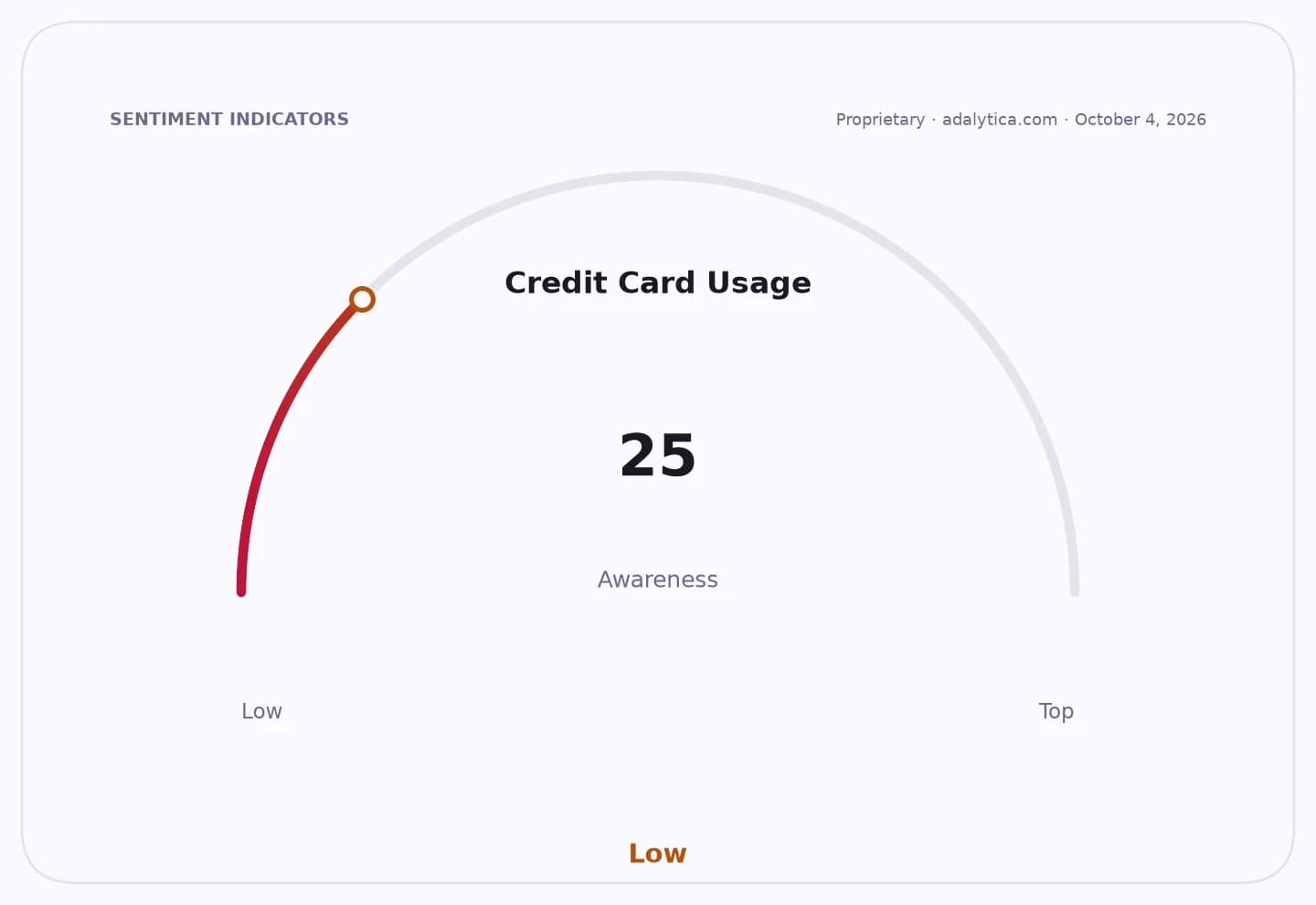
Sentiment IndicatorsⓘProprietary · adalytica.com · October 4, 2026
This is a snapshot — live sentiment, awareness and momentum for 130+ markets update continuously in the dashboard.Open AlphaPulse
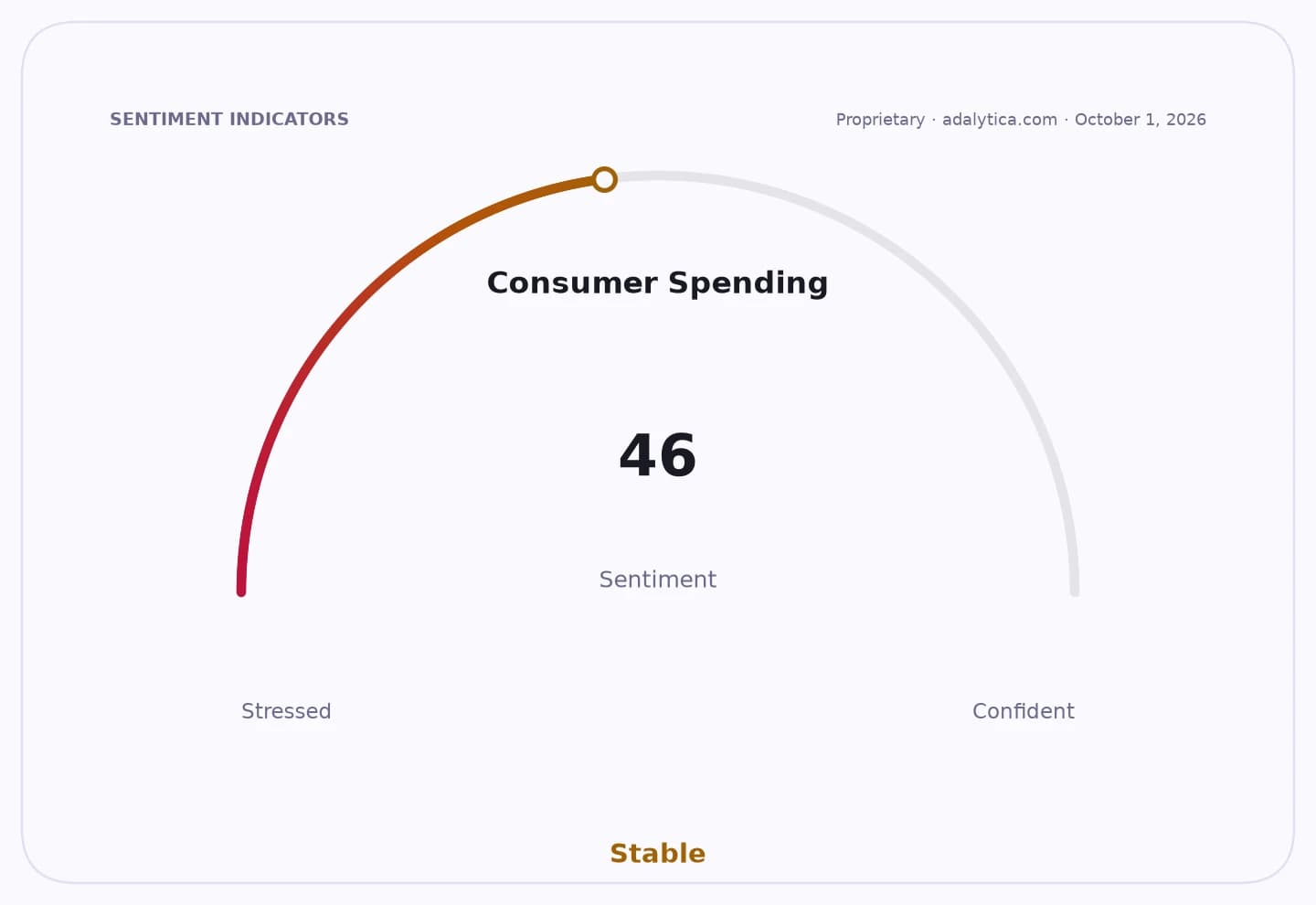
The broader backdrop matters. Recent data and market indicators point to an economy still wrestling with inflation and rate pressure, with consumer sentiment around spending remaining elevated even as credit-card usage attitudes are more cautious. Adalytica’s Consumer Spending Sentiment gauge is still in “Greed” territory at 79, while its Credit Card Usage Sentiment reads “Neutral” at 68, suggesting households are willing to spend but are more selective about how they finance it.
That combination can be useful for the second-hand market. One person’s unwanted appliance, tool, collectible or electronics drawer-filler becomes another’s lower-cost substitute for a new purchase. In an environment where interest rates are higher and budgets are stretched, the economics of reuse improve: sellers can raise cash without taking on debt, and buyers can sidestep full retail pricing.
The market backdrop also points to a consumer more willing to trade down, even if not yet in outright distress. That is consistent with the kind of behaviour that supports marketplaces, classifieds platforms and pawn-style channels during periods of cost-of-living pressure. It also helps explain why “junk” hunting has become mainstream financial advice rather than a niche side hustle.
For investors, the significance lies less in the odd garage sale and more in the pattern behind it. If households increasingly monetise dormant goods, that can support activity in resale platforms and used-goods ecosystems while putting pressure on retailers selling new goods at full price. The bullish case for those channels is obvious: more supply, more transactions and more price-conscious buyers. The bearish case for traditional retailers is that tighter budgets and better resale alternatives can slow new-product demand, especially for durable goods and non-essential items.
Technical signals in broader markets still suggest investors are watching the consumer closely. SPY has held above both its 50-day and 200-day moving averages, pointing to a still-supportive risk backdrop, while TLT remains well below its longer-term trend after a sharp selloff in long-duration bonds. That matters because the cost of living story is being driven as much by financing conditions as by prices at the checkout.
The message for households is practical rather than dramatic: if rates are biting, unused assets can become a short-term source of liquidity. For investors, the takeaway is that household belt-tightening does not always mean abrupt retrenchment; often it shows up first in the way consumers shop, resell and substitute. That makes the second-hand economy a small but meaningful barometer of financial pressure, and a beneficiary of the squeeze if borrowing costs stay elevated.
| Entity | Gains | Losses |
|---|---|---|
| Households selling unused items | ▲Quick cash buffer | ▼Clutter and idle assets |
| Second-hand marketplaces | ▲More listings and traffic | ▼New-goods retailers |
| Price-sensitive buyers | ▲Lower-cost purchases | ▼Premium-brand sellers |
| Traditional retailers | ▲Inventory pressure ease less likely | ▼Slower new-product demand |