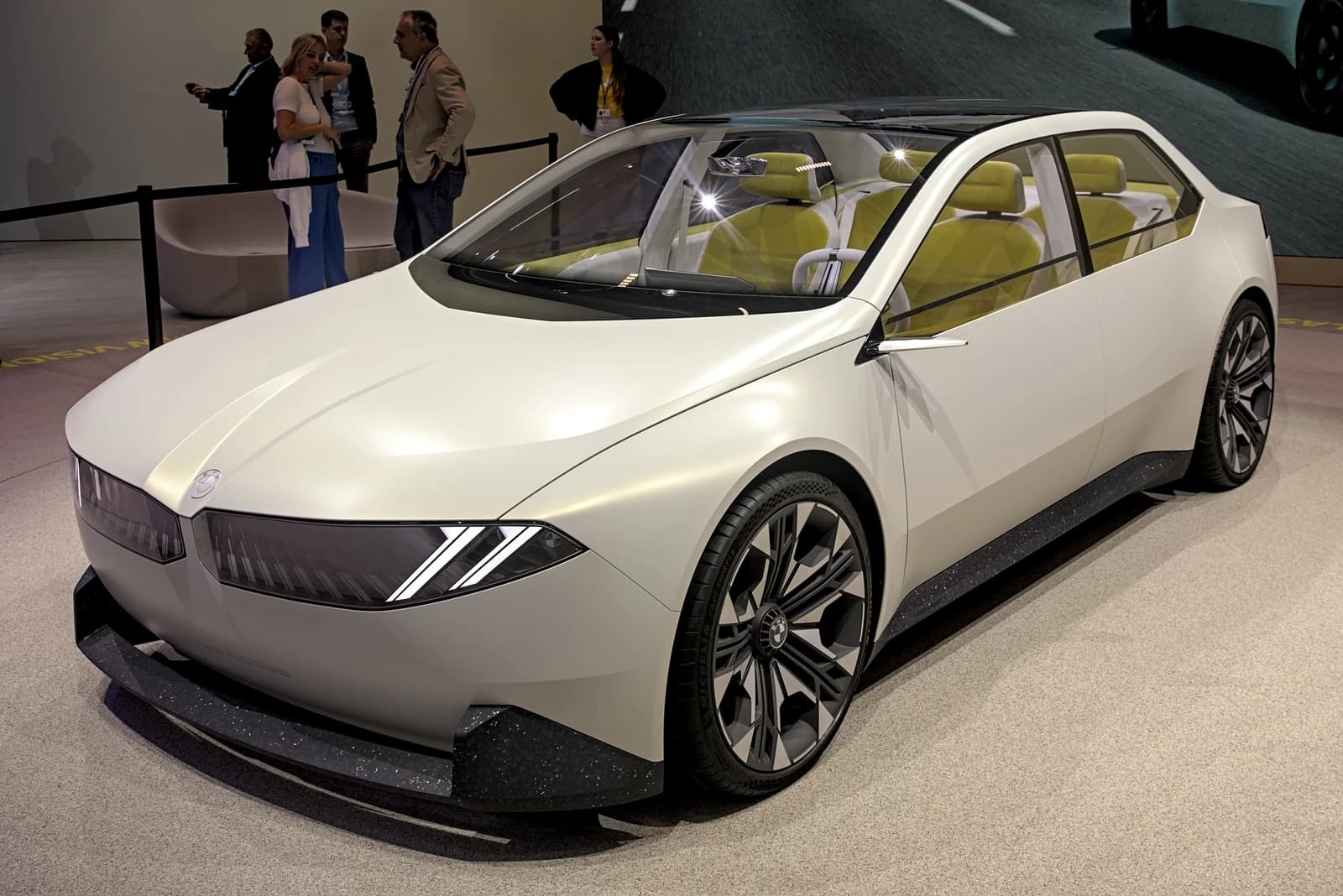
BMW’s global car sales dropped 6.3% in the third quarter, a reminder that even premium automakers with growing electric-vehicle lineups are still at the mercy of China’s slowdown. For long-term investors, the key question is not whether BMW can build better cars — it clearly can — but whether its mix of China exposure, U.S. manufacturing, and rising EV demand in Europe can keep the business resilient as the industry resets.
BMW Q3 Sales Fall as China Weakens
The German automaker delivered 551,072 vehicles in the July-to-September period, with China doing the most damage. Deliveries in the world’s largest auto market fell 24.8% to 114,355 as EV incentives ended and the broader economy cooled, leaving BMW to absorb a sharper-than-expected hit in a region that has long been a profit engine for global luxury brands.
That weakness matters far beyond one quarter’s unit count. China is still the most important battleground for global automakers, and when demand softens there, it can ripple through pricing, inventory, dealer orders and margin expectations. It also underscores a deeper industry shift: buyers are changing faster in some markets than others, and legacy premium brands have to keep investing heavily just to defend share.
BMW’s bright spot is the United States, where sales rose 2.5% to 106,741 in the quarter. The company has a structural advantage there because it makes large SUVs such as the X3, X5 and X7 at its Spartanburg, South Carolina plant, shielding those models from the high tariffs that can hit imported vehicles. For investors, that local production base is a real strategic asset, not just a footnote.
Europe, meanwhile, is giving BMW a reason to stay constructive. Sales in the region rose 2.7% to 235,628, while fully electric vehicle deliveries jumped 37.5% to 81,941. BMW said about one in every three cars it delivered in Europe was fully electric, a sign that its “Neue Klasse” transition is gaining traction where regulation and consumer demand are more supportive.
That is the long-term story investors should focus on. BMW is not simply trying to survive a weak quarter; it is trying to prove that it can grow into the next phase of the auto market without losing the premium positioning that has supported its brand for decades. The mix is uneven — China is hurting, Mini slipped 2.4%, Rolls-Royce fell 18% and Motorrad declined 12.5% — but the company’s EV momentum in Europe and its U.S. manufacturing base show why this is still a resilient franchise.
The stock-market backdrop suggests investors are already weighing that tension. BMW’s shares have been volatile, and conventional technical indicators such as the 50-day moving average and RSI readings show the stock has had to work through a choppy patch. But for patient investors, sales setbacks like this are more useful as signals to assess durability than as reasons to abandon a quality global brand.
BMW’s nine-month auto deliveries still fell 4.9% to 1.71 million, so the company has work to do. If China stabilizes, if European EV demand stays firm and if U.S. production continues to offset trade pressure, BMW can remain a meaningful compounder over the next several years. For investors building a long-term portfolio, that makes it worth watching — and, on weakness, worth considering for the watchlist rather than writing off.
| Entity | Gains | Losses |
|---|---|---|
| BMW U.S. business | ▲Tariff protection, higher sales | ▼China-driven volume pressure |
| BMW Europe EV line | ▲Strong demand, faster EV adoption | ▼Margin pressure from transition costs |
| BMW China operations | ▲— | ▼Slower demand, ended incentives |
| Premium rivals | ▲— | ▼Face same China weakness, tougher luxury demand |