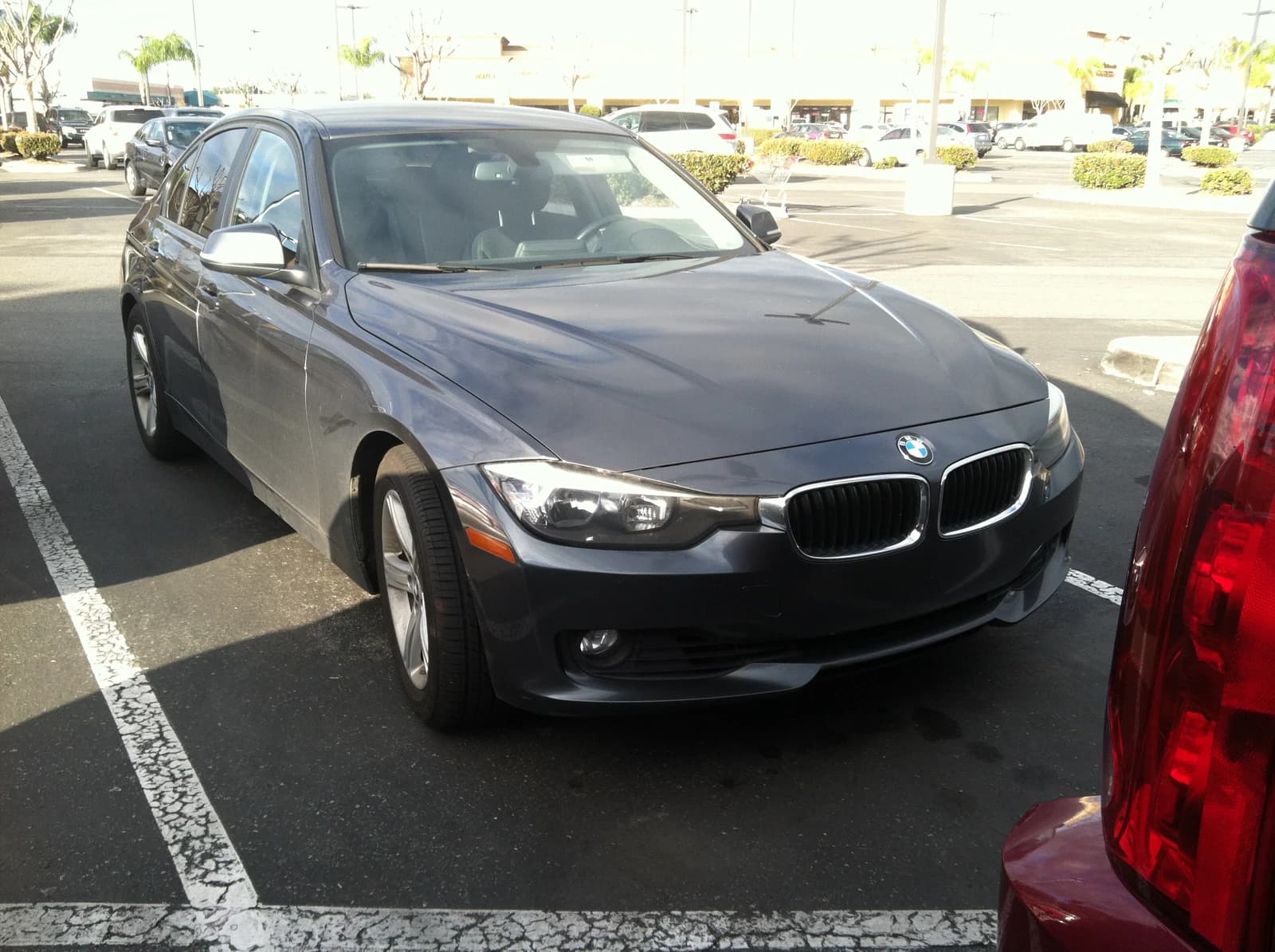
BMW’s refusal to provide a company car to a far-right AfD politician in Saxony-Anhalt is a small commercial decision with a much bigger message: Germany’s biggest industrial names are drawing a harder line against political extremism just as the AfD pushes closer to regional power.
BMW Refuses Company Car for AfD Politician
That matters because in Germany, access to corporate fleets, supplier relationships and prestige contracts has long been part of the social fabric tying business to the state. When BMW declines a leasing arrangement for the new speaker of a state parliament, it is not moving the market on its own. But it is reinforcing a broader shift in which major employers are increasingly willing to protect brand value, export access and international credibility by distancing themselves from parties seen as hostile to open trade and the global economy.
Sentiment IndicatorsⓘProprietary · adalytica.com · October 11, 2026
This is a snapshot — live sentiment, awareness and momentum for 130+ markets update continuously in the dashboard.Open AlphaPulse
BMW’s position is especially relevant because it comes after chairman Milan Nedeljković said last month that right-wing populism and nationalism are “poison” for an economy that depends on world trade. The company did not comment on the specific case, but the message is clear enough for investors: Germany’s automakers are not just price-takers in politics, they are active participants in reputational risk management. For global manufacturers with premium brands and deep foreign exposure, that is economically rational. Alienating export customers, international partners and urban talent can cost more than one government lease.
The timing also raises the stakes. AfD won 43.8% of the vote in Saxony-Anhalt and is now positioned to try to form the first far-right-led state government in modern Germany. That would deepen the tension between political power in parts of the country and corporate Germany’s traditional preference for stability, open markets and centrist governance. The party’s regional rise is already forcing businesses, event organizers and financial platforms to reconsider ties. A string of companies has previously cut off donation accounts, local party offices and venue access.
For investors, the immediate read-through is less about BMW’s sales and more about the durability of Germany’s premium-industrial moat. Automakers such as BMW, Mercedes-Benz and Volkswagen still rely on public-sector prestige, procurement and political access, but the larger long-term driver is reputational resilience in a world where brand, market access and ESG optics increasingly affect valuation. The market underestimates how often these “soft” decisions shape hard economics — especially for companies selling abroad, not just at home.
The stock tape underscores that this is happening against a fragile market backdrop. BMW shares have been under pressure, with technical indicators showing the stock trading below its 50-day moving average and the RSI deep in oversold territory. That does not make the political story a trading catalyst by itself, but it does mean any further erosion in sentiment around German industrial names could find a market already prone to negative momentum.
The bigger opportunity, in my view, is not in betting on one carmaker’s fleet policy. It is in recognizing that Germany’s political fragmentation is becoming an investment factor for exporters, defense contractors, infrastructure names and premium industrial brands alike. Companies that can credibly align with stability, trade openness and institutional continuity should earn a valuation premium over time. Those trapped in reputational crossfire may not see an earnings hit tomorrow, but they will face a slower, less forgiving path to multiple expansion.
| Entity | Gains | Losses |
|---|---|---|
| BMW | ▲Brand positioning | ▼A prestige lease sale |
| AfD | ▲Public attention | ▼Corporate legitimacy |
| German centrist parties | ▲Business backing | ▼Political monopoly |
| Investors in exporters | ▲Stability premium | ▼Reputational risk exposure |