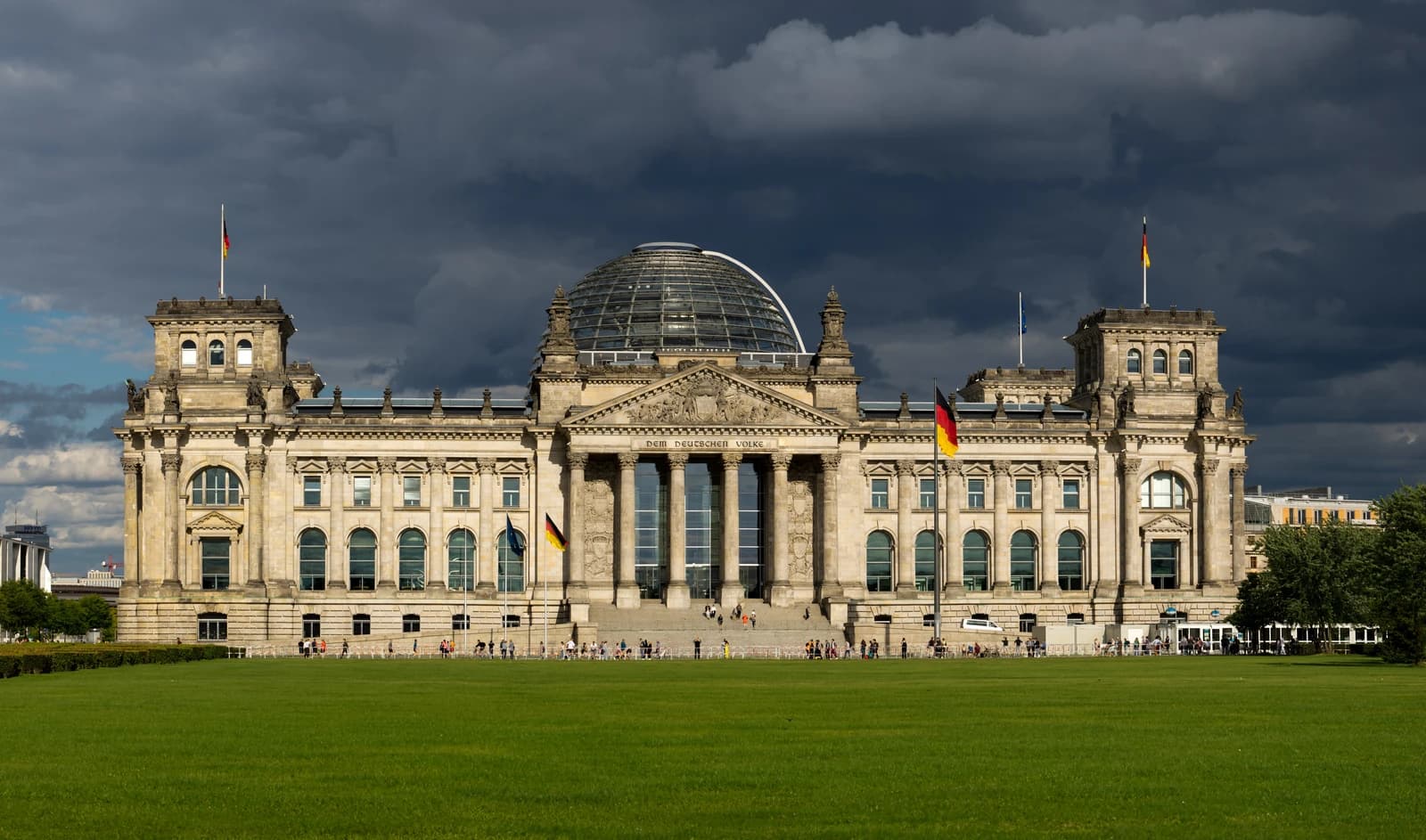
Berlin’s political center is losing the ability to shape government, and that matters far beyond one bruising election cycle because Germany’s economic reform agenda now depends on parties that are looking weaker, more interchangeable and harder to trust with stable majorities.
Germany political center weakens on reform concerns
For investors, that is the real story. Germany is still Europe’s biggest economy and a core anchor for the euro zone, but a fragmented parliament makes tax reform, welfare overhaul and pro-growth policy harder to deliver. When centrist parties struggle to distinguish themselves, voters drift toward the political edges, coalitions get narrower and policy moves slower just when Germany needs momentum.
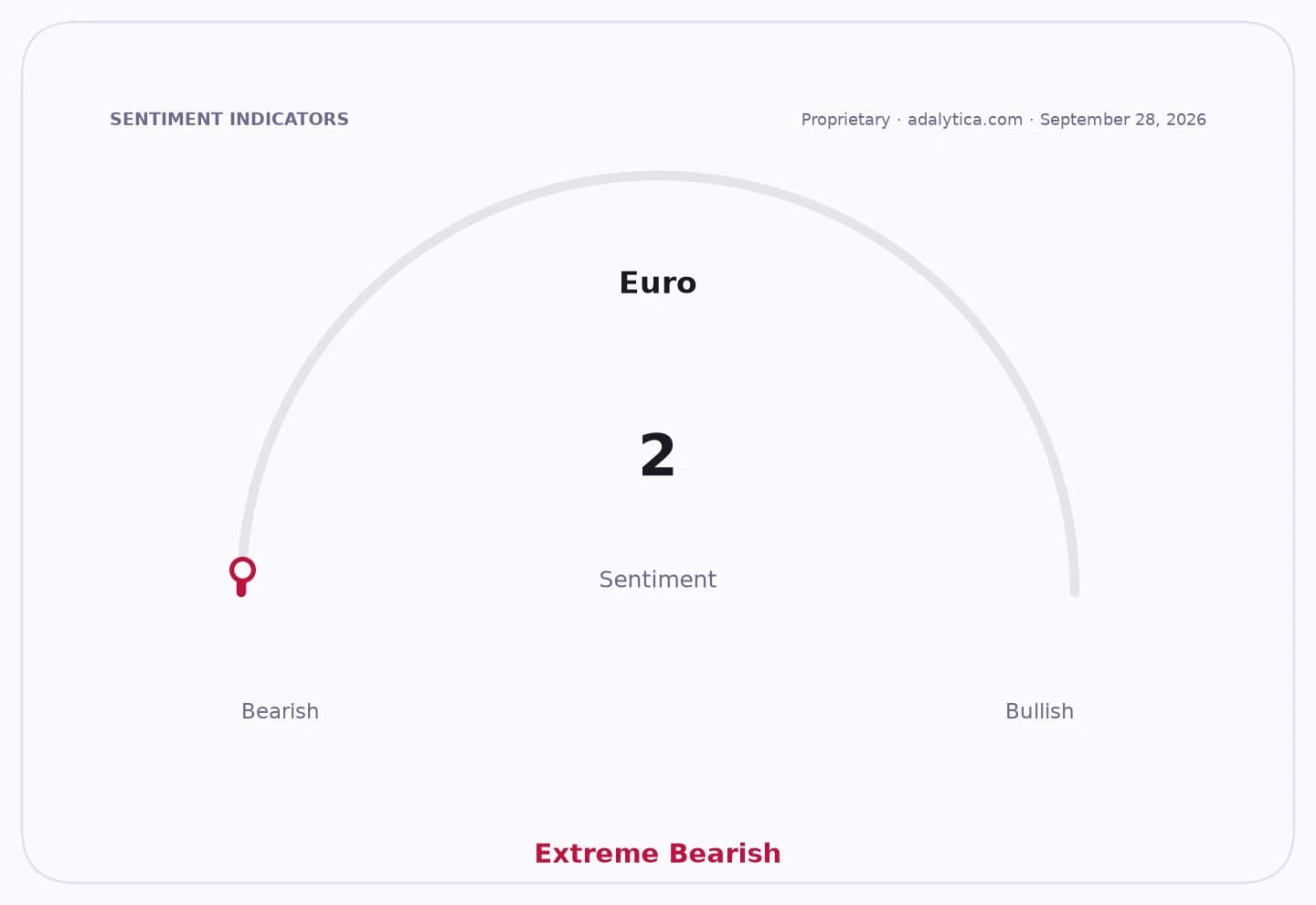
Sentiment IndicatorsⓘProprietary · adalytica.com · October 3, 2026
This is a snapshot — live sentiment, awareness and momentum for 130+ markets update continuously in the dashboard.Open AlphaPulse
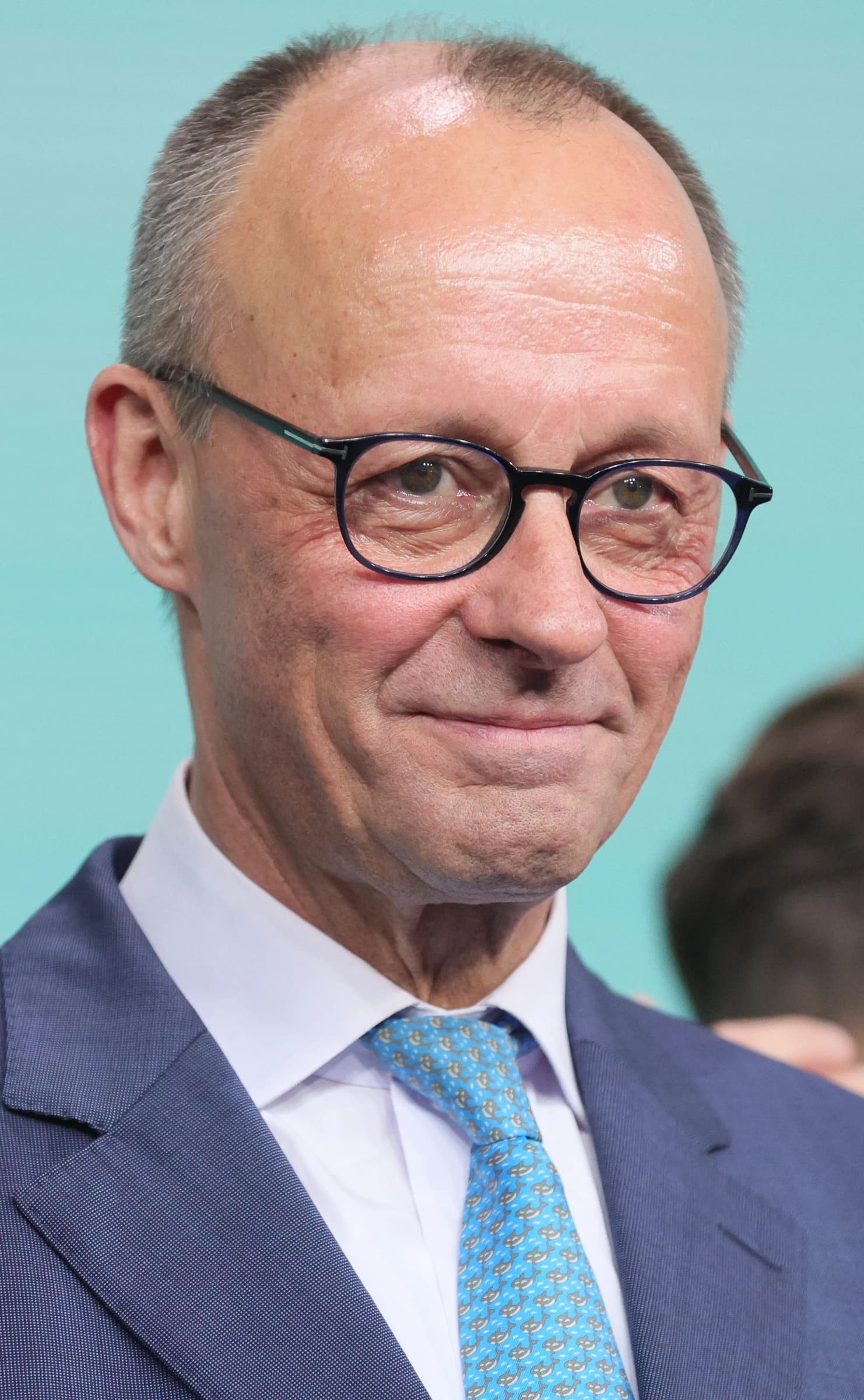
Chancellor Friedrich Merz’s center-right Christian Democrats were dealt their worst-ever result in a state election held the same day as Berlin’s vote, underscoring how quickly support is leaking from the middle. The far-right Alternative for Germany, or AfD, and the far-left Die Linke are both gaining because many voters no longer believe the traditional parties represent them. That is a dangerous combination in a country where political stability has long been part of the investment case.
Merz is trying to turn the page with tax and welfare reforms aimed at reviving growth, but he is also acknowledging a harsh truth: statistics alone do not sell a political program anymore. He says the government must reach people emotionally, a tacit admission that technocratic centrism is losing the communications war to sharper, more absolutist rivals.
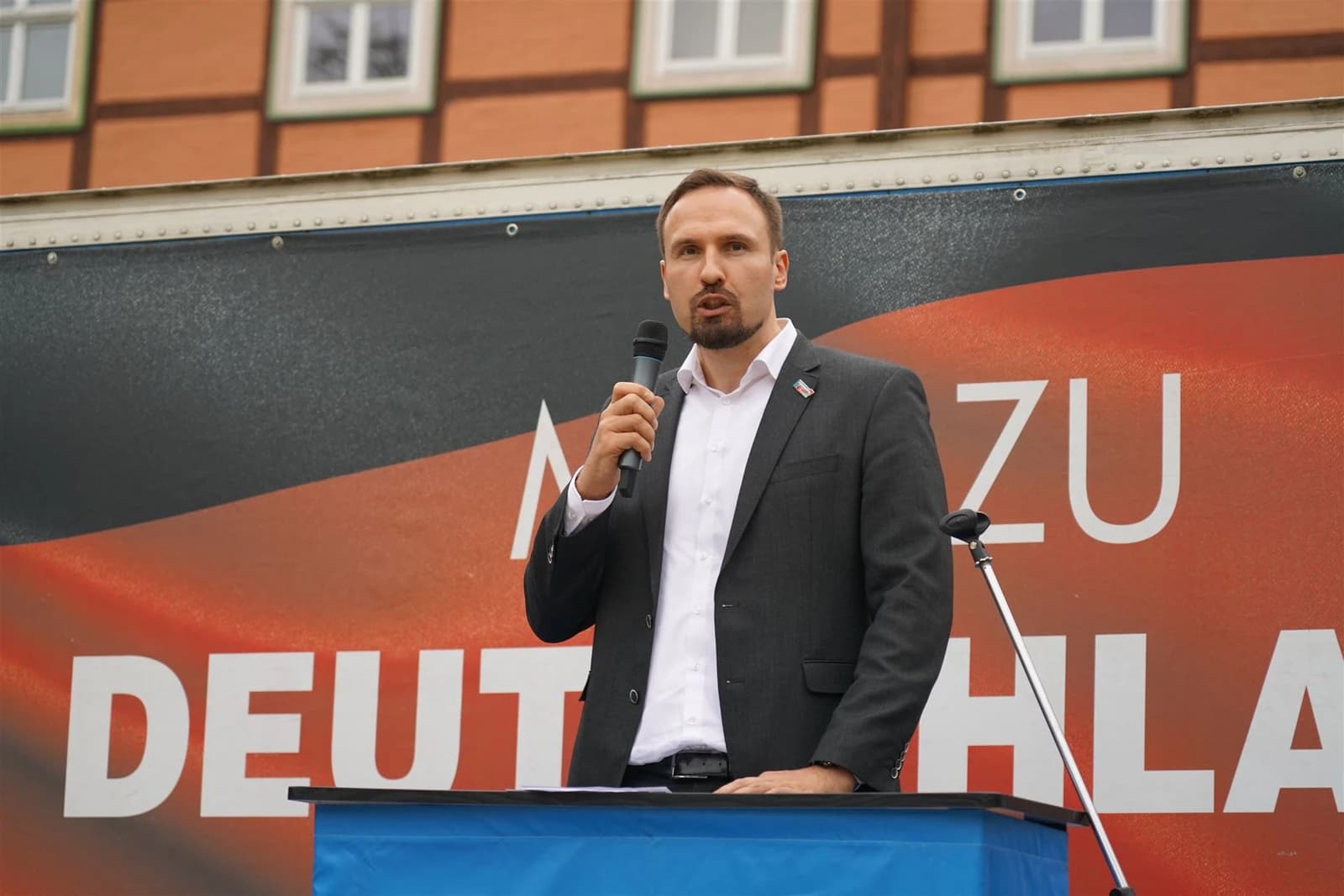
That helps explain why coalitions are becoming harder to build and easier to misread. The CDU and the Social Democrats, once dominant broad-based parties, now govern together with slimmer and slimmer majorities, making both look less distinct. At the same time, AfD leader Alice Weidel is recasting her party as the new “big tent,” which is precisely the kind of pitch that can keep the protest vote growing if living standards stay under pressure.
The economic backdrop is doing no favors to the center. A weak economy, strained public finances and a frustrated electorate create fertile ground for parties that promise simple answers. But the policy direction of the extremes is very different from what markets generally want: the AfD’s talk of “remigration” and the broader hard-right turn injects social and political risk, while the far left raises its own concerns about business confidence and fiscal discipline.
That is why this is more than a domestic political story. Germany’s role as Europe’s industrial engine means political fragmentation can ripple into the euro, sentiment toward German equities and the broader European investment outlook. The data and the headlines may look local, but the implications are regional: less reform, more brinkmanship, and a slower path to restoring growth.
For long-term investors, the lesson is not to chase every poll or election headline. It is to recognize that Germany’s political center is under strain at the same time the economy needs decisive policy. Until the middle can offer a clearer, more credible growth story, the country’s market appeal is likely to rest more on strong companies than on strong politics.
| Entity | Gains | Losses |
|---|---|---|
| AfD | ▲Protest votes, visibility | ▼Mainstream trust |
| Die Linke | ▲Disaffected voters | ▼Centrist credibility |
| CDU/SPD center | ▲Governing power, reform space | ▼Electoral support, distinct identity |
| Investors in Germany | ▲Clarity if reform eventually passes | ▼Near-term policy certainty |