BMW’s refusal to provide a leased official car to Tobias Rausch, the first AfD politician to lead a German state parliament, has turned a ceremonial vehicle handover into a highly visible test of corporate distance from Germany’s hard-right party.
BMW lease refusal to AfD official in Saxony-Anhalt
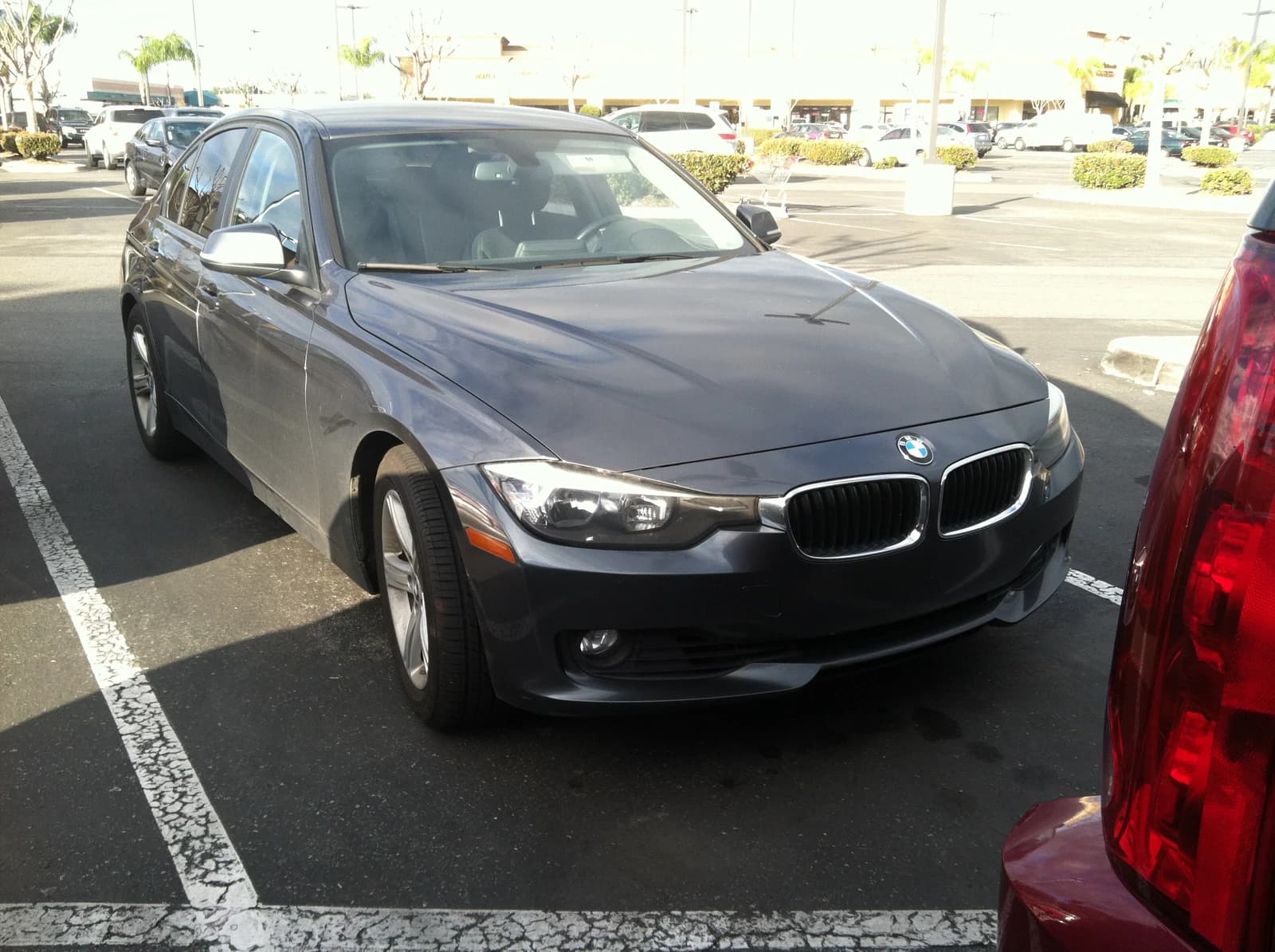
The move matters because it goes beyond a dispute over one luxury sedan. In Germany, company cars are not just transport; they are status symbols, practical tools and, in politics, a sign of institutional acceptance. BMW’s withdrawal of the lease offer for the Saxony-Anhalt Landtag president underscores how mainstream corporate Germany is still drawing a line around the AfD, even as the party expands its reach in regional politics.
Sentiment IndicatorsⓘProprietary · adalytica.com · October 11, 2026
This is a snapshot — live sentiment, awareness and momentum for 130+ markets update continuously in the dashboard.Open AlphaPulse
Rausch, 35, was elected with support from nine lawmakers outside his own faction, making him the first state parliament president in Germany from the AfD. But the symbolism of the breakthrough has already run into a corporate veto. According to German media, BMW was the only manufacturer that had initially offered a vehicle, and after the election it pulled back. Mercedes-Benz and Audi did not step in, leaving Rausch to use his predecessor’s BMW 7 Series, which reportedly has more than 50,000 kilometers on the clock, until November.
That vacuum is the real story for investors and executives. German automakers are operating in a market where brand equity, political exposure and customer alignment increasingly intersect. A refusal to be associated with the AfD may carry reputational benefits in liberal urban markets and with institutional clients, but it also risks deepening a culture-war politicization of consumer brands that carmakers would much rather avoid. For BMW, the decision protects corporate positioning in a sensitive domestic environment; for the AfD, it creates another grievance to mobilize against the establishment.
The episode also shows how quickly political theater can spill into corporate branding at a time when legacy auto is already under pressure from slowing demand, fierce pricing and massive electric-vehicle investment needs. German carmakers need to conserve capital, defend margins and manage global brand perception. They do not need a domestic controversy that turns fleet choices into a political statement. That makes restraint the rational choice, even if it comes at the cost of headlines.
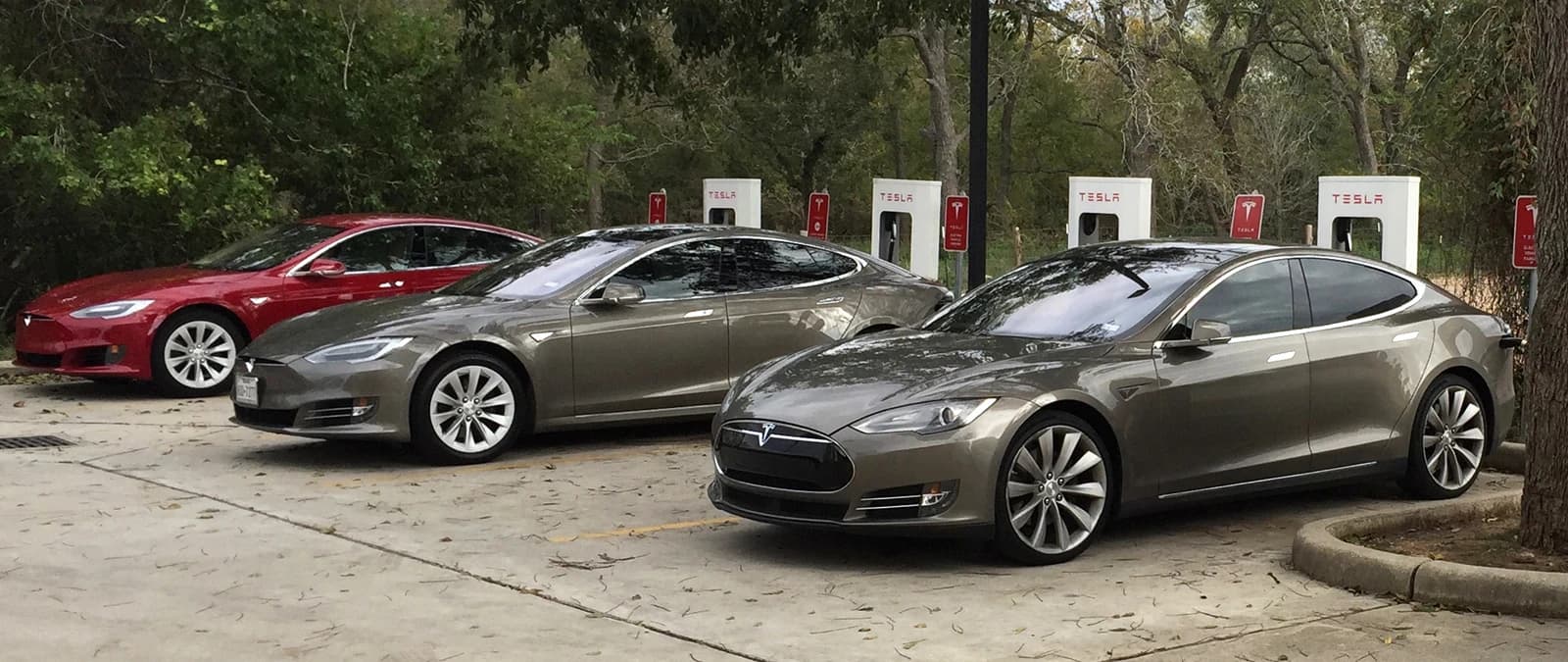
The twist is that the AfD is now trying to turn to Elon Musk and Tesla for help. Musk has repeatedly signaled support for the party, and a Tesla handover would fit his willingness to provoke Germany’s political class. But for Tesla, too, the optics would be combustible. Any move to fill the gap could deepen its own political risk in Europe at a moment when it is trying to grow in a market increasingly wary of imported controversy.
For investors, the takeaway is not the one-off lease rejection. It is the broader reminder that automakers are becoming more exposed to political and cultural fault lines that can move brand perception faster than product cycles. BMW, Mercedes and Tesla all sit in the crosshairs of this shift. The winners are the companies able to keep their brands above partisan conflict. The losers are those pulled into it.
| Entity | Gains | Losses |
|---|---|---|
| BMW | ▲Brand distancing | ▼Political backlash |
| Mercedes-Benz / Audi | ▲Neutral positioning | ▼Missed fleet visibility |
| AfD | ▲Publicity | ▼Institutional legitimacy |
| Tesla / Elon Musk | ▲Political influence | ▼Europe brand risk |