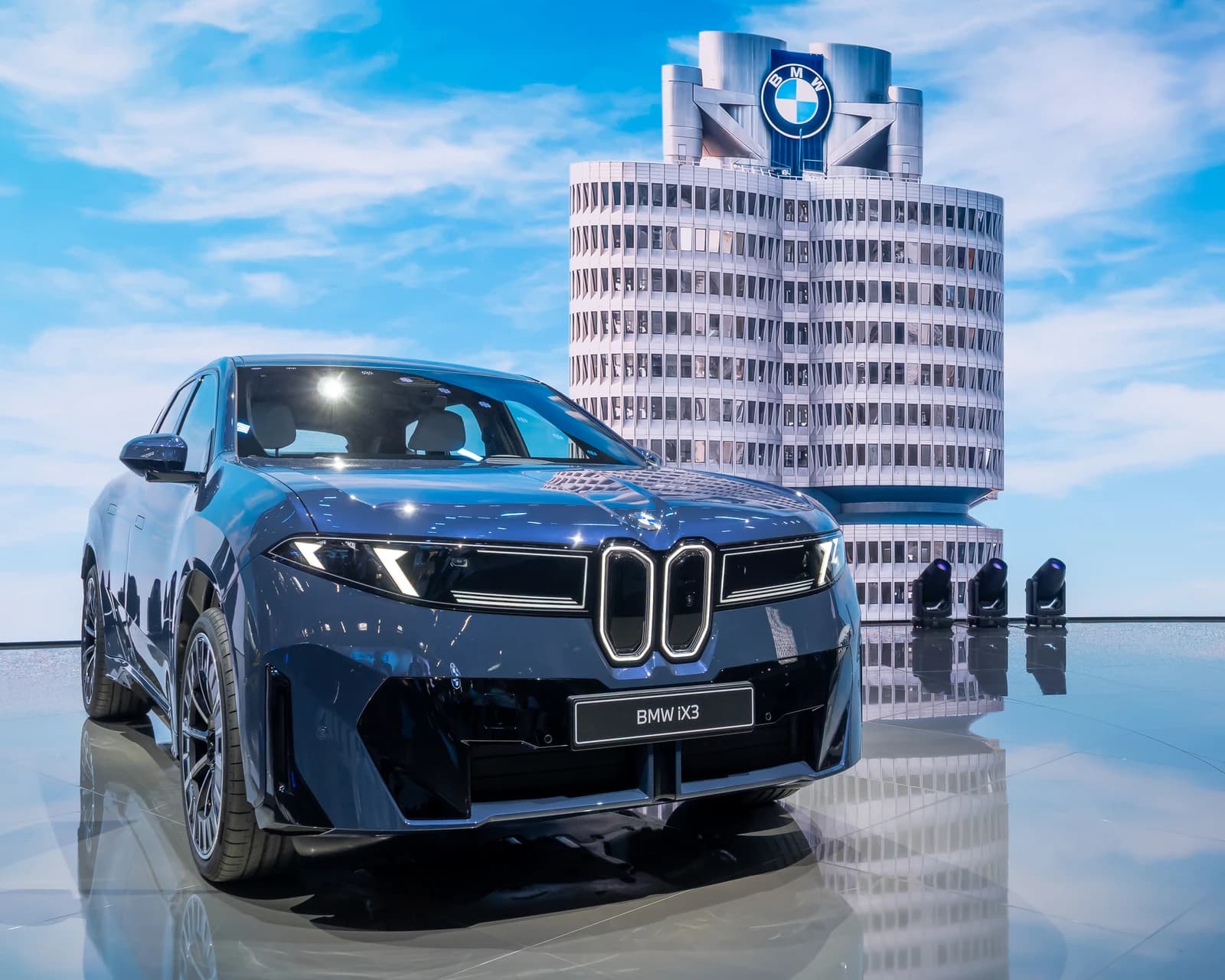
BMW’s new Debrecen factory in Hungary is scaling production faster than any other plant in the company’s history, a sign that demand for premium vehicles remains strong even as Europe’s auto industry faces slower growth, higher costs and a choppy economic backdrop.
BMW Debrecen plant ramps production fast in Hungary
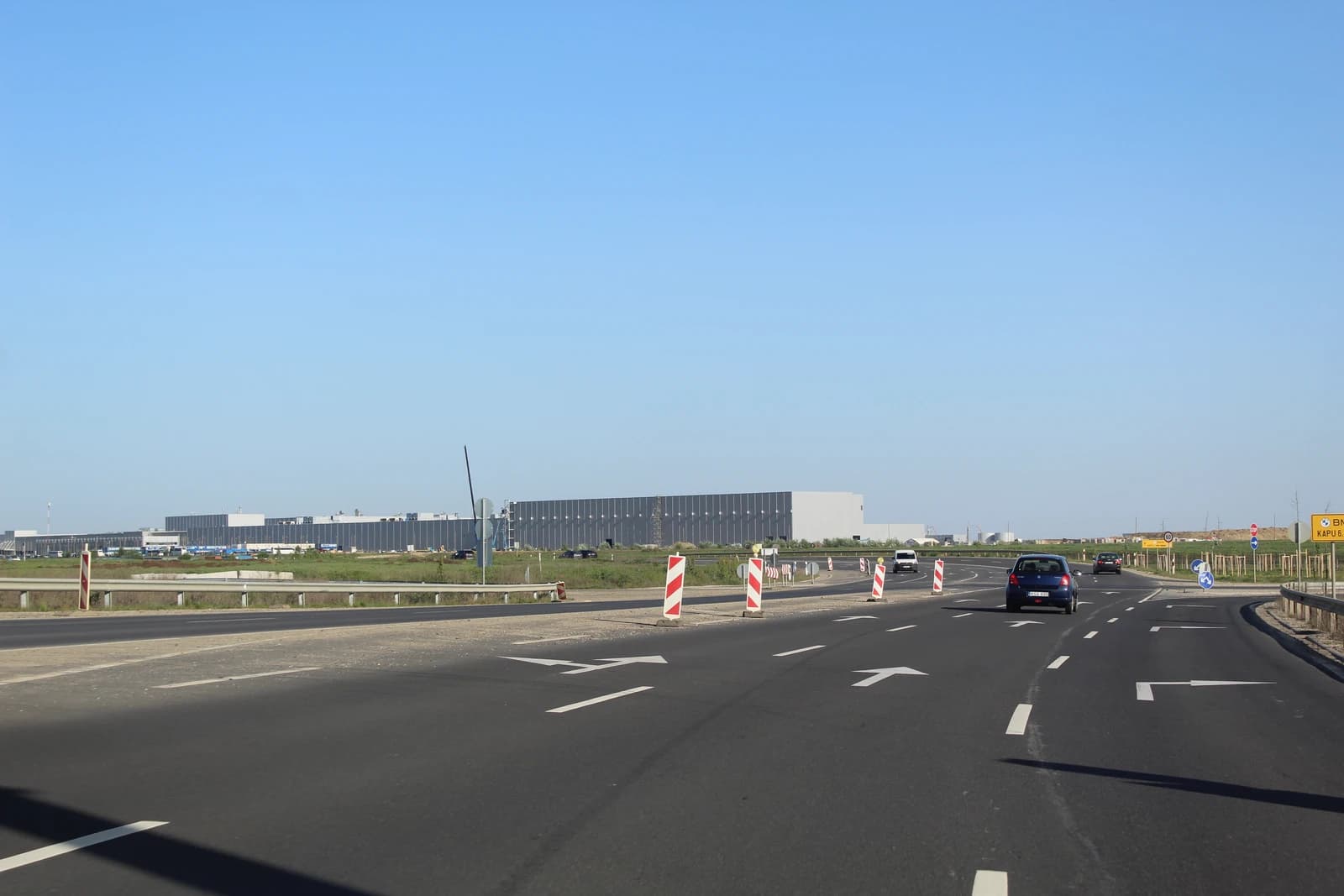
The milestone matters because automotive manufacturing is a capital-intensive business where speed to volume can make or break returns. A plant that reaches three shifts this quickly is not just filling slots on a schedule — it is moving toward the kind of output needed to spread fixed costs, protect margins and improve cash generation. For BMW, that is especially important as it pours money into electrification, software and next-generation manufacturing.
Sentiment IndicatorsⓘProprietary · adalytica.com · September 27, 2026
This is a snapshot — live sentiment, awareness and momentum for 130+ markets update continuously in the dashboard.Open AlphaPulse
Hungary has become a notable winner in Europe’s industrial map. For BMW, the country offers a lower-cost production base inside the European Union, helping the company keep supply chains close to its core customer base while avoiding some of the friction of long-haul shipping and cross-border logistics. That is a strategic advantage for a premium automaker that depends on tight quality control and reliable delivery.
For investors, the most important takeaway is that BMW appears to be executing, not merely investing. New plants often take years to reach efficient utilization. When ramp-up is unusually fast, it can be an early sign that management’s demand assumptions were too conservative rather than too optimistic. That supports the case for stronger operating leverage if premium demand holds up.
The broader implication is also competitive. BMW, Mercedes-Benz, Volkswagen and other European carmakers are fighting to defend margins while Chinese rivals pressure pricing and consumers remain selective. A rapidly ramping plant gives BMW more flexibility to chase profitable models, tailor regional output and avoid the inefficiencies that come with underused capacity.
There are risks, of course. A fast production ramp can also expose a manufacturer to startup hiccups, labor bottlenecks or supplier strain. And the European auto market remains vulnerable to weak consumer confidence and an uneven shift to electric vehicles. But for long-term investors, the bigger story is that BMW is turning a fresh factory into a real asset much faster than expected.
If the Debrecen plant keeps scaling smoothly, it could become one of BMW’s most important profit contributors in Europe. That makes the Hungarian operation worth watching — not as a trading event, but as a long-term signal about BMW’s manufacturing discipline and its ability to compound earnings through the next cycle.
| Entity | Gains | Losses |
|---|---|---|
| BMW | ▲Faster output, better capacity use | ▼Startup execution risk |
| Hungary | ▲Industrial jobs, investment inflows | ▼Romania, which missed the plant |
| BMW investors | ▲Stronger margin potential | ▼Patience required during ramp-up |
| European rivals | ▲— | ▼More pressure on pricing and market share |