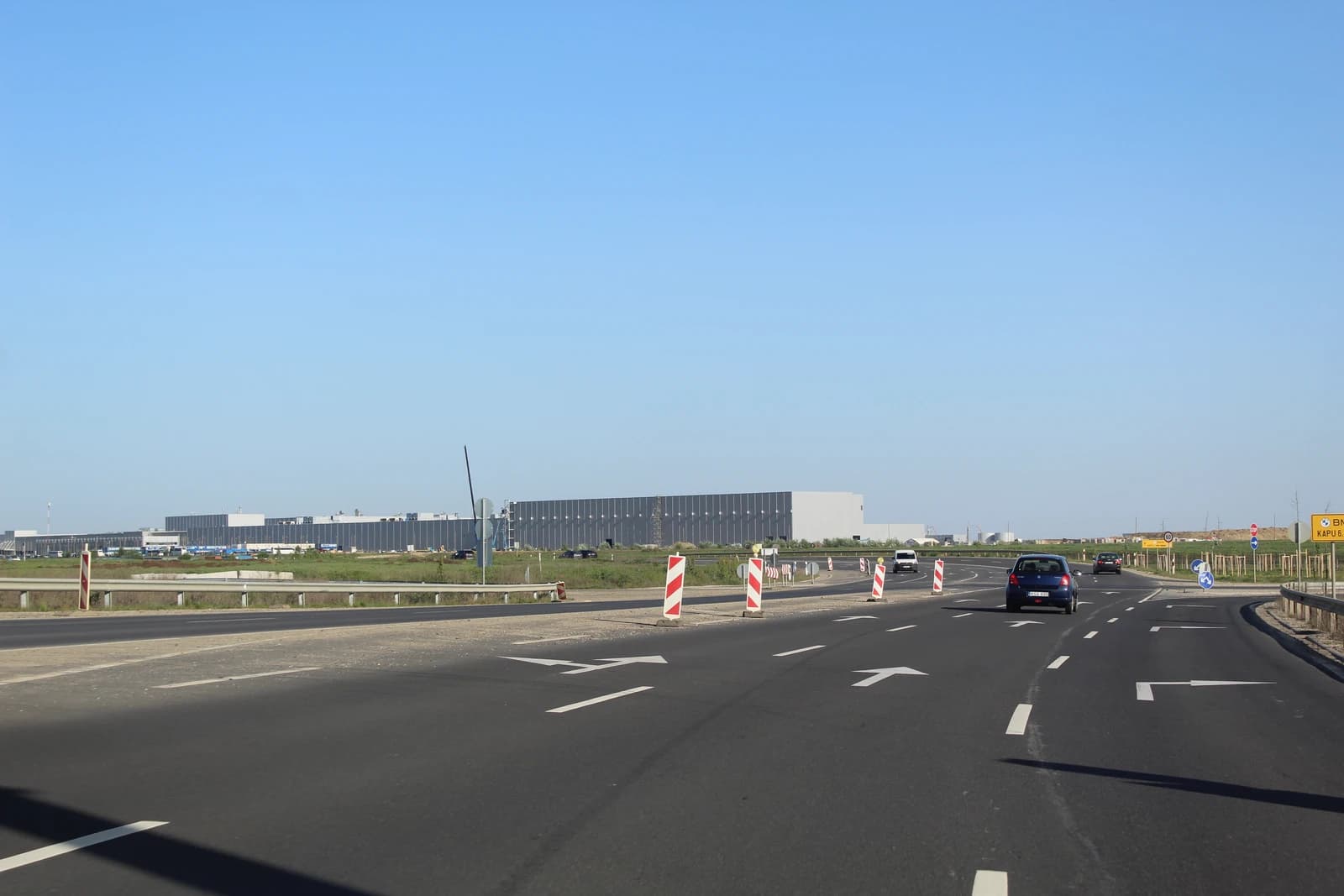
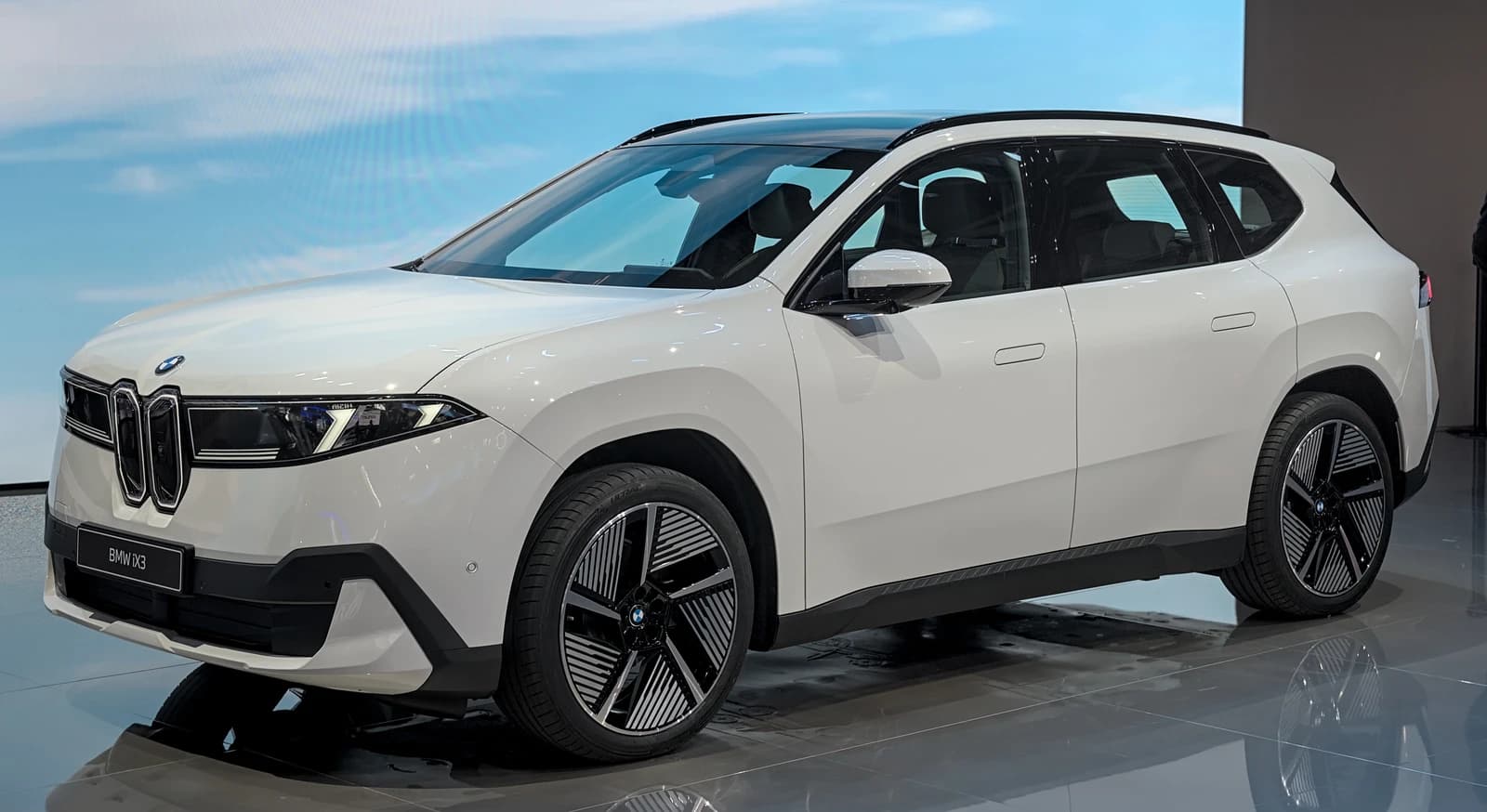
BMW is running its Debrecen, Hungary, plant around the clock to keep up with surging demand for the new iX3, after taking more than 100,000 European orders for the electric SUV and building over 50,000 units in what it says is the fastest production ramp in company history.
BMW iX3 orders top 100,000 as Debrecen runs 24/7
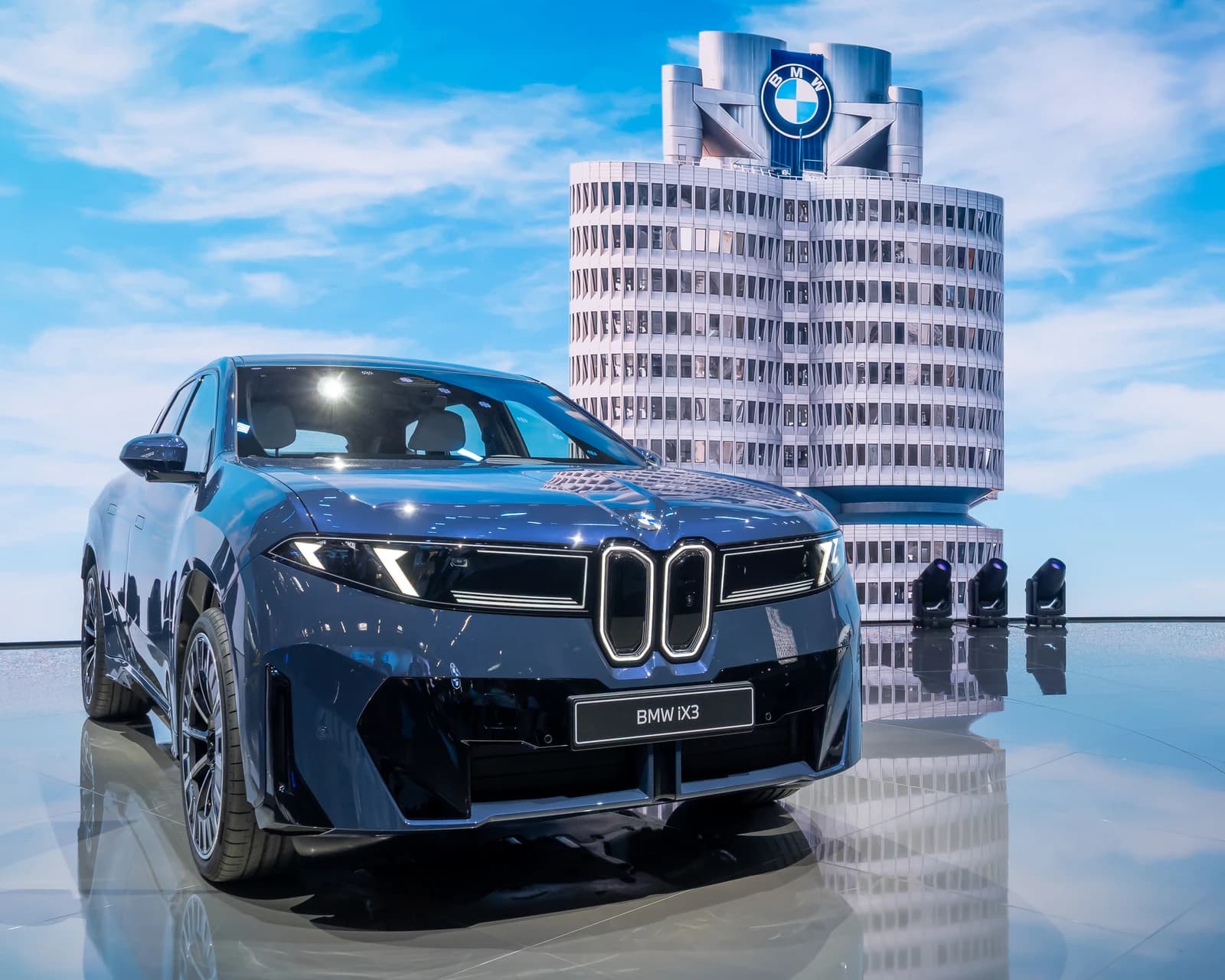
The push matters because the iX3 is the first model on BMW’s Neue Klasse platform, the architecture the German automaker is relying on to reset its electric vehicle lineup and defend share in a crowded European market. With roughly 50,000 orders still waiting to be filled, BMW is facing close to four months of production backlog even at the plant’s full annual capacity of 150,000 vehicles.
Sentiment IndicatorsⓘProprietary · adalytica.com · September 28, 2026
This is a snapshot — live sentiment, awareness and momentum for 130+ markets update continuously in the dashboard.Open AlphaPulse
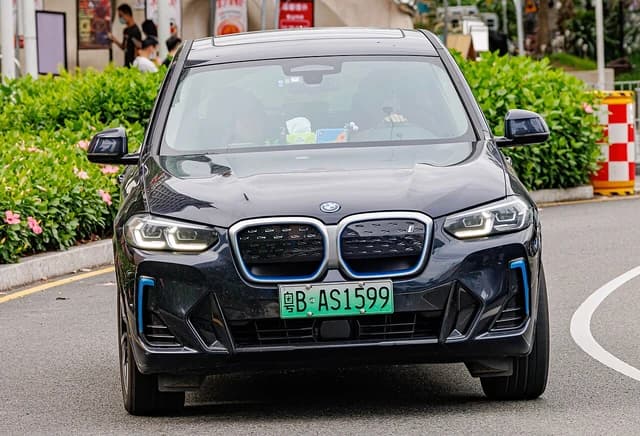
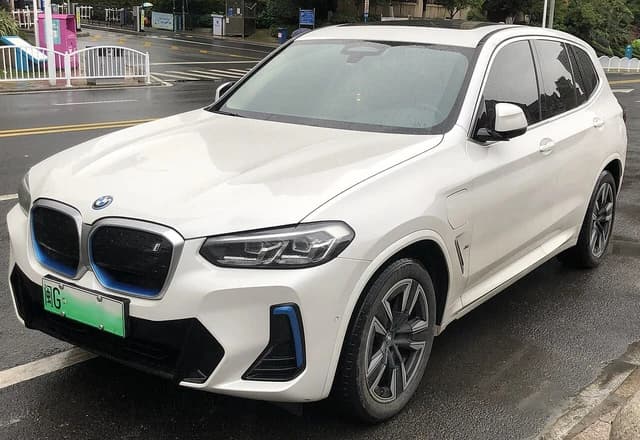
The Debrecen factory has moved to three shifts and now operates 24 hours a day, less than a year after production began. BMW is using the plant’s local assembly base to avoid the extra 20.7% tariff that hit the earlier China-built iX3 in Europe, a cost advantage that should improve margins and help the model compete more aggressively on price.
That said, the supply chain still is not fully localized. Battery cells are being imported from Asia after CATL’s nearby Debrecen cell line was halted following elevated nickel readings in employees, while EVE Energy has not started production yet. That leaves BMW with a temporary gap in its plan to shorten the supply chain, even as it accelerates assembly.
BMW also says a second Neue Klasse model will start production in Debrecen this autumn, underscoring how central the site has become to the company’s EV rollout. Investors will be watching whether BMW can keep output climbing without quality or supply disruptions, and whether the new platform can translate strong early demand into sustained earnings support after the stock’s recent weakness.
| Entity | Gains | Losses |
|---|---|---|
| BMW | ▲Higher EV output, tariff savings | ▼Supply-chain risk, execution pressure |
| Buyers of iX3 | ▲Faster local deliveries | ▼Limited near-term availability |
| Chinese-built iX3 rivals | ▲Less Europe tariff advantage | ▼Weaker price competitiveness |
| CATL / EVE Energy | ▲Future battery demand | ▼Delayed localization benefit |