Workday is pushing further into enterprise AI with a new Work Intelligence offering that could help large employers decide which work to automate, which to redesign and which still needs people — a meaningful shift for a software maker trying to turn AI into a recurring revenue advantage, not just a buzzword.
Workday launches Work Intelligence for HR AI planning

The launch matters because the next wave of enterprise AI is not about flashy chatbots. It is about operational decisions that affect payroll, productivity and margin. For companies under pressure to do more with less, software that can break a job into tasks, map those tasks to skills and identify what can be done fully or partially by AI has obvious economic value. It can help executives avoid expensive overhiring, direct training budgets more precisely and redesign roles around higher-value work.
Sentiment IndicatorsⓘProprietary · adalytica.com · October 15, 2026
This is a snapshot — live sentiment, awareness and momentum for 130+ markets update continuously in the dashboard.Open AlphaPulse
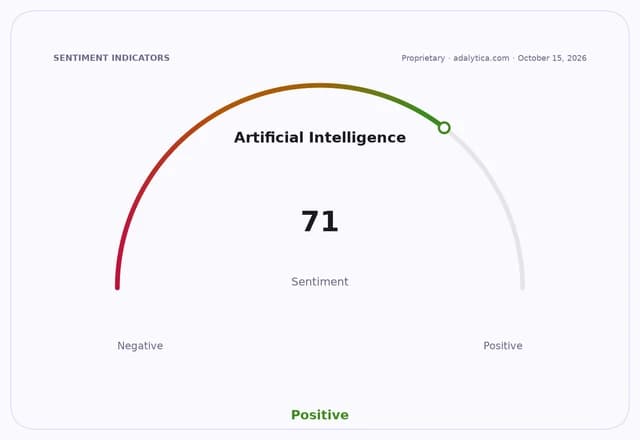
Workday said Work Intelligence is built on its Skills Cloud and is available first to early-access Workday HCM customers. The tool looks inside the data companies already keep on jobs, people and skills, then shows where automation may fit. That is important for investors because it fits neatly into Workday’s positioning as a system of record for the workforce, where it can layer AI on top of existing customer relationships rather than fight for a standalone AI market.
The company was careful to say the tool does not make people-related decisions. That may sound like a legal footnote, but it is strategically important. Enterprises want AI support for workforce planning without handing over final authority on hiring, promotions or restructurings. In other words, Workday is trying to sell decision support, not decision replacement.
For shareholders, the key question is whether this kind of product helps Workday defend and expand its core human capital management franchise. The stock has had a volatile run, and the broader market has punished software names that can’t show a clear AI monetization path. But Workday’s pitch is straightforward: if AI helps customers manage labor more efficiently, the software becomes more embedded, more useful and harder to rip out. That can support retention, pricing power and cross-selling over time.
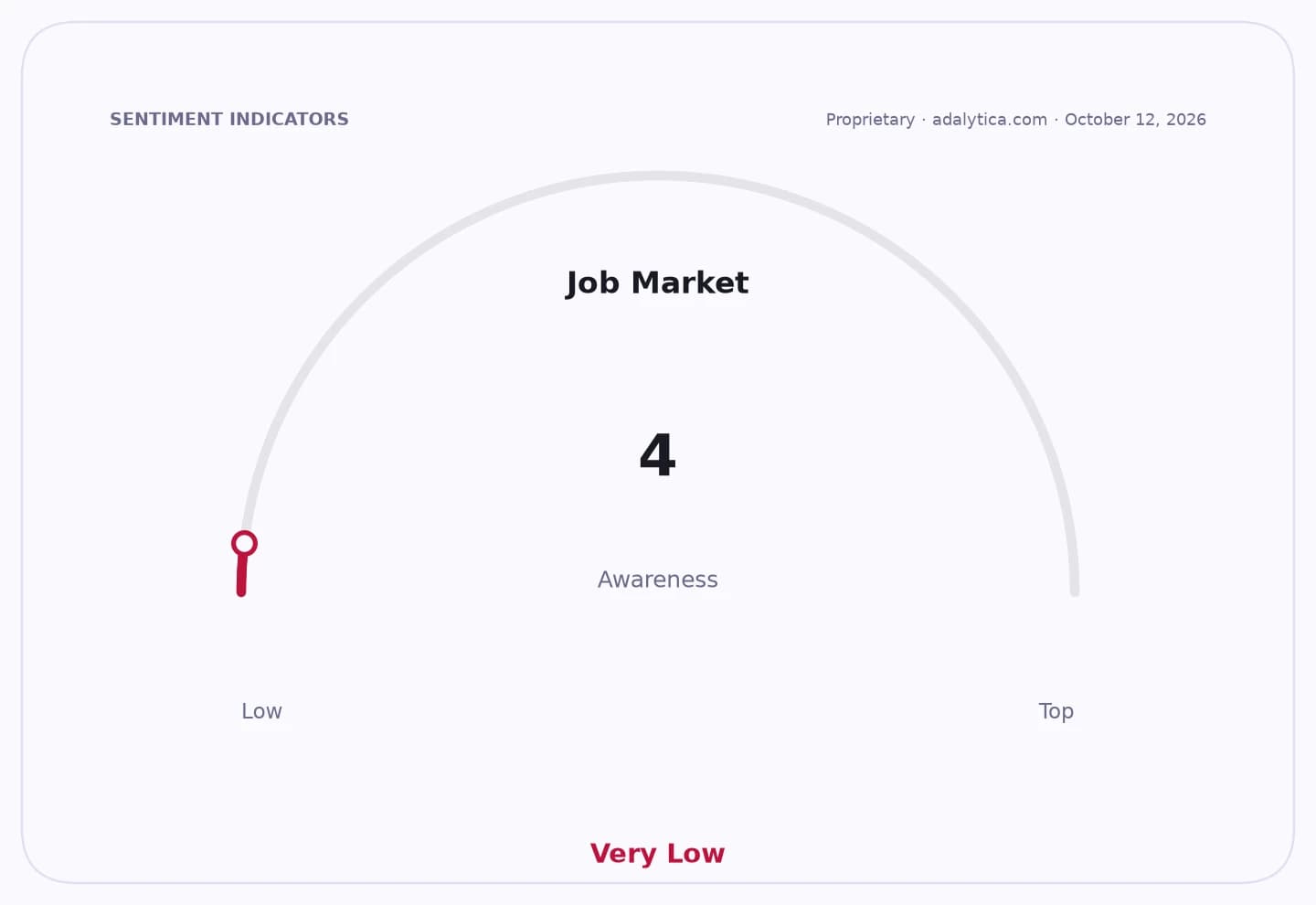
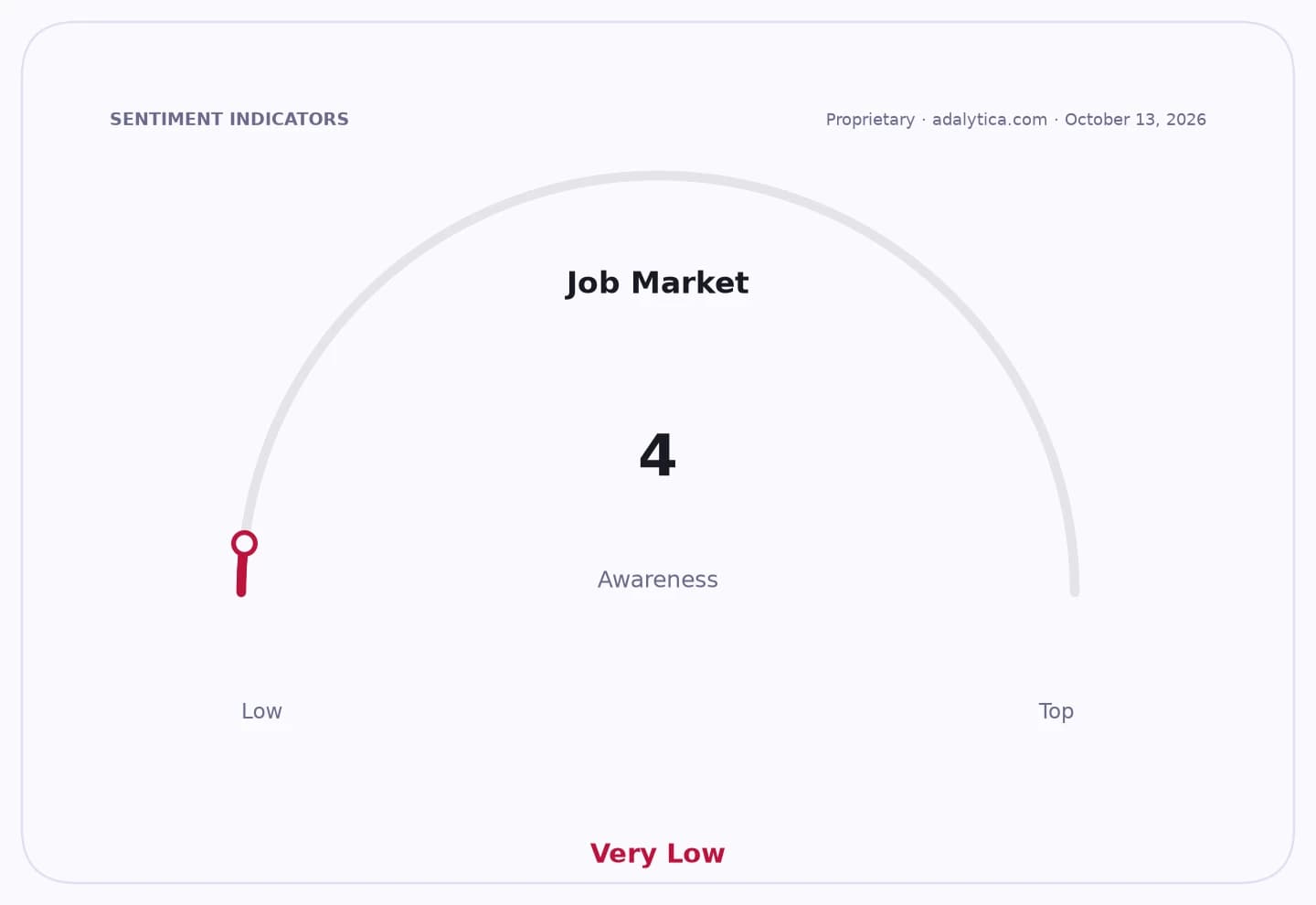
There is also a broader labor-market message here. Workday’s own global workforce report said 76% of heavy AI users expect AI to create new career opportunities. That reflects the direction many large employers are heading: not simply cutting headcount, but reshaping work into smaller tasks, then deciding what to automate and what to reskill. For investors with a long time horizon, that is the real story. AI is not just a cost-cutting tool; it is becoming a workforce architecture tool.
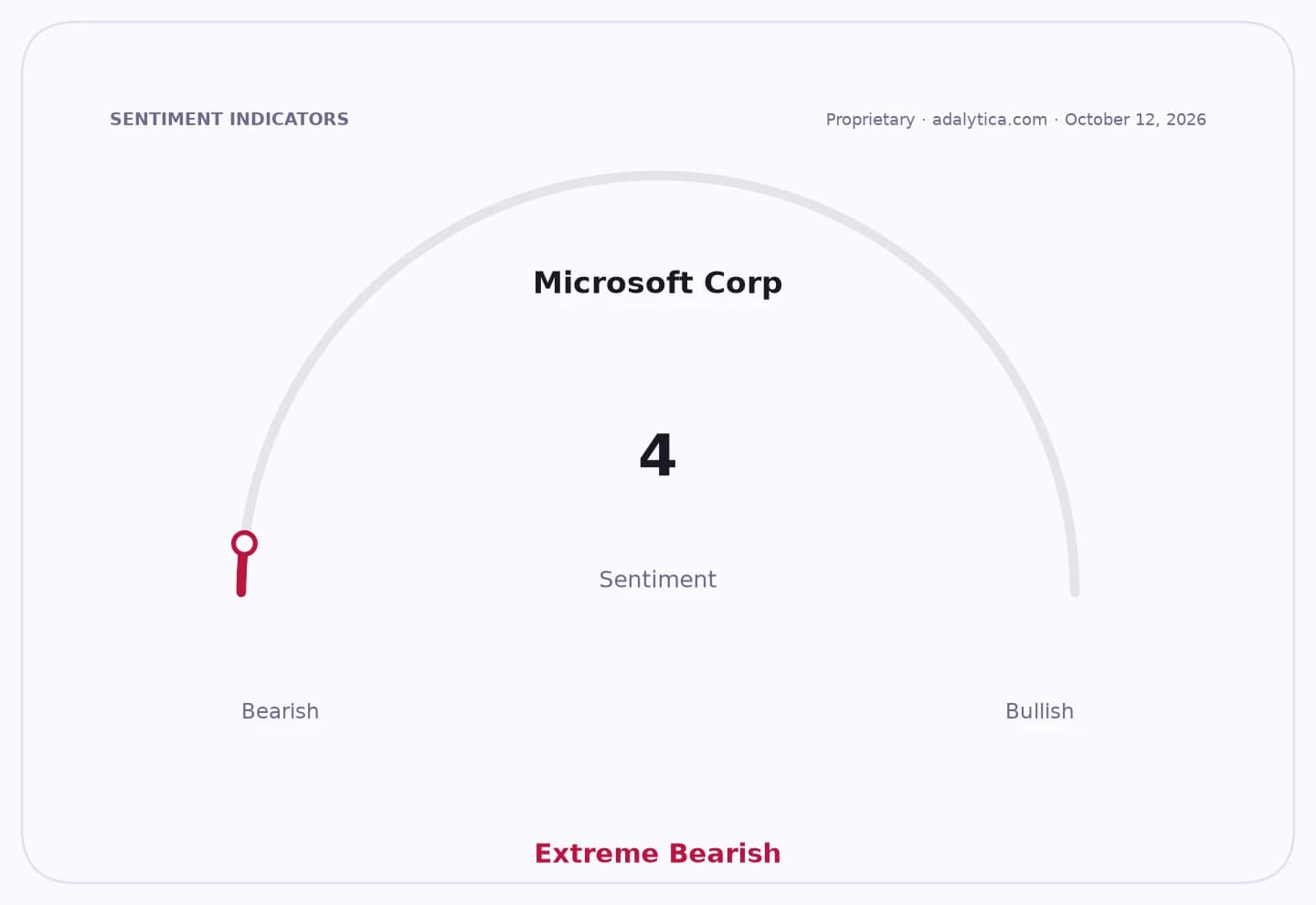
The competitive backdrop is intense. Microsoft, Oracle and other enterprise software giants are all racing to attach AI to their platforms, while customers are demanding practical results rather than experimental features. Workday’s edge is that it already sits where workforce data lives. If it can make AI useful in everyday HR and planning workflows, it could strengthen a moat that is based on operational stickiness, not hype.
Still, investors should watch execution. Early access does not equal widespread adoption, and enterprises tend to move cautiously when AI touches employment decisions. But the direction of travel is clear: the companies that can help businesses automate intelligently, while keeping humans in the loop, are likely to win a growing share of enterprise software spending. For long-term investors, Workday is worth watching as AI moves from promise to process.
| Entity | Gains | Losses |
|---|---|---|
| Workday | ▲Deeper customer stickiness | ▼Faster-growing AI rivals |
| Enterprise customers | ▲Better automation decisions | ▼Legacy manual planning |
| Employees and managers | ▲Clearer skill mapping | ▼Some routine task demand |
| Microsoft/Oracle peers | ▲AI market expands | ▼Differentiation pressure |