AI is rapidly becoming part of software development, but the bigger economic story is that the productivity push is colliding with developer fatigue, rising dissatisfaction and growing anxiety about job security.
AI Coding Adoption Raises Developer Burnout Concerns
That matters because software engineers are among the first major professional groups to absorb AI into day-to-day work, making them a leading indicator for how automation reshapes white-collar labor. A Stack Overflow survey cited by CNN found 65% of respondents now use AI assistants or agents to write code, while Google research last year said 90% of 5,000 tech workers globally were using AI in their jobs, up 14 percentage points from 2024.
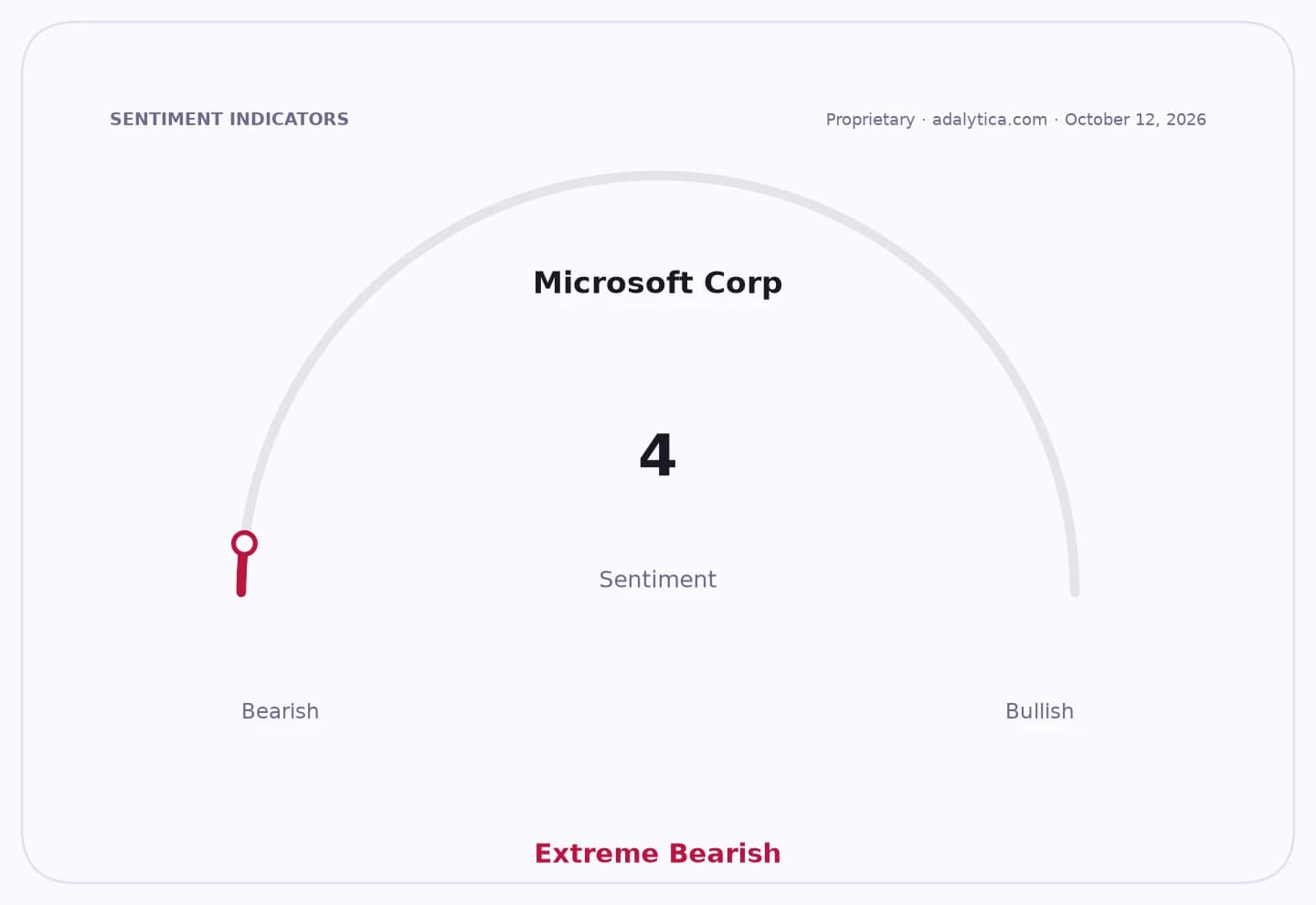
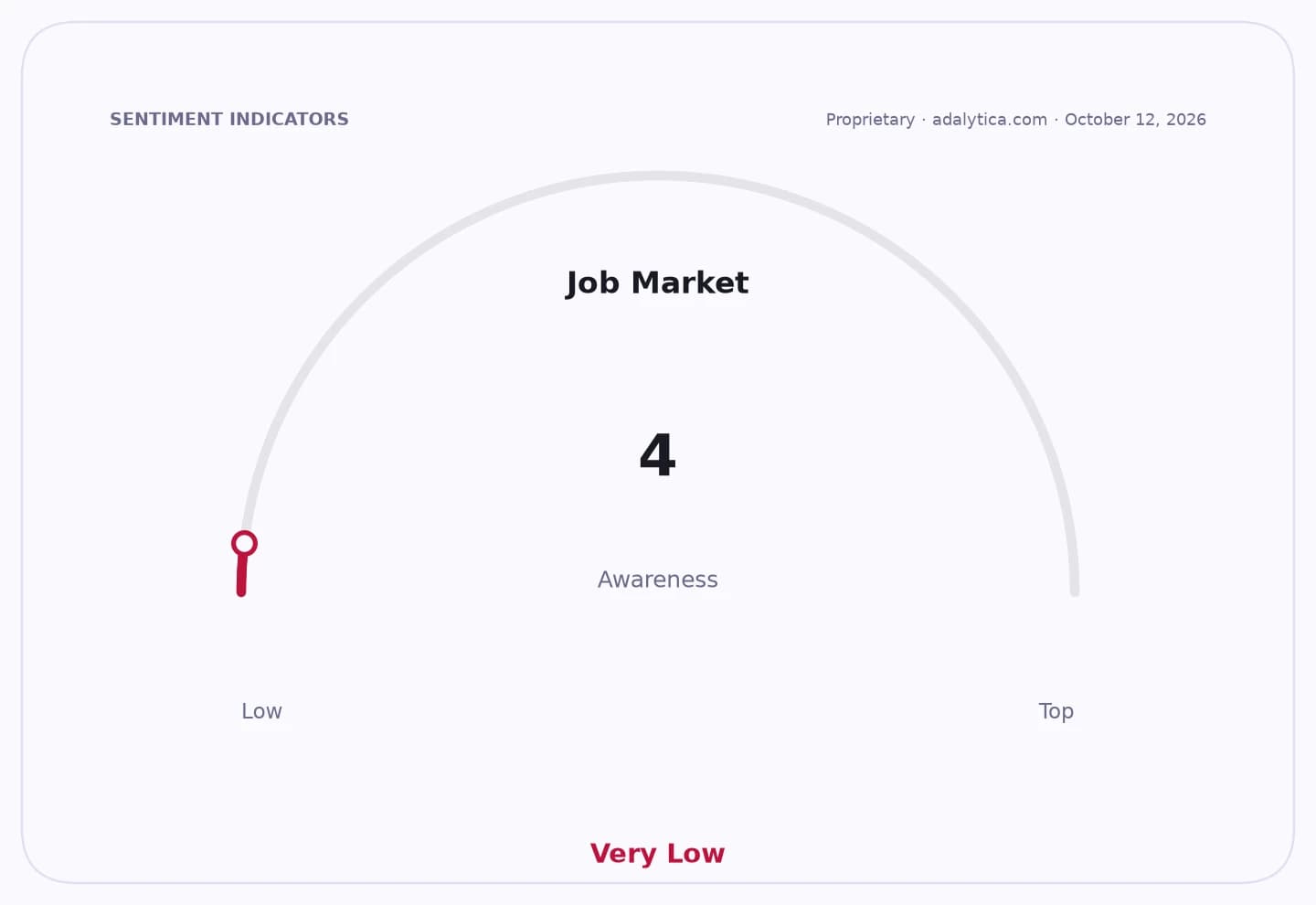
Sentiment IndicatorsⓘProprietary · adalytica.com · October 12, 2026
This is a snapshot — live sentiment, awareness and momentum for 130+ markets update continuously in the dashboard.Open AlphaPulse
Yet the same tools that help produce code faster are also intensifying pressure on workers. Nearly one-third of respondents said they were dissatisfied with their current role, up from 28.4% a year earlier. About 45% described themselves as indifferent, and only 22.3% said they were happy. Developers cited burnout, tech fatigue, economic uncertainty and a lack of clarity on career progression as the main reasons.
For investors, the tension cuts two ways. On one side, adoption confirms continued demand for AI coding products and the cloud infrastructure that powers them. On the other, rising burnout suggests the efficiency gains may not translate smoothly into higher output if teams are forced to constantly relearn workflows, review machine-generated code and manage quality risks. Stack Overflow chief executive Prashant Chandrasekar said the speed of AI’s advance is amplifying existing frustrations because workers do not know how much of their role will ultimately be automated.
The survey also suggests developers still see AI as a tool, not a decision-maker. More than 74% said it is useful for writing code and about 72% for finding and fixing bugs, but only 34.4% found it useful for broader tasks such as communication and design. Just 6.6% said they would trust AI to make important decisions, and 78% said it is important to cite sources when reviewing AI-generated code.
That balance helps explain why the market has not settled on a single verdict for AI in software. Bullish investors can point to rapid adoption as evidence that AI is becoming embedded in enterprise workflows, supporting spending by companies such as Microsoft and Nvidia. The bearish case is that the labor disruption arrives before the productivity dividend, leaving developers more stressed, less satisfied and potentially harder to retain.
The next phase will depend on whether AI tools reduce the repetitive load on engineers or simply accelerate it. If companies can turn code assistants into genuine workflow aids, the software sector could see higher output with flatter headcount growth. If not, burnout may become one of the clearest signs that the AI productivity story is running ahead of the human workforce that has to deliver it.
| Entity | Gains | Losses |
|---|---|---|
| AI coding vendors | ▲Higher adoption | ▼Greater scrutiny |
| Microsoft and Nvidia | ▲More AI demand | ▼Margin pressure from spending |
| Developers | ▲Faster code assistance | ▼Burnout and uncertainty |
| Enterprises | ▲Potential efficiency gains | ▼Higher review and training burden |