A cooling entry-level tech market is forcing computer science graduates to trade the old coding-boom playbook for AI fluency, as companies hire fewer junior developers and more workers who can supervise, adapt and explain the tools that are replacing some of the work.
AI Reshapes Entry-Level Tech Hiring

The shift matters because it is not just a cyclical slowdown in hiring. It is a labor-market adjustment driven by AI adoption, reshaping who gets hired, what skills command a premium and where the next generation of technical talent will come from. For investors, that has implications for wage costs, productivity, software demand and the long-run health of the talent pipeline at companies that are racing to deploy AI.
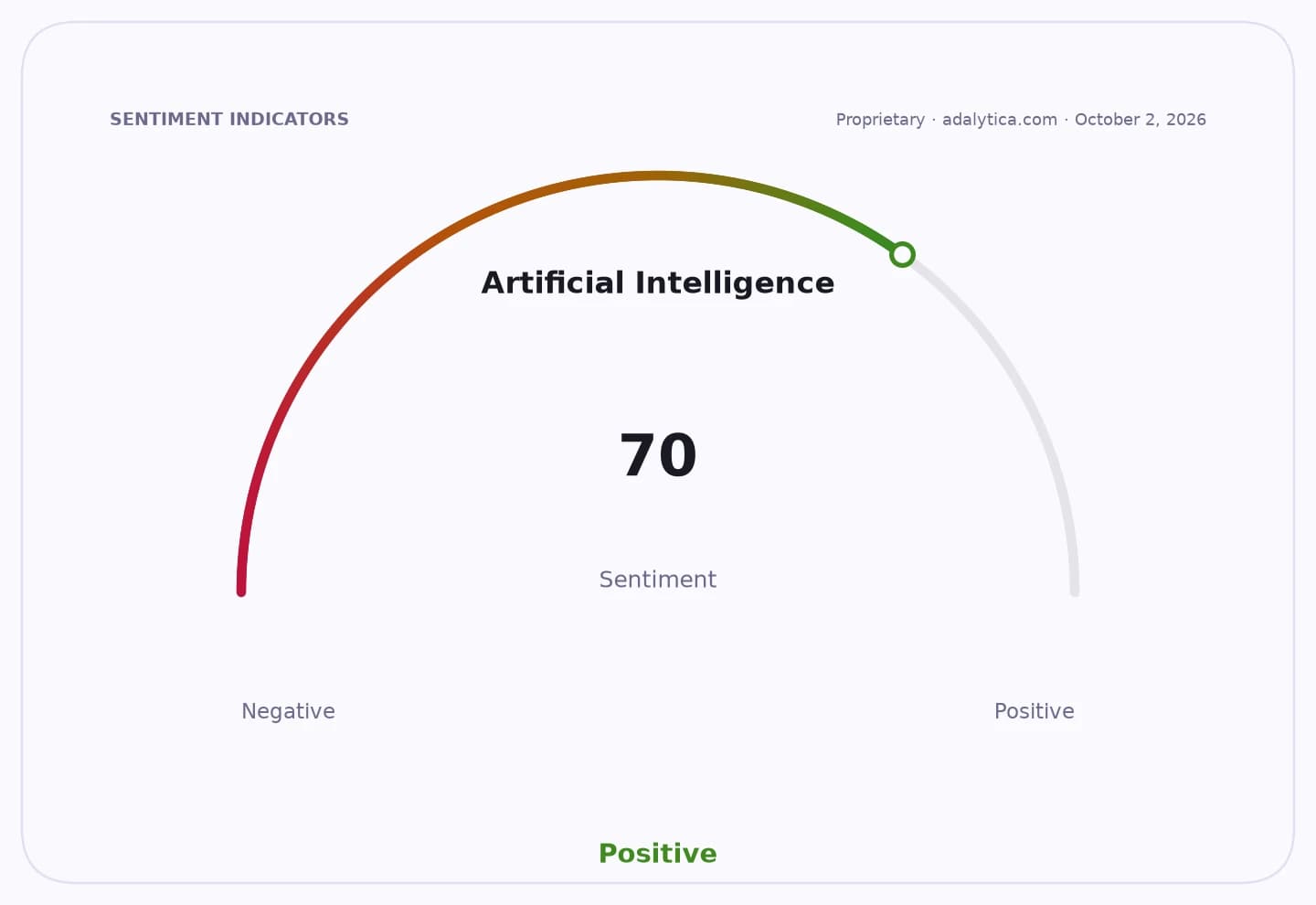
Sentiment IndicatorsⓘProprietary · adalytica.com · October 2, 2026
This is a snapshot — live sentiment, awareness and momentum for 130+ markets update continuously in the dashboard.Open AlphaPulse
An Associated Press analysis found the jobless rate for recent computer science and computer engineering graduates is about 7.1%, underscoring how much tougher the market has become for new entrants. During the pandemic, software development postings on Indeed surged as the economy digitized, but the hiring frenzy has since faded as large employers including Microsoft, Meta, Google and Amazon lean more heavily on AI to write code and automate work.
The result is a market that increasingly rewards workers who can manage AI rather than simply produce code by hand. Tracy Camp, executive director and CEO of the Computing Research Association, said employers now want people who can oversee AI output and catch errors, a skill set more common among experienced workers than fresh graduates. The association has warned industry leaders that if companies do not keep hiring entry-level talent, they risk hollowing out the management layer and mid-career bench they will need in coming years.
The pressure is showing up in school enrollment. After a decade in which the number of recent computer science and computer engineering graduates tripled to about 362,000 in 2024, computer and information science enrollment fell 8.4% this spring at four-year institutions, according to the National Student Clearinghouse Research Center. That suggests students are already recalibrating expectations as the degree loses some of the automatic job-market premium it enjoyed during the coding boom.
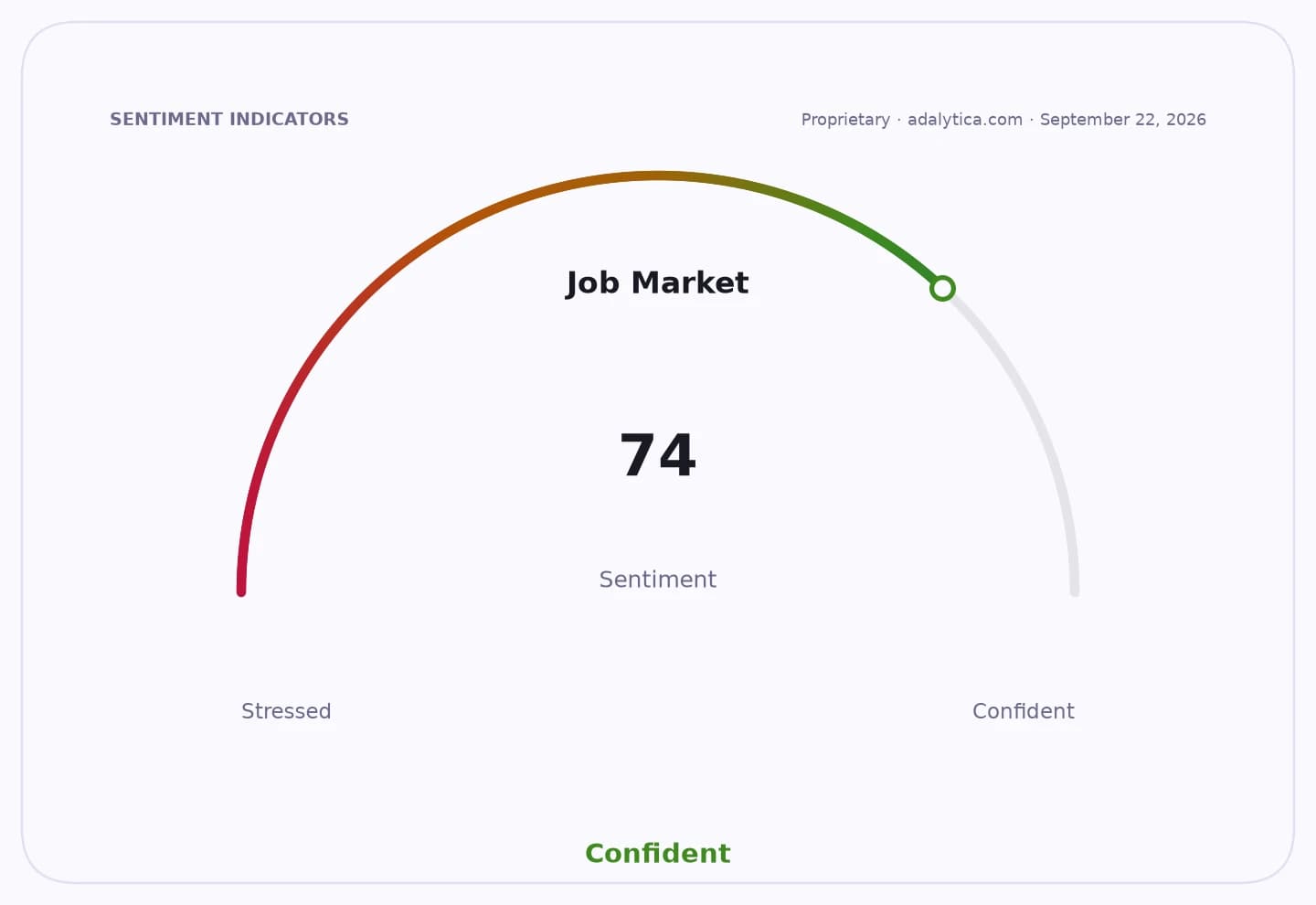
The broader labor data point in the same direction. For workers in their early 20s in so-called AI-exposed occupations such as software development, employment is 19% below where it would have been had it tracked jobs in less-exposed fields, according to Stanford’s Digital Economy Lab. The Census Bureau has likened the decline to graduating into a recession, a comparison that captures how sharply the market has shifted for new tech workers even as overall employment remains resilient.
Smaller firms are absorbing some of the displaced talent, but often with a different hiring profile. AP reported that companies looking for help figuring out AI are recruiting graduates who can act as “evangelists” or internal translators, rather than pure coders. That favors candidates who can combine technical skills with communication and business context, and it helps explain why schools are moving toward business-specific internships, AI tools training and broader industry partnerships.
The change is especially acute for international students. Many CS programs have relied heavily on foreign enrollment, but the move away from large tech employers toward smaller firms has made visa sponsorship harder. Those employers often lack the HR infrastructure to handle H-1B processing, while the Trump administration is also moving to raise the visa fee to more than $100,000, adding another barrier for graduates trying to stay in the U.S.
There is a bull case for the labor-market transition. AI could make technical workers more productive, expand software development beyond Big Tech and create new roles in model oversight, implementation and safety. News reports cited in the broader context point to a 91% jump in demand for AI safety jobs, suggesting the market is not disappearing so much as re-sorting around higher-value tasks.
The bear case is that the adjustment is happening too fast for the next cohort of workers. If companies keep cutting junior roles while demanding near-managerial readiness from new graduates, wages and hiring could remain under pressure, enrollment could continue to weaken and the industry could face a shortage of experienced talent in a few years. That would be a structural risk for technology companies whose AI ambitions depend on a steady pipeline of capable engineers, product managers and implementers.
| Entity | Gains | Losses |
|---|---|---|
| AI-literate graduates | ▲Better fit for new roles | ▼Fewer pure coding jobs |
| Big tech employers | ▲Lower coding costs | ▼Shorter junior talent pipeline |
| Small businesses | ▲Affordable AI expertise | ▼Need to train from scratch |
| International students | ▲Niche AI opportunities | ▼Visa hurdles and fewer sponsors |