IIT Hyderabad’s launch of a four-week applied AI certification programme lands at a moment when companies are pushing deeper into AI deployment while still struggling to find workers who can use the tools responsibly and productively.
Microsoft AI Training Demand and Enterprise Adoption
The significance is larger than a new short course on a campus brochure. In enterprise after enterprise, AI is moving from pilot projects to day-to-day workflows, but the bottleneck is increasingly human: managers need staff who can prompt, verify, govern and integrate systems rather than simply experiment with them. That makes applied training an economic input, not just an academic offering, because the productivity gains promised by AI depend on whether organizations can convert software investment into usable output.
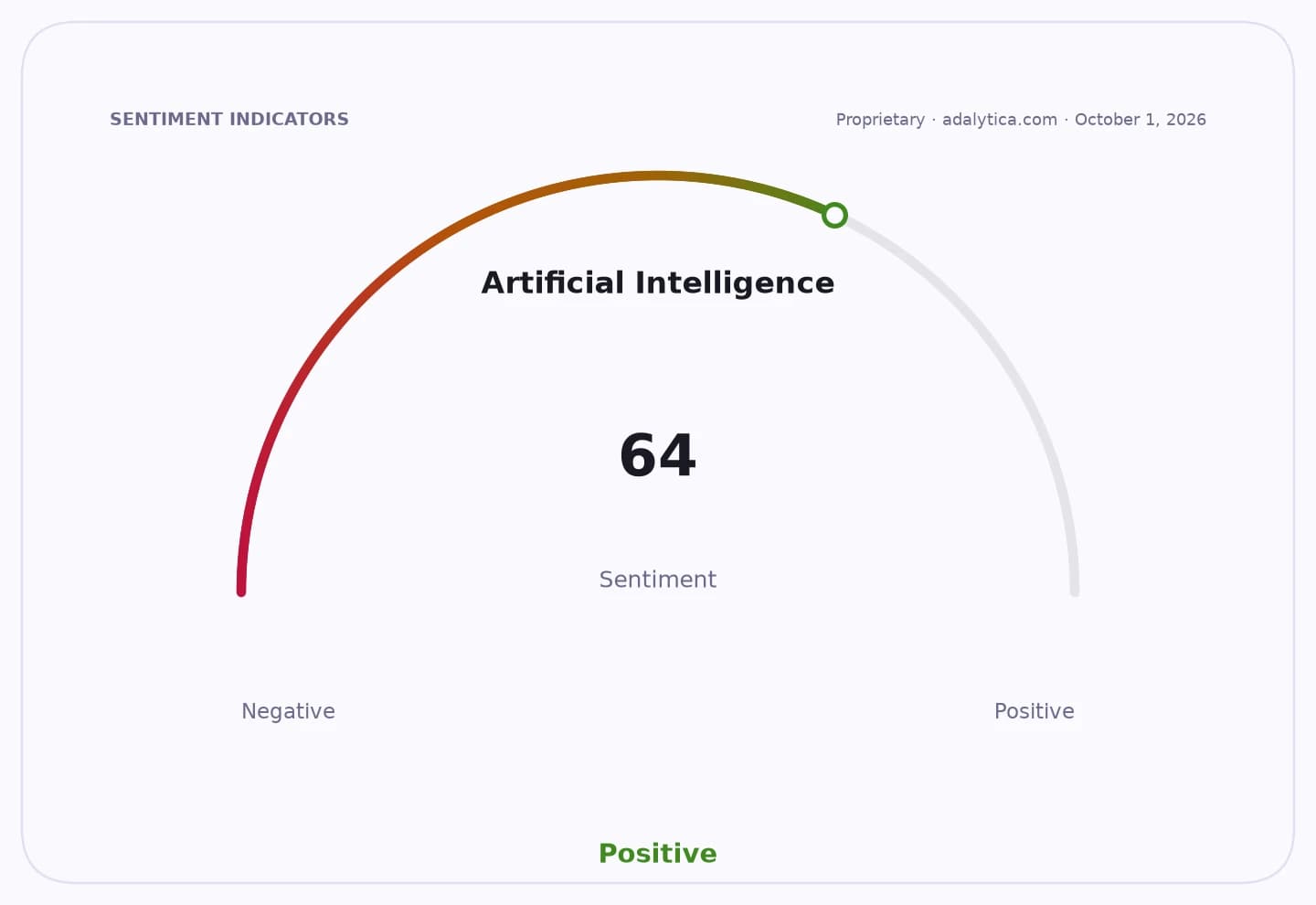
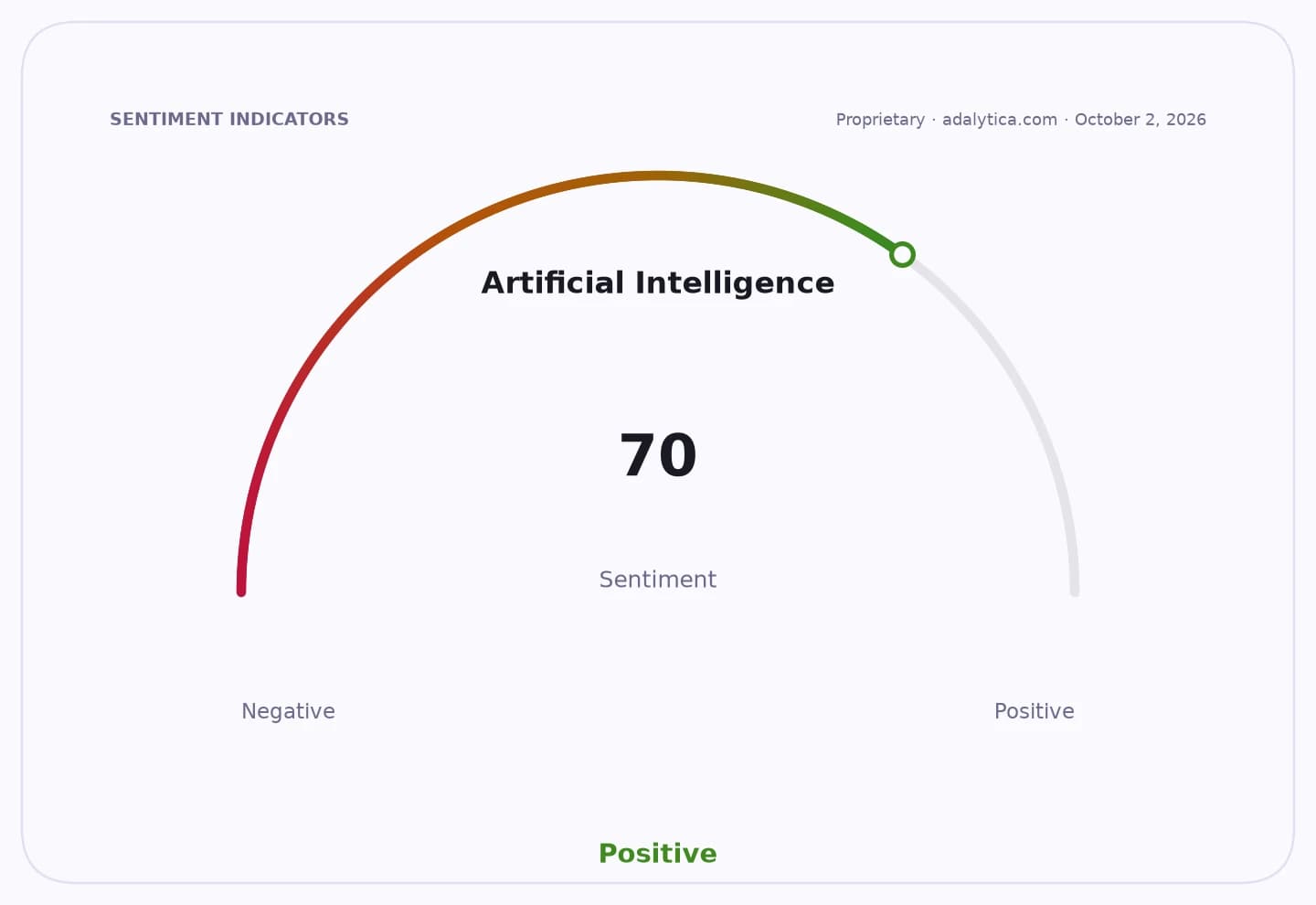
Sentiment IndicatorsⓘProprietary · adalytica.com · October 2, 2026
This is a snapshot — live sentiment, awareness and momentum for 130+ markets update continuously in the dashboard.Open AlphaPulse
That backdrop helps explain why the market has shifted from rewarding pure AI enthusiasm to focusing on execution risk, oversight and return on capital. Microsoft’s own latest technical picture points to a stock that has recovered sharply from earlier weakness, with the shares closing at $512.80 on Oct. 1, above both the 50-day and 200-day moving averages, even as sentiment around the company remains subdued in Adalytica’s gauge. The contrast is telling: investors are still willing to pay for AI exposure, but they are also demanding evidence that spending on AI infrastructure, software and training translates into durable earnings growth.
For Microsoft, which has positioned itself as a major enterprise AI platform, the training story is strategically relevant. Its annual filing already highlights the need to provide generative AI training and digital learning resources, while also warning that AI systems can produce unintended outcomes and create reputational, competitive or legal risk. That combination makes workforce education a commercial necessity. Customers buying AI tools want help with adoption, governance and compliance, not just access to models. Vendors that can bundle training with software are better placed to defend pricing power and retention.
Artificial Intelligence — 30-day sentimentadalytica.com
Explore this data interactively — full history, time series and cross-market comparisons.Open AlphaPulse
The opportunity is broad across the sector. Universities and professional institutes are trying to meet demand from mid-career workers, engineers and managers who need practical AI skills as firms automate more routine tasks. The risk is that the market can oversell automation while underinvesting in judgment, oversight and domain expertise. News reports have increasingly described employees quietly delegating tasks to AI systems with limited supervision, which underscores why applied programmes that emphasize human review and accountability may prove more valuable than generic AI literacy.
For investors, that matters because the next leg of the AI trade is likely to be driven less by model announcements and more by adoption rates, margins and training spend. A stronger ecosystem of certified workers could support software demand and cloud consumption for firms such as Microsoft and Nvidia, whose shares have also remained above their longer-term trend lines. But it could also expose which businesses are financing AI rollouts without building the internal capability to use them well.
The near-term catalyst is simple: whether demand for applied AI education turns into a repeatable commercial market. If it does, education providers, enterprise software vendors and cloud platforms stand to benefit. If not, AI adoption risks remaining uneven, with high infrastructure spending but slower productivity gains than bulls expect.
| Entity | Gains | Losses |
|---|---|---|
| IIT Hyderabad | ▲Higher demand for certification | ▼Pressure to scale delivery |
| Enterprises | ▲Better AI adoption skills | ▼Training and implementation costs |
| Microsoft | ▲More enterprise AI uptake | ▼Greater scrutiny on ROI |
| Workers without AI skills | ▲Broader reskilling access | ▼Risk of displacement |