AI is changing the labor market less by eliminating jobs outright than by forcing employers to rethink what experience counts, and that shift could matter as much for hiring costs and productivity as the technology itself.
AI Labor Market Shifts in Australia Hiring
The most important new development is not mass layoffs, but a widening mismatch between how quickly workers are being told to adapt and how slowly many employers are adjusting their hiring practices. The evidence points to a labor market in transition: Australian construction firms still have about 20,000 jobs unfilled, women make up just 13% of the industry's 1.37 million workers, and BuildSkills Australia says lifting women's participation in residential construction could add 51,000 workers by 2029 and cut the projected workforce gap by 44%.
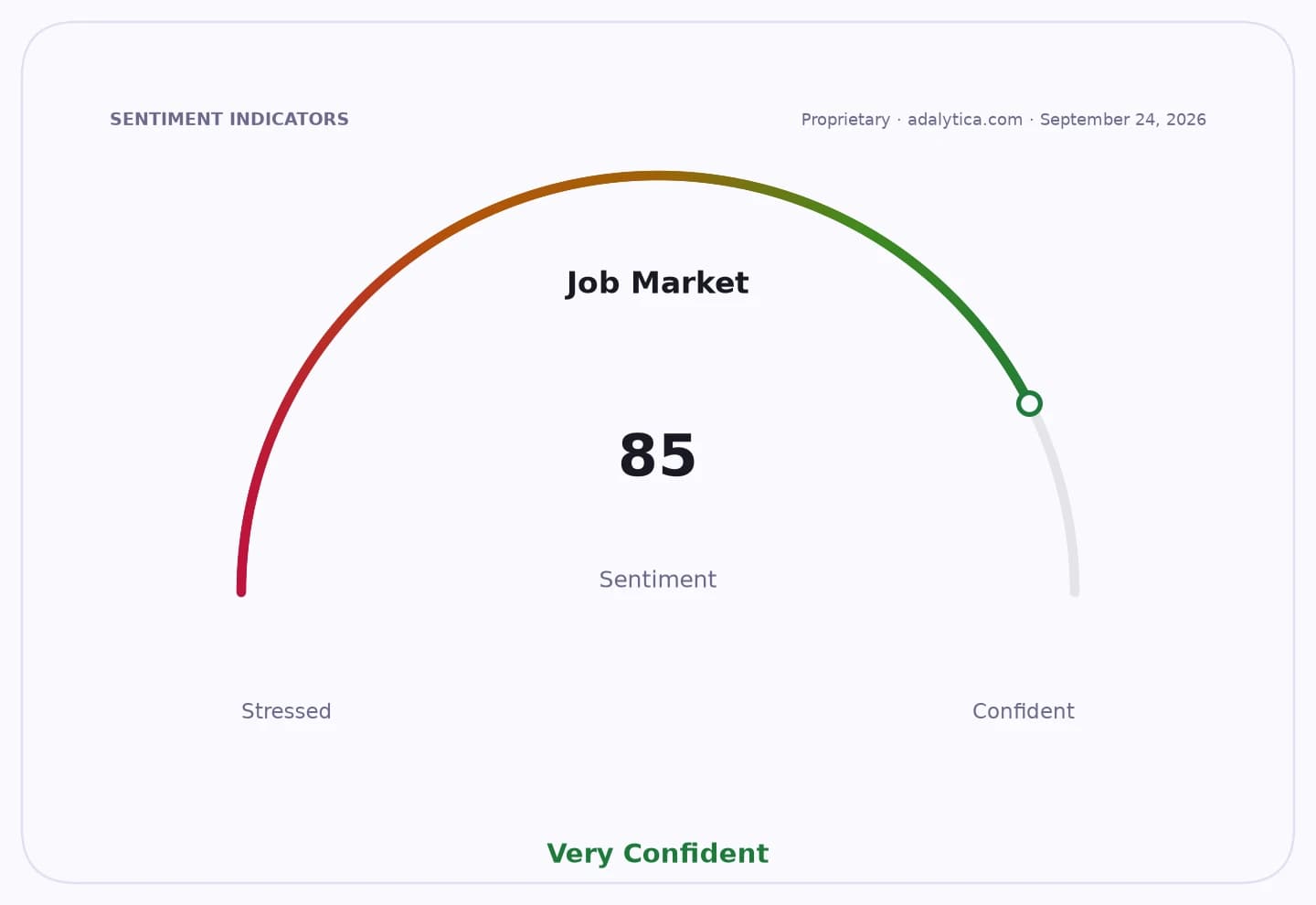
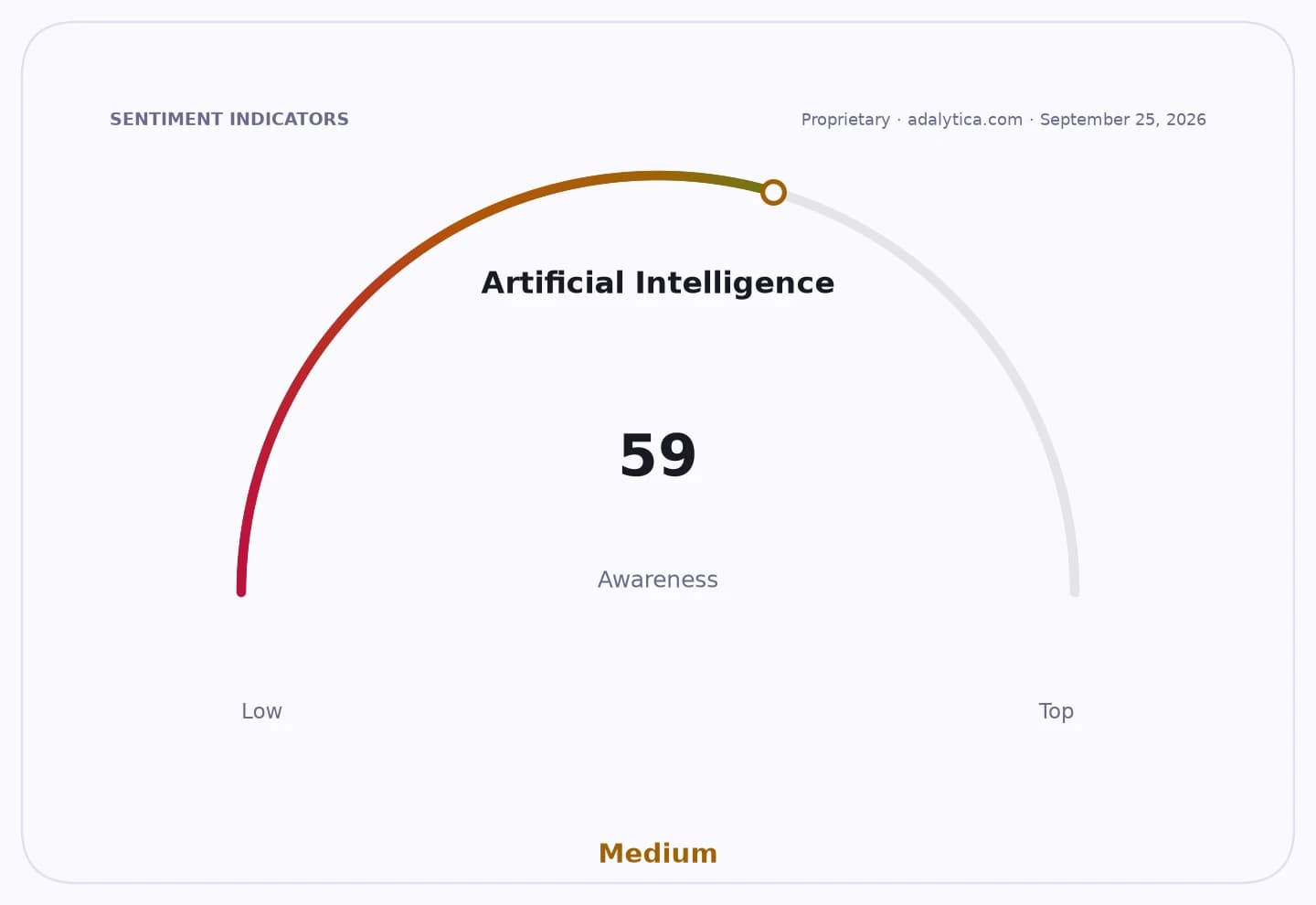
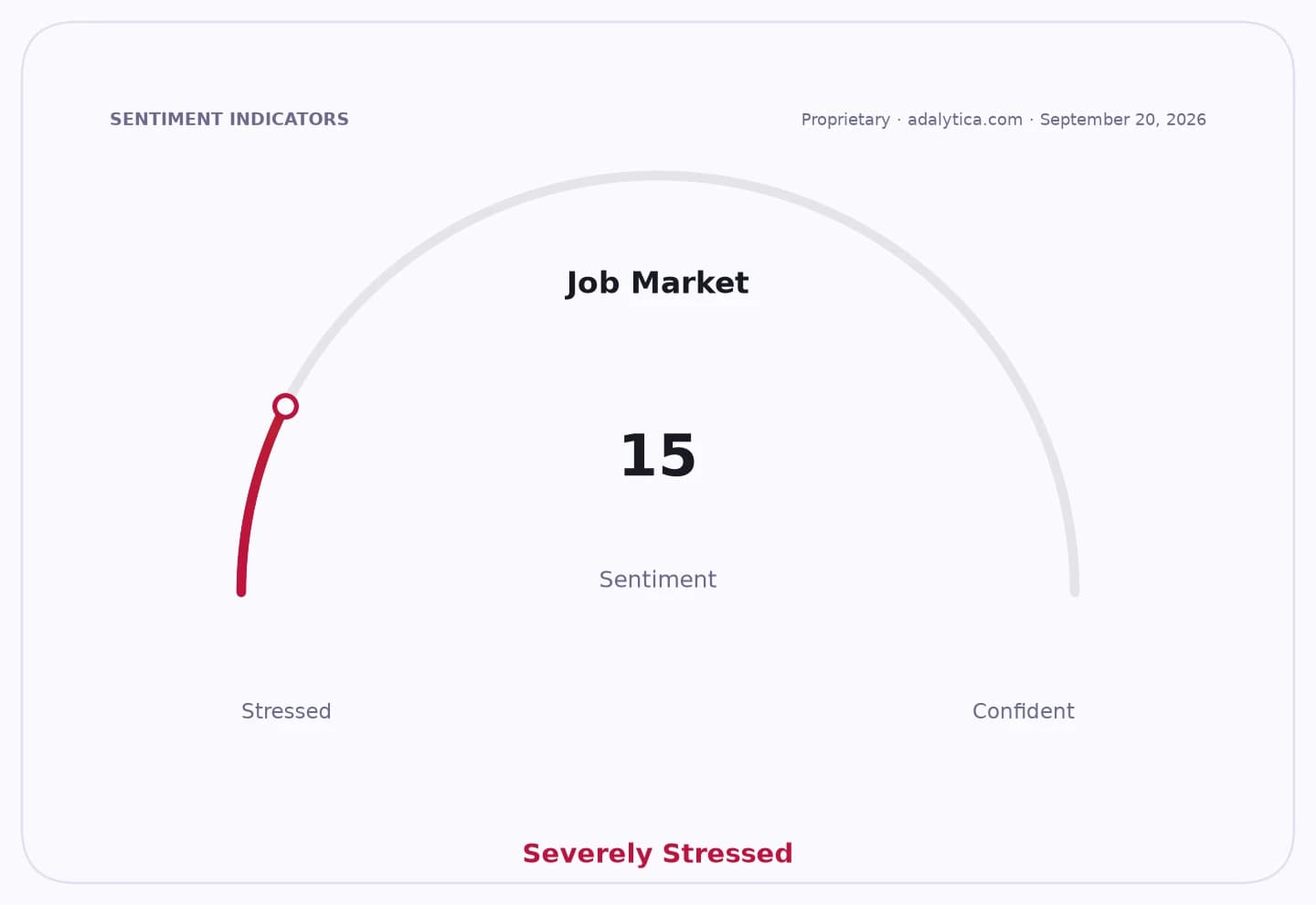
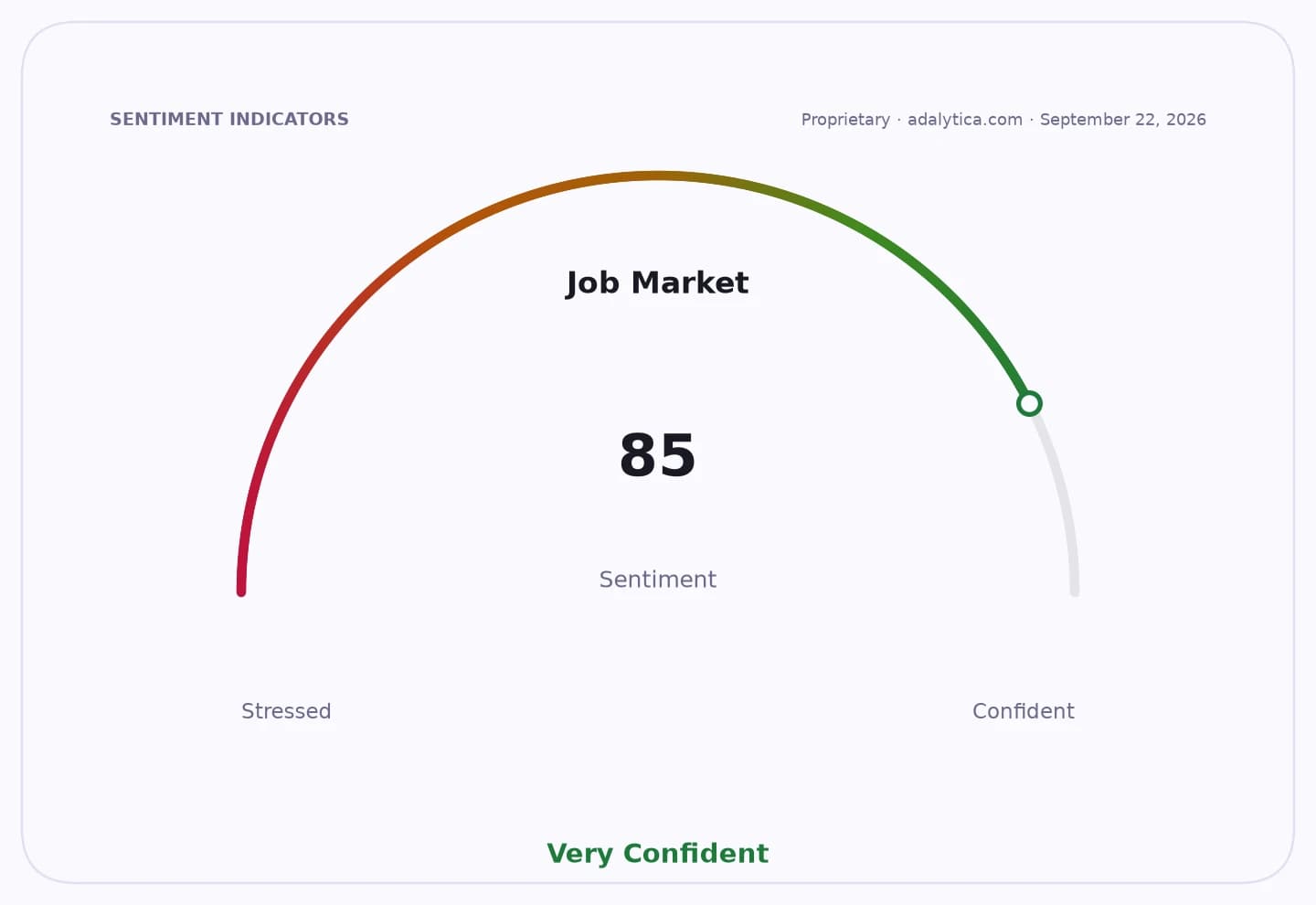
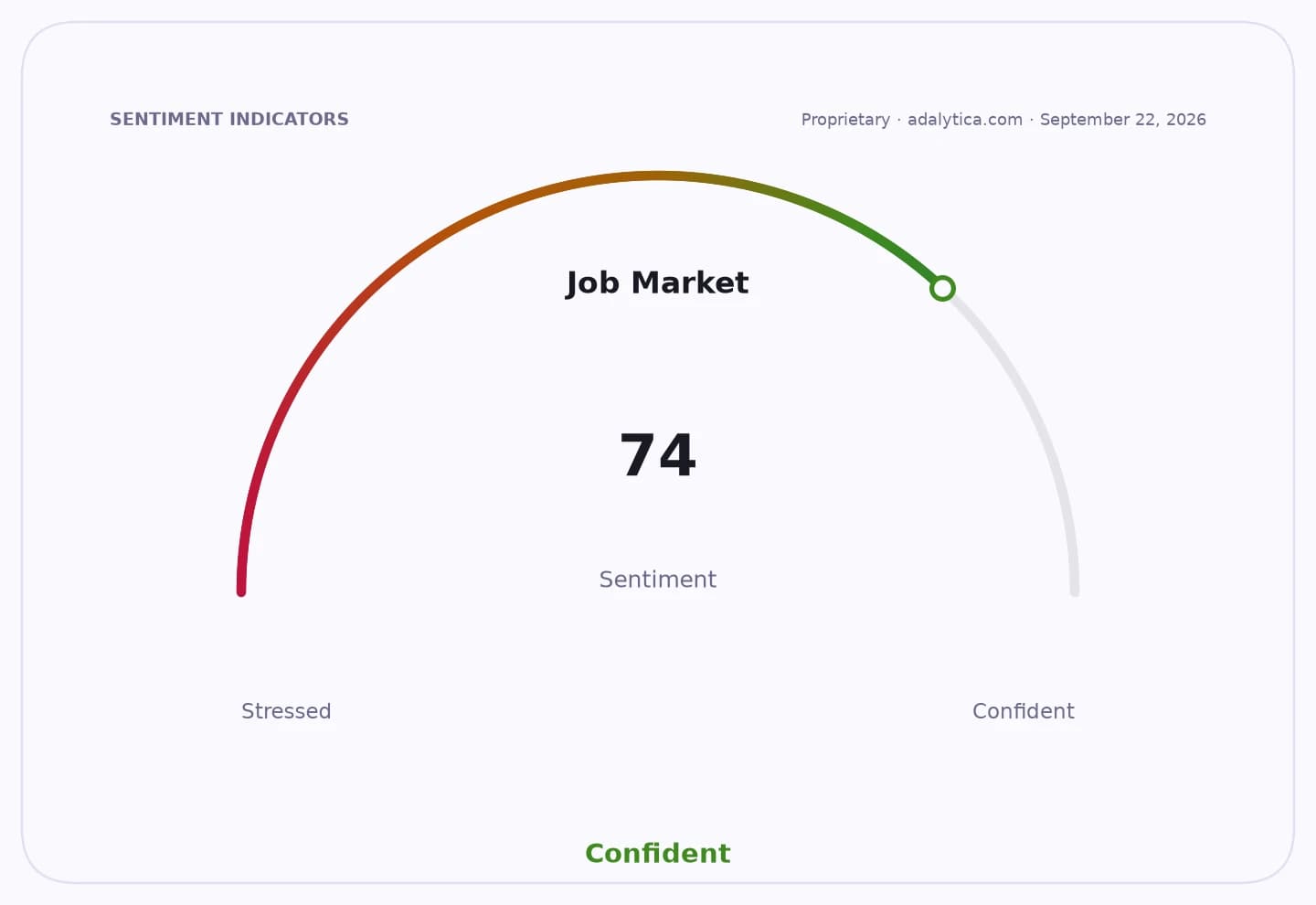
Sentiment IndicatorsⓘProprietary · adalytica.com · September 22, 2026
This is a snapshot — live sentiment, awareness and momentum for 130+ markets update continuously in the dashboard.Open AlphaPulse
That matters economically because AI is accelerating the need for labor reallocation across occupations and, in some cases, across industries. The classic response has been to tell workers to reskill and move, but that only works if employers are willing to recognize transferable skills. In the construction example, career changers from health care, education, transport, finance, hospitality and manufacturing brought management, communication, collaboration and coordination skills that were useful in roles such as administration, safety, finance and environmental work. The bottleneck is not just worker mobility; it is employer rigidity.
For the wider economy, that raises the stakes on labor productivity and participation. If companies insist on narrow industry experience even as technology shifts task requirements, they will slow hiring, deepen shortages and leave productivity gains on the table. If they broaden screening, they can tap underused pools of labor, especially women and mid-career workers seeking a second act. The Australian data underscore that this is not a theoretical workforce debate: jobs remain vacant even in sectors that are expanding, and informal networks still dominate entry, which tends to favor those already connected rather than the best-matched candidates.
Investors should read this as a labor cost and operating model issue, not just a social one. Businesses that adapt hiring, training and internal mobility faster should be better placed to fill roles, reduce turnover and capture AI-driven efficiency gains. That is relevant across recruiters, staffing firms, human-capital software providers and employers facing tight labor markets. It also helps explain why companies such as ADP, Robert Half and ManpowerGroup are leaning into digital tools and skills-based matching in filings and strategy updates: the recruiting process itself is becoming a competitive advantage.
There is also a clear bear case. Specialist roles will still require specialist training, and some employers may find that loosening requirements increases screening costs or raises the risk of a bad hire. But the broader message is that AI is making skill adjacencies more valuable and job descriptions more fluid. Workers cannot bear the burden of transition alone. The employers that win the next phase of the labor market will be the ones that can identify what a candidate already knows, what can be learned quickly and what truly demands prior industry experience.
| Entity | Gains | Losses |
|---|---|---|
| Workers with transferable skills | ▲More entry routes | ▼Narrow title-based screening |
| Employers that hire flexibly | ▲Faster staffing, lower shortages | ▼Rigid hiring models |
| Staffing and HR platforms | ▲Higher demand for skills matching | ▼Traditional credential filters |
| Incumbent specialists | ▲Protection of premium roles | ▼Pressure on exclusive experience barriers |