Hanoi’s labor market is showing a sharp mismatch between what employers want and what workers are willing to accept, with only 7.8% of jobseekers seeking monthly pay above 20 million dong while companies increasingly demand higher-skilled staff and keep most offers in the 5 million to 20 million dong range.
Hanoi labor market shows pay and skill mismatch
That gap matters because it points to a market that is not short of applicants, but short of the right applicants. The Hanoi Employment Service Center said employers needed about 38,000 workers in August, based on 13,424 hiring slots from 2,545 vacancies, yet recruitment demand was concentrated in retail and services, while companies leaned heavily toward managers, mid-level specialists, senior specialists and office assistants. In other words, demand is increasingly for workers with qualifications and technical capability, not just bodies to fill seats.
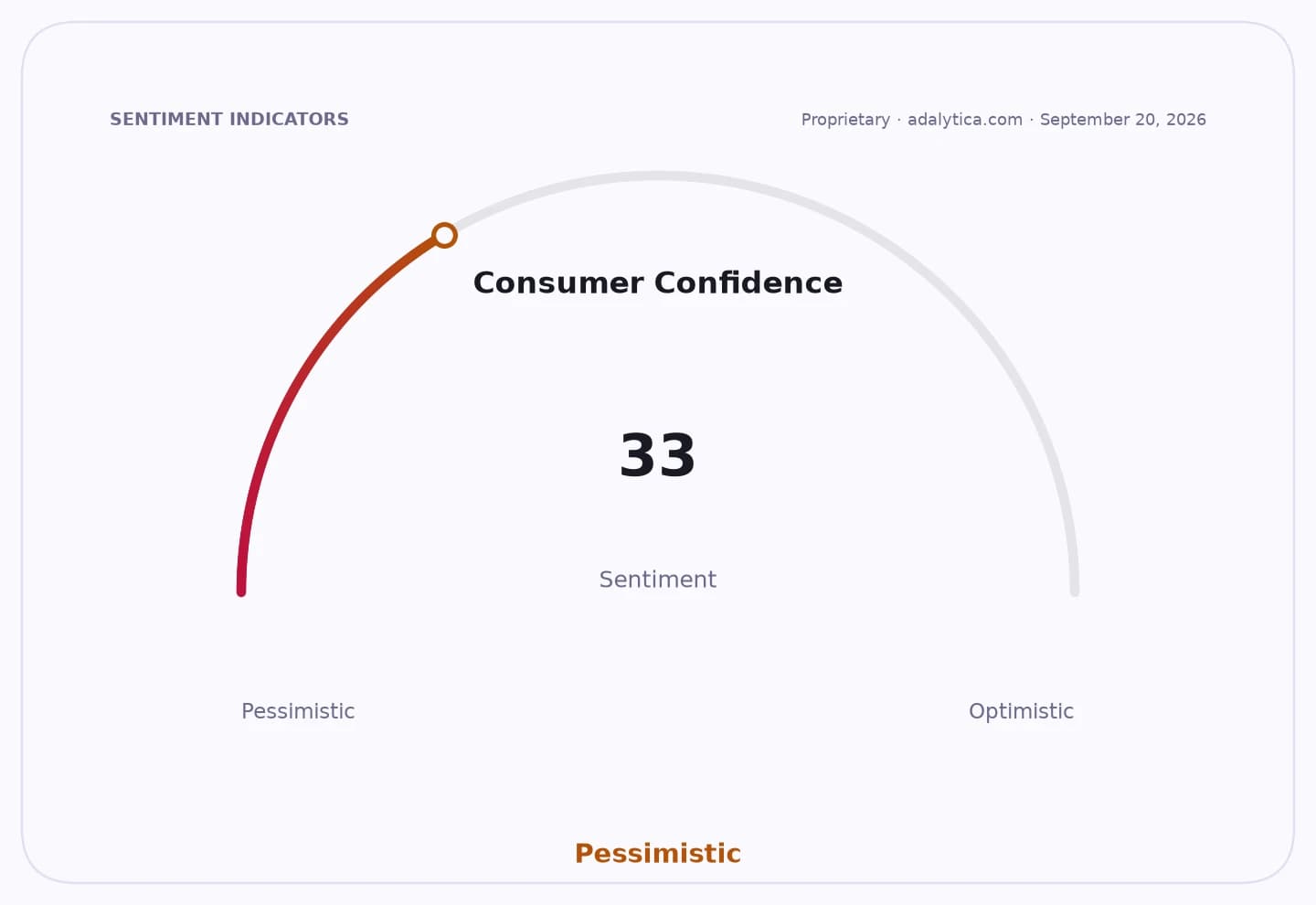
Sentiment IndicatorsⓘProprietary · adalytica.com · September 20, 2026
This is a snapshot — live sentiment, awareness and momentum for 130+ markets update continuously in the dashboard.Open AlphaPulse
The wage data underlines the same bifurcation. Of job ads surveyed, 53.3% offered 10 million to 20 million dong a month, 36.9% were in the 5 million to 10 million dong band, and only 9.6% were above 20 million dong. On the worker side, 48.6% of nearly 5,000 resumes showed salary expectations in the 10 million to 20 million dong range, 43.3% were targeting 5 million to 10 million dong, and 7.8% wanted more than 20 million dong.
For employers, that means the broad middle of the labor market remains the most liquid. Firms that want volume need to sit in the 5 million to 20 million dong range, while those recruiting engineers, project managers or highly experienced specialists may have to pay materially more. The center said skilled technical roles in construction still stand apart, with wages for engineers, skilled workers and professional machine operators ranging from 16 million to 35 million dong a month depending on the job.
The economic significance goes beyond Hanoi. The numbers point to a classic “quantity versus quality” problem: abundant low-skill labor and entry-level office workers, but a shortage of workers who meet employers’ standards for technical and professional roles. That can cap productivity gains, slow the shift to higher-value services and raise wage pressure in scarce occupations even when headline job demand looks healthy.
For investors and corporate planners, the takeaway is that labor costs are not rising evenly. Companies in retail, services and basic administration still have access to a deep pool of candidates, but firms in construction, technical services and higher-end operations may face tighter hiring conditions and faster wage inflation for scarce talent. That favors employers able to train internally or pay up for specialization, while it pressures businesses reliant on cheap, easily replaceable labor.
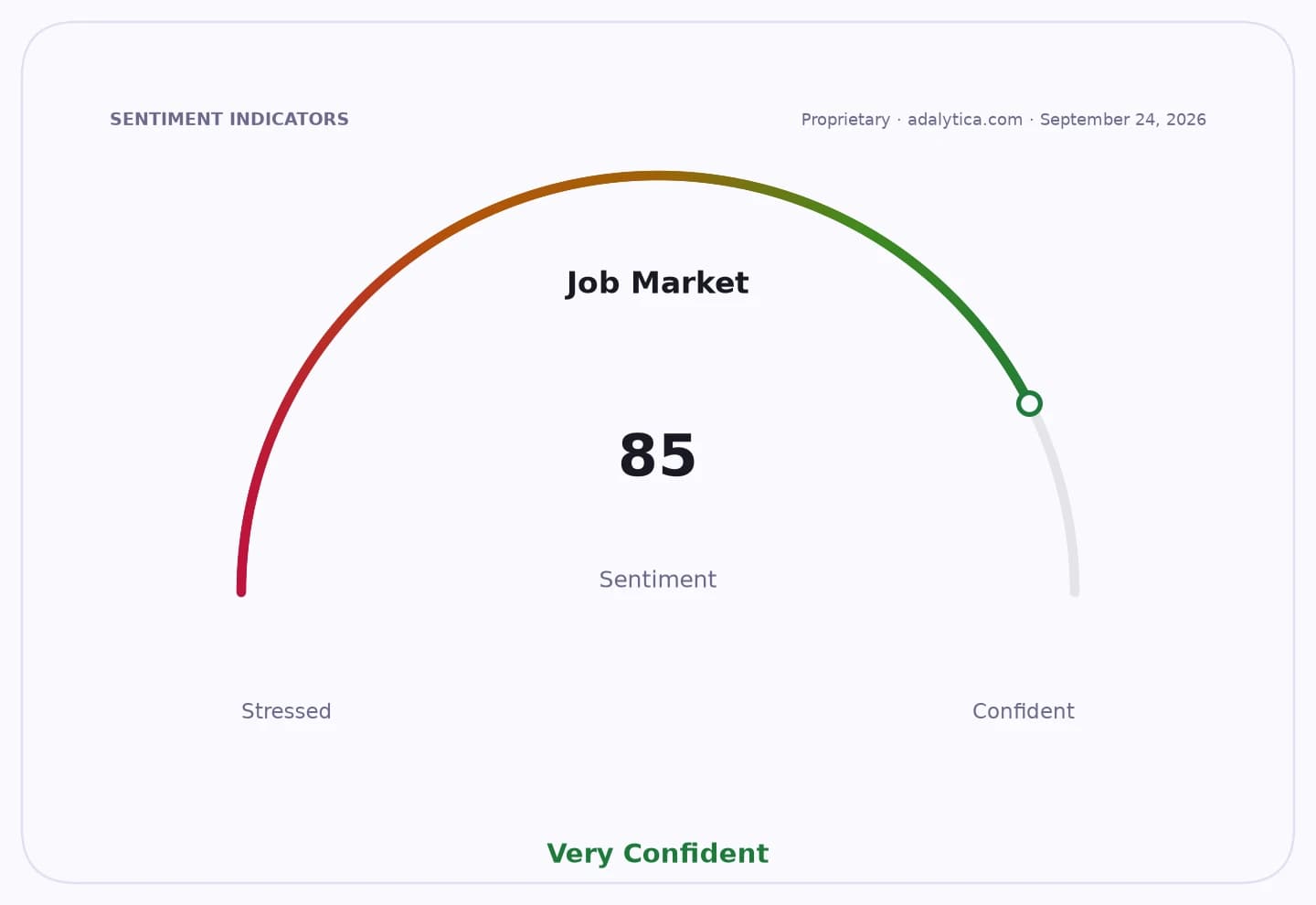
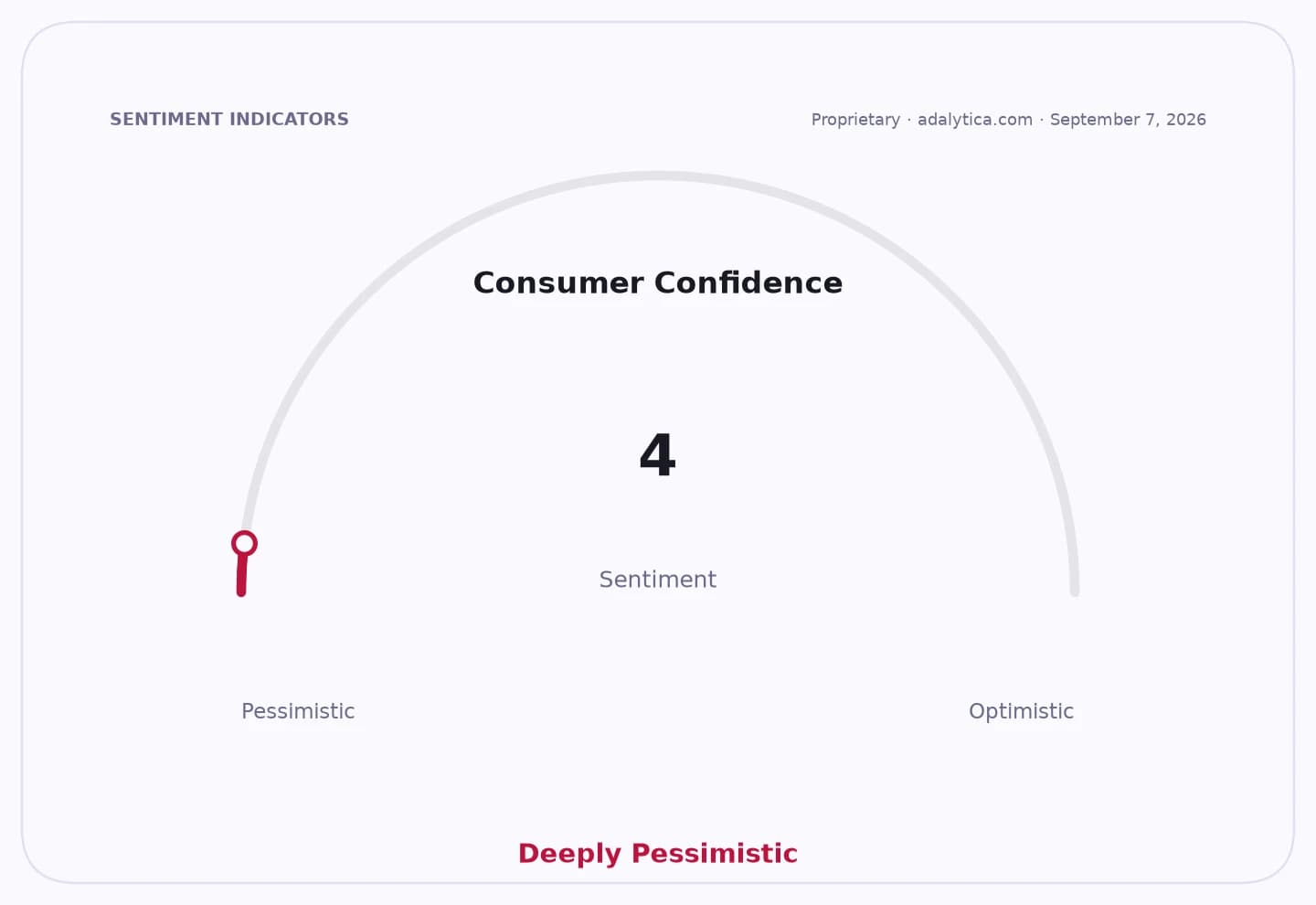
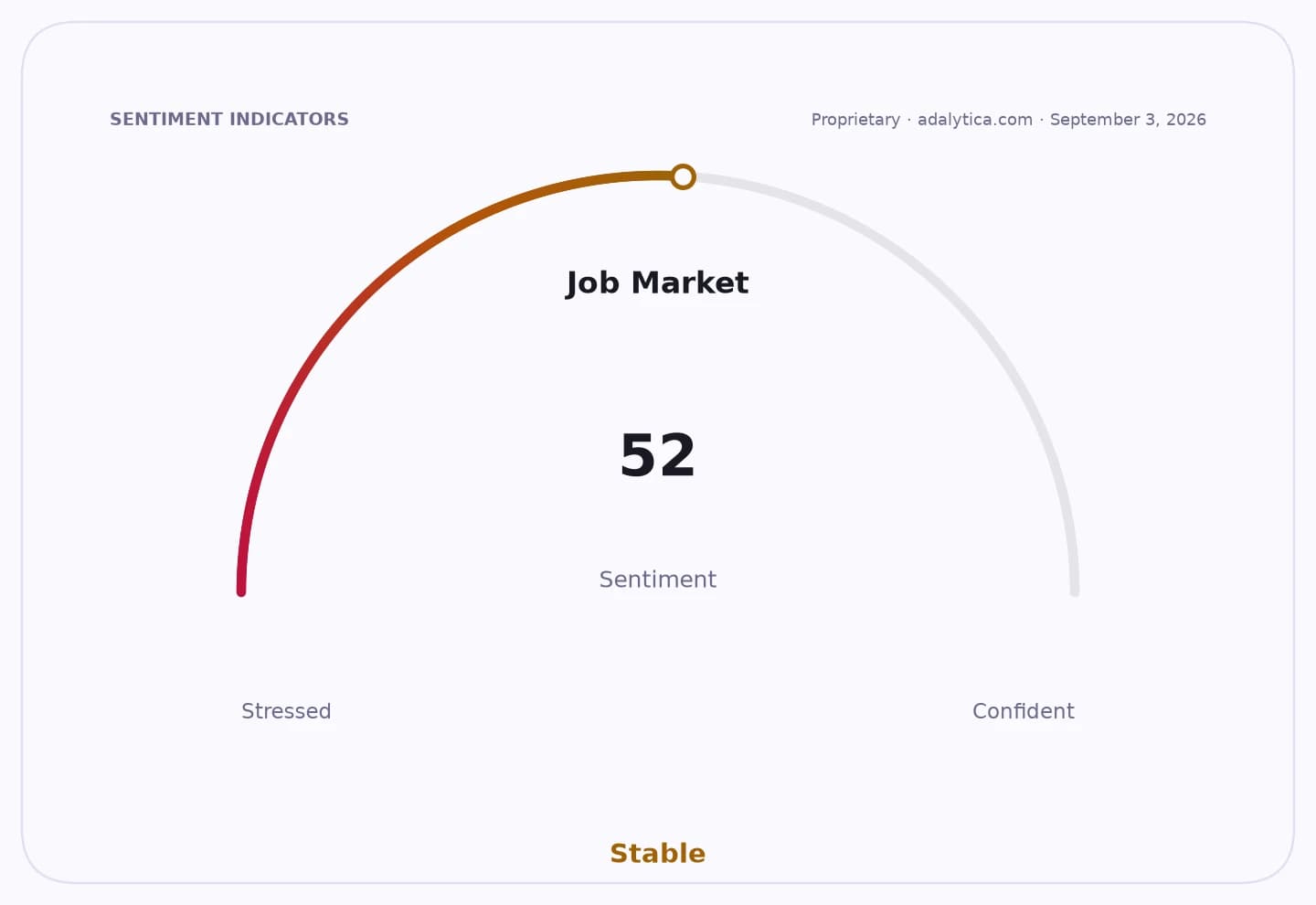
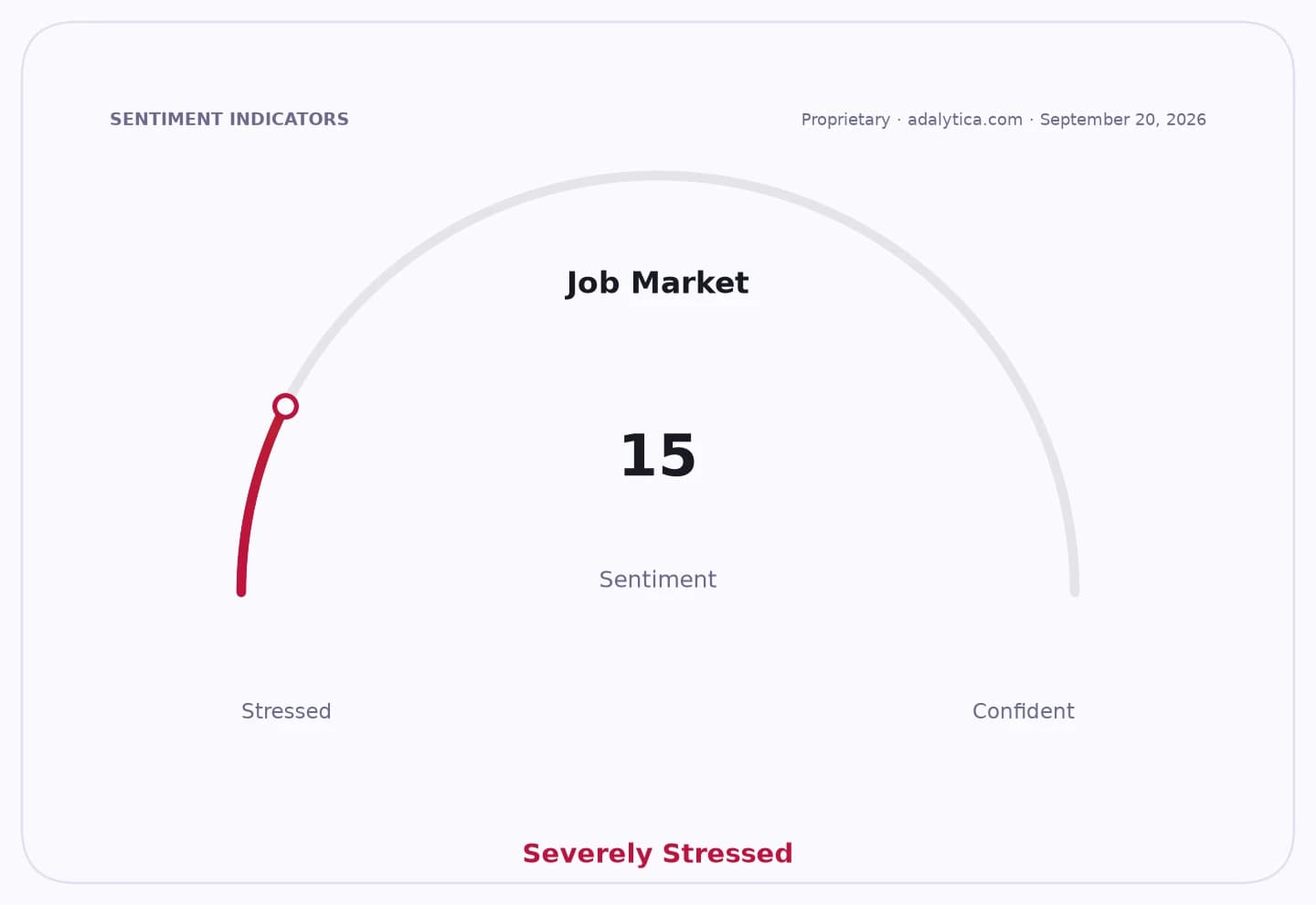
The broader backdrop is a labor market with employment holding up but confidence weakening. Adalytica’s job-market sentiment gauge is in “Extreme Fear,” while its consumer-confidence recession gauge is also in “Fear,” suggesting households remain cautious even as hiring continues. That combination points to a market where employers can still recruit, but where workers are increasingly sorting themselves by skill level and wage floor.
The key question now is whether wage growth can keep pace with the demand for higher qualifications. If not, the mismatch between worker expectations and employer requirements could widen, leaving Vietnam’s urban labor markets with more vacancies in specialized roles and more competition in the crowded middle.
| Entity | Gains | Losses |
|---|---|---|
| Skilled workers | ▲Higher pay bids | ▼Greater hiring standards |
| Employers needing volume hires | ▲Large applicant pool | ▼Limited upside in wages |
| Employers needing specialists | ▲Access to targeted talent | ▼Higher compensation costs |
| Low-skill jobseekers | ▲More entry-level openings | ▼Slower wage growth |