A viral Gen Z rejection of a “good company” job over unpaid late-night Slack availability captures a broader shift in hiring: workers still have leverage in parts of the labor market, but they are increasingly unwilling to trade pay for always-on culture.
Gen Z Job Rejection Highlights After-Hours Culture
That tension matters because it is no longer just a social-media grievance. Employers across staffing, payroll and human-capital management are trying to hold onto talent while operating in a labor market that is cooling unevenly and putting more emphasis on retention than on expansion. The candidate’s refusal after nearly two years out of work suggests that work-life boundaries have become a real screening criterion, not just a perk negotiated from strength.
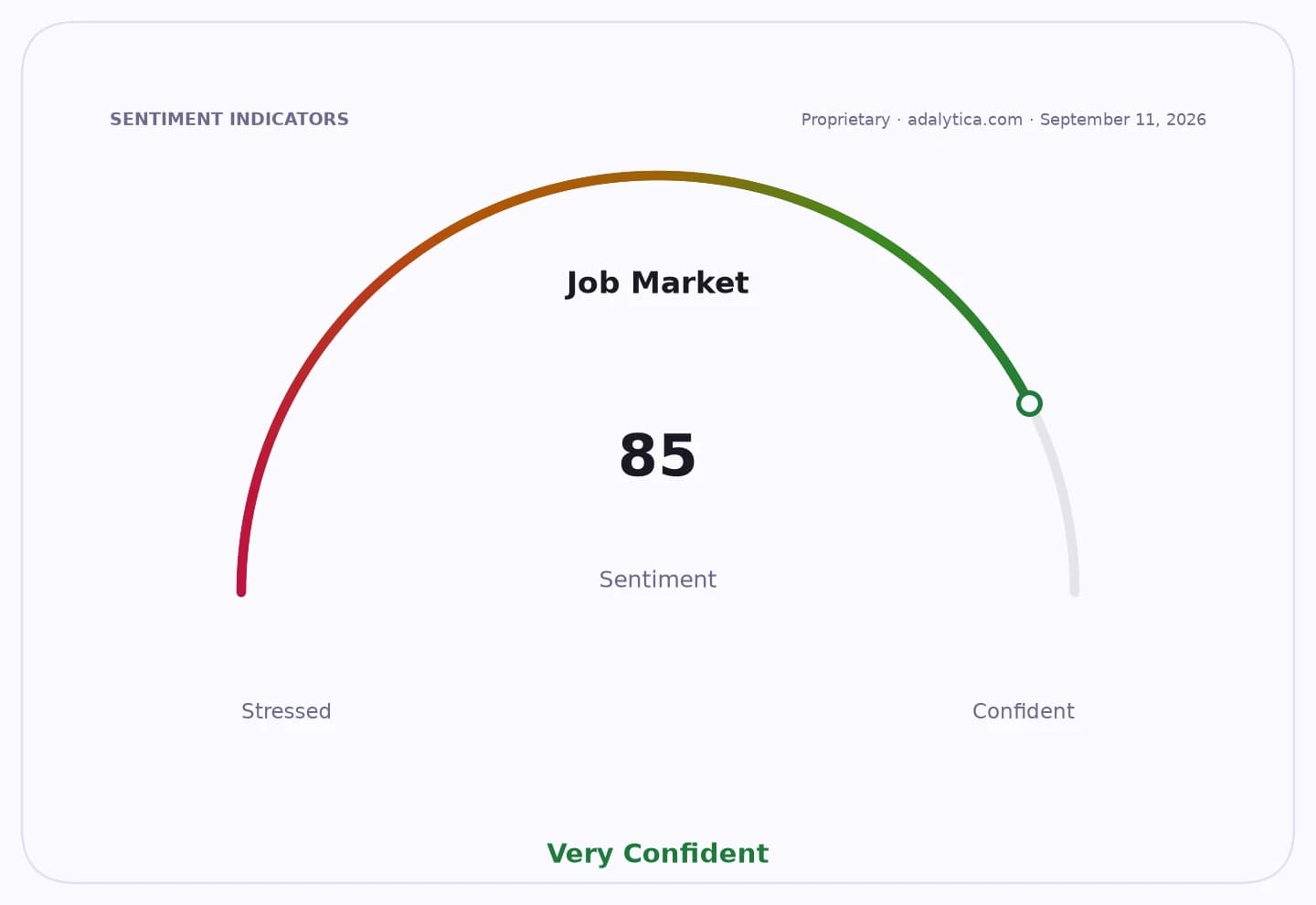
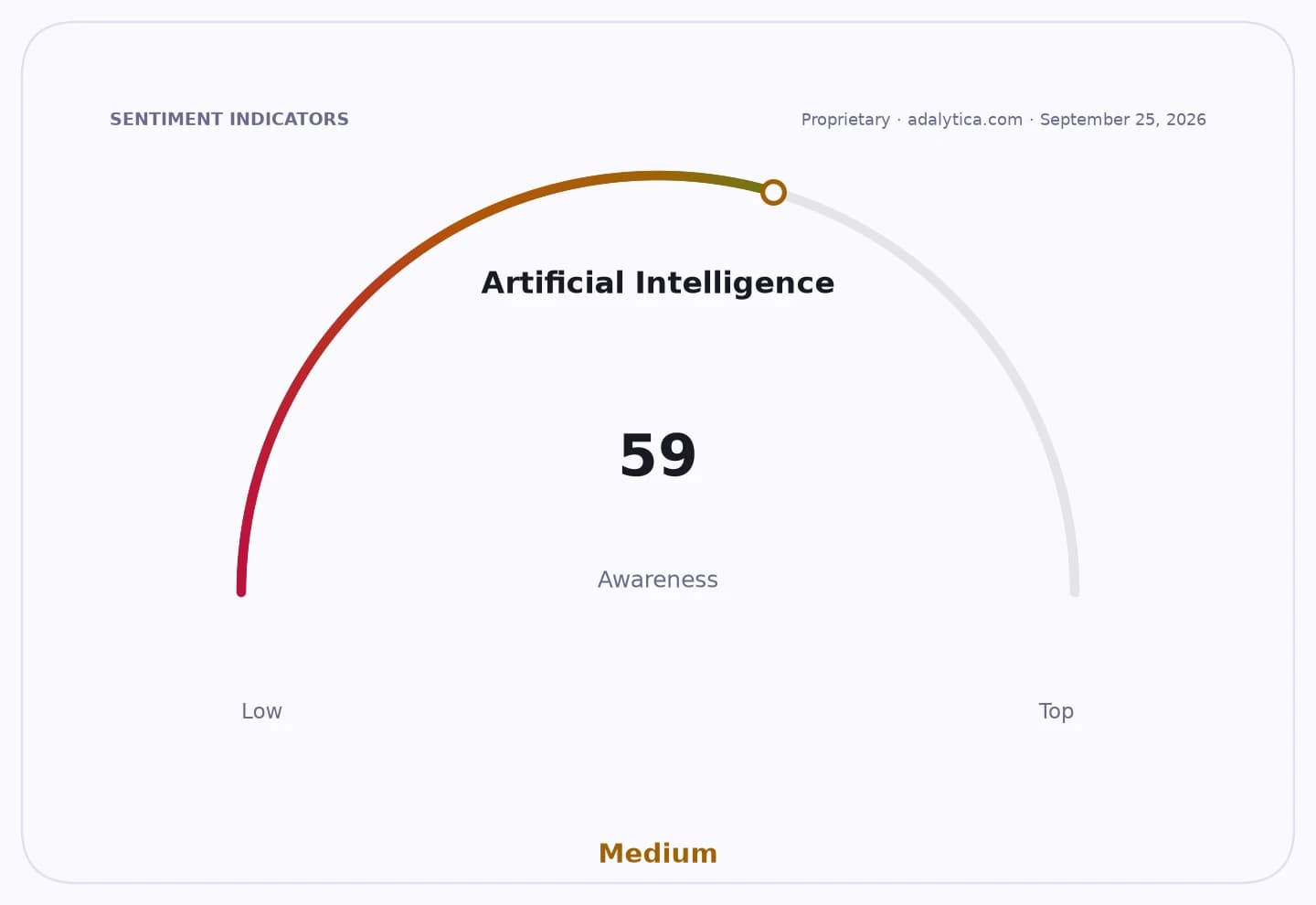
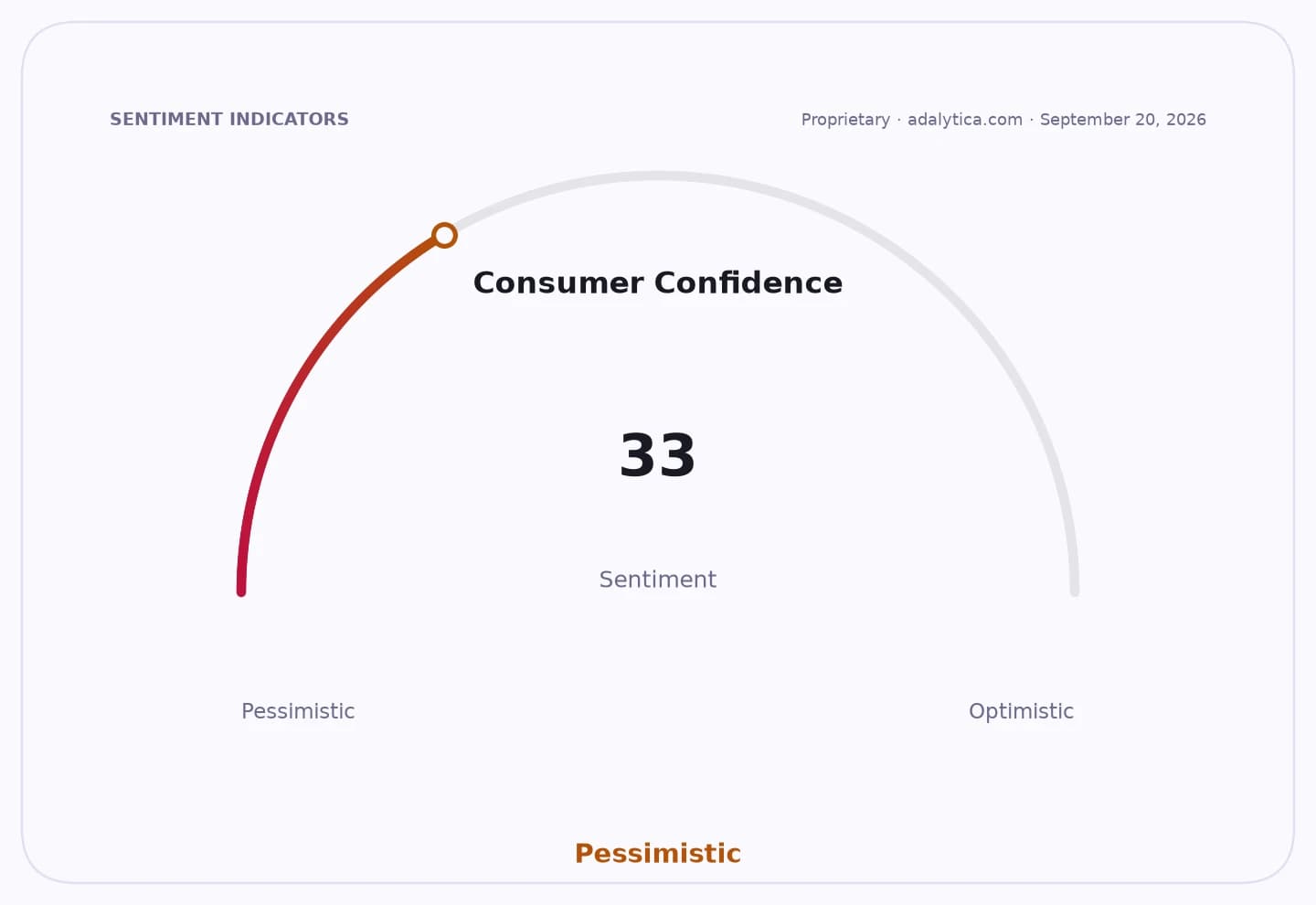
Sentiment IndicatorsⓘProprietary · adalytica.com · September 22, 2026
This is a snapshot — live sentiment, awareness and momentum for 130+ markets update continuously in the dashboard.Open AlphaPulse
The story also underscores how compensation expectations are changing. The hiring manager’s assumption that after-hours availability was simply “part of the culture” was enough to end the process, even though the job was described as lucrative. For employers, that is a warning that salary alone may not secure acceptance from younger workers who place a premium on predictability, mental health and off-hours protections.
The debate around the post — which drew more than 21,000 likes — reflects a divide that is increasingly visible across generations. Some commentators argued the candidate should have taken the role and searched for something better later, while others said they no longer tolerate unpaid work outside contract hours. That split is important for recruiters because it shows the market is not just pricing wages, but also pricing the hidden cost of burnout.
The implications extend to labor intermediaries such as ManpowerGroup, Robert Half and ADP, which benefit when employers need help sourcing, retaining and structuring jobs around flexibility. ADP’s latest filing said it had expanded compensation management tools to help employers identify and mitigate retention risks, while Manpower said client demand depends on overall labor-market strength and secular trends toward greater workforce flexibility. Robert Half has likewise pointed to ongoing demand for skilled talent even as the broader labor picture shifts.
Investors should read the episode as a sign that labor remains structurally tight in some skilled segments even if hiring momentum is less frantic than in the post-pandemic rebound. That is a supportive backdrop for firms that help employers compete on retention, but a challenge for businesses still relying on old-school expectations of after-hours loyalty without paying for it.
The near-term question is whether this becomes a niche social trend or a broader hiring constraint. If more candidates reject roles that blur the line between salary and unpaid availability, companies may have to raise pay, formalize overtime rules or redesign work schedules — all of which would raise labor costs and change margins in service-heavy industries.
| Entity | Gains | Losses |
|---|---|---|
| Gen Z workers | ▲stronger boundaries | ▼fewer accepted offers |
| Employers with rigid culture | ▲lower short-term costs | ▼higher rejection rates |
| ADP, MAN, RHI | ▲retention/flexibility demand | ▼slower, harder hiring |
| Workers seeking leverage | ▲cultural shift in their favor | ▼less tolerance for burnout |