Employers facing persistent worker shortages are shifting from a pure hiring race to a retention strategy built on training, internal promotion and stronger management of existing staff.
Russia employers shift to retention over hiring
That matters because the labor crunch is no longer only about how many vacancies companies can fill, but how long they can keep the workers they already have. Across industries from healthcare and education to transport, logistics and construction, vacancies are easing at the same time resumes are rising, yet shortages have not disappeared. The result is a tighter, more selective labor market in which employees increasingly shop for better offers and companies are forced to compete on culture, growth and working conditions as much as on wages.
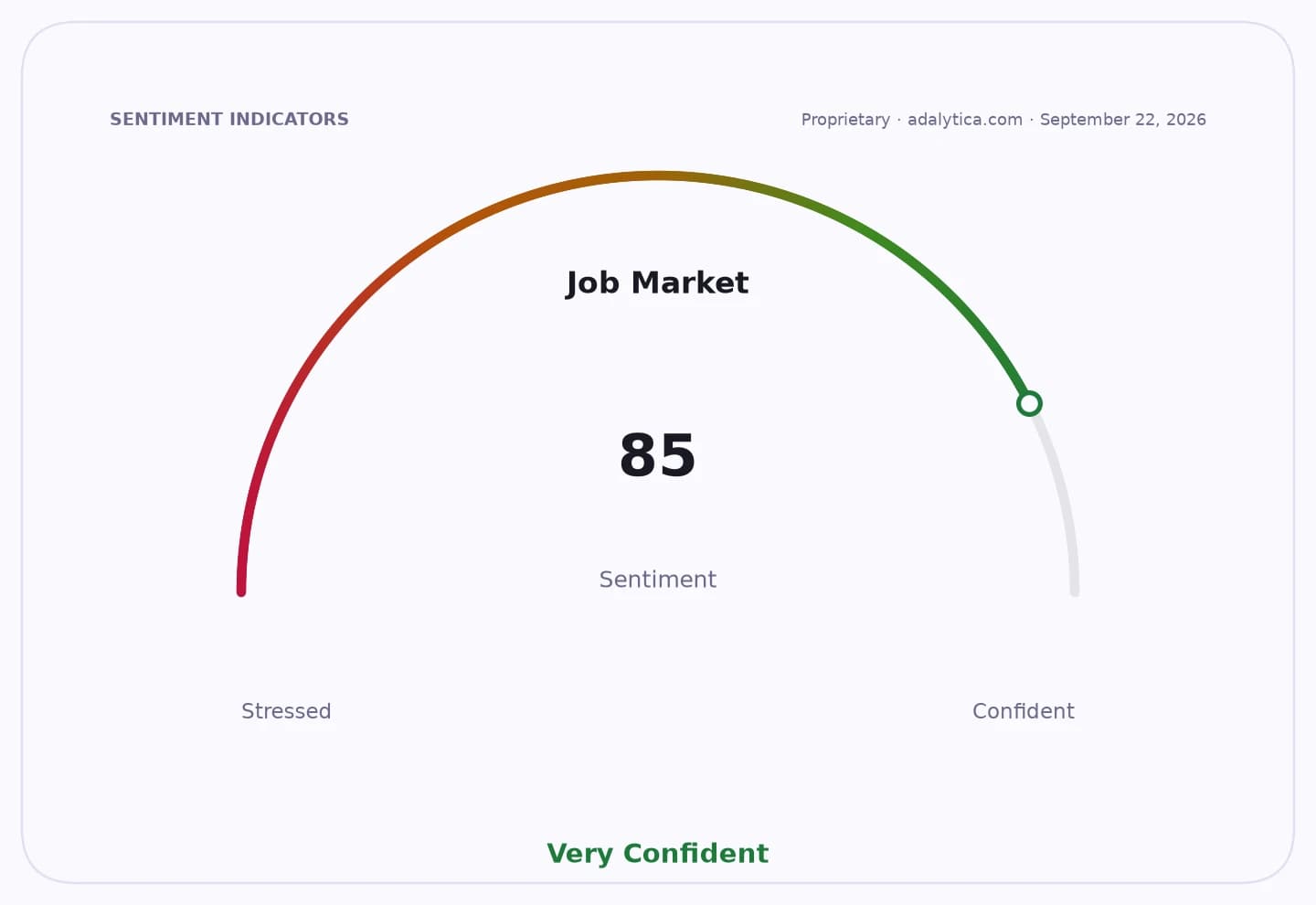
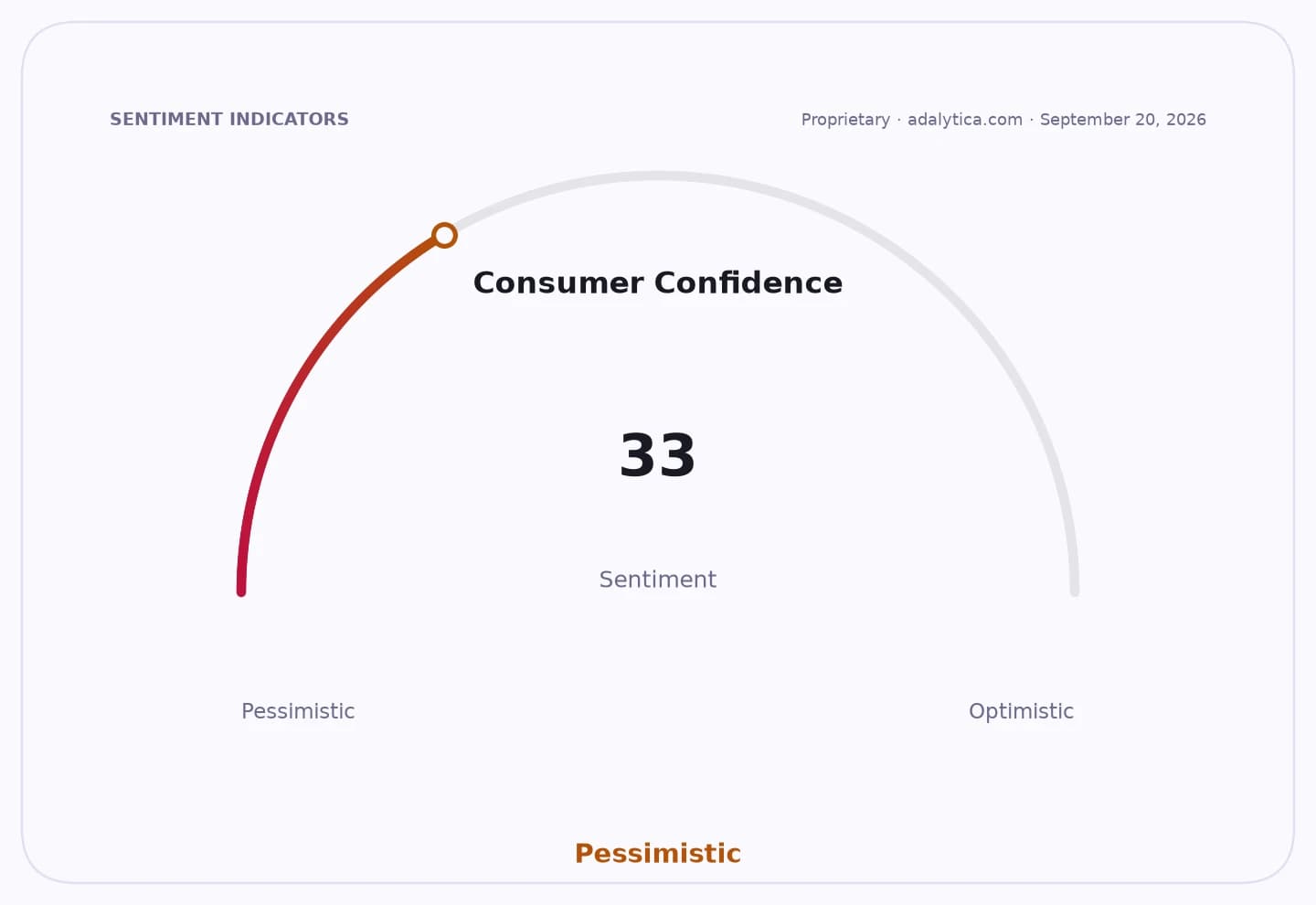
Sentiment IndicatorsⓘProprietary · adalytica.com · September 9, 2026
This is a snapshot — live sentiment, awareness and momentum for 130+ markets update continuously in the dashboard.Open AlphaPulse
The structural change is visible in the data. SuperJob said vacancies in medicine and education fell just 2% even as resumes rose 10%, while IT saw vacancies drop 13% and resumes climb 11%. In transport and logistics, demand fell 15% against a 27% rise in job seekers. Construction vacancies declined 13% as resumes increased 22%, helped by weaker building activity and the end of subsidized mortgage programs. Even so, employers are not seeing relief: the market is skewed by a demographic shortfall and outmigration in regions such as Zabaikalsky Krai, and many workers are still treating resume posting as a way to bargain for better terms rather than as a sign of unemployment.
That dynamic is pushing firms to keep staff already in place at almost any cost. Harry Muradyan, who heads an international recruiting agency and advises Russia’s State Duma youth policy council, said unemployment at 2.1% is effectively a sign of an overheated labor market and estimated that 4.8 million additional workers will be needed by 2030. He said linear worker pay has jumped sharply, with some shift-based roles rising from 90,000-130,000 rubles to 230,000-370,000 rubles, not because productivity suddenly improved, but because “it is cheaper to retain than to hire.”
For investors, that means wage inflation and retention spending remain a real operating-cost issue even where headline vacancy data is softening. Companies that can build a pipeline of workers internally, automate recruitment and reduce turnover should defend margins better than peers that keep relying on external hiring. Labor-intensive industries — staffing, healthcare, logistics, industrials and construction — are likely to feel the pressure first, while HR technology and payroll providers stand to benefit as employers invest in tools that improve retention and workforce planning.
The contrast between pay and retention came through clearly in the examples discussed at the Strong Forum in Chita. Marina Zimina, founder of an ophthalmology clinic network, said she prefers younger doctors and nurses and invests heavily in mentorship, bringing new hires alongside senior staff and using the clinic’s culture to filter candidates. Her message was blunt: money matters, but it is not the main lever if the employer can offer development, support and a clear professional path.
At Bystrinsky GOK, the logic is even more industrial. Valeria Torshina said the miner has built what it calls a closed ecosystem: internal promotion, student internships and referrals. In 2025, about 500 employees were moved into new roles, including 176 who were promoted; in 2026 the target rose to about 200. Roughly 100 interns come through the student program each year and 22% are hired, while referrals became the main way vacancies were filled last year, accounting for almost half of hires. The company is effectively cutting dependence on the open market by turning retention into a talent pipeline.
That approach is becoming a competitive advantage. Recruitment firms and HR software groups already describe a labor market in which employers must search for candidates where they are, rather than expect applicants to come through traditional channels. Muradyan said candidates now use AI to polish resumes while employers use AI filters to reject them, a process that speeds up screening but also risks turning hiring into a machine-vs-machine contest that frustrates both sides.
The broader lesson is that the labor shortage is no longer only a question of headcount. It is about workforce architecture: how companies build skills internally, whether managers talk to employees before they resign, and whether HR is integrated with marketing, training and corporate reputation. In that environment, the firms most likely to win are not necessarily those paying the highest wage, but those offering the most credible path for employees to grow and stay.
| Entity | Gains | Losses |
|---|---|---|
| Employers with strong retention systems | ▲Lower turnover, steadier staffing | ▼Higher upfront training costs |
| Workers with in-demand skills | ▲Better pay and bargaining power | ▼Risk of burnout in shortage roles |
| Staffing firms and HR software providers | ▲More demand for automation and workforce tools | ▼Traditional external recruiters |
| Employers relying on wage-only hiring | ▲Short-term fill rates | ▼Margins and retention |