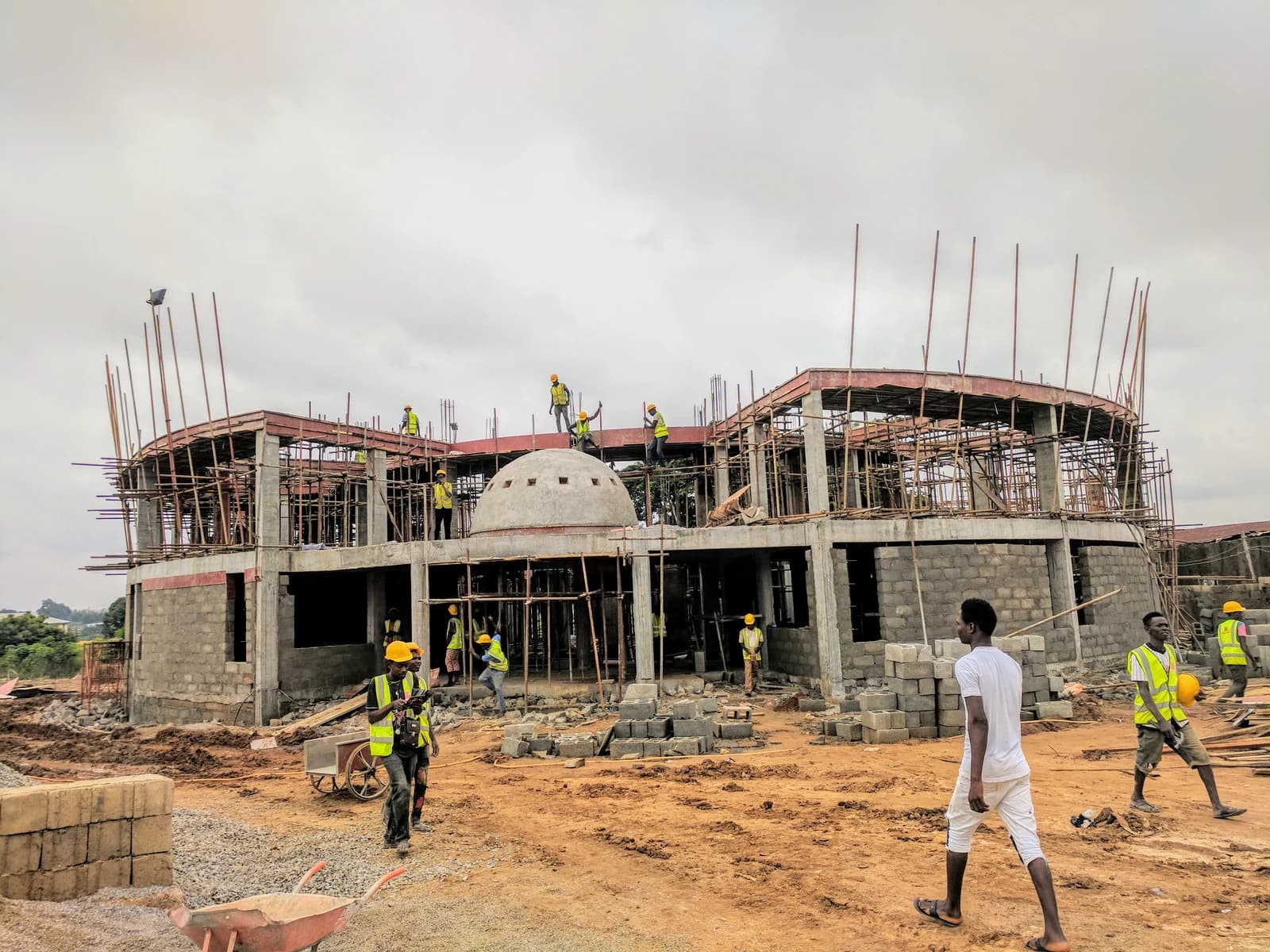
Ukrainian construction employers are bidding up pay sharply for scarce skilled workers, with facade installers, plasterers and tilers now being offered more than UAH 70,000 a month as labour shortages tighten across a sector central to the country’s rebuilding effort.
Ukraine construction wages rise amid labor shortages
The jump matters because construction is one of the clearest stress points in Ukraine’s post-war economy: it is labour-intensive, tied to reconstruction demand and increasingly constrained by migration, mobilisation and a shrinking pool of experienced workers. When wages in a sector rise 22% year on year while vacancies barely grow, it usually means employers are paying up not for expansion alone, but to secure enough labour to keep projects moving.
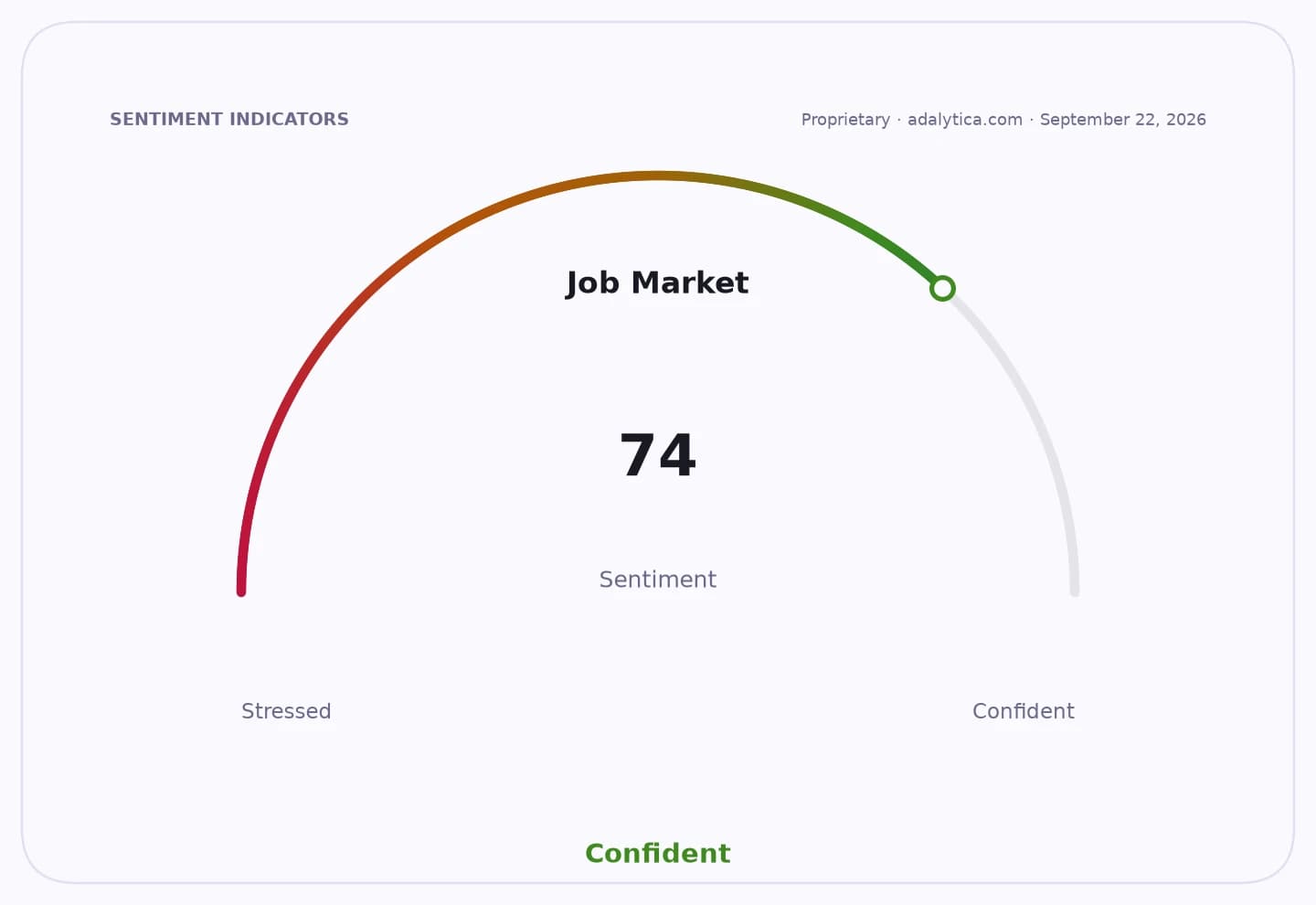
Sentiment IndicatorsⓘProprietary · adalytica.com · September 7, 2026
This is a snapshot — live sentiment, awareness and momentum for 130+ markets update continuously in the dashboard.Open AlphaPulse
In July 2026, the median wage in construction and finishing work reached UAH 38,125, up from a year earlier and well above the national median job offer of UAH 30,500, according to data from a Ukrainian job portal reviewed by OBOZ.UA. The highest median offers in the category were UAH 72,500 for facade workers, UAH 71,250 for plasterers and UAH 71,000 for tilers. Even bricklayers and painters could expect more than UAH 60,000, while general labourers were offered about UAH 29,000.
That wage premium is a sign of a market where employers are competing for a limited number of people with practical skills. The portal said overall construction vacancies rose just 1% from July 2025, while jobseekers increased 11%, lifting the average number of applications per posting from five to six. Maria Abdullina, head of OLX Jobs, said businesses were “increasingly competing for specialists,” and that the labour shortage in 2026 was deepening, including in construction.
The pressure is uneven across the country, reflecting both reconstruction needs and local labour flows. Vacancy growth was strongest in parts of the east and south, including Kropyvnytskyi, up 27%, Dnipro, up 23%, Poltava, up 16%, Zaporizhzhia, up 14%, Mykolaiv, up 13%, Kharkiv, up 8% and Sumy, up 4%. By contrast, openings fell in Kyiv, Lviv, Ivano-Frankivsk, Rivne and Vinnytsia by about 10% or more, suggesting a more competitive market for employers in the west and centre.
Applicant behaviour points to the same divide. In western cities, where vacancies contracted, responses surged: Uzhhorod saw a 46% increase in applications, Lviv 41%, Khmelnytskyi 29%, Chernivtsi 27% and Ivano-Frankivsk 19%. In the east and south, where firms are adding jobs, interest is lagging. Applications fell 40% in Mykolaiv and 11% in Zaporizhzhia, making it harder for employers to fill roles even as demand rises.
For investors and businesses, the message is that wage inflation in reconstruction-linked industries may stay sticky. Construction firms, building-material suppliers and contractors face rising payroll costs, but those with scale and training pipelines may gain share as smaller players struggle to recruit. For the broader economy, the shortage is a bottleneck: rebuilding homes, roads, factories and energy infrastructure requires labour that Ukraine increasingly does not have in sufficient supply.
The likely response is more training, more flexible hiring and a wider search for workers among veterans, internally displaced people, older employees and those without prior experience. But unless Ukraine can widen its labour pool or slow the outflow of workers, pay for the most sought-after construction trades is likely to keep climbing.
| Entity | Gains | Losses |
|---|---|---|
| Skilled builders | ▲Higher wages | ▼Limited labour supply |
| Construction employers | ▲Faster hiring if they pay up | ▼Rising payroll costs |
| Ukraine’s reconstruction drive | ▲More labour incentives | ▼Project delays from shortages |
| General labourers | ▲Some wage uplift | ▼Less bargaining power than specialists |