Young employees in China are increasingly turning down promotions to middle-management roles because the extra pay often does not justify the added pressure, highlighting a labor-market shift that could complicate staffing and succession plans for employers.
China Young Workers Turn Down Middle Management
The trend has spread widely on Chinese social media, where related posts have drawn more than 40 million views, and it reflects a broader rethink among younger workers about career progress. For many, taking a higher title means handling responsibility from both bosses and subordinates without a meaningful jump in compensation.
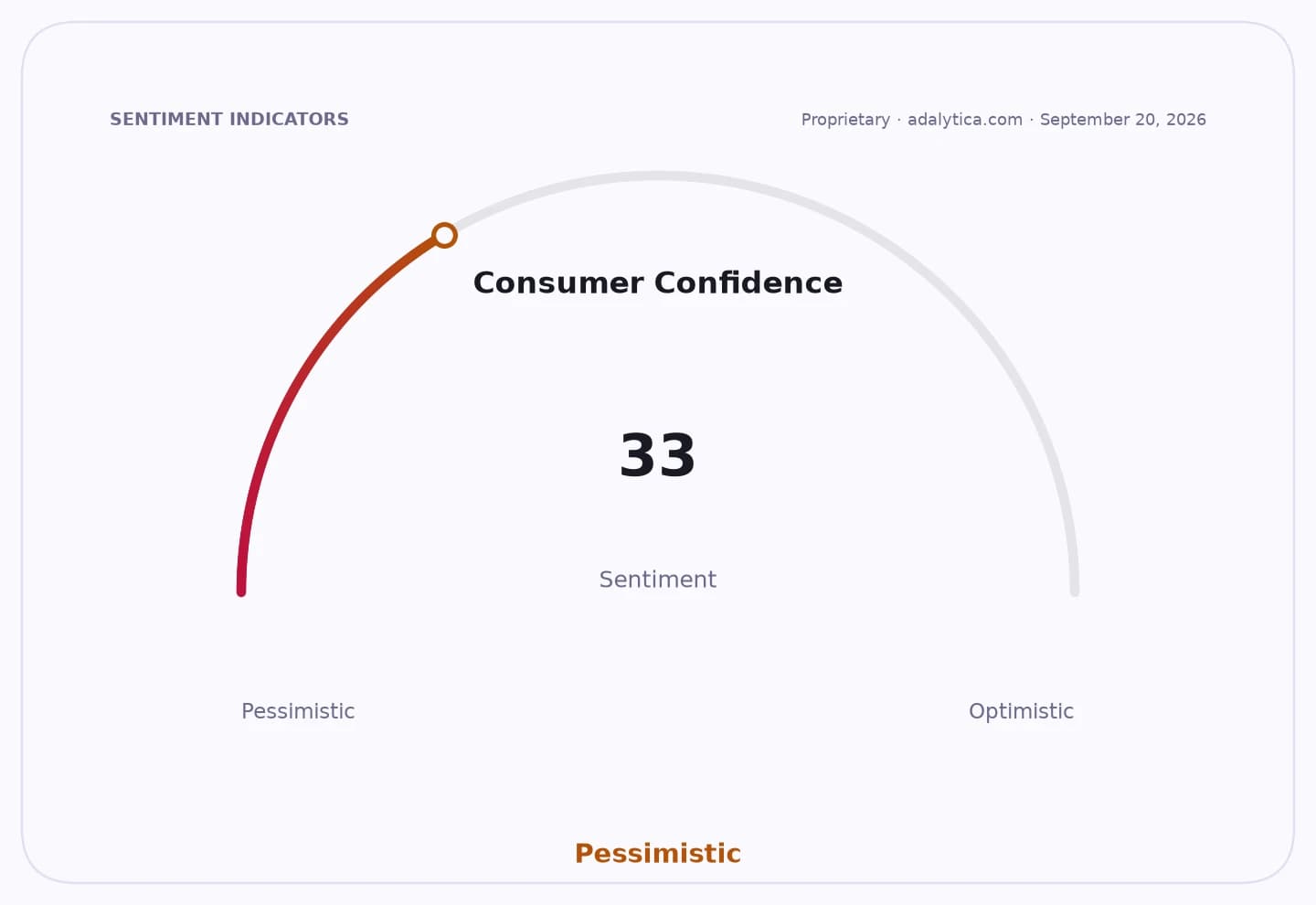
Sentiment IndicatorsⓘProprietary · adalytica.com · September 17, 2026
This is a snapshot — live sentiment, awareness and momentum for 130+ markets update continuously in the dashboard.Open AlphaPulse
One worker said becoming an acting team leader added just 100 yuan, or about 387,000 dong, a month while shifting responsibility for problems onto her shoulders. Another, June, said she had rejected promotion three times in 10 years, including a recent offer in April, after concluding the pay increase was too small relative to the stress and workload.
The pattern matters economically because middle managers are a key layer in how companies execute growth, supervise teams and absorb pressure from senior leadership. If younger staff increasingly opt out, firms may face thinner management pipelines, higher burnout among existing supervisors and greater difficulty retaining ambitious employees.
The issue is not confined to China. UK recruiter Robert Walters calls the trend “conscious unbossing,” and its 2024 survey found more than half of Gen Z respondents do not want to become middle managers, while 72% said they prioritize personal development over managing others.
For investors, the shift points to rising labor frictions in companies that depend on lean management structures, especially in technology, education and service sectors where junior staff are often asked to take on more without much higher pay. It also underscores a wage problem: if promotions no longer deliver clear financial rewards, employers may need to raise compensation, redesign roles or risk slower productivity gains.
The response from employers will be the key test. Companies that can offer clearer authority, better pay progression and less administrative burden may keep younger employees in the pipeline, while those that cannot may find the next generation less willing to climb the corporate ladder.
| Entity | Gains | Losses |
|---|---|---|
| Young workers | ▲Better work-life balance | ▼Faster career titles |
| Employers | ▲Short-term retention of unpromoted staff | ▼Management pipeline depth |
| Senior managers | ▲Fewer weak new bosses | ▼More pressure to fill roles |
| Investors in labor-heavy firms | ▲Clarity on wage pressures | ▼Higher turnover risk |