Small and micro companies generated more than 40% of all jobs posted on eJobs this year, underscoring how Romania’s labour market remains heavily powered by smaller employers even as they compete for the same workers as large domestic groups and multinationals.
Romania SMEs Post Most Jobs on eJobs

About 8,000 companies with up to 50 employees posted more than 66,000 vacancies in 2026, with retail, services, construction, manufacturing, transport and logistics, and tourism accounting for the bulk of hiring, eJobs said. The pattern matters because these firms, while individually smaller recruiters than large employers, make up the vast majority of new businesses and continue to absorb a meaningful share of labour demand.
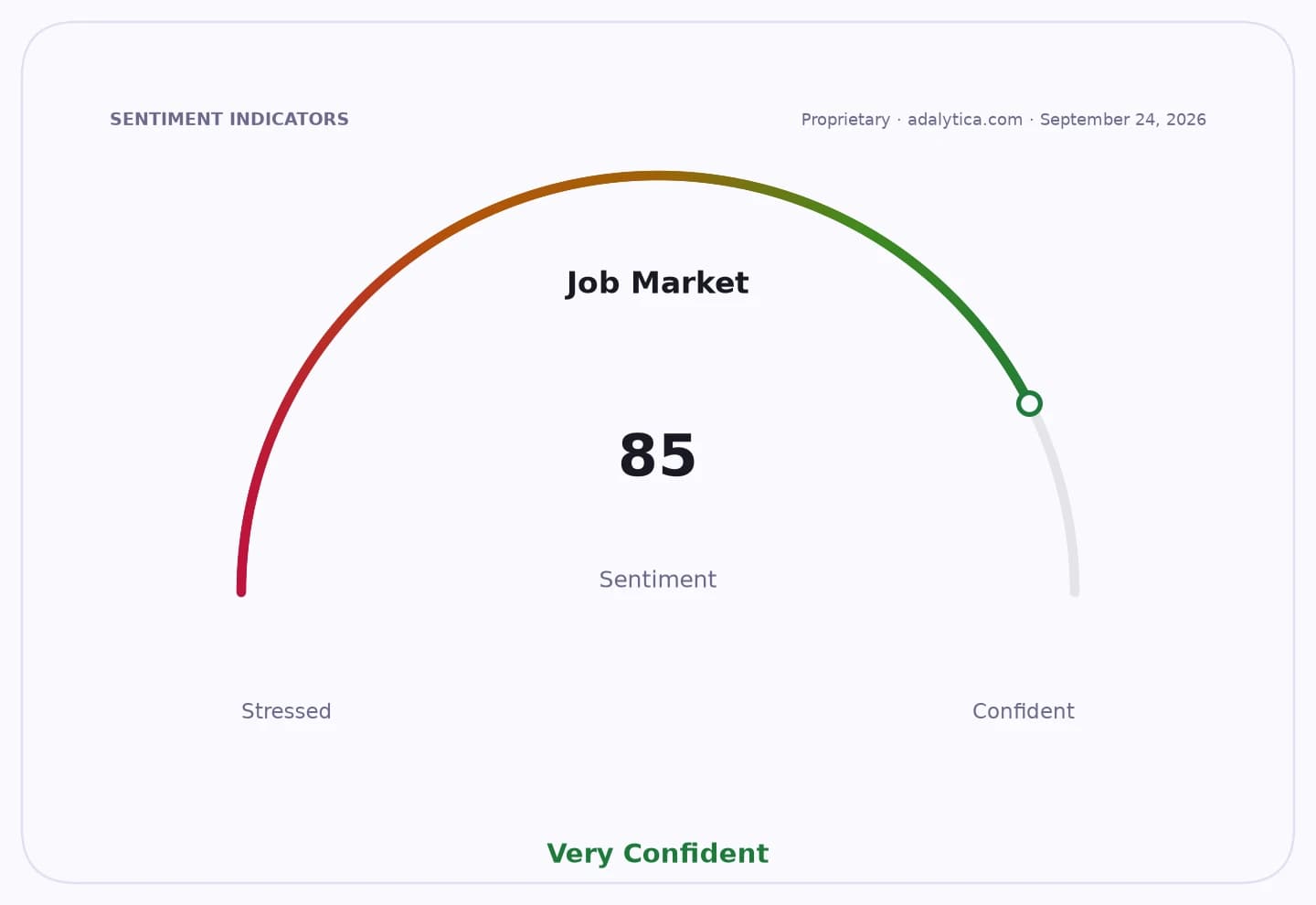
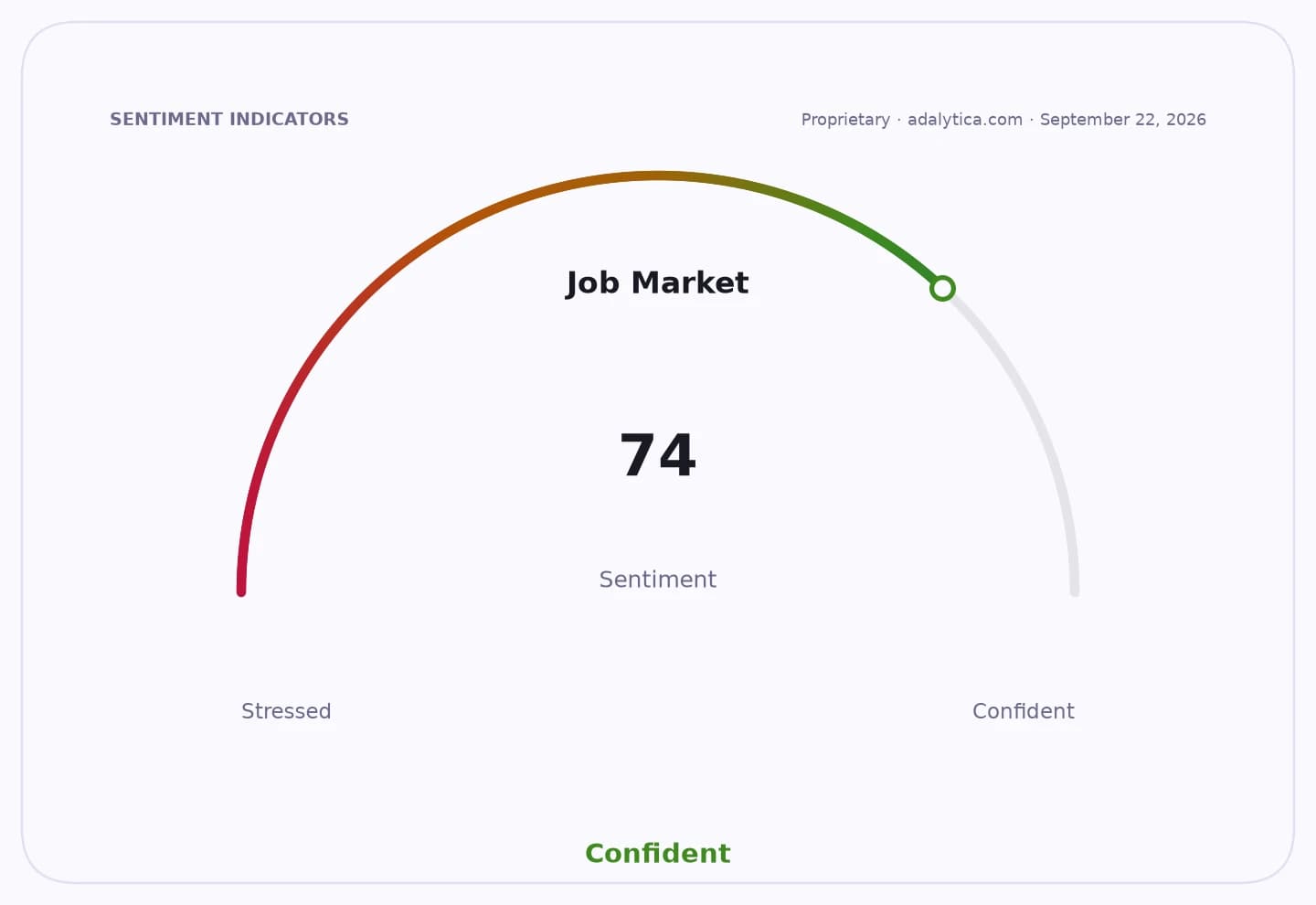
Sentiment IndicatorsⓘProprietary · adalytica.com · September 18, 2026
This is a snapshot — live sentiment, awareness and momentum for 130+ markets update continuously in the dashboard.Open AlphaPulse
For the economy, the data points to a hiring base that is broad but fragmented. Small firms are typically more exposed to swings in consumer demand, seasonality and financing conditions than large corporates, so their recruitment appetite often acts as a timely gauge of activity in domestic-facing sectors. Retail’s lead in hiring suggests ongoing turnover and steady demand in a sector that depends on foot traffic and consumption, while construction and logistics point to continued need for operational staff even in a slower-growth environment.
The recruiting mix also shows where labour shortages are most persistent. The most advertised roles were commercial workers, sales agents and drivers, followed by warehouse, logistics, skilled and unskilled labour, HoReCa staff and administrative support. Yet eJobs said firms are also seeking experienced staff, including salespeople, technical specialists, accountants, managers and digital profiles, indicating that the shortage is not limited to entry-level roles.
That has implications for wages and worker mobility. Companies with 11 to 50 employees attracted mostly mid-level candidates, while micro firms drew mainly entry-level applicants. Across the platform, the average number of applications per job was 64 this year, versus 60 for small and micro employers, suggesting slightly less competition for openings at smaller companies, but still a crowded market for employers trying to hire quickly.
The hardest roles to fill remain senior and management positions, which eJobs said is partly because those candidates are more stable and apply less often. That suggests small businesses may still struggle to scale beyond transactional hiring unless they can offer stronger pay, training or career progression. In a market where more than 99% of newly established firms have up to 50 employees, the hiring outlook for SMEs is closely tied to the health of the broader entrepreneurial ecosystem.
For investors and policy makers, the read-through is that the jobs market is being sustained less by a handful of large employers and more by a dense layer of smaller firms that are sensitive to credit, demand and regulation. If consumer spending holds and financing remains available, SME hiring could keep underpinning employment. If not, these same businesses are usually the first to slow recruitment.
| Entity | Gains | Losses |
|---|---|---|
| Small and micro firms | ▲Broader labour access | ▼Senior talent shortage |
| Jobseekers entry-level | ▲More openings | ▼Lower pay power |
| Retail/services employers | ▲Steady hiring demand | ▼Fierce competition |
| Larger employers | ▲Better candidate pool | ▼Loss of SMEs to rivals |