Growth is supposed to be the reward, but for scaling businesses it often becomes the first real stress test. The biggest problem is not demand itself; it is that revenue, staffing, cash flow and operating systems rarely expand at the same speed.
Scaling Businesses Face Hiring and Cash Flow Strains
That gap matters economically because it is where profitable companies can become fragile. Across small and mid-sized firms, the Federal Reserve’s Small Business Credit Survey shows hiring has become the most common operational difficulty once sales rise, while 77% of firms say costs for goods, services or wages have increased. Among companies seeking expansion financing, only 42% received the full amount they requested, underscoring how growth can strain working capital before new revenue arrives.
The investor relevance is straightforward: scaling friction can compress margins, delay returns on capital and force companies to choose between flexibility and fixed-cost commitments. That is particularly important in sectors where customer response times, labor availability and system reliability directly shape retention and pricing power. Microsoft, Amazon and Oracle all flag similar strains in their filings, warning that labor shortages, rising expenses, capacity constraints and the operational burden of expansion can slow execution even when demand is healthy.
That is the narrative behind the five growing pains businesses hit as they move from a small team to a larger organization. Hiring usually lags the customer base. Service levels slip before managers notice. Cash gets trapped in payroll, inventory or equipment before the expansion pays off. Old spreadsheets, scheduling tools and informal processes stop working at scale. And culture, which once spread by osmosis, has to be written down and managed deliberately.
The common thread is that success creates complexity faster than most owners expect. The phase between 10 employees and 50 is often the hardest because each new customer adds pressure to the front line while each new hire adds management overhead. In practice, businesses that scale best tend to use temporary labor, outsourced support and flexible vendor terms to preserve optionality while they recruit and build capacity.
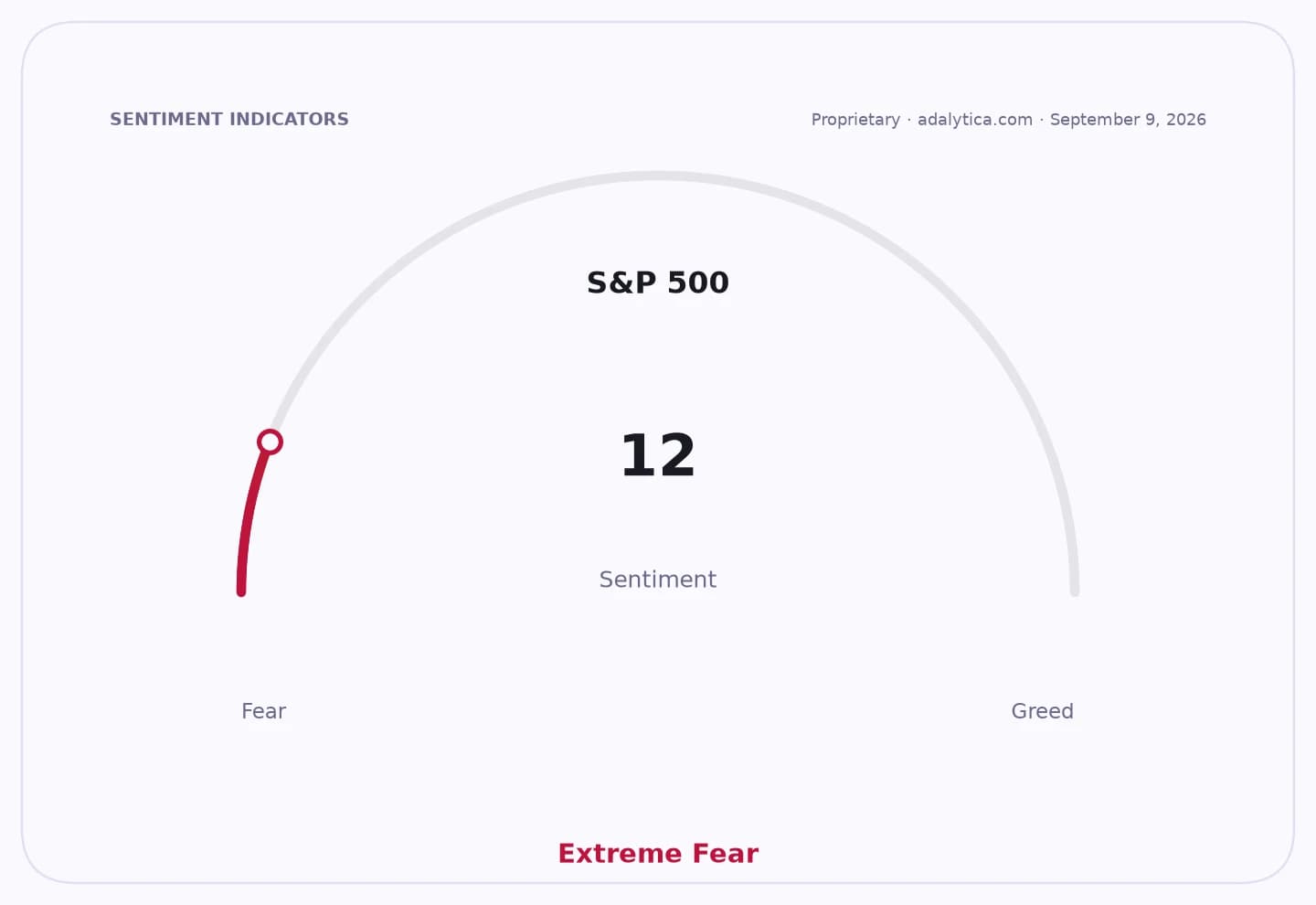
For investors, the bull case is that firms that anticipate these bottlenecks early can protect margins and sustain growth longer than peers. The bear case is that companies that do not invest ahead of demand end up with slower service, higher turnover and heavier capital needs, even if top-line growth remains strong. In the current market, with Adalytica’s S&P 500 trade signals sitting in “Extreme Fear,” that distinction matters: businesses that can grow without breaking internal operations are better positioned to defend valuation when funding conditions tighten.
The next catalysts are the same ones that typically decide whether growth compounds or stalls: hiring progress, cash conversion, customer response times and whether management has replaced founder-era systems before they fail.
| Entity | Gains | Losses |
|---|---|---|
| Scaling businesses | ▲Growth with fewer disruptions | ▼Margin pressure and service failures |
| Customers | ▲Better service from prepared firms | ▼Slower responses at overstretched firms |
| Employees | ▲Clearer processes and support | ▼Burnout and thinner culture |
| Investors | ▲Compounding earnings quality | ▼Firms that outgrow their systems |