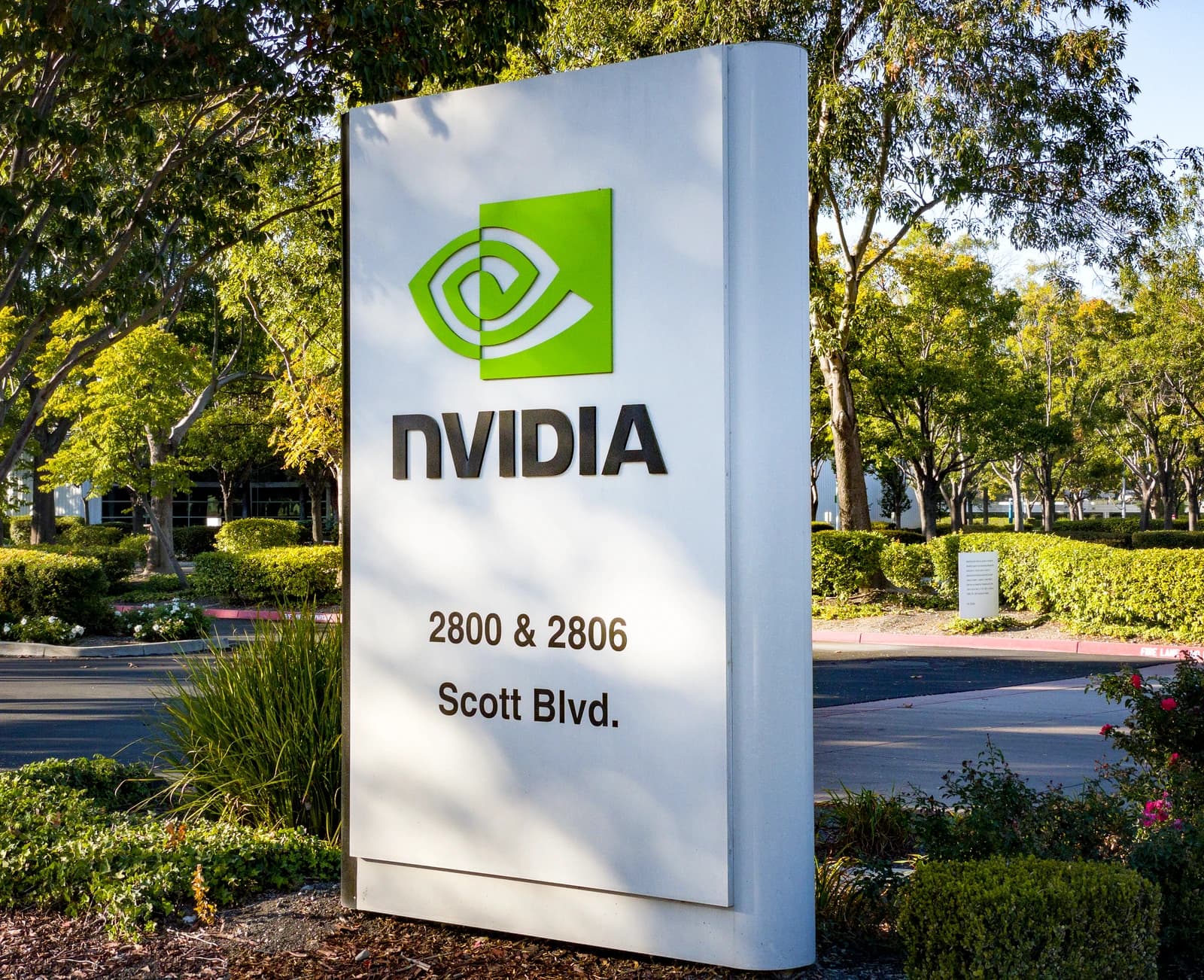
Nvidia’s tie-up with London Stock Exchange Group matters because it pushes artificial intelligence deeper into the plumbing of the financial markets, where faster data analysis can translate into better pricing, quicker decision-making and lower operating costs.
Nvidia LSEG Tie-Up Expands AI in Market Data

For investors, that is the key story: Nvidia is no longer just selling chips into the AI boom, it is embedding its technology into the workflows of one of the world’s most important market infrastructure providers. That broadens the company’s reach beyond model training and data centers into real-world financial applications, a stickier and potentially longer-lived revenue opportunity.
The partnership also underscores how the AI buildout is moving from hype to utility. Banks, trading firms and asset managers are under pressure to process more data, more quickly, while keeping costs in check. If Nvidia’s software and computing stack helps LSEG clients analyze market data, generate insights and automate research, the economic payoff could extend across the financial industry, not just for the two companies involved.
That matters in a bigger way because financial services is a high-margin, data-rich sector where small efficiency gains can produce outsized returns. Any platform that speeds up analysis or improves productivity can create pricing power and customer lock-in. For Nvidia, it is another reminder of why investors have been willing to pay up for the stock: the company sits at the center of multiple secular trends, from cloud computing to enterprise AI to financial automation.
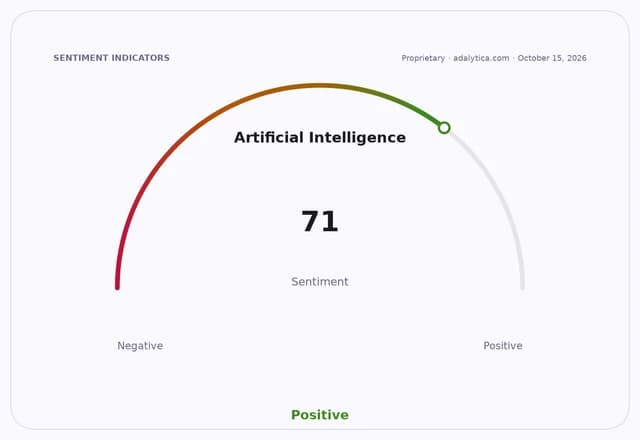
Artificial Intelligence — 30-day sentimentadalytica.com
Explore this data interactively — full history, time series and cross-market comparisons.Open AlphaPulse
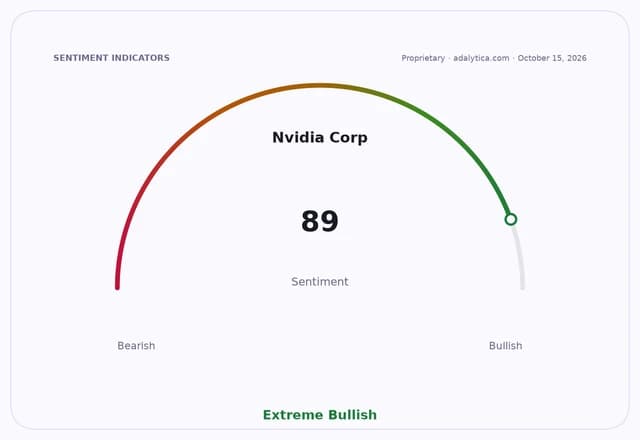
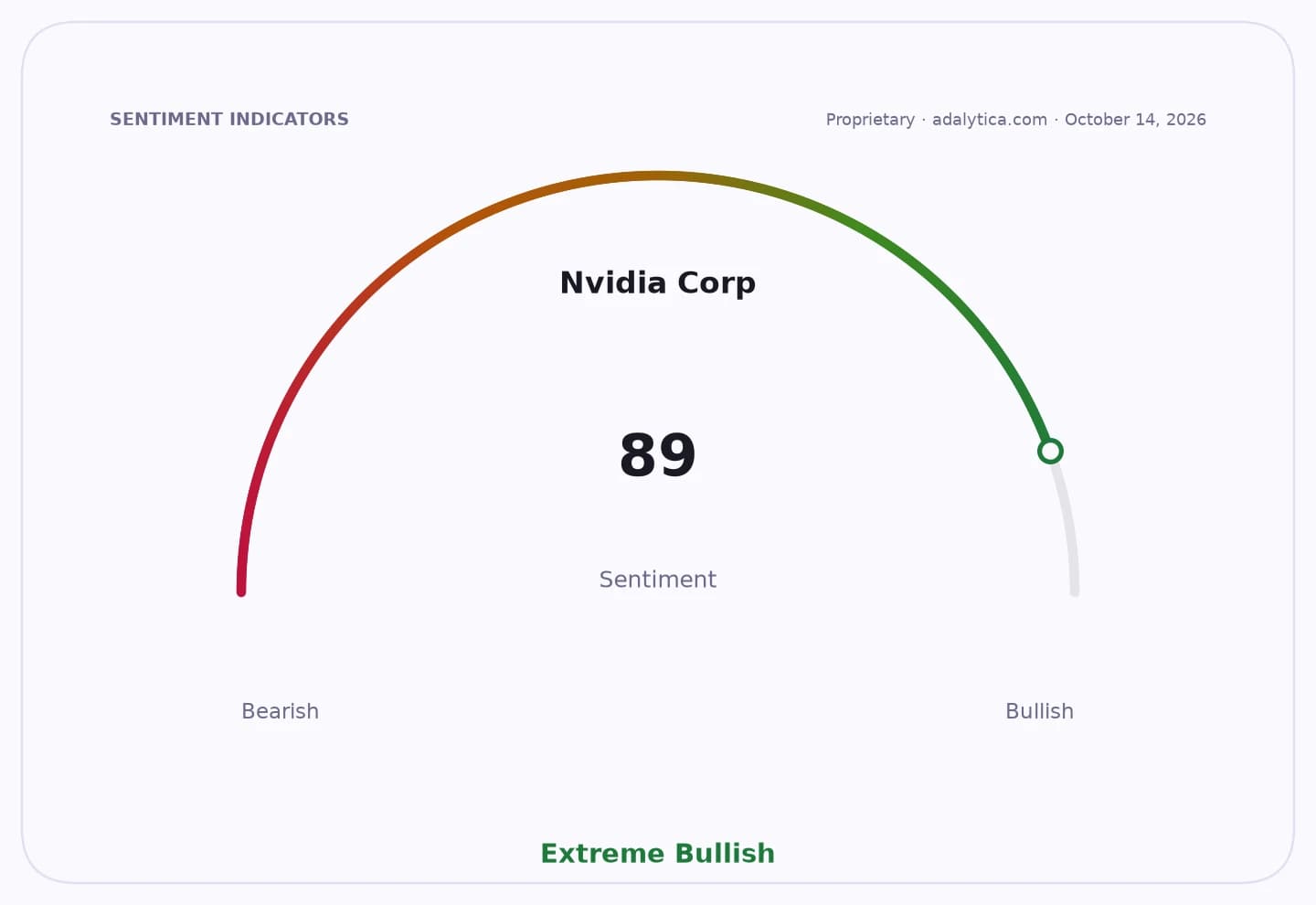
Nvidia shares have also been volatile, and the technical picture suggests the market is still sorting out how much of the AI future is already priced in. The stock recently traded around $221, above its 200-day moving average but slightly below its 50-day moving average, while RSI readings pointed to a cooler, more balanced setup after a strong run. That is hardly a reason to abandon the story. It is a reminder that even great businesses go through pauses, and long-term investors usually do better by focusing on adoption curves than on day-to-day price swings.
LSEG, meanwhile, gets an important credibility boost from aligning with one of the most influential names in AI. For exchanges and data providers, the race is not just about distributing market data anymore; it is about turning that data into actionable intelligence. If this collaboration works, it could help LSEG defend and deepen its franchise against rivals pushing their own analytics and AI offerings.
The broader narrative is straightforward: AI is moving from the infrastructure layer into the applications layer. That is where the economics often become more durable, because customers pay for tools that save time, improve decisions and become embedded in daily work. For long-term investors, partnerships like this are worth watching because they hint at where the next wave of monetization may come from.
In other words, this is not just another AI announcement. It is a sign that Nvidia’s technology is becoming part of the financial system’s operating model, and that is the kind of compounding story investors can own for years, not days.
| Entity | Gains | Losses |
|---|---|---|
| Nvidia | ▲Wider enterprise AI reach | ▼Investors expecting only chip sales |
| LSEG | ▲Stronger analytics offering | ▼Data rivals without AI scale |
| Financial firms | ▲Faster market analysis | ▼Slower manual workflows |
| Competitors | ▲Pressure to catch up | ▼Share of AI/data budgets |