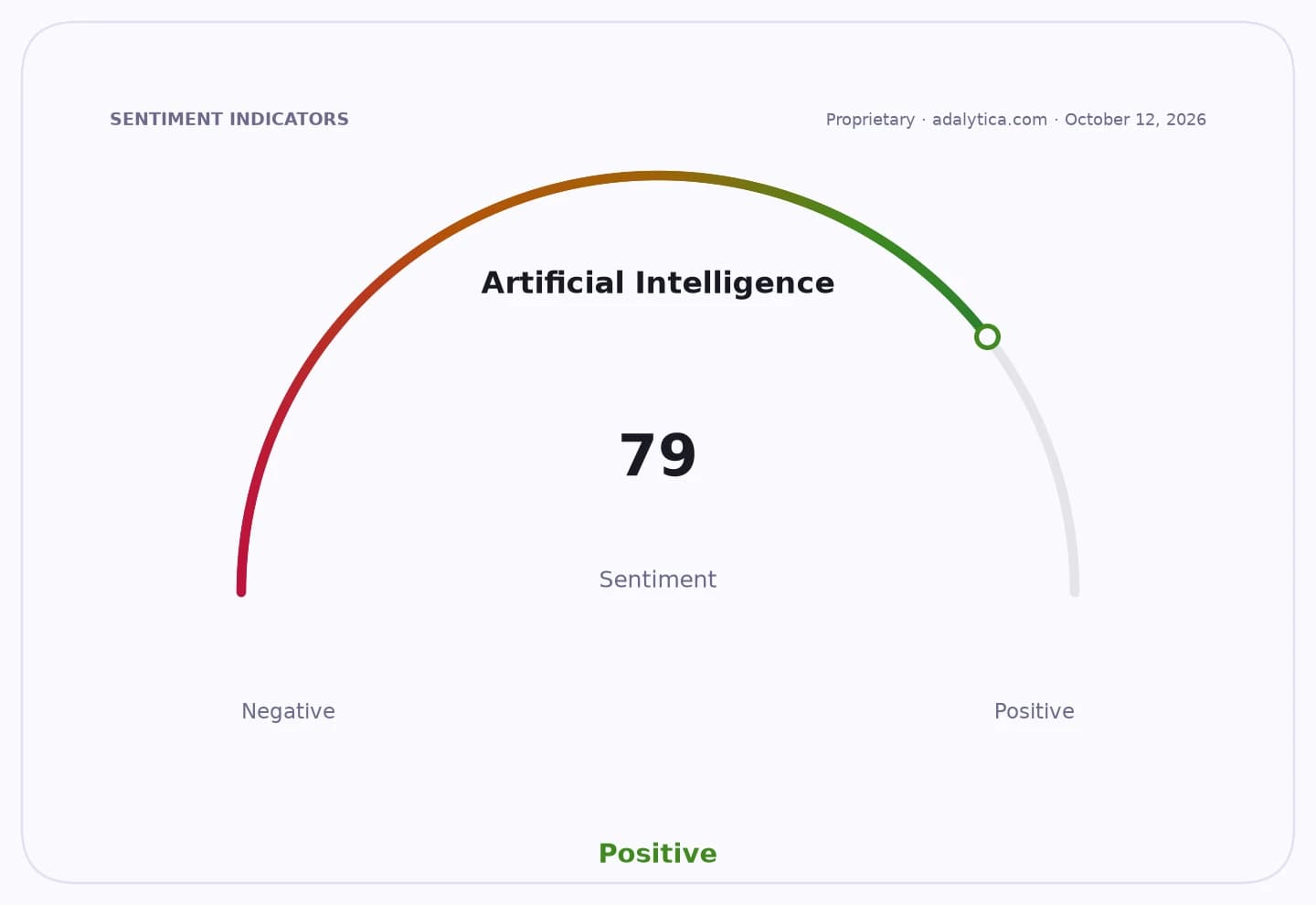
Softcat beat annual profit expectations, underscoring that corporate spending on IT infrastructure is still being driven by AI-related demand even as customers face tighter memory-chip supply and price complexity.
Softcat Beats Profit Forecasts on AI Demand
The UK reseller and services group reported pre-tax profit of £202.8 million for the year to July 31, up 14%, above the company-compiled consensus of £208.0 million for underlying operating profit, while revenue rose 35% to £1.98 billion. Management said the environment is increasingly favourable for firms that can help clients navigate faster, more complex infrastructure upgrades, with AI forcing companies to invest in compute, storage, networking, security and data governance.
For investors, the key message is that AI spending is no longer confined to chipmakers and hyperscalers. It is flowing through the broader enterprise technology stack, supporting distributors, integrators and value-added resellers that can package hardware, software and services into higher-margin solutions. Softcat’s underlying operating profit rose 19% to £215.1 million, ahead of its own £208.0 million consensus, while the company lifted its final dividend 5.9% to 21.6p. It also guided to high-single-digit growth in underlying operating profit in fiscal 2027, though that outlook implies only modest incremental upside versus this year’s performance.
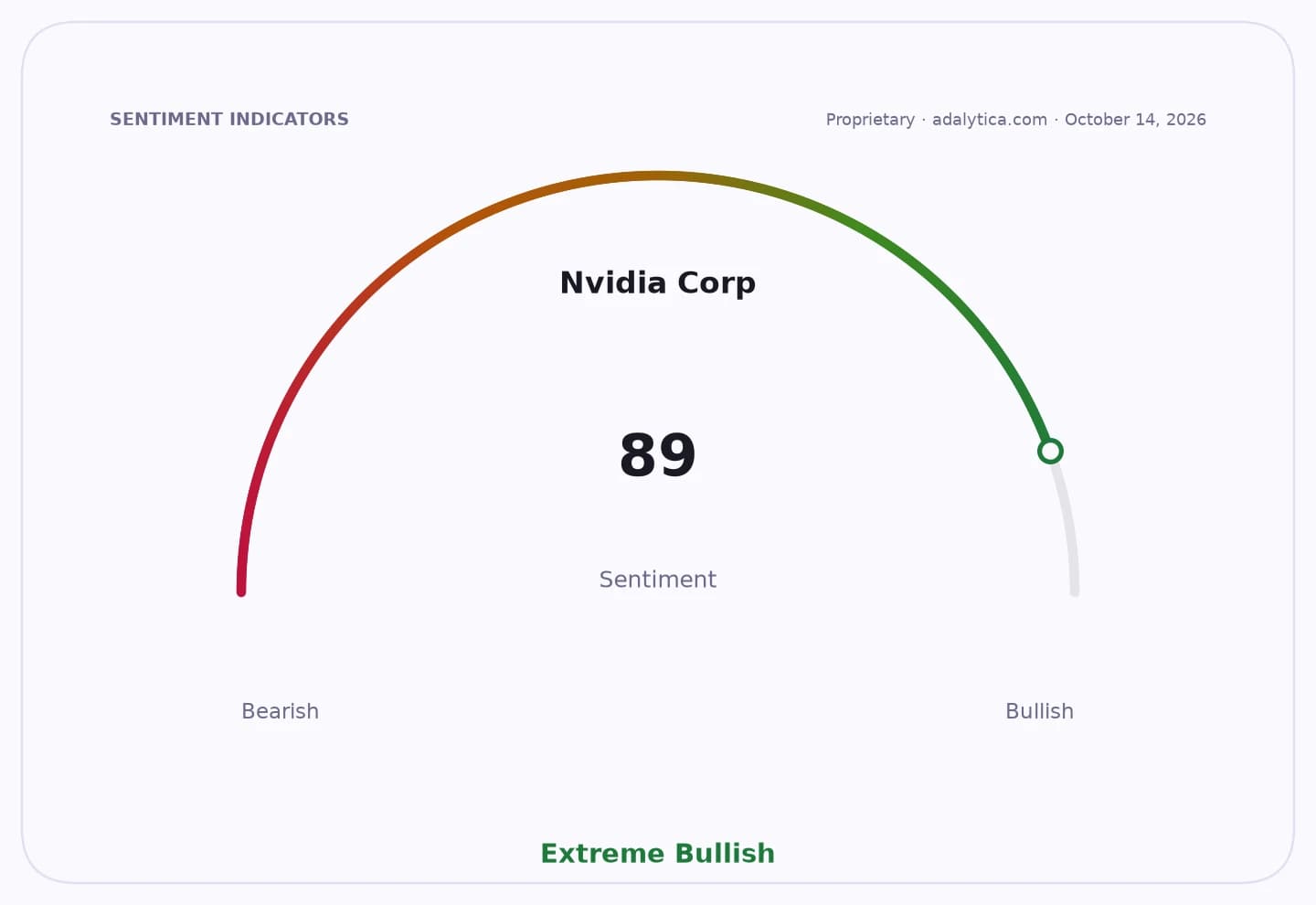
The shares, however, were marked lower, reflecting how much optimism had already been built into the broader AI trade. That is where the LSEG-Nvidia announcement fits into the same market narrative: the value chain around AI is widening. London Stock Exchange Group said it is working with Nvidia to let financial institutions analyze years of market data faster and at greater scale using Nvidia’s cuDF data-analysis stack and LSEG’s governed historical tick data. The partnership highlights how AI infrastructure vendors are moving deeper into data-heavy financial services, where speed, governance and storage costs matter as much as model performance.
For LSEG, the tie-up strengthens the case for its data and analytics franchise and could help deepen customer lock-in. For Nvidia, it broadens the addressable market beyond chips into software-enabled workflows, reinforcing the company’s role in enterprise AI adoption. For Softcat, the implication is more indirect but still important: if AI use cases keep expanding, so too should demand for the networking, storage and security layers that sit underneath them. The risk for the sector is that memory shortages, procurement delays and pricing pressure could slow conversion of that demand into earnings.
The near-term read-through for investors is that the AI cycle remains supportive, but it is spreading unevenly. Companies with exposure to enterprise deployment and data management are still benefiting, while the next leg of returns will depend on whether this spending translates into sustained margin expansion rather than just higher revenue.
| Entity | Gains | Losses |
|---|---|---|
| Softcat | ▲AI-led demand | ▼Margin pressure |
| LSEG | ▲Data franchise | ▼Slower monetization |
| Nvidia | ▲Enterprise adoption | ▼Chip supply strain |
| IT buyers | ▲Faster analytics | ▼Higher infrastructure costs |