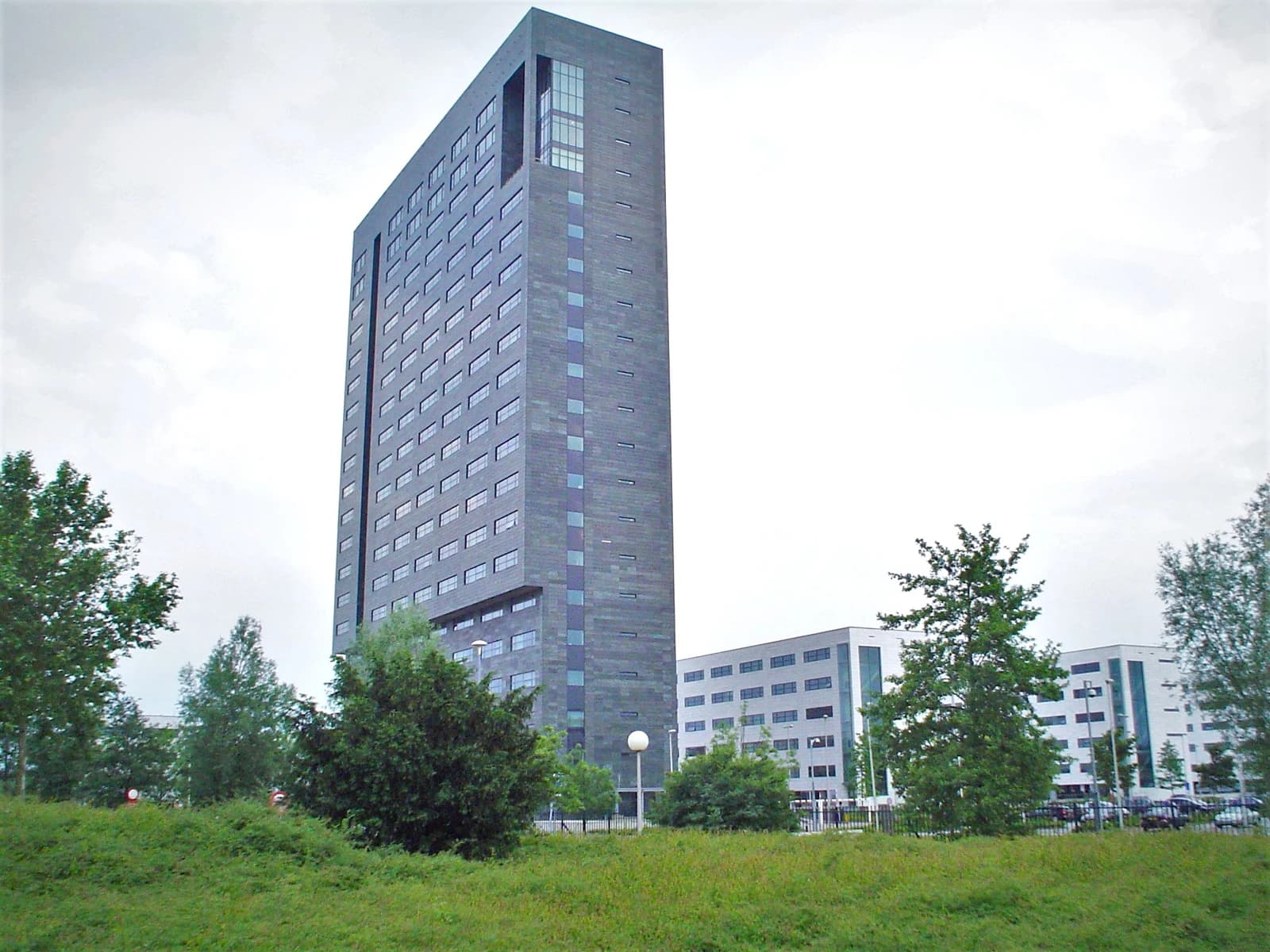
ASML said fourth-quarter sales will come in above analyst expectations, reinforcing the view that artificial intelligence spending is still driving one of the most important capital-expenditure cycles in global technology.
ASML lifts Q4 sales guidance above estimates
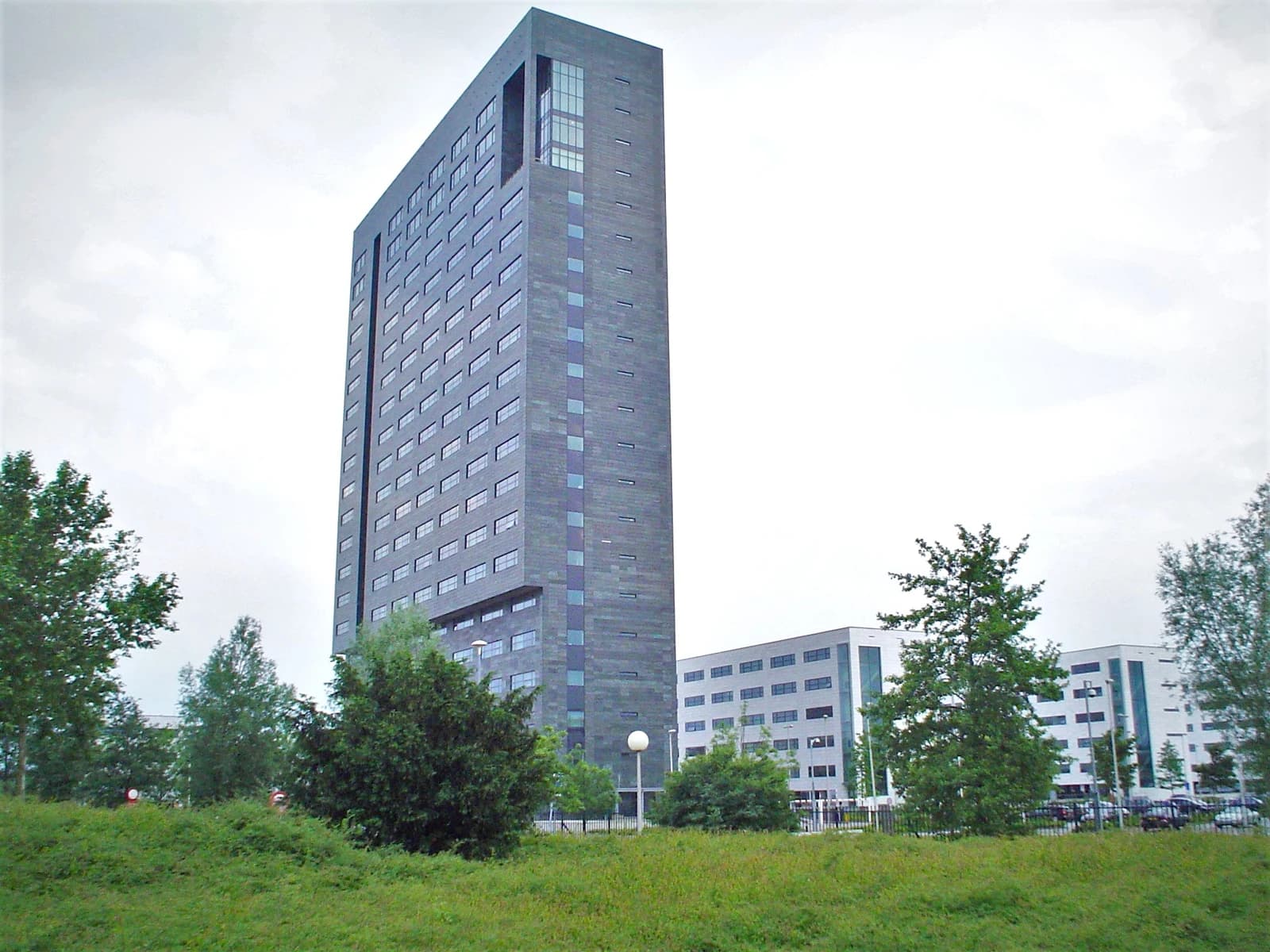
The Dutch lithography giant forecast fourth-quarter net sales of €14.2 billion to €15.2 billion, compared with analyst expectations of €14.19 billion, and sees gross margin at about 57%, ahead of the 55.4% estimate. It also narrowed its 2026 sales outlook to €44 billion to €45 billion from a prior €43 billion to €45 billion, while keeping margin guidance around 56%.
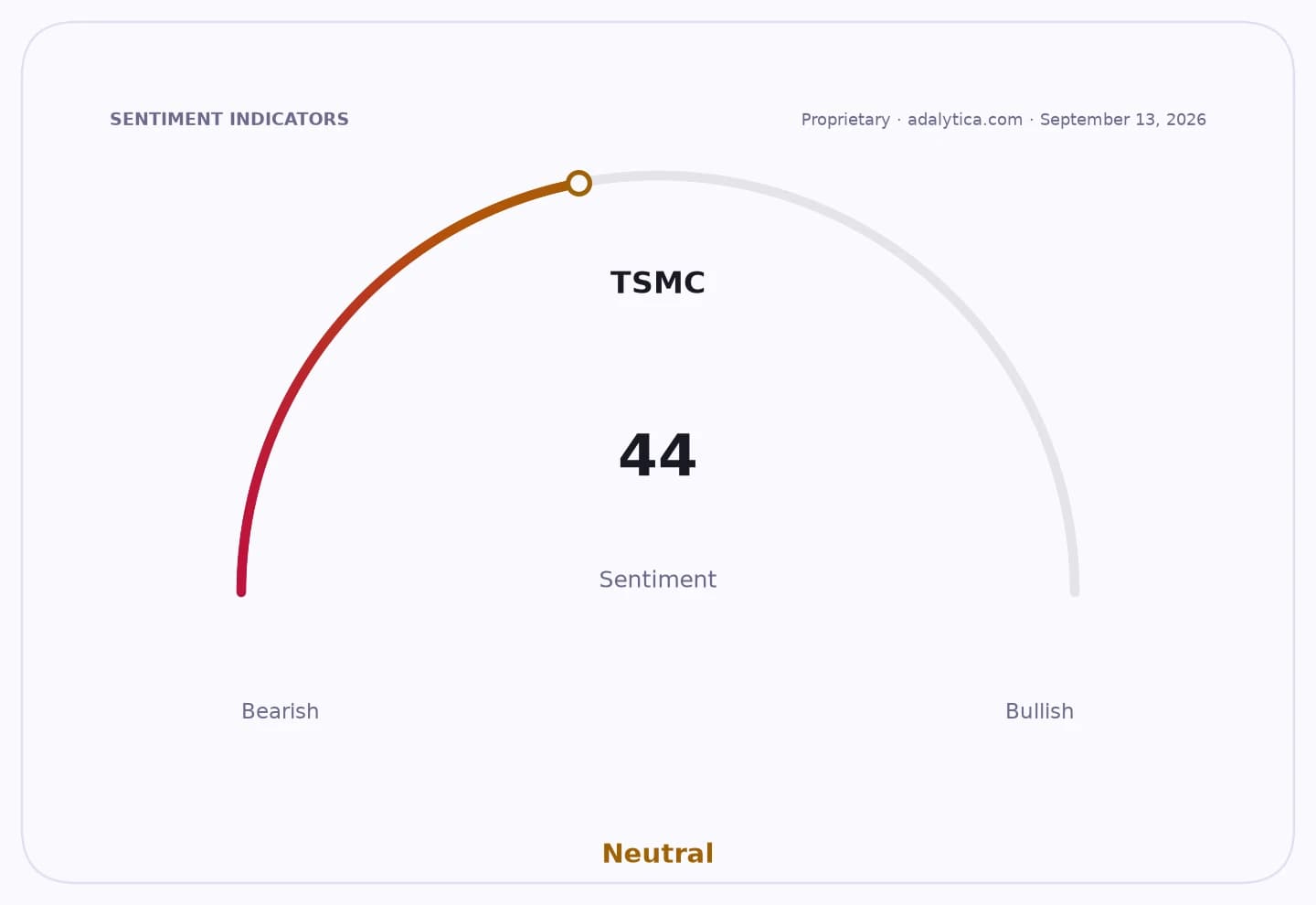
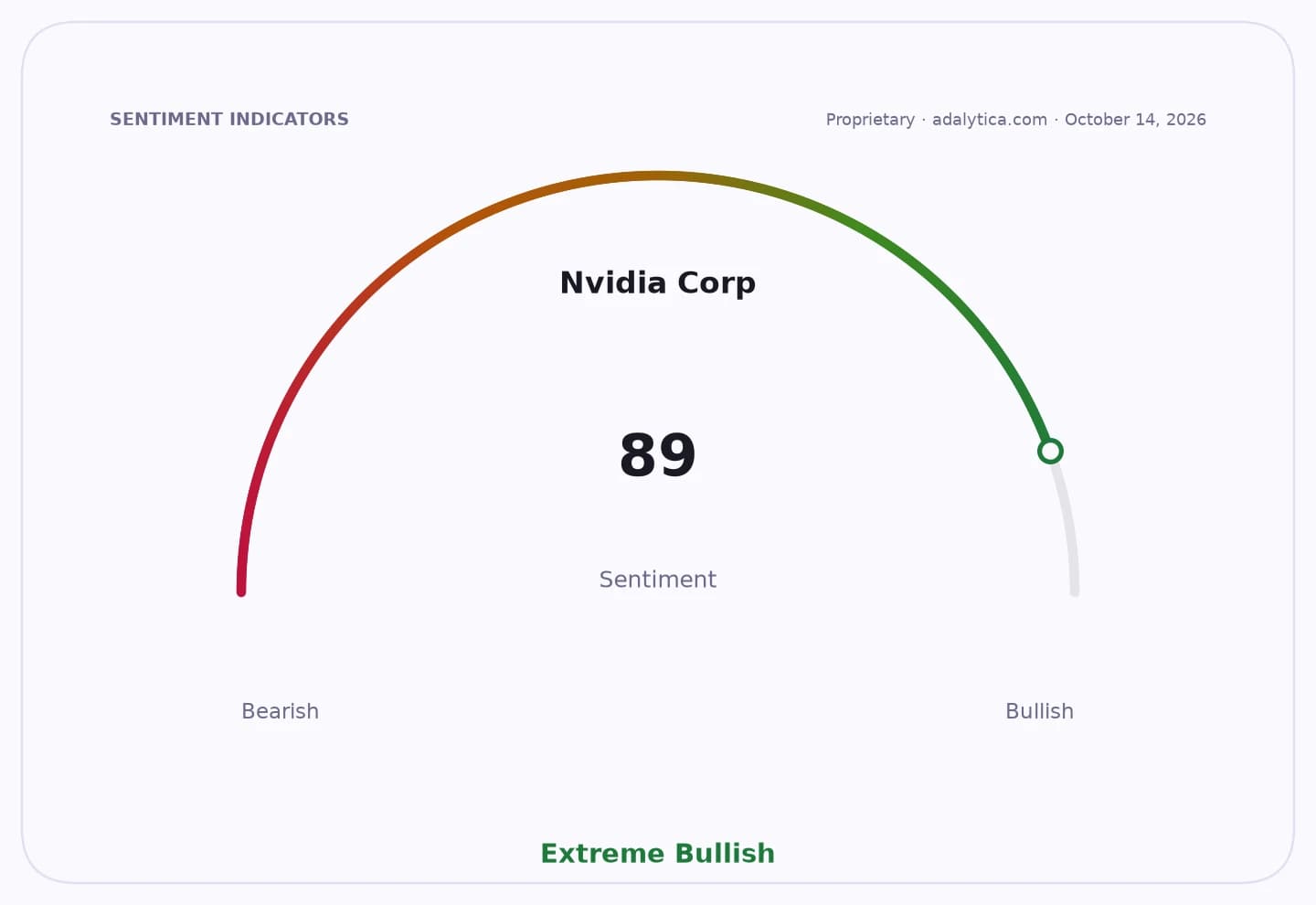
Sentiment IndicatorsⓘProprietary · adalytica.com · October 14, 2026
This is a snapshot — live sentiment, awareness and momentum for 130+ markets update continuously in the dashboard.Open AlphaPulse
That matters because ASML is not just another semiconductor supplier: it is the sole maker of the extreme ultraviolet, or EUV, machines used to produce the most advanced chips. When ASML raises the top end of its outlook, it is usually a read-through on whether hyperscalers, foundries and chipmakers are still committing to multi-year AI infrastructure builds rather than trimming capital expenditure after a burst of spending.
The guidance suggests that, despite recent volatility in chip stocks and growing debate over whether the AI trade is becoming crowded, underlying equipment demand remains resilient. Investors have been wrestling with signs of rising competition in AI semiconductors, from Nvidia’s dominant position to efforts by Microsoft and others to build their own accelerators. ASML’s numbers argue that the supply chain feeding that buildout is still running close to full stretch.
The company’s improved margin outlook is also important. Higher gross margin typically points to a stronger mix of high-value tools and disciplined execution, and it helps justify the premium valuations of suppliers tied to advanced-node production. For the broader semiconductor industry, the message is that leading-edge fab investment has not yet slowed enough to dent the equipment cycle in a meaningful way.
Still, ASML’s narrower 2026 revenue range hints that visibility remains limited beyond the next few quarters. Demand for AI chips is strong, but customers are also turning into competitors as more chip designers pursue in-house silicon. That could eventually change the mix of spending even if total AI investment stays elevated.
For investors, the key takeaway is that ASML remains the cleanest public barometer of whether the AI buildout is still translating into actual orders for the most sophisticated manufacturing tools. If that demand holds, it supports not only ASML’s earnings power but also the broader earnings case for semiconductor equipment makers, foundries and the largest AI hardware suppliers.
| Entity | Gains | Losses |
|---|---|---|
| ASML | ▲Higher sales guidance | ▼Guidance skeptics |
| AI chipmakers | ▲Continued tool availability | ▼Margin pressure from rivals |
| Semiconductor equipment peers | ▲Validation of capex cycle | ▼Slower-order risk if demand cools |
| Short sellers | ▲— | ▼Stronger AI investment case |