ASML’s results due Wednesday are set to be the clearest read yet on whether the semiconductor upcycle still has room to run, or whether concerns over AI profitability, stretched capital spending and Chinese competition are starting to curb demand.
ASML Results Will Test Semiconductor Demand
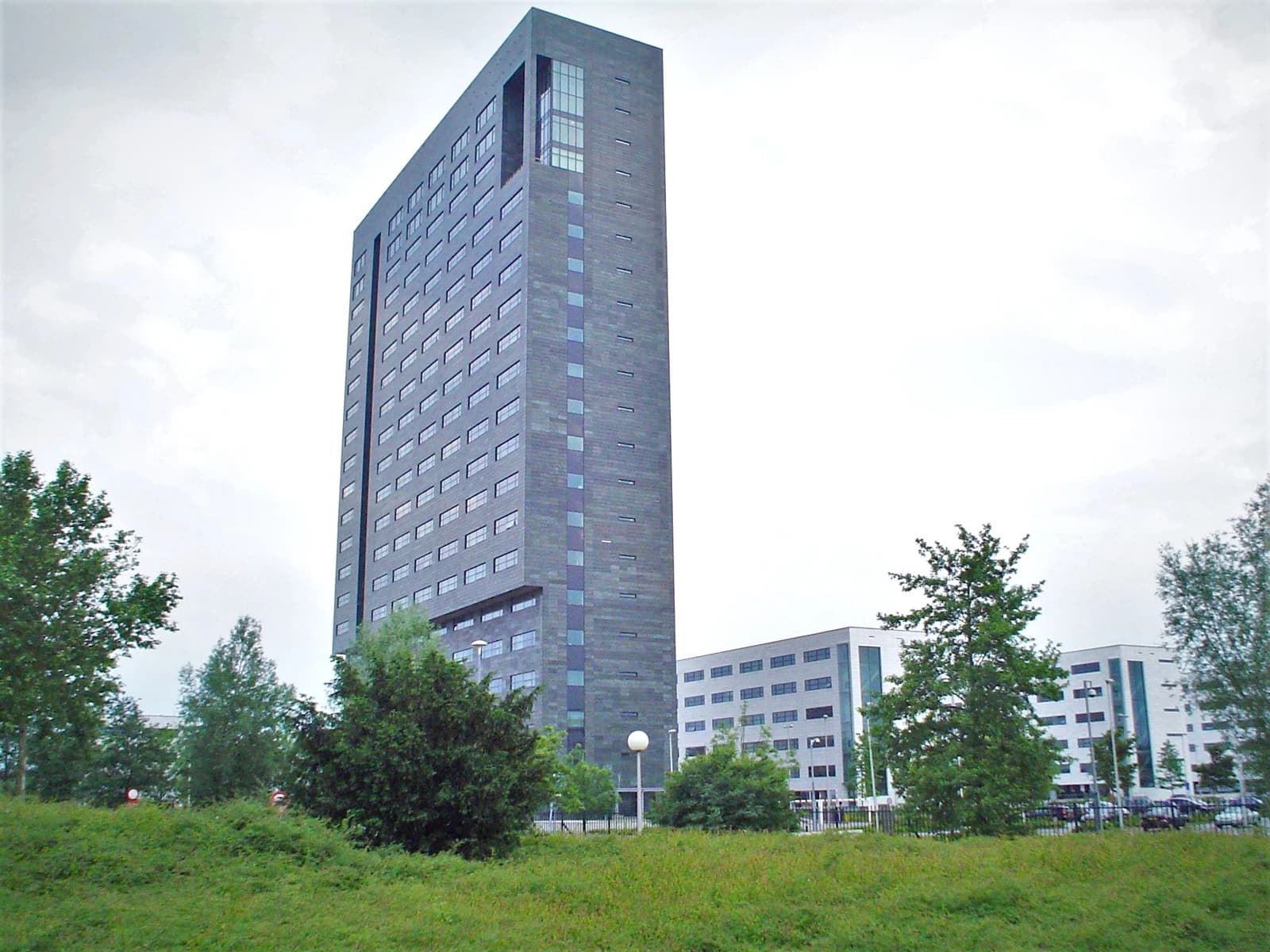
That matters because ASML sits at the narrowest bottleneck in advanced chipmaking: its extreme ultraviolet lithography systems are essential for leading-edge production at companies such as Taiwan Semiconductor Manufacturing and, indirectly, Nvidia’s supply chain. When ASML talks about orders, capacity and pricing, investors treat it as an early signal for the entire semiconductor capital-expenditure cycle.
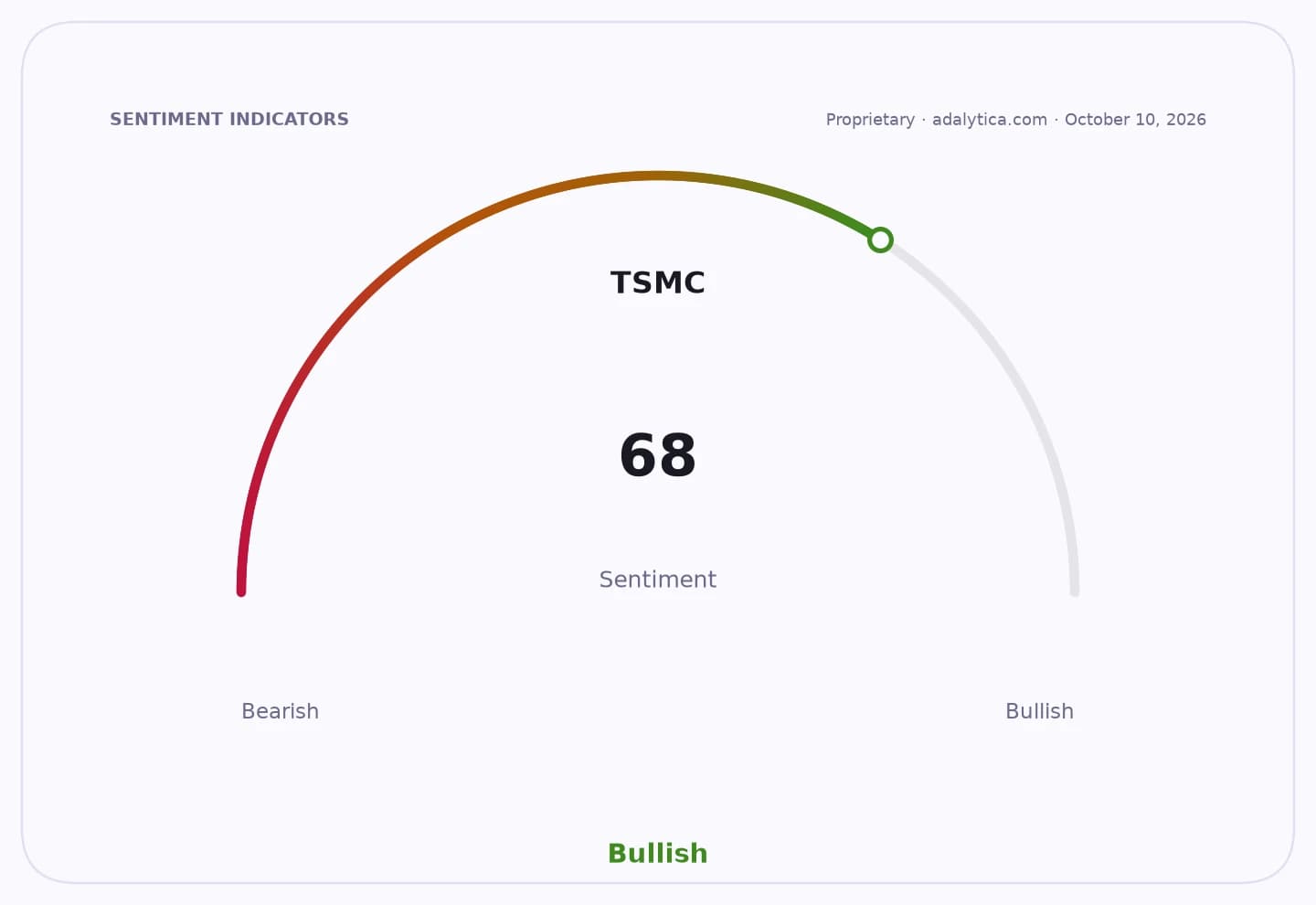
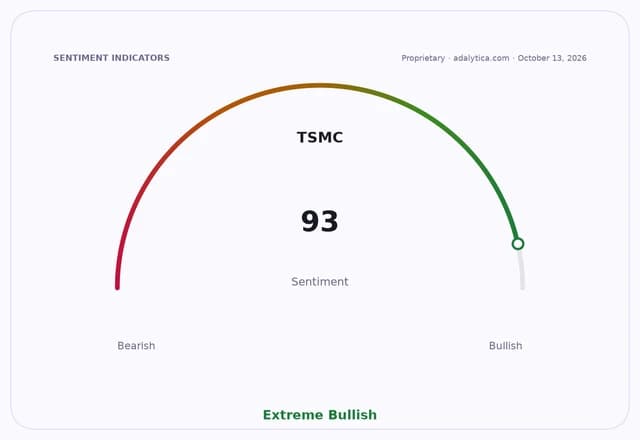
Sentiment IndicatorsⓘProprietary · adalytica.com · October 13, 2026
This is a snapshot — live sentiment, awareness and momentum for 130+ markets update continuously in the dashboard.Open AlphaPulse
The company has stopped publishing quarterly order figures, saying they are too erratic to guide the business. Instead, investors now focus on how many machines ASML expects to build and ship over the coming years. That outlook has become more important than ever as the industry debates whether AI-related spending can deliver enough profit to justify the scale of investment.
In July, ASML said it would increase capacity for its second-most advanced tool, the low-numerical-aperture EUV machine, by 30%, taking annual shipment capacity to 85 units. It has also said it is weighing another 30% increase for 2028, potentially lifting the run rate toward about 110 systems, though it has not committed to that target. UBS has said the pace of capacity gains could exceed 30% in both the next two years, while Morgan Stanley expects more than 90 tools in 2027.
Those targets matter because they point to a market where supply is still constrained enough for ASML to keep expanding, but not so tight that customers are pulling back aggressively. Analysts surveyed by the company expect revenue to rise 28% next year on average, and Bank of America estimates ASML earnings increase 8% for every 5% rise in tool and service prices.
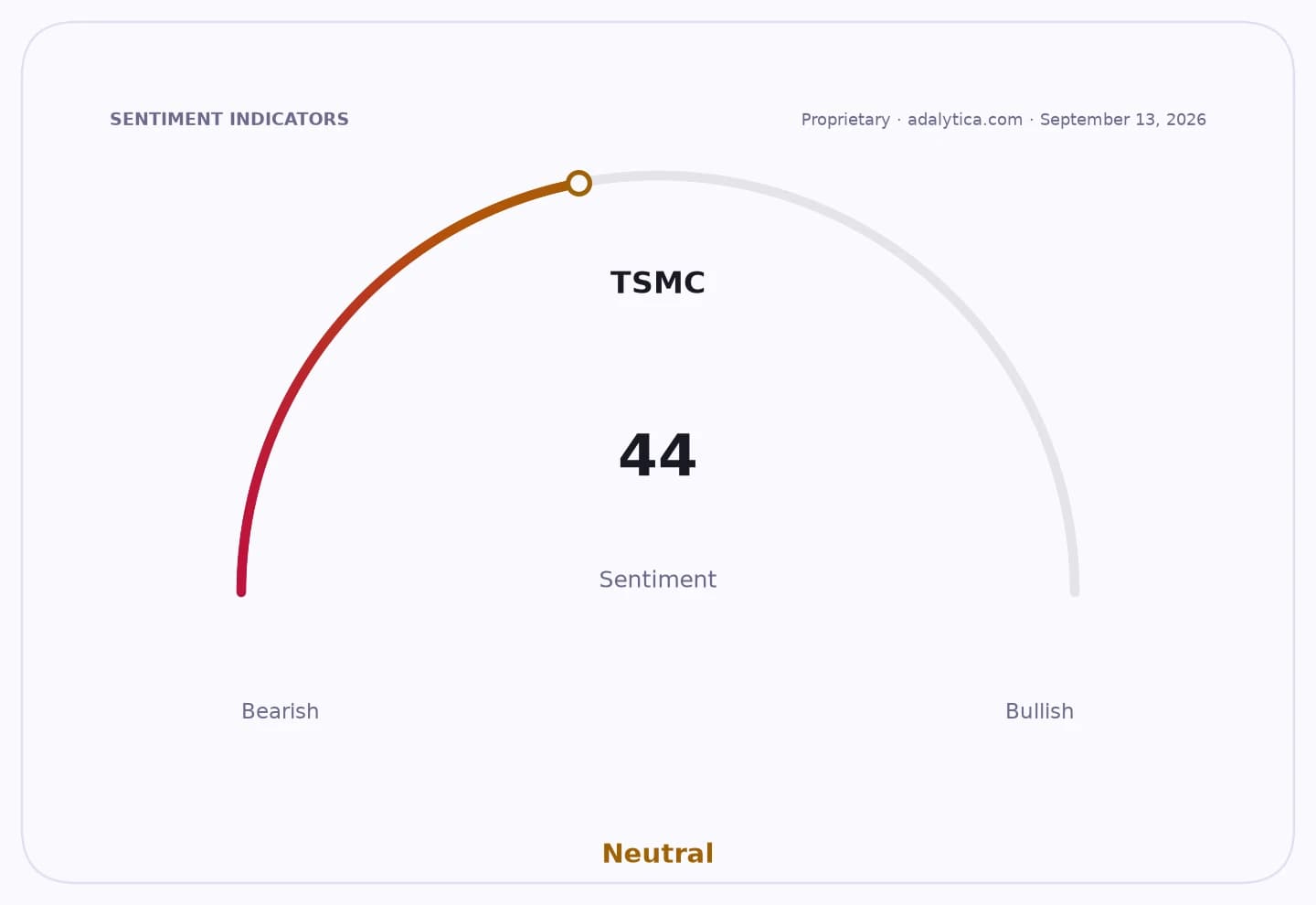
The stock market has already shown how sensitive semiconductor names are to the next leg of the AI trade. Nvidia’s share price has been volatile even as its technical indicators remain constructive, while TSMC has also seen strong trading around expectations for continued AI-related wafer demand. But ASML is the cleaner bellwether because it sells the machinery that enables the whole investment cycle, not the chips themselves.
A strong update would bolster the case that AI infrastructure spending is still moving from hype to industrial buildout, supporting not just ASML but also equipment makers, chip foundries and memory suppliers. A weaker outlook, by contrast, would deepen investor doubts that AI capital spending can keep rising at current rates, especially if customers begin to question the timing of returns or if Chinese rivals erode pricing power.
The key investor question is not just how much ASML can ship this year, but whether the company can keep raising prices and capacity into 2027 and 2028 without damaging demand. Wednesday’s numbers should help answer whether the semiconductor sector is entering a new growth phase — or simply pausing before the next downcycle.
| Entity | Gains | Losses |
|---|---|---|
| ASML | ▲Higher shipments and pricing power | ▼Demand slowdown or margin pressure |
| Nvidia and chip customers | ▲More capacity for AI hardware buildout | ▼Delays in foundry and tooling expansion |
| TSMC and leading foundries | ▲Better access to advanced tools | ▼Tighter capex discipline if returns weaken |
| Chip skeptics / shorts | ▲Confirmation of overheating risks | ▼If ASML guides to stronger demand and prices |