The next big winners from artificial intelligence may not be Nvidia or the mega-cap cloud stocks, but the companies that sell the plumbing, protection and machinery behind the boom.
AI infrastructure suppliers gain from capex buildout
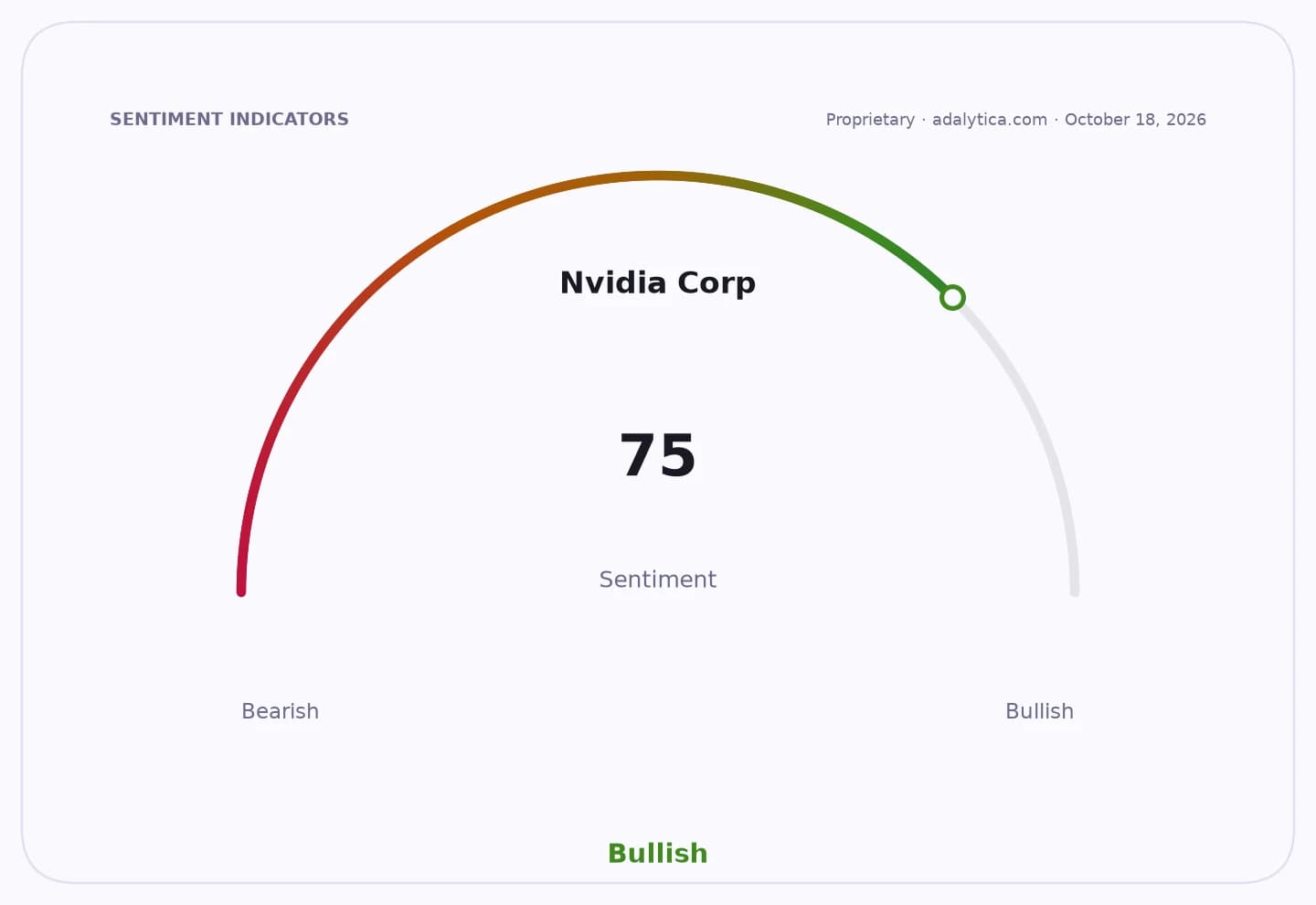
That is the argument from investors who say the AI cycle is still early, despite this year’s shakeout in high-flying technology shares and growing skepticism about whether the biggest capital spending plans can earn their keep. The thesis is simple: as hyperscalers keep lifting spending on AI infrastructure, the money increasingly flows to the bottlenecks — networking, cybersecurity and semiconductor equipment — rather than only to the chip designers and software giants that dominate headlines.
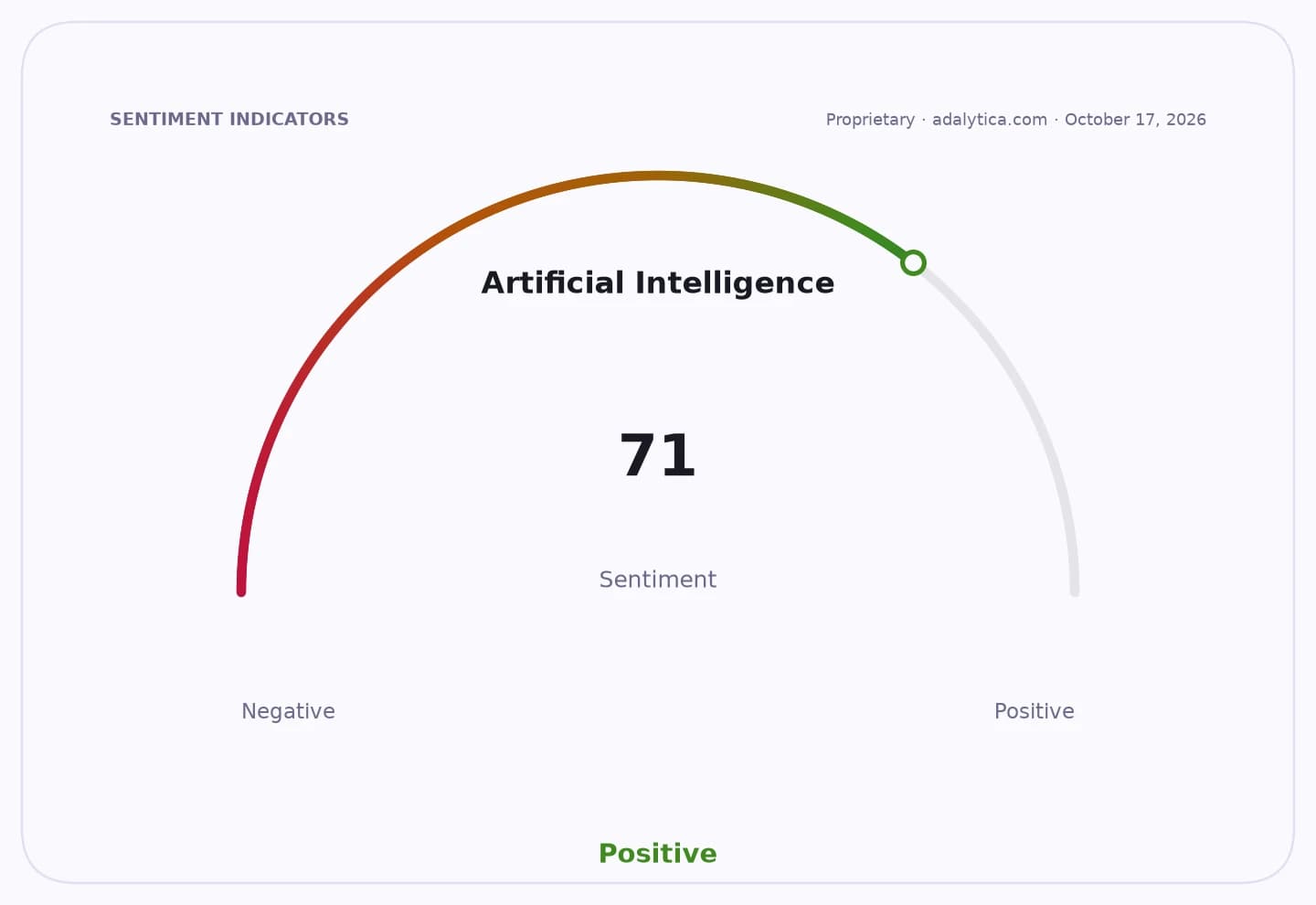
Sentiment IndicatorsⓘProprietary · adalytica.com · October 18, 2026
This is a snapshot — live sentiment, awareness and momentum for 130+ markets update continuously in the dashboard.Open AlphaPulse
Why does that matter economically? Because AI is still in the build-out phase, not the harvest phase. One investor in the sector said U.S. companies are spending just $11 per employee on AI services, while household adoption remains below 3%, leaving plenty of room for demand to compound. At the same time, major cloud providers have signaled they will keep pouring more into AI infrastructure, suggesting capex is not near a peak even after a period of valuation anxiety.
That backdrop helps explain why some of the more interesting opportunities are showing up in less glamorous parts of the ecosystem. Networking has become critical as data volumes surge and copper-based connections strain under the load, pushing demand toward optical and photonic solutions inside data centers. Cybersecurity is another beneficiary, as every new AI deployment expands the attack surface and the need to protect data. And the semiconductor equipment makers that build the tools used to manufacture advanced chips remain essential to the whole chain.
Artificial Intelligence vs NVDAadalytica.com
Explore this data interactively — full history, time series and cross-market comparisons.Open AlphaPulse
Europe, in particular, is starting to look more relevant to AI investors. ASM International, which specializes in epitaxy and atomic layer deposition, is one example of a company exposed to the deep-tech build-out. Nokia is another, not as a legacy telecom story but as a networking company with a role in the infrastructure that AI requires. For long-term investors, that matters because the AI opportunity is not just about owning the most famous names — it is about owning the suppliers to the suppliers.
Even some of the valuation fears around the sector look less alarming when measured properly. The investor cited Nvidia’s price-to-earnings ratio at around 17 times, below the broader market, despite the stock having risen 13-fold since ChatGPT’s launch in November 2022. Technology valuations, on that view, are not as stretched as the market mood suggests, especially when the earnings base is still expanding.
There are risks, of course. Sentiment can swing sharply, and investors have already seen waves of skepticism about whether hyperscaler spending is really worth it. There are also broader concerns about whether AI development could become so powerful that some frontier model work is slowed. But the basic economics have not changed: more compute, more networking, more security and more industrial capacity are needed if AI keeps spreading from early adopters into mainstream business use.
For investors with a multi-year horizon, that shifts the question from “Is Nvidia too expensive?” to “Who else gets paid as AI scales?” The answer may include not just the obvious U.S. leaders, but also quieter compounders in Europe and Asia that sit at the choke points of the build-out. That is where the next wave of returns could come from, and why AI remains a theme worth owning for the long term.
| Entity | Gains | Losses |
|---|---|---|
| Nvidia | ▲Continued AI chip demand | ▼Valuation skeptics |
| Hyperscalers | ▲More cloud AI revenue | ▼Higher capex burden |
| Nokia / ASM International | ▲AI infrastructure spend | ▼Legacy telecom-only narrative |
| Cybersecurity firms | ▲New protection demand | ▼Unsecured AI deployments |