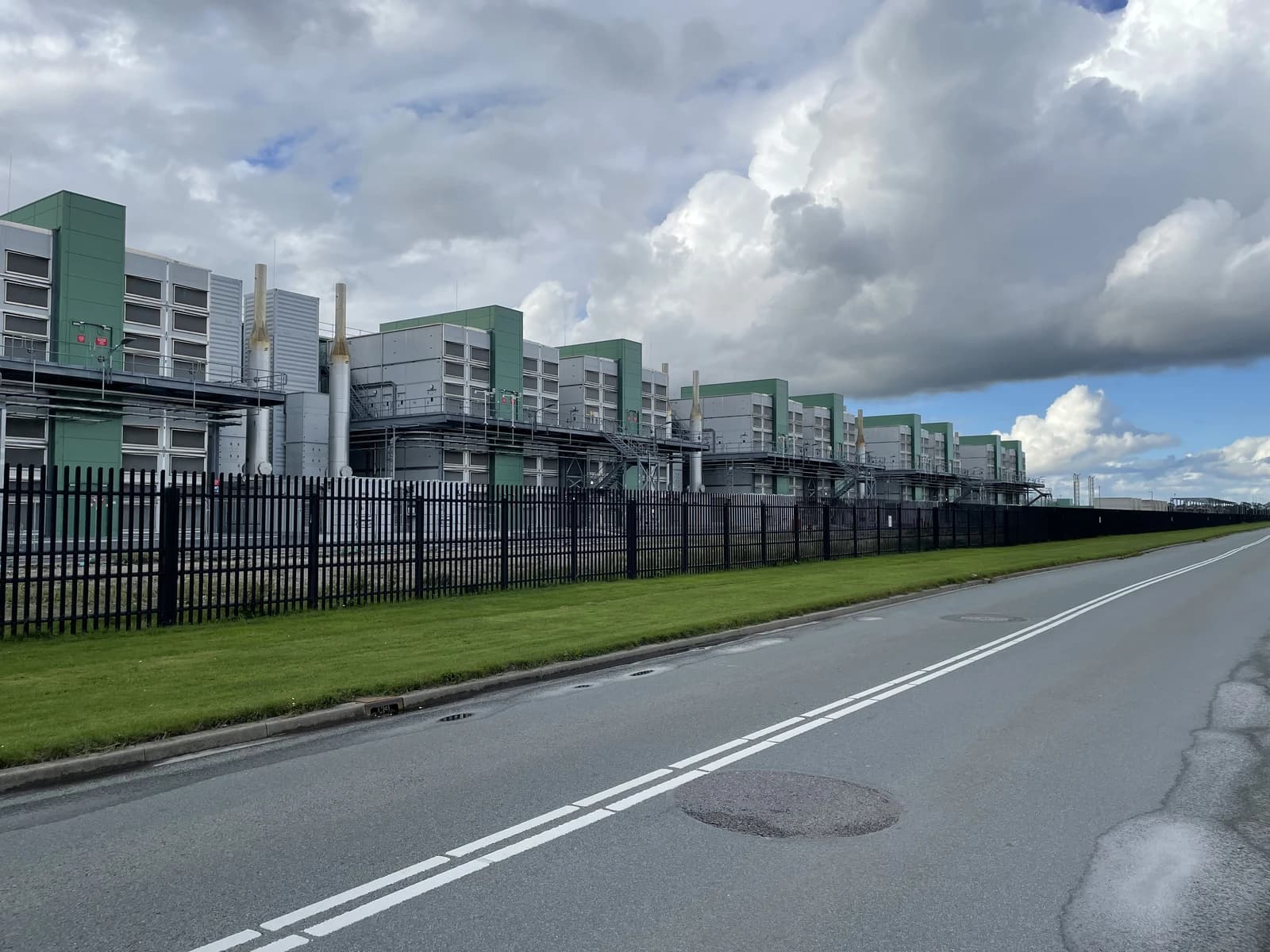
AI is not just a software story — it is becoming one of the biggest construction booms of the decade, and Jensen Huang wants investors to understand that the winners may be electricians, plumbers and builders as much as chipmakers.
Nvidia AI Buildout Boosts Power and Construction
That matters because the market still tends to price artificial intelligence as a race for GPUs, cloud contracts and model share, while underestimating the physical bottleneck now emerging underneath it. Nvidia’s chief says global investment in AI infrastructure could top $7 trillion by the end of the decade, a figure that points to a massive pull-through in power, data centers, shells, cables, cooling and site work. In other words, every additional AI cluster must first be poured in concrete, wired to the grid and staffed by skilled labor that is already scarce.
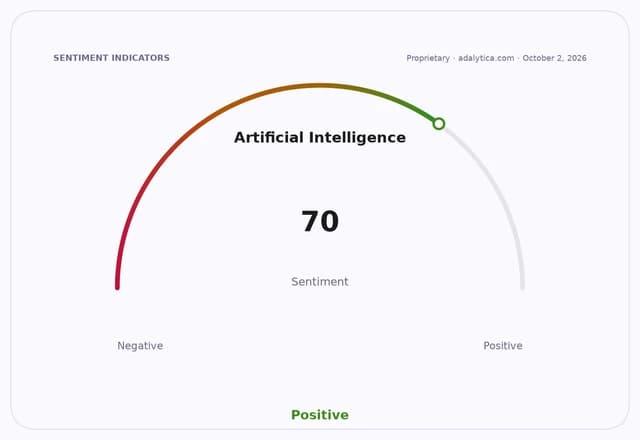
Sentiment IndicatorsⓘProprietary · adalytica.com · October 2, 2026
This is a snapshot — live sentiment, awareness and momentum for 130+ markets update continuously in the dashboard.Open AlphaPulse
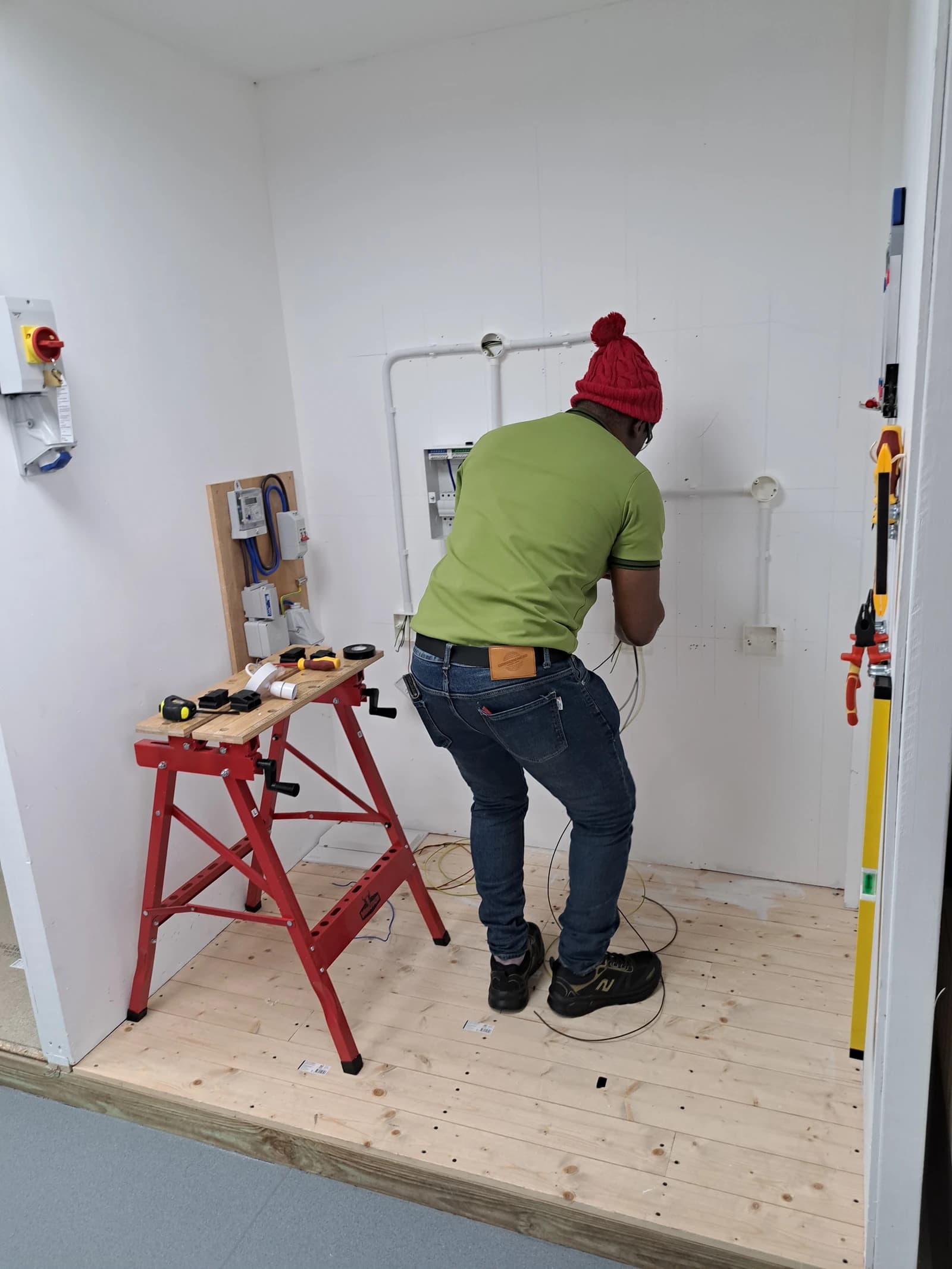
Huang’s argument is economically important because it recasts AI as a capital-intensive industrial cycle rather than a narrow tech upgrade. The buildout requires semiconductors, but it also requires land, substations, transformers, switchgear, electricians, construction crews and metal fabricators. That widens the opportunity set far beyond the Magnificent Seven. It also helps explain why wages for skilled trades are likely to rise faster than the broader labor market: when the bottleneck is physical capacity, the scarce workers set the price.
The labor data make that thesis hard to ignore. McKinsey estimates the United States alone will need about 130,000 more electricians, 240,000 more construction workers and 150,000 additional site managers by 2030 just to support the investment cycle. Broader U.S. shortages are already large, with the economy facing a deficit of roughly 600,000 factory workers and 500,000 construction professionals. Against that backdrop, Huang’s view that many skilled trades workers can surpass $100,000 a year no longer sounds like hype — it sounds like a forecast for a tight market.
For investors, the message is that the second-order winners of AI may be the industrial and infrastructure names feeding the buildout. Nvidia remains the center of the AI trade, and its stock has reclaimed momentum with shares near $231, above both the 50-day and 200-day moving averages, while RSI readings suggest bullish but not yet euphoric conditions. But the more asymmetric opportunity may sit in the picks-and-shovels beneath the chips: Caterpillar, Eaton and other electrical and heavy-equipment suppliers tied to data-center construction, grid upgrades and power distribution. Their stocks have already been repriced higher as investors wake up to the capex cycle, yet the scale of spending Huang described suggests the runway is longer than the market may be discounting.
That is the core narrative the market is missing. AI is not only creating demand for compute; it is forcing a real-world industrial expansion that rewards the companies, workers and suppliers able to move dirt, run power and deliver capacity. If Huang is right, the next great beneficiaries of AI will not just be coders and chip designers — they will be the tradespeople and infrastructure operators who make the digital economy physically possible. Investors should keep leaning into the infrastructure layer, because that is where the most durable, multi-year profits are likely to compound.
| Entity | Gains | Losses |
|---|---|---|
| Skilled trades workers | ▲Higher wages | ▼Labor scarcity premium |
| Nvidia | ▲More AI demand | ▼Capacity bottlenecks |
| Caterpillar / Eaton | ▲Data-center capex | ▼Slow project approvals |
| Traditional white-collar jobs | ▲AI productivity pressure | ▼Wage power |