RiTE Ugljevik has suspended electricity generation after running short of coal, a shutdown that underscores how unresolved property disputes and years of underinvestment are now forcing one of Republika Srpska’s key power plants offline.
RiTE Ugljevik Stops Power Output After Coal Shortage
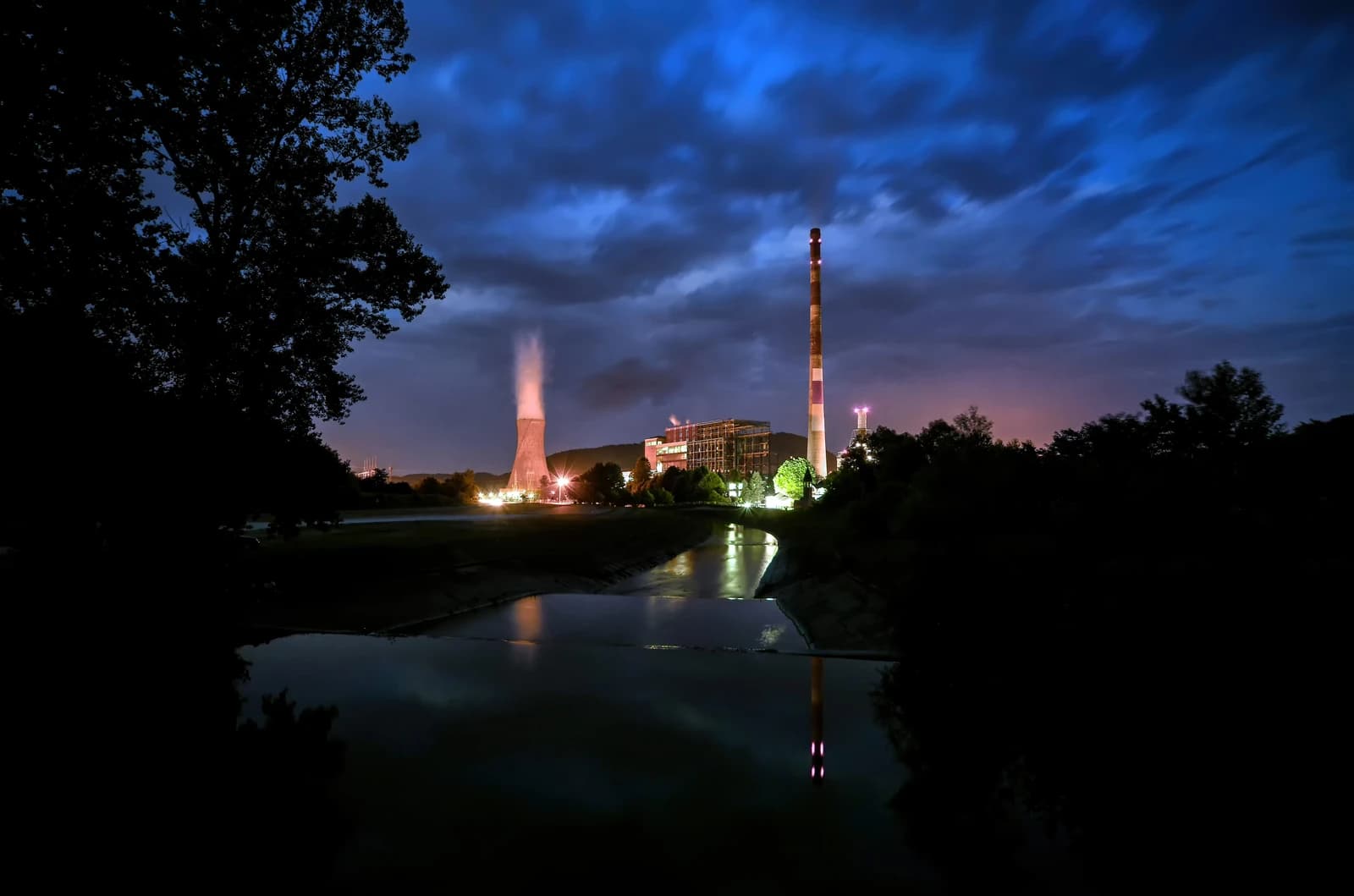
The plant’s director, Žarko Novaković, said the problems had been building for years and could not be fixed overnight, while union chief Slaviša Čuturić said the unit was disconnected from the grid overnight from Tuesday to Wednesday because coal supplies ran out. The immediate bottleneck is an unresolved expropriation and property-rights dispute in the East 2 mining field, which has halted excavation and blocked the coal needed to keep the thermal plant running.
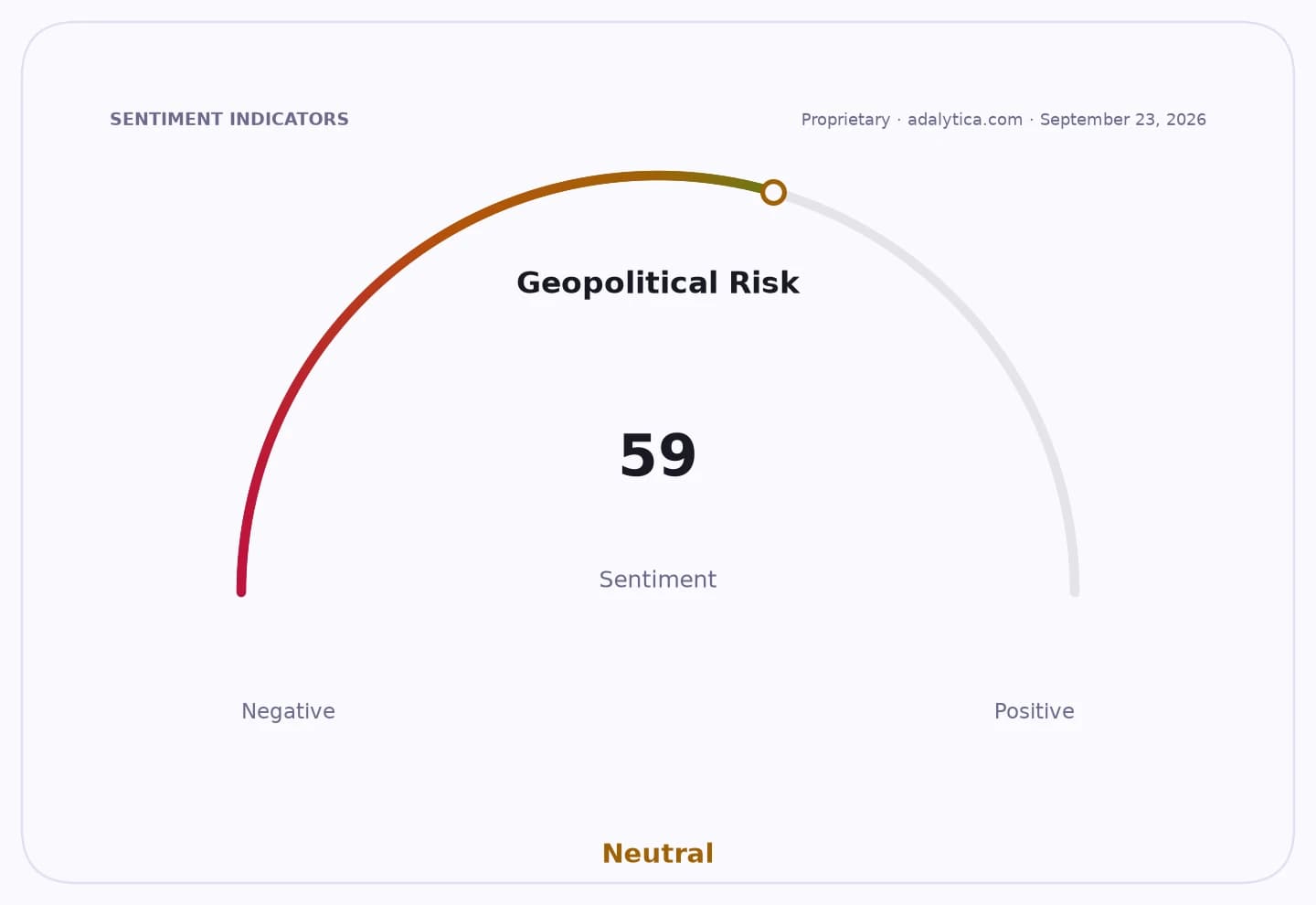
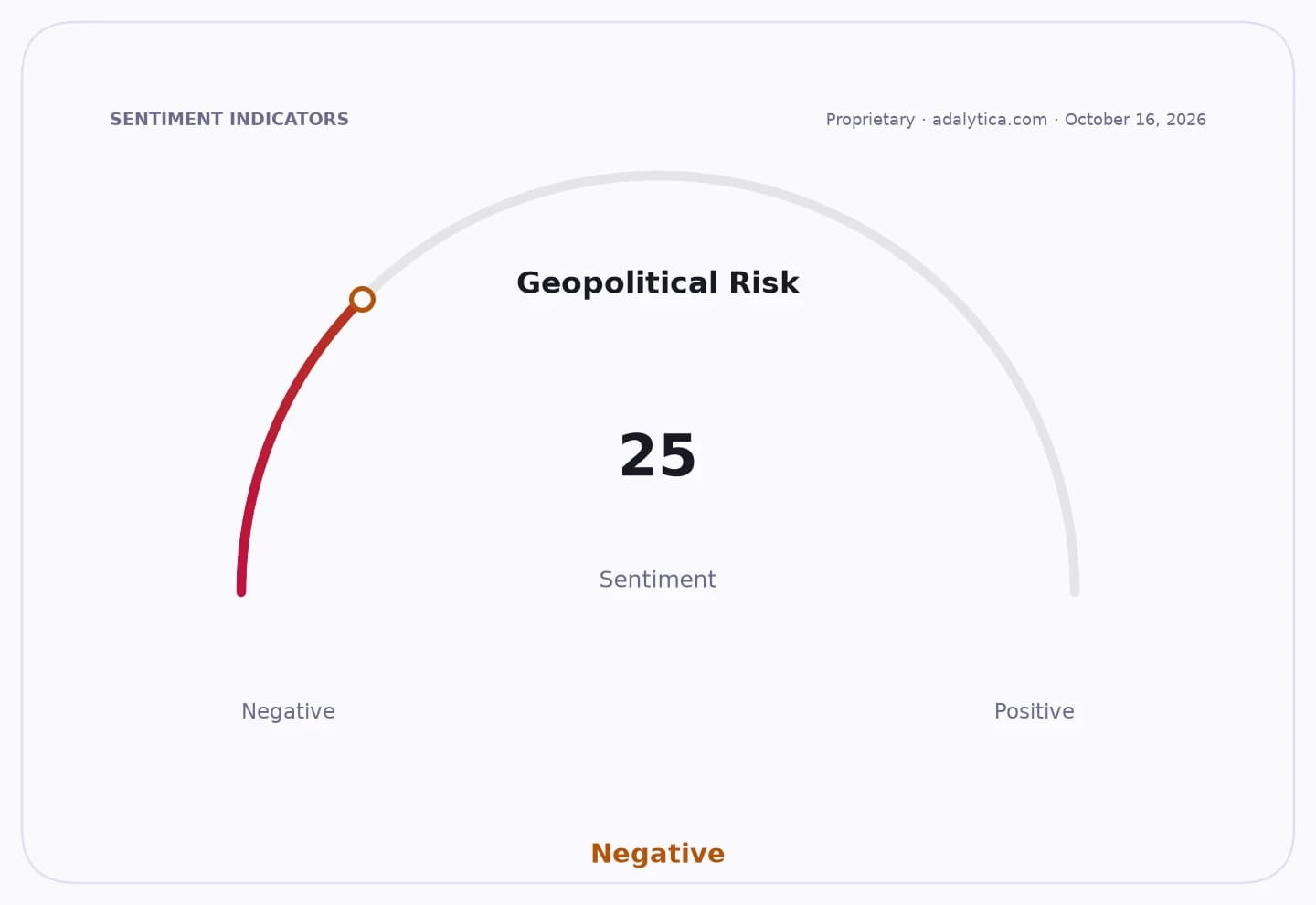
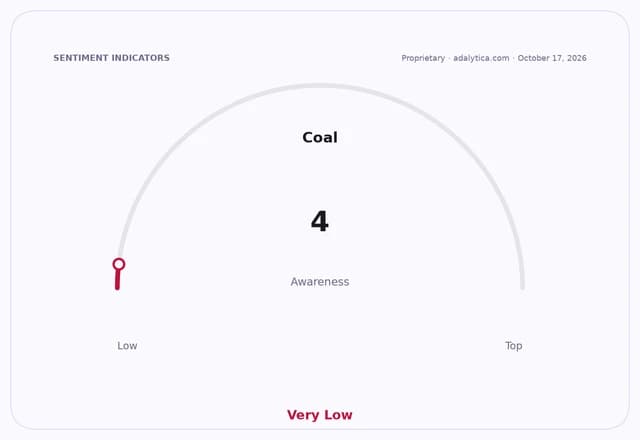
Sentiment IndicatorsⓘProprietary · adalytica.com · October 17, 2026
This is a snapshot — live sentiment, awareness and momentum for 130+ markets update continuously in the dashboard.Open AlphaPulse
The outage matters well beyond one utility site because RiTE Ugljevik is part of the power backbone of Republika Srpska, and its loss of output raises the likelihood that the system will need to buy more electricity on the open market. That would hit the entity’s energy bill at a time when imported power is already vulnerable to high market prices, widening pressure on public finances and utilities if the shutdown lasts.
For investors, the episode is another reminder that the risk in coal-heavy Balkan power systems is less about fuel prices alone than about operational fragility, land access and regulatory bottlenecks. The market implication is straightforward: every day the plant remains offline increases the chance of emergency imports, tighter liquidity for the utility chain and higher earnings volatility for any regional power trader or supplier exposed to the gap.
The timing also lands against a global backdrop of firmer coal-related sentiment, even as physical supply conditions in some markets are expected to improve later this year. Adalytica’s Coal Fear & Greed Index shows extreme greed, reflecting a market that is pricing in ongoing stress and scarcity risk, while its Global Stability Sentiment points to heightened fear. For the coal sector, that mix can support prices and trading margins; for power buyers, it tends to mean higher procurement costs.
RiTE Ugljevik’s management says a return to grid connection depends on how quickly the property and land issues are resolved, with company, utility and energy ministry officials due to discuss possible solutions next week. Even then, the plant will still face the deeper problem: rebuilding a dependable coal supply chain after years of accumulated operational damage.
If the dispute drags on, Republika Srpska could be pushed into a costlier pattern of stop-start generation and imported electricity, while any partial fix would likely only stabilize output temporarily unless mining access, financing and production discipline improve together.
| Entity | Gains | Losses |
|---|---|---|
| Electricity exporters / traders | ▲Higher import demand | ▼Volatile supply gap |
| Imported power suppliers | ▲Price leverage | ▼Local generation shortage |
| RiTE Ugljevik workers | ▲Potential restructuring attention | ▼Lost output, operational disruption |
| Republika Srpska consumers / budget | ▲None | ▼Higher electricity costs |